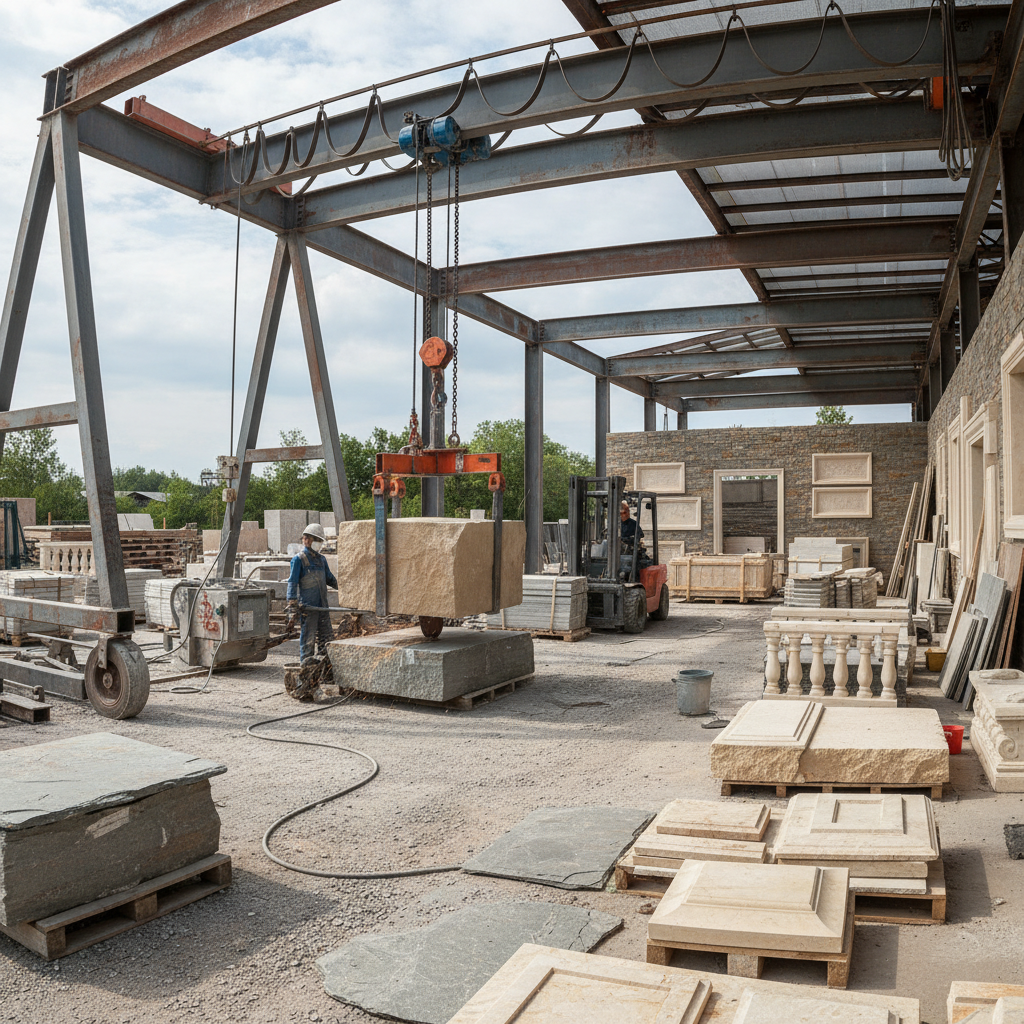
Different types of building stone have been fundamental to human civilization for millennia, serving as the backbone of iconic structures from the pyramids of Egypt to the Great Wall of China. Understanding these materials – their properties, sourcing, and applications – is crucial for sustainable construction and preserving cultural heritage. Globally, the demand for natural stone continues to grow alongside urbanization and infrastructure development, impacting economies and shaping landscapes.
The building stone industry is a significant economic driver, employing millions worldwide and contributing substantially to national GDPs in countries like Italy, India, and Brazil. However, challenges such as quarrying impacts, transportation costs, and the need for sustainable practices require continuous innovation. Choosing the right type of building stone for a project isn't just an aesthetic decision; it impacts durability, cost-effectiveness, and environmental responsibility.
The increasing focus on green building practices and resilience in the face of climate change is further driving the demand for durable, locally sourced building materials. Different types of building stone, with their inherent longevity and natural beauty, are well-positioned to meet these evolving needs. Exploring the spectrum of available stone offers solutions for a wide range of construction applications, from load-bearing walls to decorative facades, paving, and landscaping.
Introduction to Different Types of Building Stone
The world of building stone is remarkably diverse, encompassing a wide range of materials – from the classic elegance of marble and granite to the rustic charm of sandstone and limestone. Each type possesses unique characteristics in terms of color, texture, strength, and resistance to weathering. Selecting the appropriate stone requires careful consideration of the project's specific requirements and the environmental conditions it will endure.
Beyond aesthetics, understanding the geological origins of different types of building stone is critical. The formation processes – whether igneous, sedimentary, or metamorphic – dictate the stone's inherent properties and influence its suitability for various applications. Furthermore, responsible sourcing and sustainable quarrying practices are becoming increasingly important to minimize environmental impact and ensure the long-term availability of these valuable resources.
Defining Different Types of Building Stone
Different types of building stone are naturally occurring materials extracted from the earth and used for construction and decorative purposes. They are broadly classified into three main categories: igneous, sedimentary, and metamorphic. Igneous stones, such as granite and basalt, are formed from cooled magma and are known for their hardness and durability. Sedimentary stones, like sandstone and limestone, are created from accumulated sediments and often exhibit layered structures. Metamorphic stones, including marble and slate, are formed when existing rocks are transformed by heat and pressure.
The term “building stone” encompasses a vast array of specific materials. Granite, prized for its strength and resistance to abrasion, is commonly used for countertops, paving, and structural elements. Limestone, a softer and more porous stone, is favored for facades, sculptures, and interior cladding. Marble, renowned for its veining and luxurious appearance, is often used in high-end architectural projects and interior design. Sandstone offers a warm, earthy aesthetic and is well-suited for walls, pathways, and landscaping.
These different types of building stone aren't simply categorized by their formation; their performance characteristics dictate their suitability for different roles. Understanding the porosity, density, compressive strength, and flexural strength of each stone is vital for ensuring structural integrity and long-term performance in any building project.
Key Properties of Building Stone
Several key properties determine the suitability of different types of building stone for a given application. These include durability – the ability to withstand wear and tear – and strength, which encompasses both compressive and tensile resistance. Porosity, or the amount of void space within the stone, impacts its water absorption rate and susceptibility to freeze-thaw damage. Density, measured in kilograms per cubic meter, affects the stone's weight and load-bearing capacity. These properties are all interconnected and influence the stone’s overall performance.
The aesthetic qualities of building stone – including color, texture, and veining – are also important considerations, particularly for facade and interior applications. Different types of building stone offer a wide spectrum of colors, ranging from the deep blacks of basalt to the warm hues of sandstone and the classic whites of marble. The texture, whether smooth and polished or rough and natural, contributes to the overall visual appeal and can be selected to complement the architectural style.
Finally, the stone’s resistance to chemical attack, such as acid rain or salt spray, is crucial for long-term durability, especially in coastal or industrial environments. Some stones, like granite, are highly resistant to chemical weathering, while others, like limestone, are more susceptible and may require protective coatings or treatments.
Durability and Longevity of Different Stone Types
Durability is arguably the most important factor when selecting different types of building stone. Granite and basalt, being igneous rocks, are renowned for their exceptional hardness and resistance to abrasion, making them ideal for high-traffic areas and demanding structural applications. These stones can last for centuries with minimal maintenance. Marble, while also durable, is somewhat softer and more susceptible to scratching and staining.
Sedimentary stones, such as sandstone and limestone, generally have lower durability ratings than igneous or metamorphic rocks. However, their longevity can be significantly improved through proper sealing and maintenance. Choosing a dense, well-cemented sandstone or a high-quality limestone can enhance its resistance to weathering and erosion. Regular cleaning and re-sealing are essential to protect these stones from water damage and staining.
Durability Ratings for Common Different Types of Building Stone
Global Applications and Use Cases
Different types of building stone find applications across a diverse range of construction projects globally. In Italy, marble is synonymous with luxury and is extensively used in residential and commercial buildings, as well as for monuments and sculptures. India boasts a rich tradition of sandstone architecture, exemplified by iconic structures like the Taj Mahal. Brazil is a major exporter of granite, used worldwide for countertops, flooring, and paving.
In post-disaster relief operations, locally sourced stone can provide a durable and sustainable solution for rebuilding infrastructure and housing. In remote industrial zones, granite and basalt are often preferred for their robustness and resistance to harsh conditions. The versatility of building stone also extends to landscaping, where it is used for retaining walls, pathways, and decorative features, enhancing the aesthetic appeal of urban and rural environments.
Advantages and Long-Term Value
The advantages of using different types of building stone are numerous. From a cost perspective, while the initial investment may be higher than some alternatives, the longevity and low maintenance requirements of stone can result in significant long-term savings. Sustainability is another key benefit – stone is a natural material with a low carbon footprint compared to many manufactured building products. Furthermore, building stone enhances the aesthetic appeal and perceived value of properties.
The emotional and logical benefits of building with stone are equally compelling. The inherent strength and permanence of stone provide a sense of safety and security. Its natural beauty and timeless elegance create a welcoming and dignified environment. By choosing responsibly sourced stone, consumers can contribute to sustainable building practices and support local economies, fostering trust and innovation within the industry.
Future Trends and Innovations in Building Stone
The future of building stone is shaped by several emerging trends. Digital technologies, such as 3D scanning and robotic cutting, are enabling more precise and efficient stone fabrication, reducing waste and enhancing design possibilities. The development of innovative stone composites, combining natural stone with other materials, is expanding the range of applications and improving performance characteristics.
Sustainability remains a key driver of innovation, with increased focus on reducing the environmental impact of quarrying and transportation. The integration of green building principles, such as rainwater harvesting and passive solar design, with stone construction is gaining traction. Furthermore, advancements in stone preservation techniques are helping to protect historical structures and extend the lifespan of existing buildings.
Summary of Challenges and Solutions in Building Stone Application
| Challenge |
Impact on Different Types of Building Stone |
Proposed Solution |
Potential Benefits |
| High Quarrying Costs |
Limits accessibility of certain different types of building stone. |
Invest in automated quarrying technology. |
Reduced extraction costs, wider stone availability. |
| Transportation Emissions |
Increases the carbon footprint of different types of building stone. |
Prioritize locally sourced stone. |
Reduced transportation distances, lower emissions. |
| Water Absorption |
Affects durability of porous different types of building stone. |
Apply hydrophobic sealants. |
Increased water resistance, prolonged lifespan. |
| Skilled Labor Shortage |
Hampers precise installation of different types of building stone. |
Invest in training programs and apprenticeships. |
Enhanced quality of workmanship, reduced errors. |
| Waste Generation |
Results in unused pieces of different types of building stone. |
Implement precise cutting and design strategies. |
Minimized material waste, reduced costs. |
| Environmental Impact of Quarrying |
Disrupts local ecosystems during extraction of different types of building stone. |
Adopt responsible quarrying practices and restoration plans. |
Minimized ecological damage, improved environmental stewardship. |
FAQS
Granite and basalt consistently rank among the most durable options for exterior use, offering exceptional resistance to weathering, abrasion, and chemical attack. Slate is also highly durable and provides a unique aesthetic. When selecting stone for exterior cladding or paving, it's crucial to consider local climate conditions, such as freeze-thaw cycles, and choose a material that can withstand those stresses. Proper sealing can further enhance the longevity of even moderately durable stones, like some sandstones and limestones.
Porosity significantly impacts a stone’s performance in various climates. Highly porous stones, like some limestones and sandstones, readily absorb water, making them vulnerable to damage from freeze-thaw cycles. In cold climates, water expands when it freezes, creating internal stresses that can cause cracking and spalling. Conversely, in hot and humid climates, water absorption can promote the growth of mold and mildew. Choosing less porous stones, like granite and slate, or applying a waterproof sealant to porous stones, is crucial for ensuring long-term durability in challenging climates.
Quarrying building stone can have significant environmental impacts, including habitat disruption, soil erosion, and water pollution. The extraction process generates dust and noise, and transportation contributes to greenhouse gas emissions. However, responsible quarrying practices can mitigate these impacts. These include land reclamation, water management, dust suppression, and the use of sustainable transportation methods. Selecting locally sourced stone can also reduce transportation emissions and support local economies.
While the initial cost of building stone can be higher than some alternatives, a comprehensive lifecycle cost analysis is essential. Consider the stone’s longevity, minimal maintenance requirements, and potential for increased property value. Factors like energy efficiency (especially with thermal mass properties), reduced repair costs, and the absence of toxic off-gassing can contribute to long-term savings. Factor in the cost of installation, sealing, and any necessary structural support when comparing stone to other materials.
Building stone is finding innovative applications beyond traditional walls and flooring. Stone veneers offer a lightweight and cost-effective alternative to solid stone cladding. Stone composites are being used to create durable and aesthetically pleasing surfaces for countertops, furniture, and outdoor features. Artists and designers are also exploring the use of stone in sculptural installations, landscape art, and sustainable design projects. The integration of digital fabrication techniques, like CNC machining, is enabling new possibilities for stone design and construction.
Proper care and maintenance are essential for preserving the beauty and longevity of building stone. Regularly clean stone surfaces with a pH-neutral cleaner and avoid harsh chemicals. For porous stones, apply a penetrating sealant to protect against water absorption and staining. Inspect stone surfaces periodically for cracks or damage and address any issues promptly. For limestone and marble, avoid acidic substances like vinegar or lemon juice, as they can etch the surface. Professional cleaning and restoration services may be required for extensive repairs or maintenance.
Conclusion
Different types of building stone offer a compelling combination of durability, beauty, and sustainability. From the timeless elegance of marble to the rugged strength of granite, each stone possesses unique characteristics that make it suitable for a wide range of applications. Understanding these properties, coupled with responsible sourcing and proper maintenance, ensures that building stone will continue to be a cornerstone of construction for generations to come.
As the industry embraces innovation and sustainable practices, we can expect to see even more creative and environmentally conscious applications of building stone. By prioritizing local materials, investing in advanced fabrication techniques, and promoting responsible quarrying practices, we can unlock the full potential of this remarkable resource and create buildings that are both beautiful and enduring. For more information on the diverse world of building stone, visit our website at Sonmacistone.