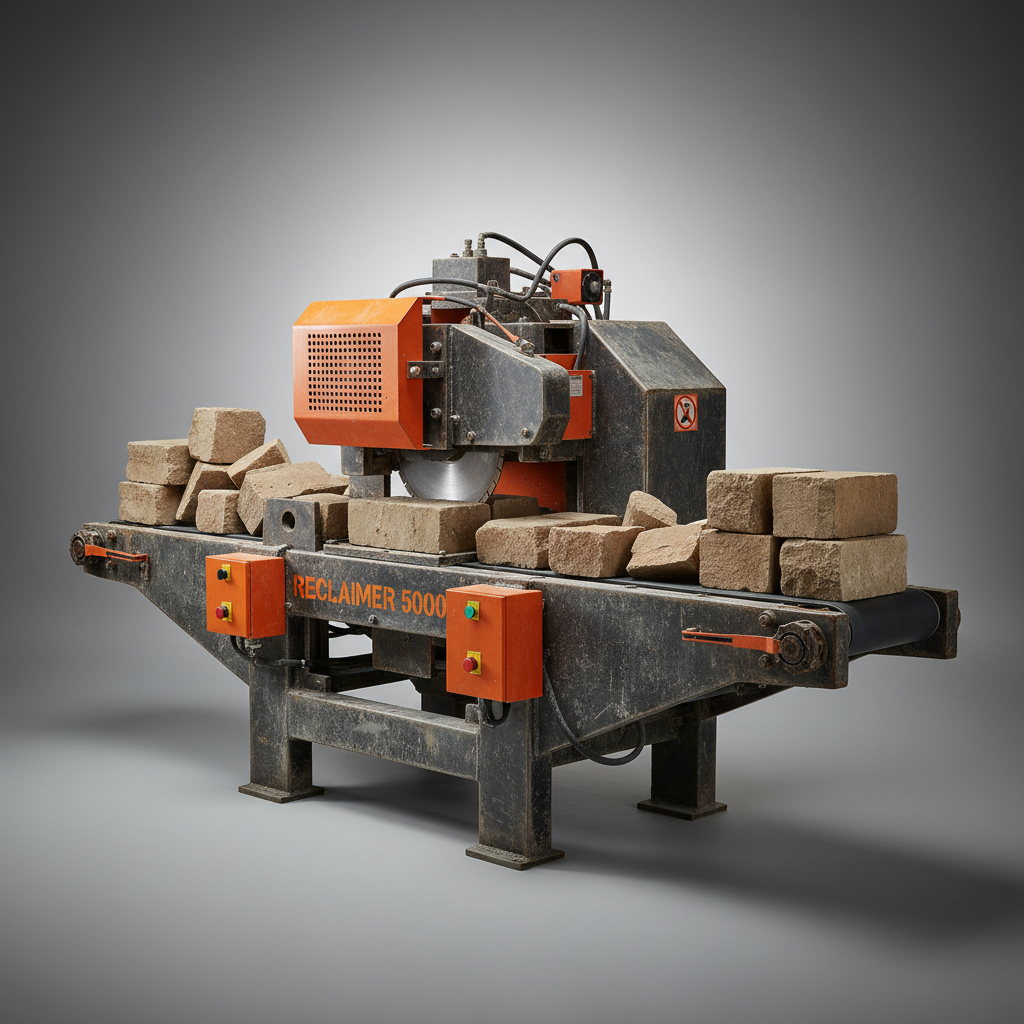
Choosing the right exterior for your home isn’t just about aesthetics—it's about longevity, resilience, and making a statement that lasts. When we talk about types of natural stone for house exterior, we're talking about an investment that can dramatically increase your property’s value and curb appeal. It's a decision I’ve seen homeowners grapple with for years, wandering through showrooms overwhelmed by options. From my time on countless construction sites, working alongside engineers and handling materials firsthand, I can tell you the difference a quality stone exterior can make. It's about more than just how a house looks; it's about how it holds up against the elements and the test of time.
The global demand for natural stone in construction is steadily increasing, driven by a growing appreciation for its durability and unique beauty. According to a report by the United Nations Environment Programme, sustainable building materials are becoming increasingly crucial in addressing climate change. Natural stone, sourced responsibly, fits squarely into that category. However, it’s not a one-size-fits-all situation. Different stones have different properties – some excel in cold climates, others are better suited for areas with intense sun. And, frankly, a beautiful stone facade is useless if it's improperly installed. That's where understanding the nuances of types of natural stone for house exterior really comes into play.
Ultimately, selecting the right natural stone isn't simply an architectural choice; it’s a strategic decision impacting your home’s long-term value and sustainability. It’s about aligning your aesthetic preferences with practical considerations, ensuring your investment stands the test of time and contributes to a more sustainable built environment. It’s a significant investment, and it’s vital to understand all facets before committing.
Defining Types of Natural Stone for House Exterior
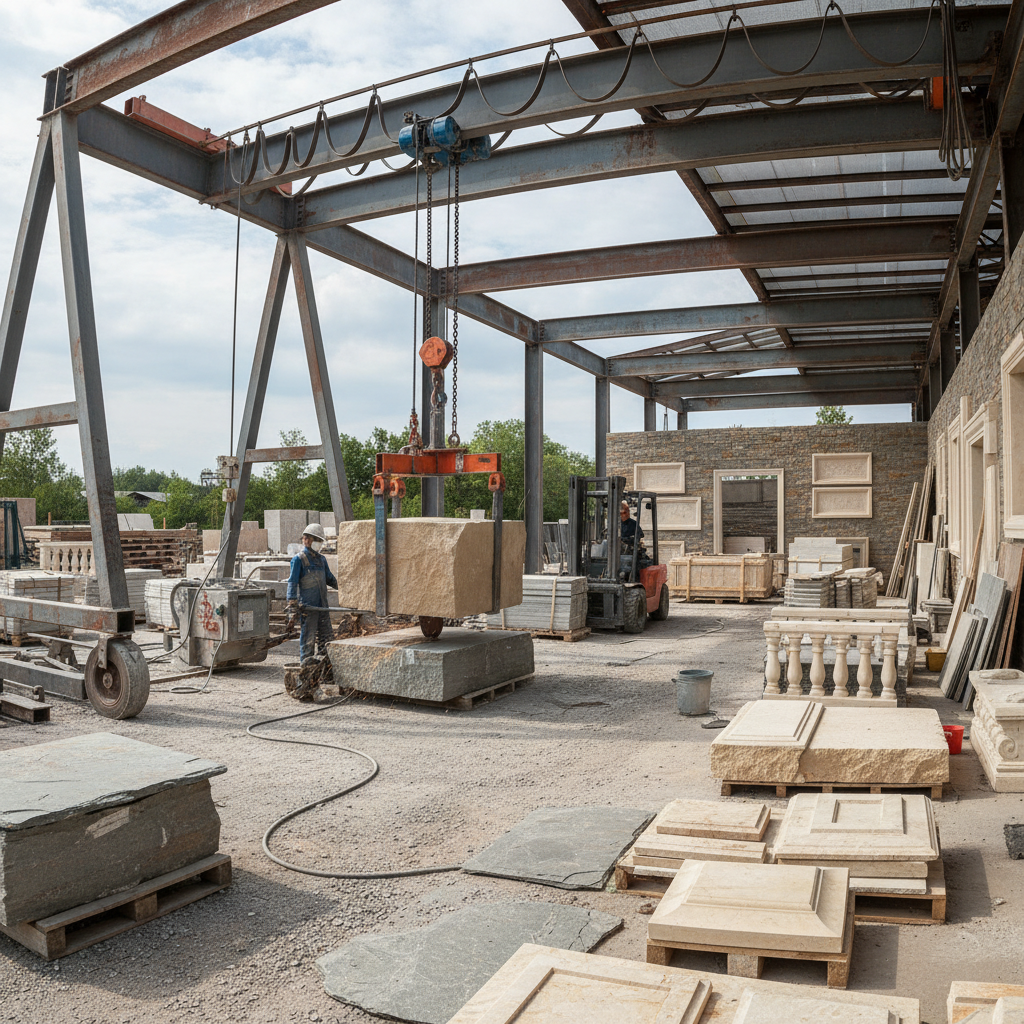
When we talk about types of natural stone for house exterior, we're encompassing a huge range of materials, each with its own unique characteristics. Think about it - from the classic elegance of limestone to the rugged durability of granite, the possibilities are diverse. Basically, these are materials formed naturally over geological timescales, extracted from the earth, and shaped for building purposes. They differ significantly in color, texture, hardness, and porosity.
These distinctions aren’t just aesthetic. They directly impact how the stone will perform in different climates and against different stressors. Knowing whether a stone is prone to water absorption, for example, is critical in regions with freeze-thaw cycles. That’s why understanding the composition and properties of each stone type is the foundation of any successful exterior project.
The Global Relevance of Stone Facades
Historically, natural stone has been a building material of choice for millennia, from the pyramids of Egypt to the Roman Colosseum. Its enduring presence speaks volumes about its inherent durability and aesthetic appeal. Today, despite the proliferation of modern materials, natural stone remains incredibly relevant – and its demand is growing. We're seeing a resurgence in its use globally, fueled by a desire for authenticity and sustainable building practices.
Take Europe, for example. Many historic cities have strict regulations protecting their architectural heritage, which often necessitates the use of natural stone for renovations and new constructions. In North America, there’s a growing trend toward incorporating natural materials into home design, driven by a desire to connect with nature and create more visually appealing landscapes. Even in rapidly developing regions like Asia, the prestige and longevity associated with natural stone make it a sought-after building material.
The increasing emphasis on sustainable construction further elevates the importance of natural stone. When sourced responsibly, it offers a lower carbon footprint compared to many manufactured alternatives. And, because it lasts for generations, it reduces the need for frequent replacements – minimizing waste and conserving resources. It’s a trend I’ve witnessed firsthand on sites worldwide, and I believe it’s here to stay.
Understanding Stone Composition and Properties
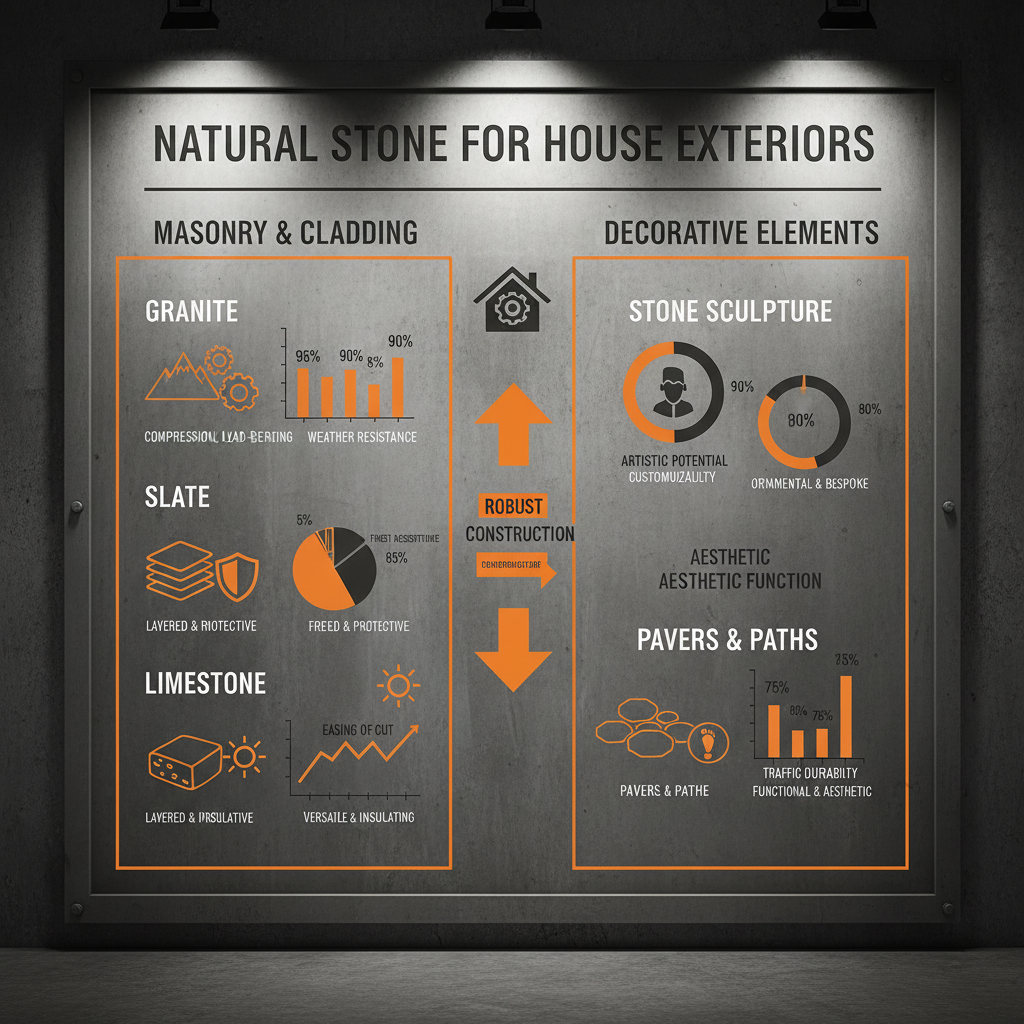
Different types of natural stone for house exterior possess distinct chemical compositions and physical properties that dictate their suitability for various applications. For instance, limestone, primarily composed of calcium carbonate, is relatively soft and porous, making it ideal for carving intricate details but less resistant to acid rain.
Granite, on the other hand, is an igneous rock rich in quartz, feldspar, and mica. This composition lends it exceptional hardness, durability, and resistance to weathering. Slate, a metamorphic rock formed from shale, is known for its fine grain, cleavability, and ability to withstand temperature fluctuations. Sandstone, a sedimentary rock composed of sand grains, offers a unique texture and a warm aesthetic, but requires sealing to prevent water damage.
Understanding these properties isn’t just academic; it’s crucial for making informed decisions about stone selection. You need to consider the local climate, potential environmental stressors, and the desired aesthetic outcome to ensure the stone performs optimally and maintains its beauty over time. A stone that looks great in a showroom might not be the best choice for your specific project.
Key Factors Influencing Stone Selection
There are several key factors that go into picking the right stone for your home's exterior. Durability is paramount, of course, especially in areas prone to harsh weather. But it’s not the only consideration. Cost is always a factor, and prices can vary significantly between different stone types.
Aesthetic appeal plays a big role as well. You need to choose a stone that complements the architectural style of your home and your personal preferences. But beyond those basics, consider factors like porosity, weight, and the availability of skilled installers. I’ve seen projects derailed by trying to save a few bucks on installation, only to end up with a facade that’s prone to cracking or water damage.
Durability Ratings for Common Types of Natural Stone for House Exterior
Regional Applications and Building Styles
The choice of stone often reflects regional building traditions and climatic conditions. In the Mediterranean, you’ll see a lot of limestone and sandstone, reflecting the warm, dry climate and the availability of these materials locally.
In New England, granite and slate are common choices due to their ability to withstand harsh winters and the region’s historical ties to quarrying these materials. In the Southwest, you'll find sandstone and travertine, blending beautifully with the desert landscape. Understanding these regional preferences can guide your selection process and ensure a harmonious integration with the surrounding environment.
Long-Term Value and Sustainability
Investing in natural stone for your home’s exterior isn't just about immediate aesthetics; it’s about long-term value and sustainability. These materials are incredibly durable, often lasting for centuries with minimal maintenance. That longevity translates to significant cost savings over time, as you won’t need to replace or repair the facade as frequently.
Furthermore, natural stone is a sustainable building material. It’s sourced from the earth, requires relatively little processing, and can often be recycled or repurposed at the end of its life. Choosing natural stone is a responsible choice that reduces your environmental impact and contributes to a more sustainable future. It’s a material that’s stood the test of time, and it’s positioned to continue doing so for generations to come.
Future Trends and Challenges in Stone Construction
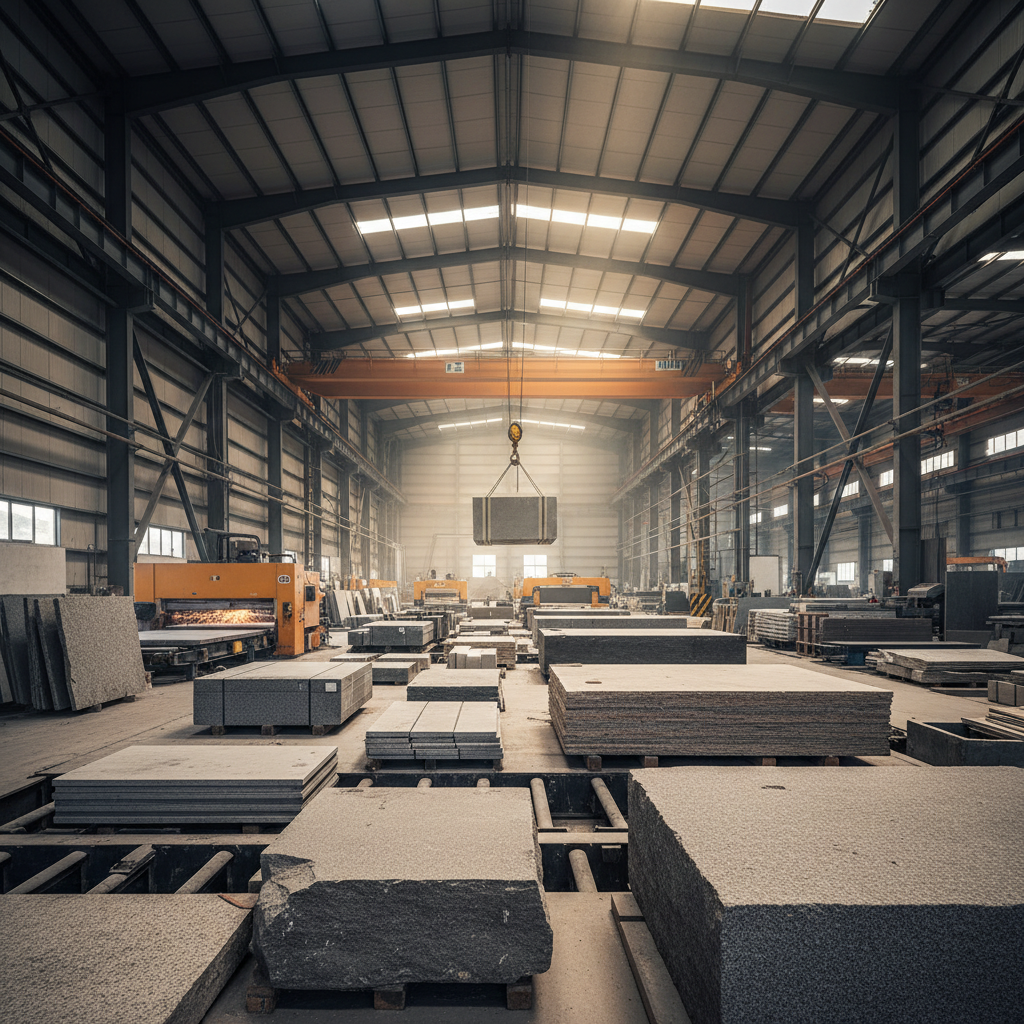
We’re seeing a growing trend toward incorporating advanced cutting and fabrication techniques, allowing for more complex designs and precise installations. Digital modeling and 3D printing are also starting to play a role, enabling architects and builders to create truly unique stone facades.
However, there are challenges. Sourcing sustainable stone is becoming increasingly important, and ensuring ethical labor practices throughout the supply chain is a priority. The cost of skilled labor is also a concern, as is the need for ongoing training and education to maintain quality craftsmanship.
Another challenge is adapting to climate change. We need to select stones that can withstand more extreme weather events and develop installation techniques that minimize the risk of water damage and structural failure. Innovation and a commitment to responsible practices will be key to navigating these challenges and ensuring the continued relevance of natural stone in the years to come.
Summary of Key Considerations for Choosing the Right Stone
| Stone Type |
Durability Score (1-10) |
Cost (per sq ft) |
Climate Suitability |
| Granite |
10 |
$15 - $30 |
All Climates |
| Limestone |
6 |
$8 - $18 |
Mild & Dry Climates |
| Sandstone |
7 |
$7 - $15 |
Dry & Temperate Climates |
| Slate |
9 |
$12 - $25 |
Cold & Temperate Climates |
| Marble |
5 |
$10 - $35 |
Mild & Protected Climates |
| Travertine |
8 |
$10 - $20 |
Warm & Dry Climates |
FAQS
Granite and slate consistently rank among the most durable options for exterior applications. Their dense composition and resistance to weathering make them ideal for areas with harsh climates. Granite is incredibly hard and resistant to abrasion, while slate offers excellent resistance to freeze-thaw cycles. While they come at a higher price point, their longevity often makes them a worthwhile investment.
The cost of a natural stone exterior varies greatly depending on the type of stone, the size of the project, the complexity of the design, and labor costs. Generally, you can expect to pay between $8 and $35 per square foot for materials, plus installation costs, which can add another $5 to $20 per square foot. Getting multiple quotes from reputable contractors is crucial to ensure you receive a fair price.
Yes, natural stone is generally considered a sustainable building material. It’s sourced directly from the earth, requires relatively little processing compared to manufactured materials, and is incredibly durable, reducing the need for frequent replacements. However, it’s important to ensure the stone is sourced responsibly from quarries with sustainable practices.
Maintenance requirements vary depending on the type of stone. Generally, regular cleaning with mild soap and water is sufficient. Some stones, like sandstone and limestone, may require periodic sealing to protect against water damage and staining. Promptly addressing any cracks or damage can prevent larger issues down the road.
While natural stone is durable, some types are better suited to certain climates than others. For example, limestone is less resistant to freeze-thaw cycles and may not be ideal for areas with harsh winters. Granite and slate, on the other hand, perform well in a wide range of climates. It's important to select a stone that is appropriate for your local conditions.
Finding a qualified installer is crucial for a successful project. Look for contractors with extensive experience working with natural stone, positive customer reviews, and proper licensing and insurance. Ask for references and view examples of their previous work. Don’t hesitate to ask detailed questions about their installation techniques and warranties.
Conclusion
In conclusion, selecting the right types of natural stone for house exterior is a decision that demands careful consideration. It’s about more than just aesthetics; it's about durability, sustainability, and long-term value. Understanding the unique properties of each stone type, considering your local climate and architectural style, and working with a qualified installer are all essential steps to ensure a successful project.
Looking ahead, the demand for natural stone will likely continue to grow as homeowners and builders prioritize sustainable and durable building materials. Embracing innovative installation techniques, prioritizing responsible sourcing, and investing in skilled craftsmanship will be key to unlocking the full potential of this timeless material and creating homes that stand the test of time. For more information and to explore our selection of high-quality natural stone, visit our website: www.sonmacistone.com.