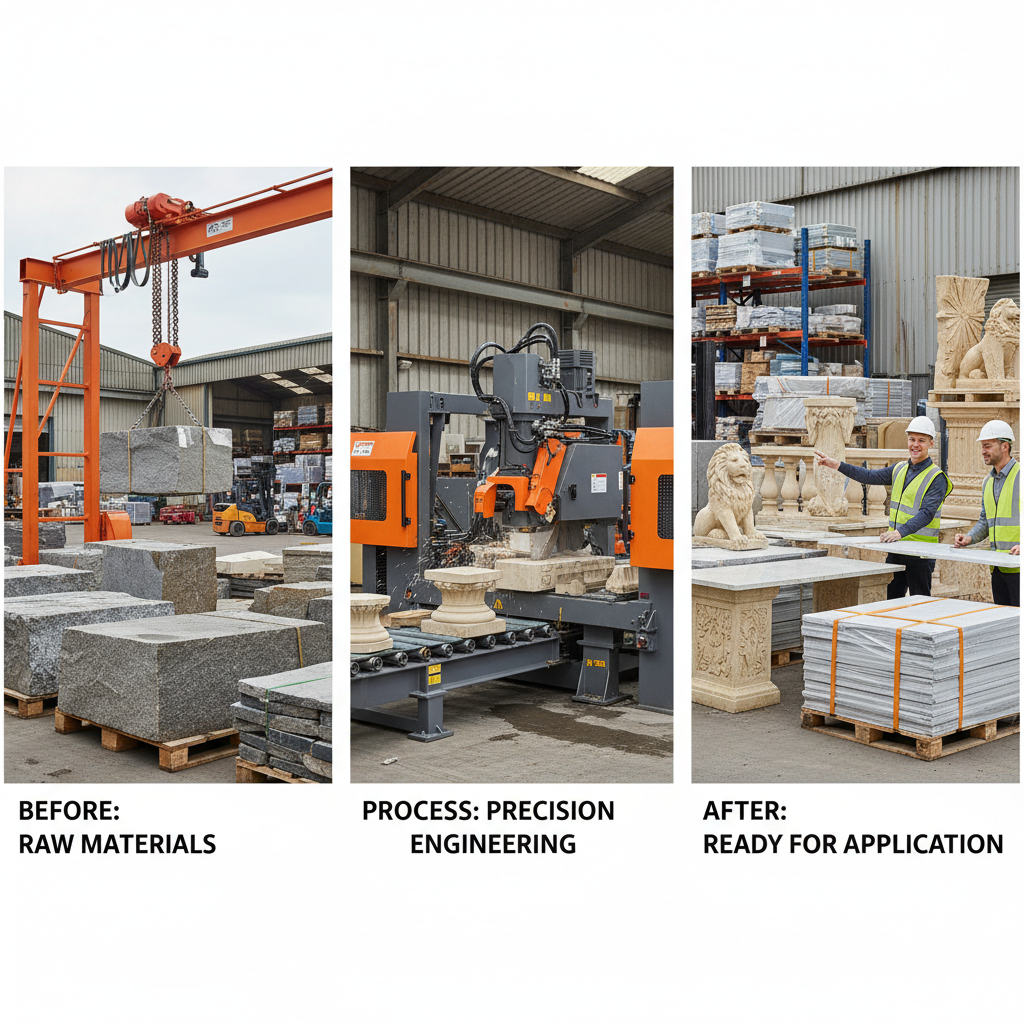
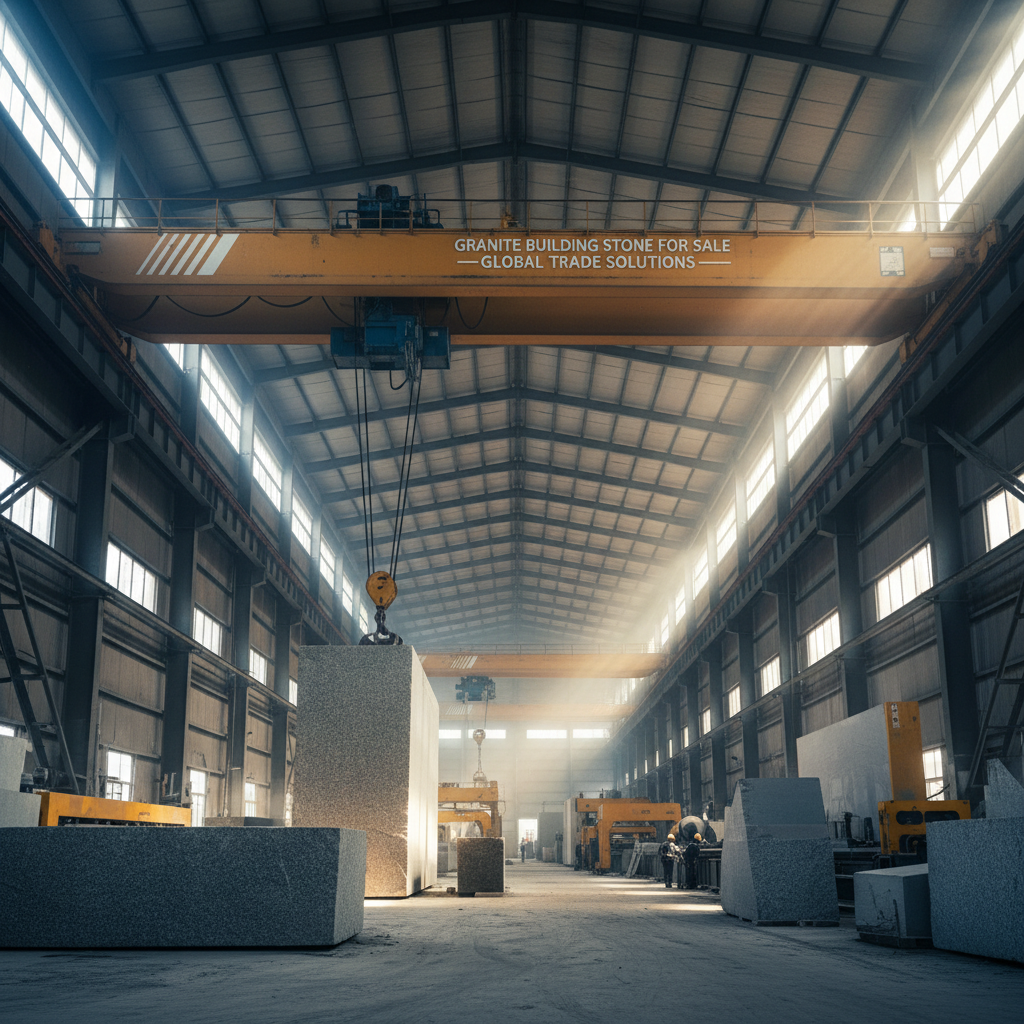
Builders merchants stone – it’s more than just rocks and slabs, believe me. I've spent years on sites, seen projects stall because of material delays, or worse, fail due to substandard stone. We're talking about the foundational elements of structures, the things that need to withstand weather, wear, and time. Understanding what makes good builders merchants stone isn't just about aesthetics; it’s about safety, longevity, and keeping a project on schedule and within budget. It’s what separates a building that stands the test of time from one that starts showing cracks after a decade.
Frankly, the industry's moving faster than ever. Clients want sustainable options, engineered stone is gaining traction, and the demand for specialty finishes is through the roof. But all that innovation means a greater need for suppliers who really know their stuff. It's not enough to just stock product anymore; you need to understand how it performs, how it installs, and how it integrates with other building materials.
And it’s a global game. I've seen stone sourced from all over the world end up on projects across the country. Logistics, tariffs, and supply chain resilience are huge issues. Knowing where your stone comes from, how it’s processed, and how it’s transported is critical in today's market. It's not just about finding the cheapest price; it's about mitigating risk and ensuring you get a consistent, high-quality product.
The Foundation of Construction: Understanding Builders Merchants Stone
Builders merchants stone encompasses any natural or engineered stone material supplied through building supply businesses for construction and landscaping purposes. It’s a broad category including granite, limestone, sandstone, marble, slate, and increasingly, manufactured stone veneers and quartz composites. It’s the raw material for everything from load-bearing walls and paving to decorative cladding and interior features. Without a reliable supply of quality stone, construction projects simply can’t get off the ground.
We’re seeing a renewed focus on durability and sustainability, which puts natural stone in a prime position. Engineered stone, while offering consistency, often struggles to match the longevity of well-sourced natural materials. The demand isn't just coming from large commercial builds, either. Homeowners are investing more in renovations and landscaping, driving demand for unique and high-quality stone products. The key is understanding the specific requirements of each project and matching the right stone to the application.
Defining Builders Merchants Stone in the Modern Landscape
Historically, builders merchants stone was almost exclusively natural stone sourced locally. Now, it’s a complex global network. You've got quarries in Italy, Spain, Brazil, India – all supplying materials to markets worldwide. This opens up opportunities for diverse aesthetics and competitive pricing, but it also introduces challenges in terms of quality control and transportation costs. We’ve moved beyond just ‘stone’ as a commodity to a nuanced understanding of specific stone types, their properties, and their suitability for different climates and applications.
Modern building codes increasingly prioritize sustainability and energy efficiency. Natural stone, with its inherent thermal mass and long lifespan, contributes to both. The shift towards green building practices is driving demand for locally sourced stone and materials with low embodied energy. This has created a new emphasis on responsible quarrying practices and minimizing the environmental impact of stone production.
It's not about simply selling rock anymore. It’s about providing solutions. It's about understanding the architect's vision, the engineer’s requirements, and the client’s budget, and then delivering a stone product that meets all those needs. And that requires a level of expertise that goes beyond just taking orders.
Key Characteristics of Quality Builders Merchants Stone
Durability is paramount. Stone needs to resist weathering, erosion, and physical impact. Different stones have different strengths. Granite is incredibly hard-wearing, ideal for high-traffic areas. Limestone is more porous and requires sealing, but offers a classic aesthetic. Understanding these properties is crucial for selecting the right material.
Consistency in color and texture is another key factor. You don’t want a wall that looks patchy or uneven. Reputable suppliers will offer graded materials, ensuring a uniform appearance. Variations are natural, but they should be within acceptable tolerances. This is where having a good relationship with your supplier pays off; they can often provide samples and help you assess the consistency of a particular batch.
Porosity and absorption rates matter, especially in climates with freeze-thaw cycles. Water can seep into the stone, expand when frozen, and cause cracking or spalling. Sealing is often necessary, but the type of sealant should be appropriate for the stone and the intended application. And finally, dimensional accuracy – stone needs to be cut to precise specifications to ensure a proper fit and minimize waste. I've seen too many projects delayed because of poorly cut stone.
Practical Applications of Builders Merchants Stone Across Industries
The applications are incredibly diverse. In commercial construction, we’re seeing a lot of granite and engineered stone used for building facades and lobbies – creating a sense of permanence and prestige. Residential projects often feature limestone or sandstone for landscaping, patios, and fireplace surrounds. Road construction relies heavily on crushed stone for base layers and drainage.
Beyond these typical applications, stone is also used in specialized areas like historical restoration, where matching original materials is critical. And increasingly, we’re seeing architects using stone in innovative ways – for sculpted features, green walls, and even interior art installations. The possibilities are really only limited by imagination and budget.
Builders Merchants Stone Application Breakdown
The Advantages & Long-Term Value Proposition of Using Quality Stone
From a cost perspective, while initial investment might be higher than some alternatives, the longevity of stone often makes it more economical over the life of a building. Think reduced maintenance, fewer repairs, and increased property value. Sustainability is another major advantage. Natural stone is a durable, long-lasting material with a minimal carbon footprint, especially when sourced locally.
Beyond the practical benefits, there’s an emotional appeal to stone. It evokes a sense of permanence, quality, and natural beauty. It adds character and sophistication to any project. That’s something you can’t put a price on. And ultimately, using quality builders merchants stone builds trust – trust with your clients, trust with your subcontractors, and trust in the longevity of your work.
Global Trends Shaping the Future of Builders Merchants Stone
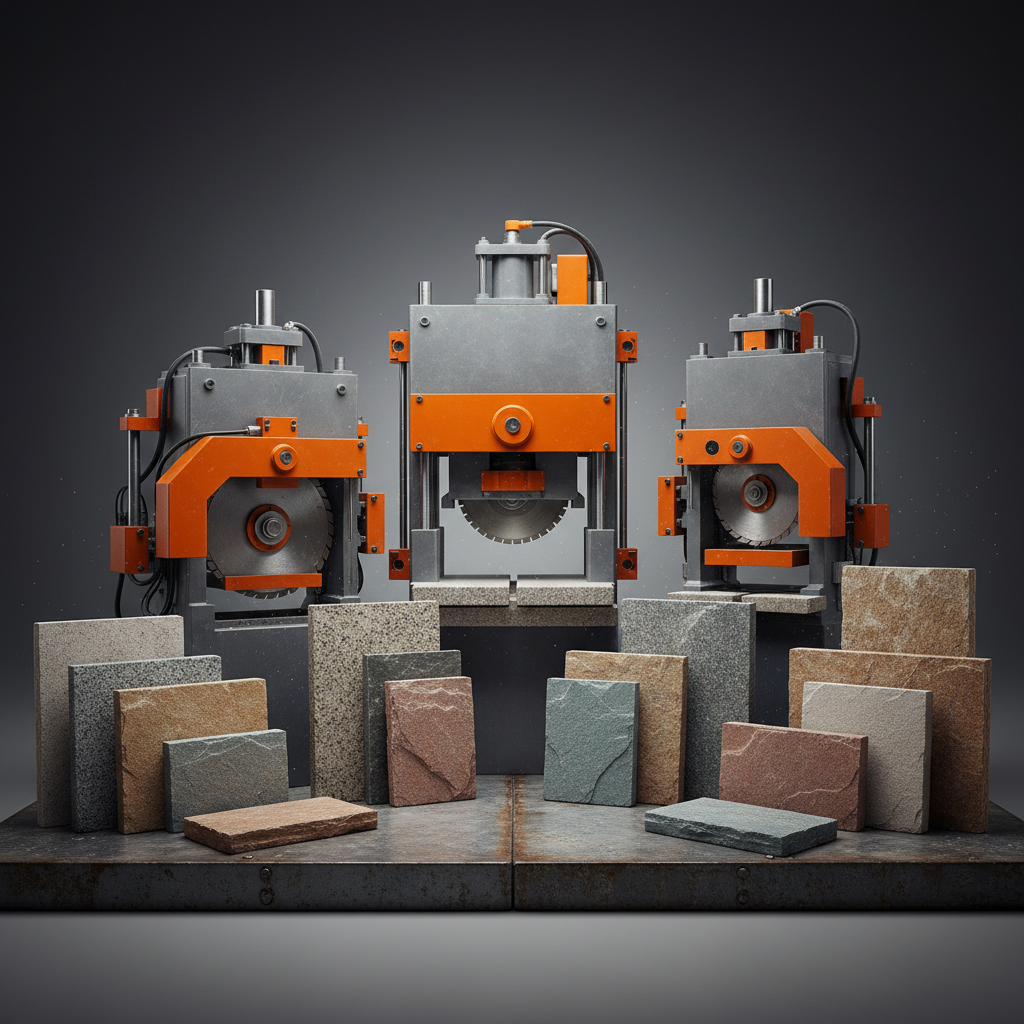
We're seeing a growing demand for large-format stone panels, which reduce installation time and material waste. Digital fabrication techniques, like CNC cutting, are allowing for more complex designs and customized features. The rise of BIM (Building Information Modeling) is also impacting the industry, requiring suppliers to provide detailed product data for integration into digital models.
There’s also a lot of innovation happening in stone treatment and preservation. New sealants and coatings are offering better protection against weathering and pollution. And research into bio-based stone consolidation techniques is showing promise for preserving historical stone structures.
Common Challenges & Innovative Solutions in Stone Supply
Supply chain disruptions are a constant concern. Global events can impact quarry operations and transportation routes. Building strong relationships with multiple suppliers and diversifying sourcing options is key to mitigating this risk. Quality control is another challenge. Ensuring that stone meets specifications requires rigorous testing and inspection.
Labor shortages are also impacting the industry, making it harder to find skilled stone masons and installers. Investing in training and promoting the trades is essential. Finally, the environmental impact of quarrying and transportation needs to be addressed through responsible practices and sustainable sourcing.
I’ve seen companies using blockchain technology to track stone from quarry to project site, ensuring transparency and verifying ethical sourcing. Others are exploring the use of drones for quarry surveying and inventory management. Innovation is happening, and those who embrace it will be best positioned to succeed.
Overview of Key Challenges and Solutions in Builders Merchants Stone Supply
| Challenge |
Impact Level (1-10) |
Current Solutions |
Innovation Potential (1-10) |
| Supply Chain Disruptions |
8 |
Diversified Sourcing, Buffer Stock |
7 |
| Quality Control Issues |
7 |
Rigorous Testing, Supplier Audits |
6 |
| Skilled Labor Shortage |
9 |
Training Programs, Apprenticeships |
8 |
| Environmental Impact |
6 |
Sustainable Quarrying, Reduced Transportation |
9 |
| Rising Material Costs |
7 |
Long-Term Contracts, Value Engineering |
5 |
| Logistics & Transportation |
8 |
Optimized Routes, Consolidation |
7 |
FAQS
Natural stone offers unique aesthetics, superior durability, and a lower environmental impact when sourced responsibly. Engineered stone provides greater consistency in color and pattern, is non-porous, and often more affordable. The best choice depends on the project’s priorities, budget, and desired look. I typically advise clients to weigh the long-term benefits of natural stone against the immediate cost savings of engineered products.
Look for suppliers with certifications like ISO 14001 (environmental management) and those who actively promote responsible quarrying practices. Ask about the stone’s origin, the working conditions at the quarry, and the supplier's environmental policies. Transparency is key. A reputable supplier will be happy to provide this information.
The best sealant depends on the stone’s porosity and the intended application. For porous stones like limestone, a penetrating sealant is essential to prevent water absorption. Granite and other dense stones may only require a surface sealant to enhance their color and protect against staining. Always follow the manufacturer’s instructions and test the sealant in an inconspicuous area first.
Accurate calculation is crucial to avoid overspending or running short. Measure the area carefully, account for waste (typically 10-15%), and consider the thickness and size of the stone. It’s always better to overestimate slightly than to underestimate. Many suppliers offer quantity takeoff services to help with this process. And don't forget to factor in any complex cuts or patterns.
Experience and qualifications are paramount. Look for installers with a proven track record of working with the specific type of stone you've chosen. Check their licenses and insurance, and ask for references. A good installer will also be knowledgeable about proper installation techniques and building codes.
Natural stone can contribute to LEED points in several categories, including materials and resources, indoor environmental quality, and regional materials. Sourcing stone locally reduces transportation emissions. Its durability minimizes replacement needs, reducing waste. And its natural composition contributes to healthier indoor air quality. Proper documentation and verification are essential for claiming LEED credits.
Conclusion
Builders merchants stone isn't just a material; it’s an investment in quality, durability, and sustainability. From understanding the nuances of different stone types to navigating the complexities of global supply chains, making informed decisions is critical. We’ve covered everything from the inherent characteristics that define good stone to the emerging trends shaping the future of the industry, highlighting how innovation and responsible sourcing are becoming increasingly important.
Looking ahead, the demand for high-quality builders merchants stone will only continue to grow. Embracing new technologies, prioritizing sustainable practices, and fostering strong relationships with reliable suppliers will be essential for success. If you're planning a construction or renovation project, I encourage you to explore the possibilities of stone – it’s a material that truly stands the test of time. For all your stone needs, visit our website: builders merchants stone.