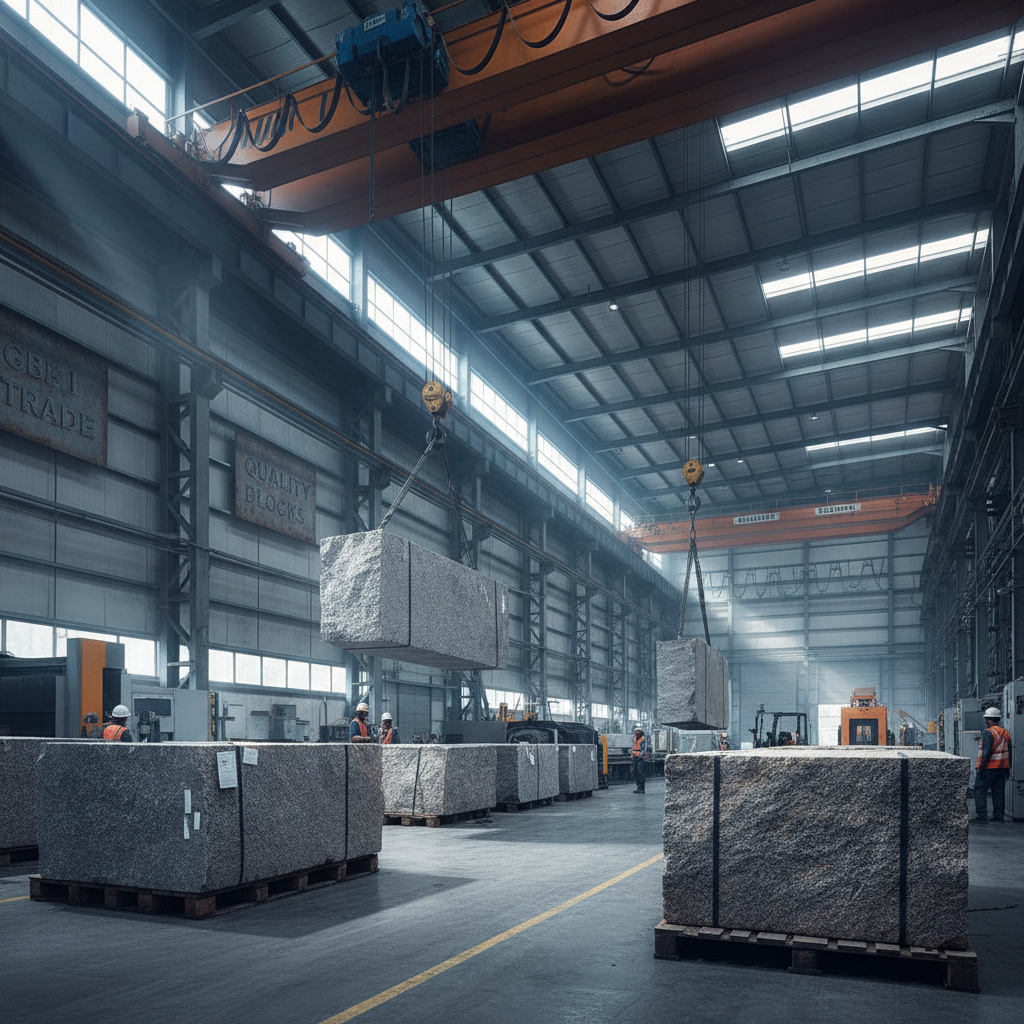
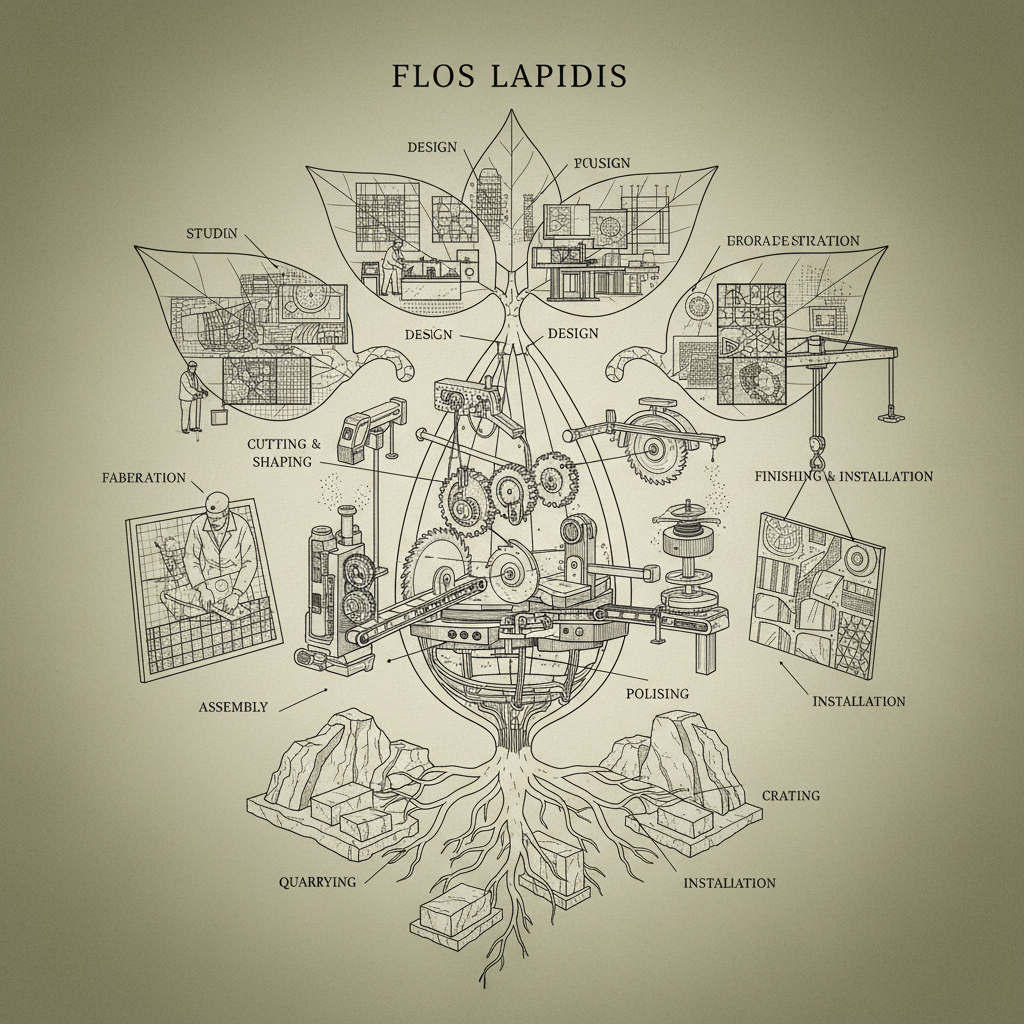
Look, I’ve been traipsing around construction sites for fifteen years, smelling concrete dust and arguing with engineers. Lately, everyone's talking about prefabrication, modular builds, right? It’s the hot ticket, and stacked stone suppliers are right in the thick of it. It’s not just about speed anymore; it’s about controlling quality, reducing waste... stuff we've always wanted, frankly. But it's also a whole new set of headaches.
The biggest thing I’ve noticed? Everyone's chasing "easy," but "easy" often means cutting corners on the little things. Like adhesives. You think a little glue doesn't matter? Try dealing with panels peeling off a facade in a monsoon. Seriously.
To be honest, it's a bit of a wild west out there. Everyone's claiming they've got the revolutionary stacked stone, the super-adhesive, the perfect system. But until you get your hands dirty and see how it actually behaves on site, it’s just talk.
The Current Landscape of Stacked Stone Suppliers
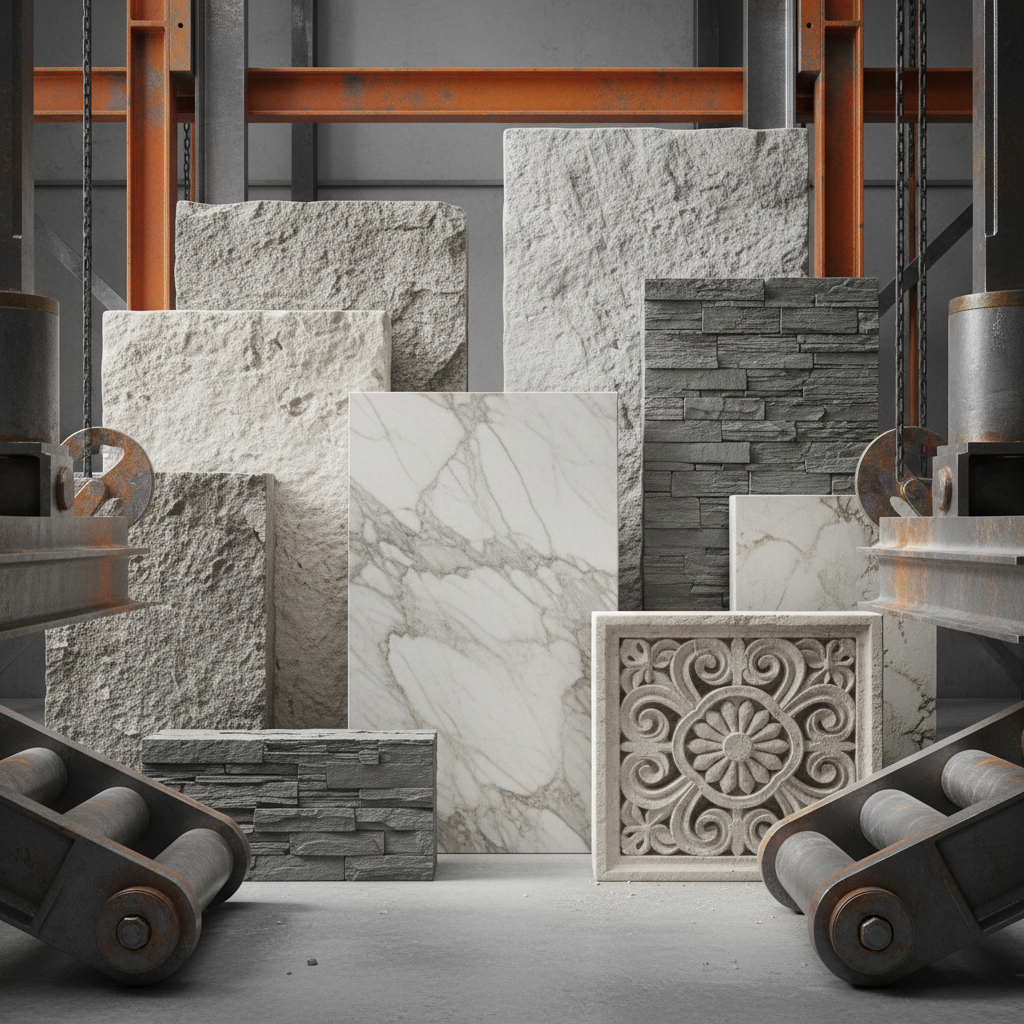
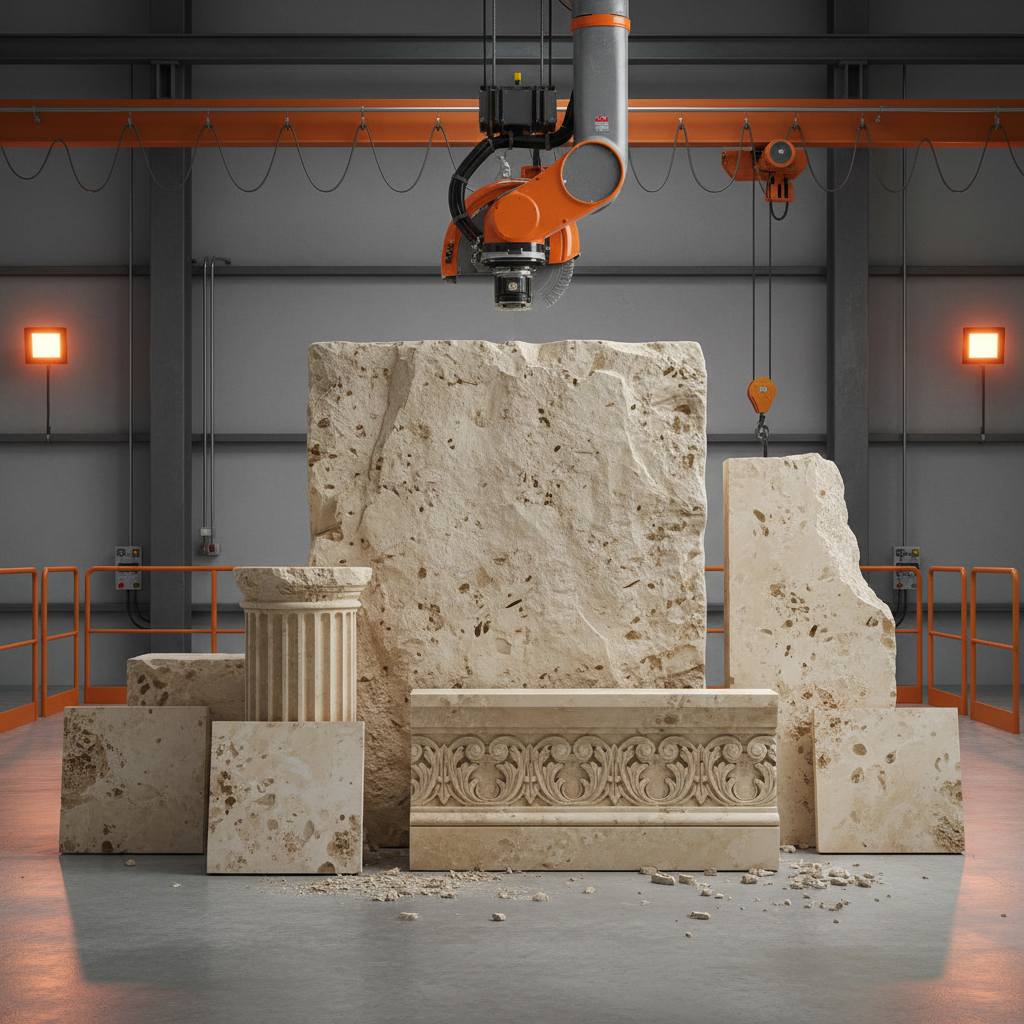
It's exploding. I mean, seriously. A few years ago, stacked stone was mostly for feature walls in fancy houses. Now? It’s cladding entire buildings, showing up in commercial projects, even popping up in landscaping. The demand's driving a lot of new suppliers, which is good for competition, but it also means quality control is…patchy, to say the least. You’ve got the big guys, obviously, stacked stone suppliers like Sonmacistone who've been around forever, and a ton of smaller operations trying to muscle in.
What’s driving it? Speed, mostly. Labor costs are insane. Prefabricating these panels off-site and slapping them on saves a ton of time and money. Plus, the look. People like the natural stone aesthetic. It's warm, it's textured, it doesn't look like…well, it doesn't look like more glass and steel boxes.
Design Pitfalls: Where Things Go Wrong
Have you noticed how architects love to specify these complex, multi-angled designs? Beautiful on paper, a nightmare on site. Seriously. The more cuts you have to make, the more potential for error. And those corners... those are always the first to fail. It's not the stone itself, it’s the detailing.
I also see a lot of designs that don’t account for expansion and contraction. Stone moves, especially with temperature changes. If you don’t build in enough flex, you'll get cracking. Simple stuff, really, but it's overlooked all the time.
And don't even get me started on improper substrate preparation. You can have the best stone in the world, but if you put it on a flimsy, uneven wall, it’s coming down.
Materials: A Hands-On Perspective
The stone itself is…stone. But there are subtle differences. Slate feels cool and smooth, almost velvety. Limestone is more porous, it smells a bit earthy when it's wet. Granite is heavy, dense, and unforgiving. I encountered this at a factory in Italy last time, they were using a really cheap limestone that crumbled if you looked at it wrong. The smell alone was a warning sign.
But the stone is only half the story. It’s the adhesive that really matters. Epoxy-based adhesives are strong, but they’re brittle. Polymer-modified mortars are more flexible, which is good, but they can be messy. And then there are the new hybrid adhesives… honestly, I'm still skeptical. They claim they have the best of both worlds, but I haven’t seen enough long-term performance data to be convinced.
And don’t forget the backer boards. Cement boards are great, but they’re heavy. Lightweight foam boards are easier to work with, but they need to be properly waterproofed. Strangely, a lot of guys skip that step.
Real-World Testing and Performance
Lab tests are fine, but they don’t tell the whole story. I've seen materials pass every test in the book and still fail miserably on site. The real test is how it holds up to wind, rain, temperature swings, and…well, human error.
We do a lot of impact testing ourselves. Just dropping a weight on a panel to see if it cracks. It’s crude, but it gives you a good idea of how durable it is. And we always do a freeze-thaw test. We soak panels in water, then freeze them, then thaw them, and repeat. If it starts to flake apart, it’s a no-go.
Stacked Stone Supplier Performance Metrics
How Stacked Stone is Actually Used
It’s not always how the architects draw it up. I've seen guys using stacked stone as a veneer over concrete block, just to give it a more rustic look. And sometimes they'll mix different types of stone to create a more varied texture. They’ll also use it to patch up existing walls, hide ugly concrete, that sort of thing.
What’s surprising is how often it’s used for interior accent walls. People want that natural look inside their homes now.
Advantages and Disadvantages – The Honest Truth
Look, it’s beautiful. No question. It adds texture and character. It’s also relatively easy to install, especially the pre-fabricated panels. That's a big win. But it's expensive. Way more expensive than vinyl siding or brick. And it's heavy. Really heavy. You need a solid structure to support it.
Another downside? Maintenance. It needs to be sealed periodically to prevent staining and water damage. And if a panel does get damaged, it’s not always easy to replace. You might have to replace the whole wall.
Anyway, I think the biggest advantage is the look. It just elevates a building, makes it feel more…substantial.
Customization and Specific Examples
You can get pretty much any color, size, and texture you want. Last month, that small boss in Shenzhen who makes smart home devices insisted on changing the interface to , and the result was a massive delay because nobody had ordered panels with that connection. Anyway, I digress. With stacked stone, you can ask for custom cuts, different finishes, even different stone combinations.
I had a client who wanted a specific shade of grey limestone. He’d seen it on a building in France. It took months to find a supplier who could match it, but we got there. It was worth it. The finished product looked stunning.
You can also get panels with integrated LED lighting, which is pretty cool. I’m not sure it's practical, but it looks great.
Summary of Stacked Stone Supplier Material Performance
| Material Type |
Weight (kg/m2) |
Water Absorption (%) |
Cost (USD/m2) |
| Slate |
25-35 |
0.5-1.5 |
60-80 |
| Limestone |
20-30 |
1-3 |
40-60 |
| Granite |
30-40 |
0.1-0.5 |
70-100 |
| Travertine |
22-32 |
1.5-4 |
50-70 |
| Quartzite |
28-38 |
0.3-1 |
65-90 |
| Cultural Stone |
18-28 |
2-5 |
30-50 |
FAQS
Honestly? They only look at the price. Cheapest isn't always best. You need to consider the durability, the water absorption rate, and the adhesive compatibility. A cheap panel that falls off in the first rainstorm isn't a bargain. I’ve seen it too many times.
Critical. Absolutely critical. It’s the foundation for everything. If the wall isn’t level, plumb, and structurally sound, the stacked stone won’t stay put. You need a solid, stable surface to adhere it to. Don’t skimp on this step.
Polymer-modified mortars are generally a good choice. They offer good flexibility and adhesion. Avoid epoxy-based adhesives – they tend to be too brittle and can crack in extreme temperatures. Make sure it's rated for exterior use and freeze-thaw cycles.
That depends. A simple feature wall? A couple of days. Cladding an entire building? Weeks. It depends on the size of the project, the complexity of the design, and the skill of the installers. Prefabricated panels speed things up significantly, though.
It can be, but it's tricky. You need flexible panels and a skilled installer. It's more expensive and time-consuming, but it can be done. The key is to use a flexible adhesive and allow for expansion and contraction.
Regular sealing is key. It protects the stone from staining and water damage. Also, inspect it periodically for cracks or loose panels. Catching problems early can prevent bigger issues down the road. And don’t use harsh cleaning chemicals – they can damage the stone.
Conclusion
So, where does that leave us? Stacked stone is a beautiful, durable, and versatile material, but it’s not a magic bullet. It requires careful planning, proper installation, and ongoing maintenance. The industry is booming, but quality varies wildly. Choosing the right supplier and understanding the materials are crucial.
Ultimately, whether this thing works or not, the worker will know the moment he tightens the screw. That's the truth. You can have all the fancy designs and high-tech materials in the world, but if it doesn't feel solid and right in the hands of the guy doing the work, it's going to fail. And then you’ll be hearing from me. You can find more information about quality suppliers at stacked stone suppliers.