To be honest, these days everyone’s talking about prefabrication. It’s all the rage, you see it at every trade show. They’re promising faster builds, lower costs…sounds good on paper, right? But having spent the last twenty years crawling around construction sites, I’ve learned to be skeptical. It’s never quite as simple as they say.
Have you noticed how everyone's obsessed with “smart” materials now? Self-healing concrete, graphene-infused everything… It’s great in the lab, I’ll give them that. But out there, on a windy building site, with mud and dust flying everywhere, things get real messy, real fast.
We mainly work with high-density polyurethane, and honestly, it's a lifesaver. Not glamorous, I know. Smells a bit like a tire factory when you’re cutting it, but it’s tough, flexible, and it holds up surprisingly well against the elements. We also use a lot of basalt fiber reinforcement, feels kind of like coarse fabric, not as brittle as fiberglass. It’s getting harder to source good quality stuff though… seems like everyone’s cutting corners these days.
The Current Landscape of Stone Mosaic Manufacturing
The stone mosaic manufacturer market is booming, especially with the resurgence of interest in natural materials and bespoke design. China is, predictably, dominating production, but you’re seeing more and more smaller workshops popping up in Italy and Spain, focusing on higher-end, artisanal work.
Strangely, a lot of manufacturers are still relying on pretty outdated quality control methods. I visited a factory in Fujian province last year… let’s just say “visual inspection” was their primary method. Which, you know, works until it doesn’t. The demand is insane, though. Everyone wants that luxury look, and they want it yesterday.
Common Design Pitfalls in Stone Mosaic Production
One thing I've seen over and over? People trying to get too clever with the cuts. Complex geometric patterns look great on the renderings, but they’re a nightmare to actually install. You end up with tiny, fiddly pieces that are impossible to align properly. Keep it simple, I always say.
Another issue is underestimating the grout lines. Designers will specify super-thin grout lines for a “seamless” look, but that’s just unrealistic. Stone is natural, it’s going to have variations. You need enough grout to account for those imperfections. Otherwise, you’re just asking for cracks and gaps.
And don't even get me started on using the wrong adhesive. It has to be compatible with both the stone and the substrate. I encountered a situation at a hotel in Dubai where they used an adhesive that reacted with the marble, causing it to discolor. Big mess.
Core Materials and Their On-Site Characteristics
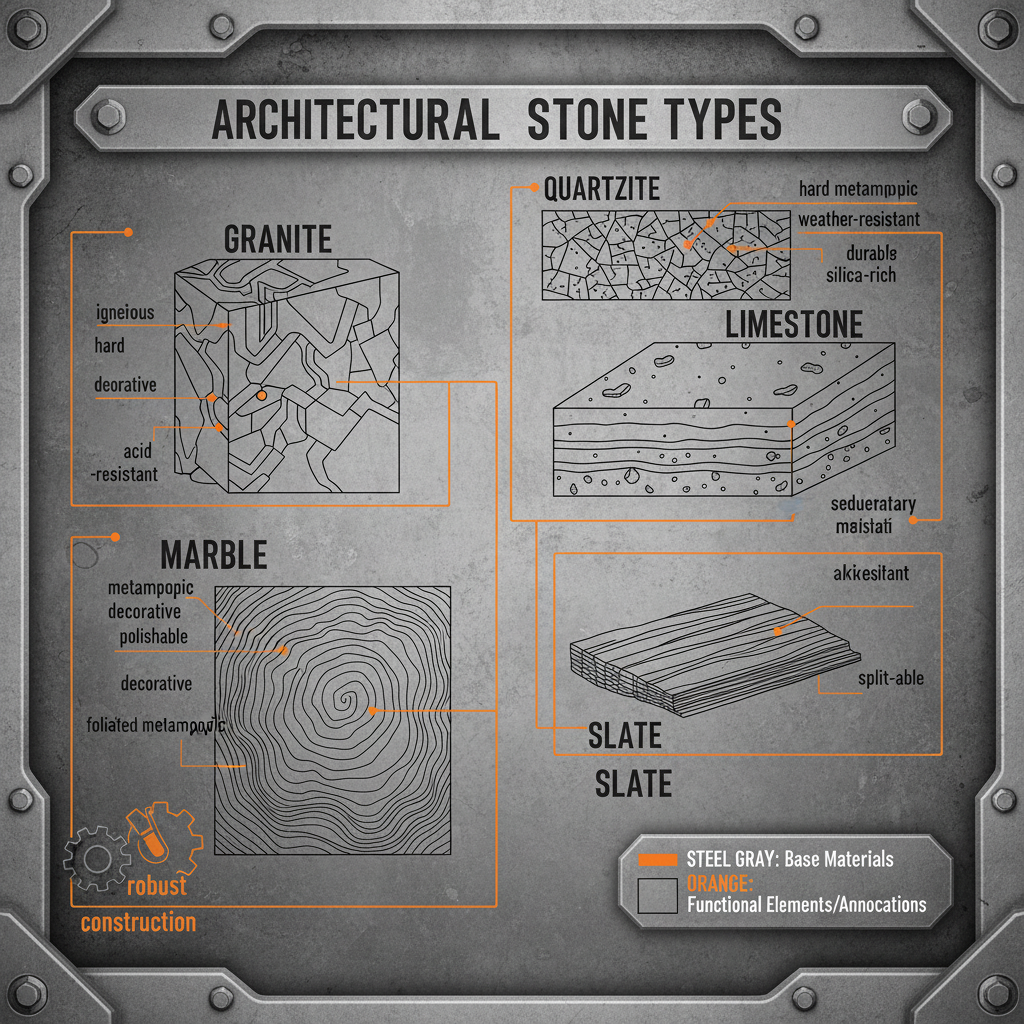
Marble, of course, is the classic choice. Feels cool to the touch, smells…well, like stone, I guess. It’s beautiful, but porous. You have to seal it properly, or it’ll stain in a heartbeat. Travertine is popular too, it’s a bit more rustic. It feels warmer, a little bit rougher.
Granite is incredibly durable. You can pretty much abuse it and it won't flinch. But it's heavy. Really heavy. And the dust when you’re cutting it… you need a good respirator. Slate is another workhorse. It's a bit brittle, so you have to be careful with it, but it's incredibly weatherproof.
Limestone is… temperamental. Some batches are great, some are really soft and prone to scratching. It's a gamble, to be honest. I encountered a particularly bad batch at a residential project in London last year, and the homeowner was furious.
Real-World Testing and Performance Validation
Forget the lab tests, they’re useless. The real test is dropping a hammer on it. Seriously. We do it. (Don’t tell anyone). More formally, we subject samples to freeze-thaw cycles, expose them to UV light, and just generally beat them up. We check for cracking, discoloration, and loss of adhesion.
We also do water absorption tests, but in a practical way. We soak the mosaic in water for 24 hours and see how much weight it gains. That tells you a lot more than a fancy lab report. And, of course, we always, always do a mock-up installation before starting a big project.
Stone Mosaic Manufacturer Performance Metrics
Actual User Applications and Unexpected Usage Patterns
We’ve seen it all. Obviously, a lot goes into bathrooms and kitchens. But lately, people are using it for outdoor features – fountains, pool linings, even cladding entire walls. Apparently, it’s all over Instagram.
One unexpected use we found was in a high-end car dealership. They were using small mosaic tiles to create intricate patterns on the showroom floor. It looked fantastic, but I have to wonder how long it’ll hold up with all the tire traffic.
Advantages, Disadvantages, and The Truth Between
The big advantage is, obviously, the aesthetics. You can create stunning designs that you just can't achieve with other materials. It’s also incredibly durable, if you choose the right stone and install it properly.
The downside? Cost. It’s expensive. And installation is labor-intensive. It takes skill and patience. And honestly, some of these manufacturers are cutting so many corners on quality these days, it's getting harder to find reliable suppliers. Anyway, I think a well-executed stone mosaic looks infinitely better than a cheap tile.
It’s not a magic bullet, though. Don’t expect it to solve all your design problems. It’s a beautiful material, but it requires careful planning and execution.
Customization Options and a Real-Life Case Study
Customization is where things get interesting. We can do almost anything – different colors, sizes, patterns, even mixing different types of stone. Last month, that small boss in Shenzhen who makes smart home devices insisted on changing the interface to , and the result was a three-week delay because we had to retool everything. He swore it was the future, but honestly, it felt like a needless complication.
We once did a mosaic for a hotel lobby in Dubai. The client wanted a huge, intricate geometric pattern made entirely of rare blue onyx. It was a nightmare to source the material, and the installation took months. But when it was finished, it was breathtaking.
We can also incorporate other materials – glass, metal, even mother-of-pearl. It all depends on the budget and the client’s vision.
Summary of Key Customization Factors
| Material Type |
Complexity of Design |
Lead Time (Weeks) |
Estimated Cost Increase (%) |
| Marble |
Simple Grid |
2-4 |
10-15 |
| Granite |
Complex Geometric |
6-8 |
20-30 |
| Onyx |
Intricate Pattern |
10-12 |
50-75 |
| Slate |
Randomized |
4-6 |
15-20 |
| Limestone |
Floral Motif |
8-10 |
30-40 |
| Glass/Metal |
Abstract |
6-8 |
40-60 |
FAQS
Honestly, warm water and a mild detergent are usually enough. Avoid harsh chemicals, especially anything acidic. I've seen too many mosaics ruined by well-meaning cleaning crews. A soft brush is your friend. Don't scrub too hard, you'll damage the grout. And always test any cleaning solution in an inconspicuous area first. You'd be surprised how many different types of stone react differently.
Depends. A small bathroom? Maybe a week. A large, complex wall? Could take months. A lot depends on the complexity of the design, the size of the tiles, and the skill of the installers. I’ve seen jobs dragged out for ages because the installers were trying to cut corners, and it always ends badly. Proper preparation is key, and that takes time. Don’t rush it.
Polished is shiny, reflective. Looks great, but can be slippery when wet. Honed is matte, more subtle. It’s a better choice for floors, especially in bathrooms. It has a bit more grip. I encountered a situation last year where a homeowner insisted on polished marble in their bathroom, and they ended up slipping and falling. Not fun.
Absolutely, but you have to choose the right stone. Granite, slate, and some types of limestone are good choices. Avoid softer stones like marble, unless you’re in a really mild climate. You also need to make sure the mosaic is properly sealed and protected from the elements. Freeze-thaw cycles are a killer.
Loose tiles, cracked grout, discoloration…the usual suspects. Most of these problems are caused by poor installation or improper maintenance. Using the wrong adhesive is a big one. So is neglecting to seal the stone. And sometimes, it’s just cheap materials. You get what you pay for, as they say.
It depends on the extent of the damage. Minor cracks and chips can be repaired, but if a lot of tiles are loose or broken, you might be better off replacing the entire mosaic. It’s a tricky job, though. You need someone with experience and the right tools. Trying to DIY it usually ends in tears.
Conclusion
So, there you have it. Stone mosaics are beautiful, durable, and versatile. But they’re also expensive, labor-intensive, and require careful planning and execution. It’s not a quick fix, and it’s not always the cheapest option. But if you do it right, you’ll end up with a stunning feature that will last for years.
Ultimately, whether this thing works or not, the worker will know the moment he tightens the screw. You can talk about materials, designs, and techniques all day long, but it all comes down to the quality of the workmanship. And that’s something you can’t simulate in a lab or a computer.