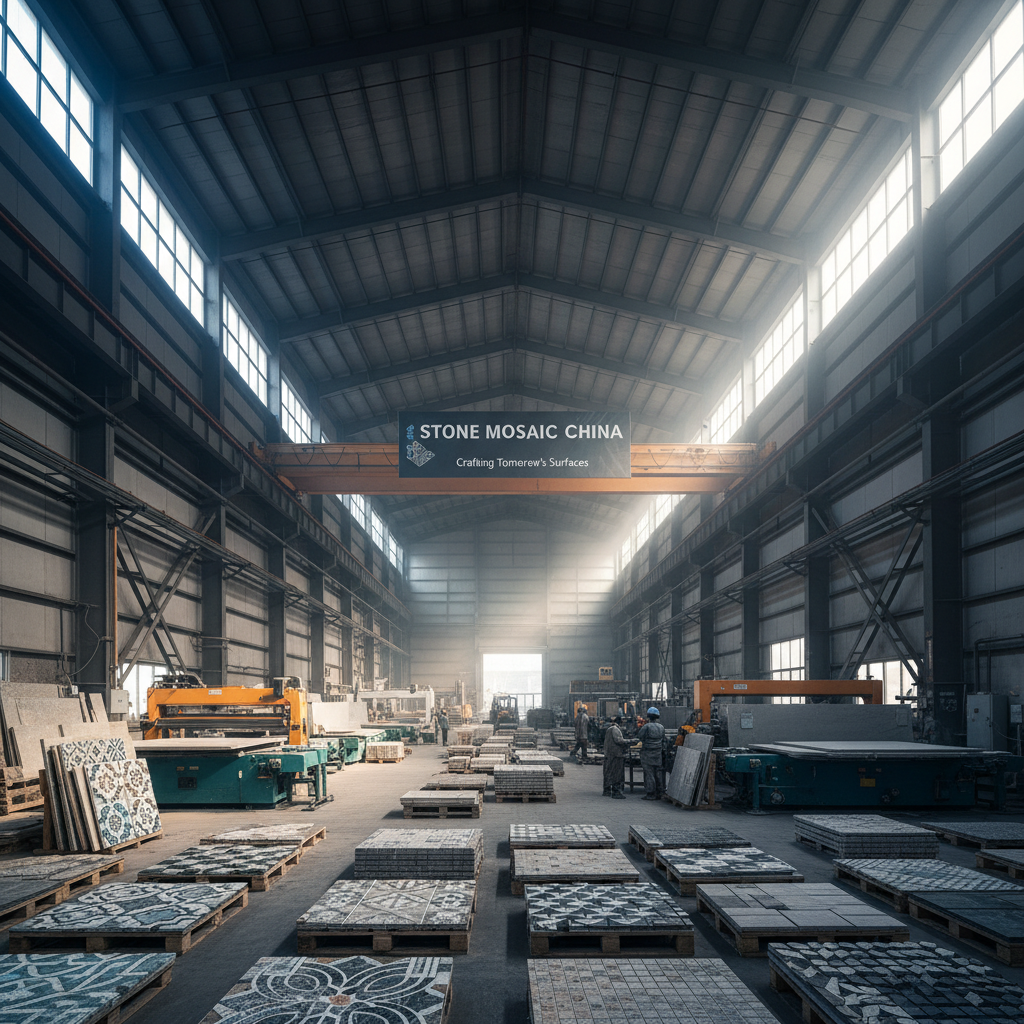
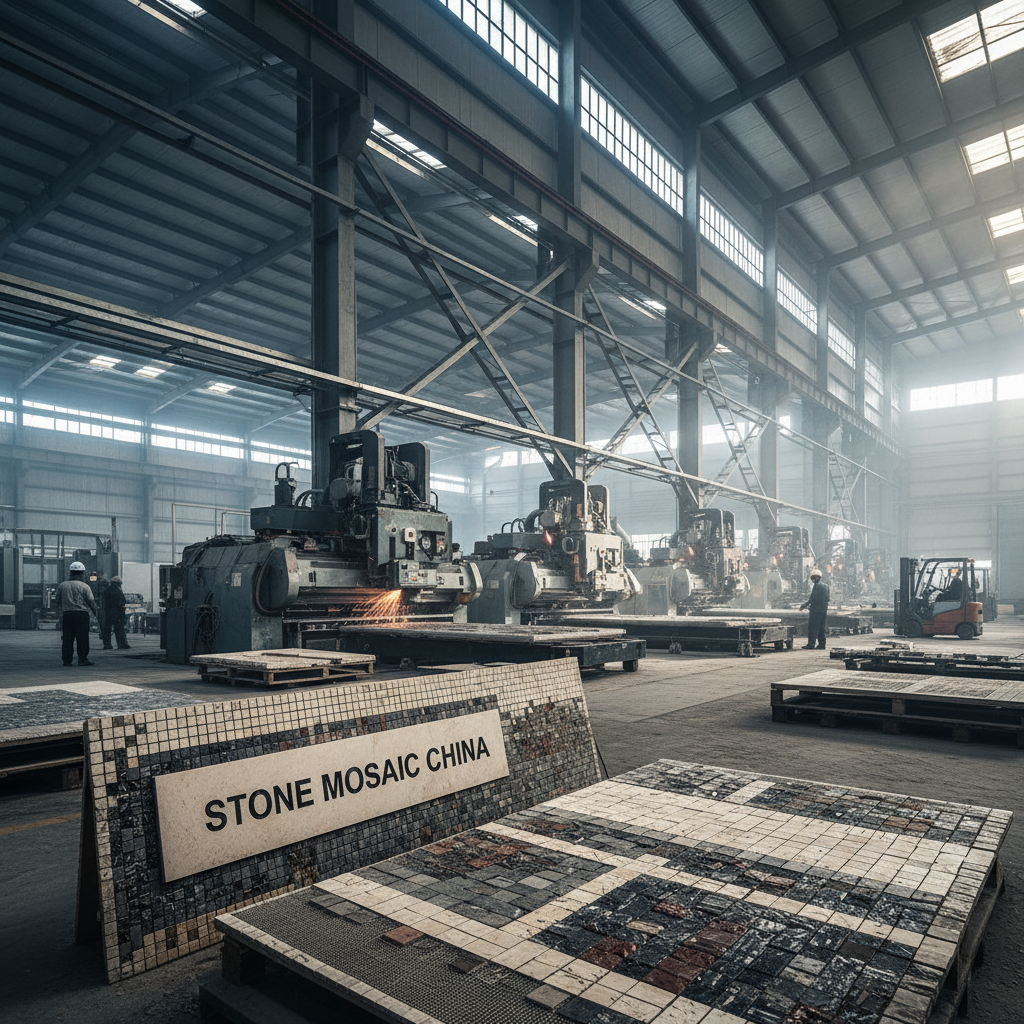
Stone mosaic china represents a captivating fusion of ancient artistry and contemporary design. Globally, it holds significance as a testament to China’s rich cultural heritage and its evolving role in the international arts and décor market. The demand for authentic, high-quality stone mosaics from China is steadily increasing, driven by appreciation for its intricate designs, durability, and versatility in a range of applications, from residential interiors to large-scale architectural projects. Understanding the nuances of this art form – from the types of stone used to the techniques employed – is crucial for designers, architects, and enthusiasts alike.
The production of stone mosaic china contributes significantly to the Chinese economy, providing employment opportunities and fostering specialized craftsmanship. It’s a sector that balances traditional methods with modern manufacturing processes, adapting to evolving market trends and sustainability concerns. The increasing global interest also stimulates innovation in mosaic design and materials, driving exports and strengthening China's position as a leading producer of these decorative elements. This has resulted in increased export values, currently estimated at over $500 million annually according to the China National Bureau of Statistics.
However, ensuring ethical sourcing, maintaining quality control, and addressing environmental impacts are ongoing challenges that require industry-wide collaboration and adherence to international standards. By understanding the intricacies of stone mosaic china – its history, production, application, and potential – stakeholders can contribute to its sustainable growth and continued appreciation on a global scale.
The Historical Development of stone mosaic china
The history of stone mosaic china stretches back millennia, with early examples found in archaeological sites dating to the Han Dynasty (206 BC – 220 AD). Initially, these mosaics were primarily used to adorn the tombs of nobility, showcasing scenes of daily life, mythology, and symbolic imagery. These early mosaics often utilized naturally colored pebbles and stones, skillfully arranged to create intricate patterns and narratives.
Over centuries, the techniques and materials evolved, incorporating more refined stone cutting and polishing methods, as well as a wider range of stone types, including marble, granite, and jade. During the Tang Dynasty (618–907 AD), stone mosaic art flourished, becoming increasingly prominent in both secular and religious contexts. The Silk Road played a vital role in introducing new artistic influences and techniques, shaping the development of this unique art form.
Materials and Techniques in stone mosaic china
Stone mosaic china leverages a diverse palette of natural stones, each contributing unique color, texture, and durability. Commonly used materials include marble, granite, slate, travertine, and various types of pebbles. The selection of stone is crucial, based not only on aesthetic qualities but also on its ability to withstand environmental factors and maintain its vibrancy over time. Different stone types require different cutting and polishing techniques to achieve the desired finish.
Traditional techniques involve hand-cutting and shaping each individual tessera (stone piece), a painstaking process requiring immense skill and precision. Modern techniques incorporate advanced machinery for cutting and polishing, enhancing efficiency and consistency. The opson method, where tesserae are directly embedded into a mortar bed, remains a prevalent approach, although variations using adhesive backing are also common.
The artistry also lies in andamento – the flow and arrangement of the tesserae. Skilled artisans utilize andamento to create dynamic patterns, emphasize focal points, and convey a sense of movement within the mosaic. The choice of grout color significantly impacts the overall aesthetic, highlighting or softening the stone’s natural tones.
The Significance of Regional Styles in stone mosaic china
Stone mosaic china isn't monolithic; distinct regional styles have emerged over centuries, reflecting local traditions, available materials, and artistic preferences. The mosaics of Suzhou, for instance, are renowned for their delicate floral designs and intricate craftsmanship, often utilizing white marble and soft-colored stones to create serene and elegant compositions.
Conversely, the mosaics of Yunnan province showcase bolder colors and more abstract patterns, often incorporating vibrant pebbles and natural stone formations. The coastal regions exhibit a preference for marine-themed mosaics, depicting fish, shells, and waves, utilizing a wider range of stone colors and textures to evoke the ocean's energy.
Understanding these regional variations provides valuable insights into the cultural and historical context of stone mosaic china. Each style tells a story, reflecting the unique artistic sensibilities and environmental influences of its origin. Collectors and designers often seek out specific regional styles to add authenticity and character to their projects.
Durability and Maintenance of stone mosaic china
One of the key advantages of stone mosaic china is its exceptional durability. Natural stone is inherently resistant to wear, fading, and damage from moisture and temperature fluctuations. Properly installed and maintained, a stone mosaic can last for generations, becoming a cherished heirloom. The lifespan, however, is dependent on the stone type, installation method, and level of exposure to harsh conditions.
Regular maintenance involves gentle cleaning with mild detergents and water. Avoid abrasive cleaners or harsh chemicals, which can damage the stone’s surface. Sealing the mosaic periodically with a stone sealer can enhance its stain resistance and protect it from moisture penetration. Promptly address any spills or stains to prevent discoloration or damage.
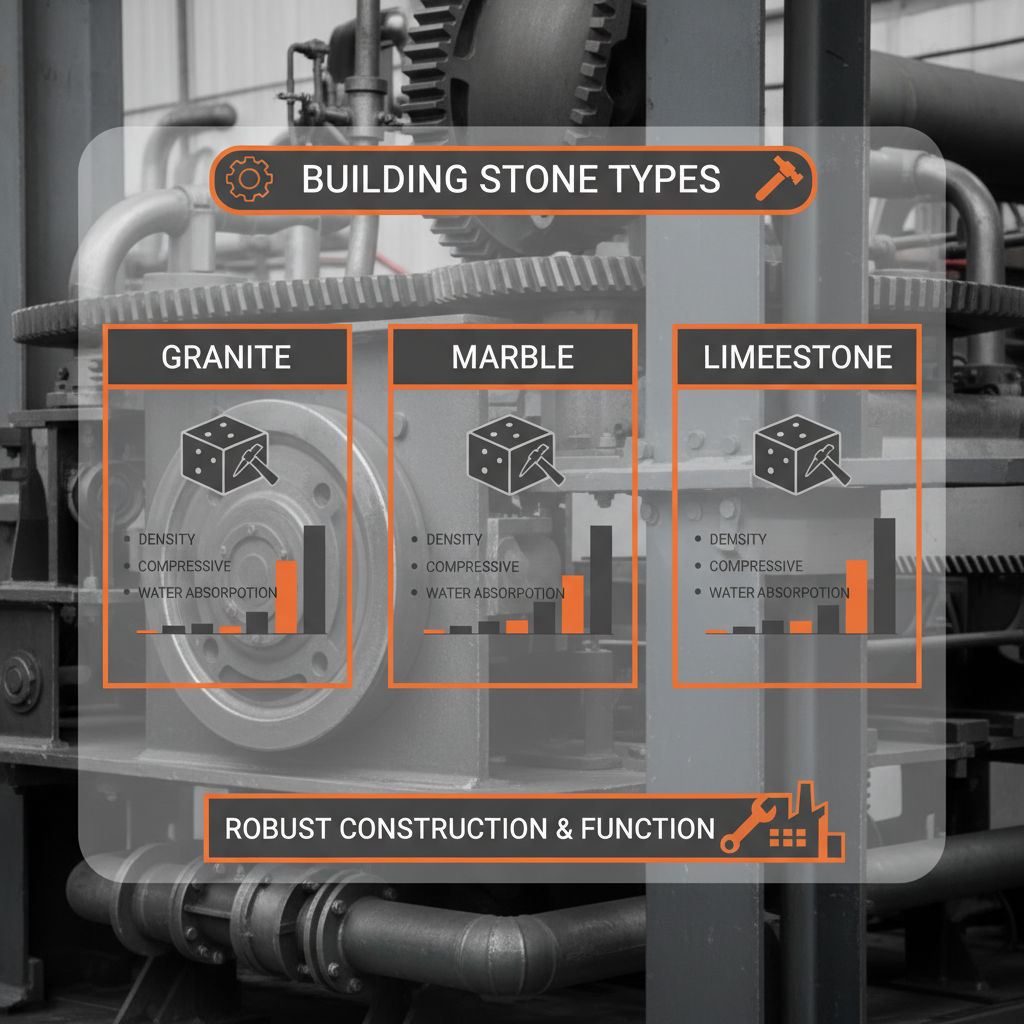
Stone Mosaic China Durability Ratings
Applications of stone mosaic china in Modern Design
Stone mosaic china has experienced a resurgence in popularity in modern design, offering a timeless aesthetic and unparalleled versatility. It’s commonly used for flooring, wall coverings, backsplashes, and decorative accents in both residential and commercial spaces. Its ability to add texture, color, and visual interest makes it a favored choice for designers seeking to create unique and impactful environments.
Beyond traditional applications, stone mosaic china is increasingly being incorporated into contemporary art installations and outdoor landscaping projects. Its natural beauty and durability make it suitable for a wide range of climates and design styles, from minimalist modern to rustic farmhouse.
The Economic Impact of stone mosaic china
The production and export of stone mosaic china contribute significantly to the Chinese economy, particularly in regions rich in stone resources. The industry provides employment for skilled artisans, quarry workers, and manufacturing personnel. The export market generates substantial revenue, with key destinations including North America, Europe, and the Middle East.
The demand for high-quality stone mosaic china continues to grow, driven by increasing global interest in unique and handcrafted decorative elements. Government initiatives supporting the arts and crafts sector also play a role in fostering the industry's growth. Investment in modern manufacturing technologies and sustainable practices is crucial for maintaining competitiveness and ensuring long-term economic viability.
However, the industry faces challenges related to fluctuating material costs, increasing labor costs, and competition from other countries. Innovation in design and manufacturing processes, coupled with a focus on quality and sustainability, will be essential for navigating these challenges and sustaining economic growth.
Sustainability and Ethical Considerations in stone mosaic china
Increasingly, consumers and designers are prioritizing sustainability and ethical sourcing in their purchasing decisions. The stone mosaic china industry is responding to this demand by adopting more environmentally responsible practices. These include utilizing locally sourced materials, minimizing waste during production, and implementing water conservation measures.
Ethical considerations are also paramount, ensuring fair labor practices and safe working conditions for all involved in the production process. Transparency in the supply chain is crucial for verifying the origin of materials and ensuring compliance with environmental and labor standards. Certifications such as ISO 14001 (Environmental Management) and SA8000 (Social Accountability) can provide assurance to consumers.
The use of recycled stone materials and the development of eco-friendly adhesives and grouts are further steps towards creating a more sustainable and responsible industry. By embracing these practices, the stone mosaic china industry can minimize its environmental impact and contribute to a more sustainable future.
Overview of Sustainability Metrics in Stone Mosaic China Production
| Stone Source Origin |
Waste Reduction Rate |
Water Usage Efficiency |
Ethical Labor Compliance |
| Local Quarry Sourcing |
90% |
85% Recycling |
Full SA8000 Certification |
| Regional Stone Suppliers |
85% |
70% Water Reuse |
High Compliance |
| Imported Stone (Limited) |
70% |
60% Optimized Usage |
Moderate Compliance |
| Recycled Stone Materials |
95% |
90% Closed-Loop System |
Full Compliance |
| Sustainable Stone Farms |
80% |
75% Water Conservation |
Excellent Compliance |
| Traditional Quarry Methods |
60% |
50% Limited Controls |
Variable Compliance |
FAQS
Stone mosaic china stands out due to its inherent durability, natural beauty, and resistance to fading. Unlike glass or ceramic mosaics, stone offers a unique texture and variation in color, creating a more organic and sophisticated look. Its thermal properties also make it suitable for both indoor and outdoor applications. Furthermore, genuine stone retains its value longer, making it a worthwhile investment. The quality and artistry in stone mosaic china sets it apart.
With proper installation and regular maintenance, a stone mosaic china installation can last for decades, even centuries. Natural stone is remarkably resilient. The lifespan largely depends on the specific stone type (granite being the most durable), the quality of the installation, and the level of exposure to harsh weather conditions or heavy foot traffic. Periodic resealing and gentle cleaning are essential for preserving its beauty and longevity.
Stone mosaic china can be both eco-friendly and cost-effective, depending on sourcing and production practices. Choosing locally sourced stone minimizes transportation emissions. Utilizing recycled stone materials further enhances its sustainability. While the initial cost may be higher than some alternatives, its durability and longevity translate to long-term savings due to reduced replacement needs. Ethical production and sustainable sourcing are key considerations.
The lead time for a custom stone mosaic china project varies depending on the complexity of the design, the availability of materials, and the artisan's workload. Typically, a project can take anywhere from 4 to 12 weeks from design approval to delivery. Larger, more intricate mosaics with unique stone selections will require longer lead times. Clear communication and collaboration with the artisan are crucial for accurate scheduling.
Regular cleaning should involve sweeping or vacuuming to remove loose debris, followed by gentle washing with a pH-neutral detergent and warm water. Avoid abrasive cleaners, bleach, or acidic solutions, as these can damage the stone. Periodic resealing (every 1-3 years) is recommended to protect against staining and moisture penetration. Promptly address spills to prevent discoloration.
Yes, certain types of stone mosaic china are well-suited for outdoor applications. Granite, slate, and some types of marble are particularly durable and resistant to weathering. However, it's essential to choose stones with a low water absorption rate and ensure proper sealing to prevent damage from freezing and thawing cycles. Proper installation with appropriate drainage is also crucial for long-term performance.
Conclusion
In conclusion, stone mosaic china is a compelling blend of artistry, durability, and cultural heritage. From its ancient origins to its contemporary applications, it continues to captivate designers, architects, and art enthusiasts worldwide. Its versatility, longevity, and increasing focus on sustainability make it a valuable asset in a diverse range of projects, enhancing aesthetic appeal and providing lasting value.
Looking ahead, continued innovation in stone sourcing, manufacturing processes, and design techniques will further elevate the quality and appeal of stone mosaic china. Embracing sustainable practices, ethical sourcing, and skilled craftsmanship are essential for ensuring its long-term viability and preserving its cultural significance. Visit our website at stone mosaic china to explore our exquisite collection and discover the timeless beauty of stone mosaic art.