Masonry stone types represent a fundamental element in construction and design, with a rich history spanning civilizations. From the pyramids of Egypt to modern-day homes, stone has provided durable, aesthetically pleasing, and sustainable building solutions. Understanding the various masonry stone types – their properties, applications, and evolving technologies – is crucial for architects, engineers, contractors, and anyone involved in the built environment. The global demand for durable and sustainable building materials continues to drive innovation and refinement within the realm of masonry stone types.
The significance of understanding masonry stone types extends beyond mere construction. Proper selection and application influence structural integrity, energy efficiency, and the overall longevity of a building. Globally, there’s a growing focus on sustainable building practices, and natural stone, with its low embodied energy and minimal environmental impact, is gaining prominence. The United Nations Sustainable Development Goals (SDGs), particularly Goal 9 (Industry, Innovation, and Infrastructure) and Goal 11 (Sustainable Cities and Communities), are directly impacted by advancements and responsible use of materials like masonry stone types.
Ultimately, knowledge of these materials empowers informed decision-making, leading to safer, more durable, and environmentally responsible structures. The benefits include reduced maintenance costs, enhanced building aesthetics, and a positive contribution to sustainable development initiatives worldwide. Mastering the nuances of masonry stone types is vital for professionals seeking to create enduring and impactful built landscapes.
The Significance of Masonry Stone Types
Throughout history, masonry stone types have been central to human civilization, providing the foundation for iconic structures and everyday buildings. The enduring appeal of stone lies in its inherent strength, natural beauty, and versatility. Different masonry stone types possess unique characteristics that make them suitable for specific applications, ranging from load-bearing walls to decorative facades.
Selecting the appropriate masonry stone type is crucial for ensuring the longevity, structural integrity, and aesthetic appeal of any project. Understanding the geological origins, physical properties, and weathering characteristics of various stones allows for informed decision-making, optimizing performance and minimizing maintenance requirements. The proper utilization of masonry stone types directly impacts the sustainability and resilience of built environments.
Defining Masonry Stone Types
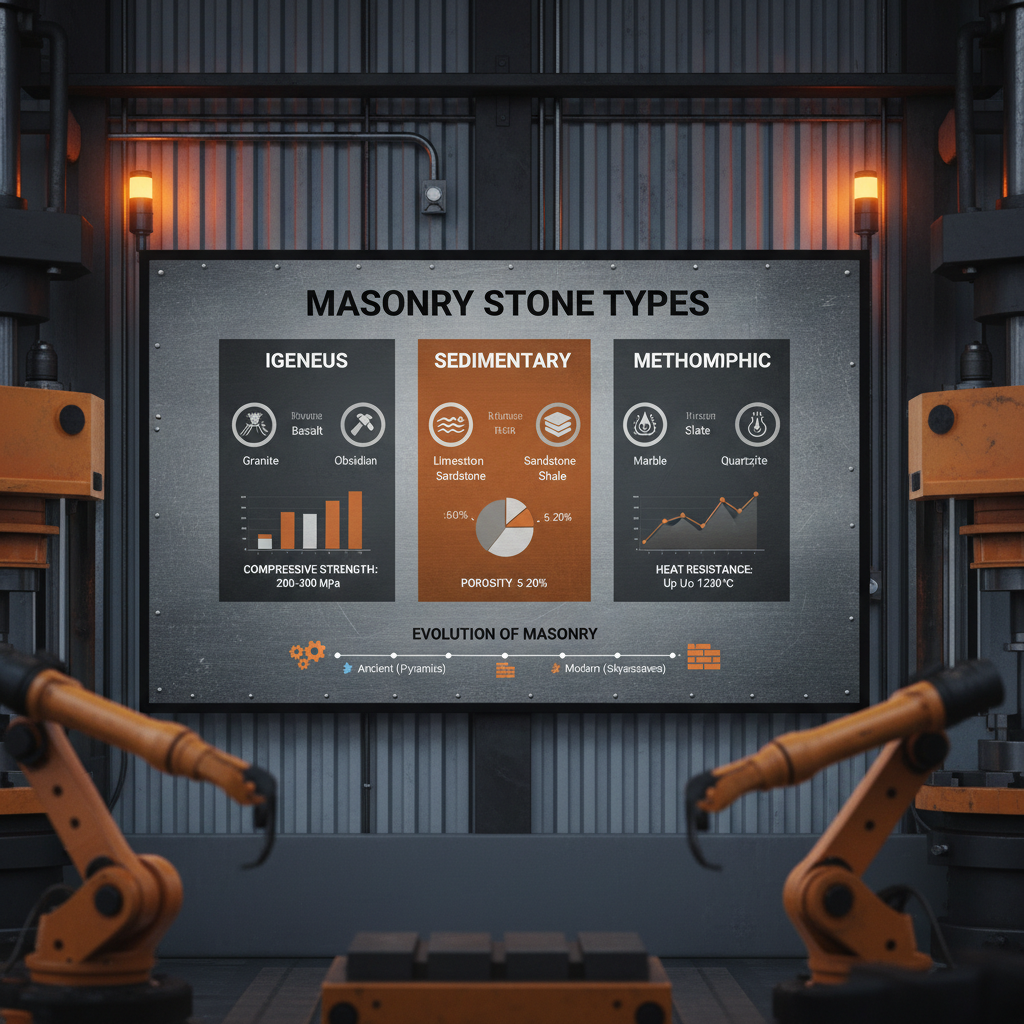
Masonry stone types broadly refer to natural rock materials used in construction. These materials are selected for their strength, durability, and aesthetic qualities. Unlike manufactured materials, masonry stones are formed through geological processes, resulting in unique variations in color, texture, and composition. The classification of masonry stone types often depends on their origin (igneous, sedimentary, or metamorphic) and their specific mineral content.
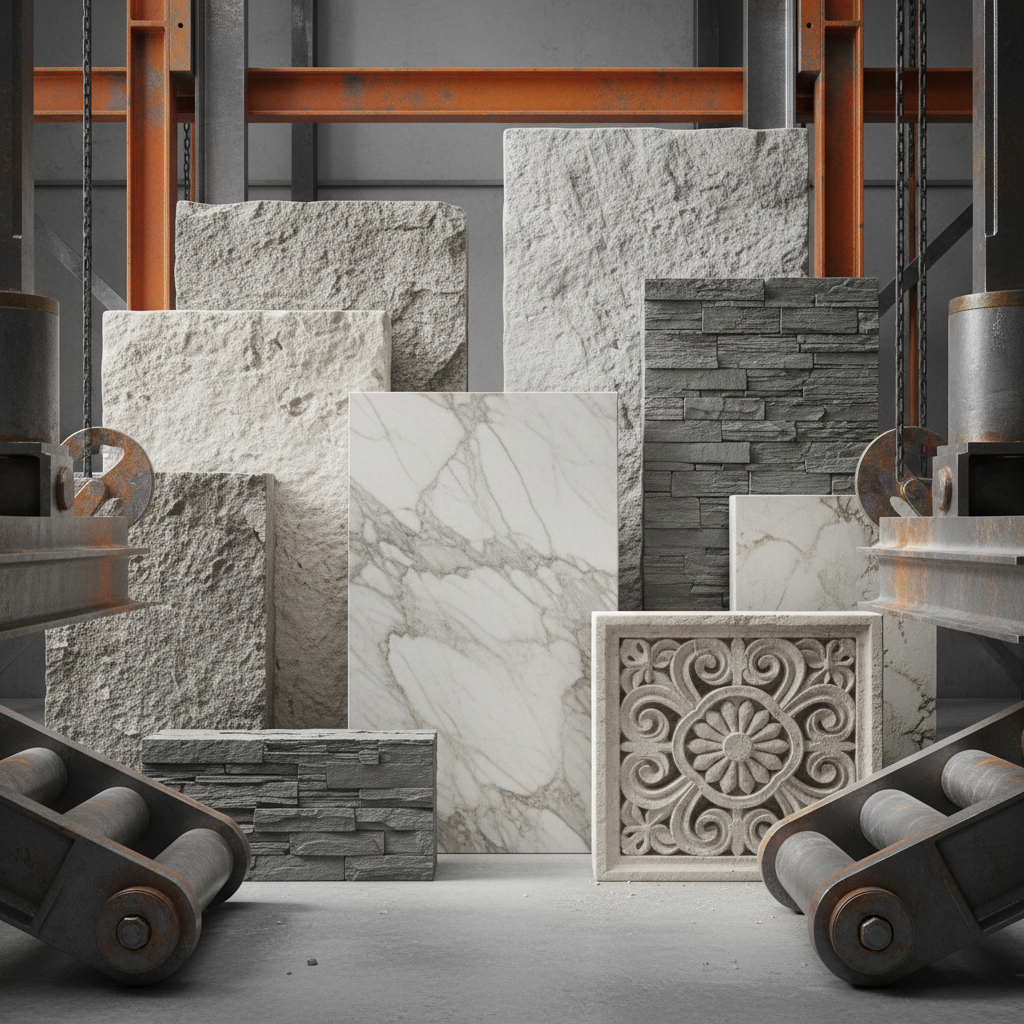
Common masonry stone types include granite, limestone, sandstone, slate, and marble. Each type offers distinct advantages and disadvantages based on its properties. For example, granite is renowned for its exceptional hardness and resistance to weathering, while limestone is prized for its workability and aesthetic appeal. The choice of stone depends heavily on the project's requirements and the desired visual outcome.
The selection process also considers factors such as cost, availability, and environmental impact. Understanding the nuances of each masonry stone type is essential for creating structures that are both functional and aesthetically pleasing, aligning with modern construction practices and sustainable design principles.
Key Characteristics of Masonry Stone Types
Several key characteristics define the suitability of different masonry stone types for specific applications. These include compressive strength, which measures the stone's ability to withstand loads; porosity, affecting its resistance to water absorption and freeze-thaw damage; and durability, reflecting its long-term resistance to weathering and erosion.
Another crucial factor is the stone's aesthetic appeal, encompassing its color, texture, and pattern. These elements contribute significantly to the visual impact of a building. Furthermore, the workability of a stone – how easily it can be cut, shaped, and polished – influences construction costs and design possibilities. The density and specific gravity also play crucial roles in structural calculations.
Understanding these characteristics allows architects and engineers to select the most appropriate masonry stone types for their projects, optimizing performance and ensuring long-term stability. Testing and certification standards, such as those set by ASTM International, provide valuable data on the properties of different stones, facilitating informed decision-making.
Durability and Performance Metrics
Assessing the durability of masonry stone types requires a comprehensive understanding of various performance metrics. Compressive strength, measured in pounds per square inch (psi) or megapascals (MPa), is a primary indicator of a stone’s ability to withstand loads. Flexural strength, resistance to bending, is another important consideration.
Water absorption rates, expressed as a percentage, determine a stone’s susceptibility to freeze-thaw damage and efflorescence. Porosity, the amount of void space within the stone, also impacts water absorption. Abrasion resistance, measured using methods like the ASTM C241 test, indicates a stone’s resistance to wear and tear.
Comparative Durability of Masonry Stone Types
Global Applications of Masonry Stone Types
Masonry stone types find diverse applications worldwide, ranging from monumental structures to residential buildings. In Europe, limestone and sandstone are widely used for historic restoration projects and new construction, particularly in regions with abundant local quarries. In North America, granite and marble are favored for their durability and aesthetic appeal in commercial buildings and landscaping.
Across Asia, particularly in countries like India and China, sandstone and slate are prevalent in traditional architecture and modern developments alike. In post-disaster relief operations, masonry stone types offer a durable and sustainable alternative to temporary shelters. In remote industrial zones, stone provides a robust and long-lasting building material.
Advantages and Long-Term Value
The advantages of utilizing masonry stone types are numerous and extend beyond mere structural integrity. Cost-effectiveness, especially considering the material's longevity and minimal maintenance requirements, is a significant benefit. Sustainability is another key advantage, as stone is a natural material with a low embodied energy compared to many manufactured alternatives.
From a social impact perspective, stone construction provides local employment opportunities and supports traditional craftsmanship. The inherent fire resistance of stone enhances building safety, while its thermal mass contributes to energy efficiency, reducing heating and cooling costs. Ultimately, utilizing masonry stone types fosters a sense of permanence, quality, and trust, enhancing the value of any construction project.
Future Trends in Masonry Stone Types
The future of masonry stone types is marked by several emerging trends. Technological advancements in quarrying and processing techniques are increasing efficiency and reducing waste. The integration of digital tools, such as Building Information Modeling (BIM), allows for more precise design and fabrication, minimizing material usage and optimizing construction processes.
There’s a growing focus on utilizing recycled and reclaimed stone, promoting circular economy principles. The development of innovative stone composites, combining natural stone with polymers or other materials, enhances durability and expands design possibilities. Furthermore, the demand for sustainable building materials is driving research into eco-friendly stone treatments and preservation techniques.
Smart stone materials, incorporating sensors for monitoring structural health, are also emerging, potentially revolutionizing building maintenance and safety protocols. These innovations contribute to a more sustainable and resilient built environment.
Summary of Factors Influencing Masonry Stone Type Selection
| Stone Type |
Typical Applications |
Durability Rating (1-10) |
Sustainability Score (1-10) |
| Granite |
Countertops, paving, exterior cladding |
9 |
7 |
| Limestone |
Facades, flooring, decorative elements |
6 |
8 |
| Sandstone |
Walls, walkways, landscaping |
7 |
8 |
| Slate |
Roofing, flooring, wall cladding |
8 |
9 |
| Marble |
Interior finishes, sculptures, monuments |
5 |
6 |
| Travertine |
Flooring, wall cladding, outdoor paving |
6 |
7 |
FAQS
Granite is an igneous rock known for its durability, resistance to scratching, and relatively uniform grain structure. Marble, a metamorphic rock, is softer, more porous, and often exhibits veining patterns. Granite is generally more suitable for high-traffic areas and exterior applications due to its superior hardness, while marble is often preferred for interior decorative elements.
Higher porosity means a stone absorbs more water. In climates with freeze-thaw cycles, this absorbed water can expand when frozen, causing cracking and deterioration. Stones with low porosity, like granite, are more resistant to this damage. Treatments can also be applied to less porous stones to reduce water absorption and enhance their durability for outdoor applications.
Limestone is susceptible to weathering and erosion, particularly in humid climates. The high moisture content can promote the growth of biological organisms like algae and moss, discolouring the stone. Efflorescence, the migration of salts to the surface, can also occur, creating a white, powdery residue. Regular cleaning and protective coatings are essential for maintaining limestone's appearance and longevity.
Yes, slate is an excellent roofing material in areas with heavy snowfall. Its density and impermeability prevent water absorption, minimizing the risk of freeze-thaw damage. Slate’s natural cleavage allows it to shed snow and ice effectively, reducing the load on the roof structure. However, proper installation is crucial to ensure watertightness and prevent slippage.
Quarrying any natural stone has an environmental impact, including habitat disruption, energy consumption, and potential dust pollution. The severity of the impact varies depending on the quarrying methods used and the specific stone type. Sustainable quarrying practices, such as land reclamation and water recycling, can mitigate these effects. Choosing locally sourced stone can also reduce transportation emissions.
The compressive strength of a masonry stone type is typically determined through laboratory testing, adhering to standards like ASTM C170. This test involves subjecting a stone specimen to increasing compressive loads until it fails. You can obtain compressive strength data from stone suppliers, material testing laboratories, or manufacturers' specifications. It’s important to ensure the data is reliable and relevant to the specific stone you intend to use.
Conclusion
Throughout this exploration, we’ve underscored the enduring importance of masonry stone types in construction and design. From their historical significance to their modern applications, these materials offer a unique blend of durability, aesthetics, and sustainability. Understanding the distinct characteristics of each stone type—granite, limestone, sandstone, slate, marble, and others—empowers informed decision-making for architects, engineers, and builders alike. The benefits extend beyond structural integrity to include long-term value, reduced maintenance, and a positive environmental footprint.
Looking ahead, the future of masonry stone types will be shaped by technological innovations, a growing emphasis on sustainability, and a commitment to responsible quarrying practices. Embracing these trends will allow us to unlock the full potential of these remarkable materials, creating buildings and infrastructure that are not only beautiful and functional but also resilient and environmentally sound. Visit our website at www.sonmacistone.com to explore our extensive range of masonry stone types and discover how we can help you bring your vision to life.