Different types of stone for houses have been utilized for centuries, evolving from basic shelter construction to sophisticated architectural designs. Globally, the demand for natural stone in construction is experiencing steady growth, driven by factors like increasing urbanization, a desire for sustainable building materials, and the aesthetic appeal of stone. According to the UN, sustainable housing is a critical component of achieving Sustainable Development Goal 11: Sustainable Cities and Communities, and stone provides a durable, long-lasting option.
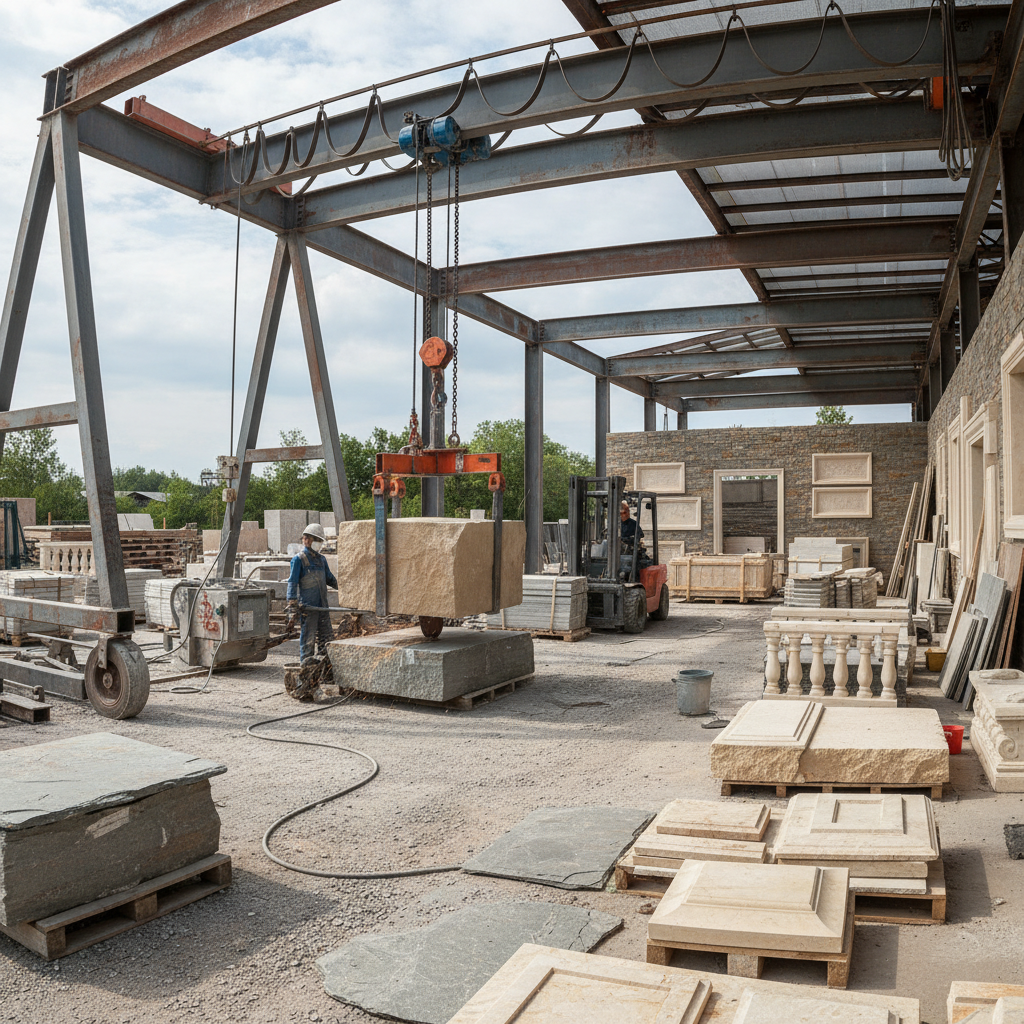
The industry surrounding different types of stone for houses encompasses quarrying, processing, and installation, contributing significantly to local economies. The World Bank highlights the importance of resilient infrastructure, and stone's inherent strength makes it suitable for areas prone to natural disasters. However, challenges remain in ensuring responsible sourcing and minimizing environmental impact, driving innovation in extraction and processing techniques.
Understanding the diverse characteristics of different types of stone for houses is essential for architects, builders, and homeowners alike. Choosing the right stone can impact a building’s structural integrity, aesthetic appeal, energy efficiency, and long-term maintenance costs. This knowledge empowers informed decision-making, leading to more sustainable and aesthetically pleasing built environments.
The Global Relevance of Different Types of Stone for Houses
The use of different types of stone for houses is a global phenomenon, deeply rooted in regional geology and architectural traditions. From the limestone structures of Europe to the sandstone homes of the American Southwest and the granite dwellings of Scandinavia, stone provides a natural and enduring building material. The ISO standards for natural stone emphasize quality control and sustainable practices, furthering its global acceptance.
A significant challenge facing the industry is balancing the demand for stone with the need for environmental responsibility. Quarrying can have ecological impacts, necessitating careful planning and reclamation efforts. Furthermore, the transportation of stone over long distances contributes to carbon emissions. Innovations in stone processing, such as reduced-water cutting techniques, are addressing these concerns.
Defining Different Types of Stone for Houses
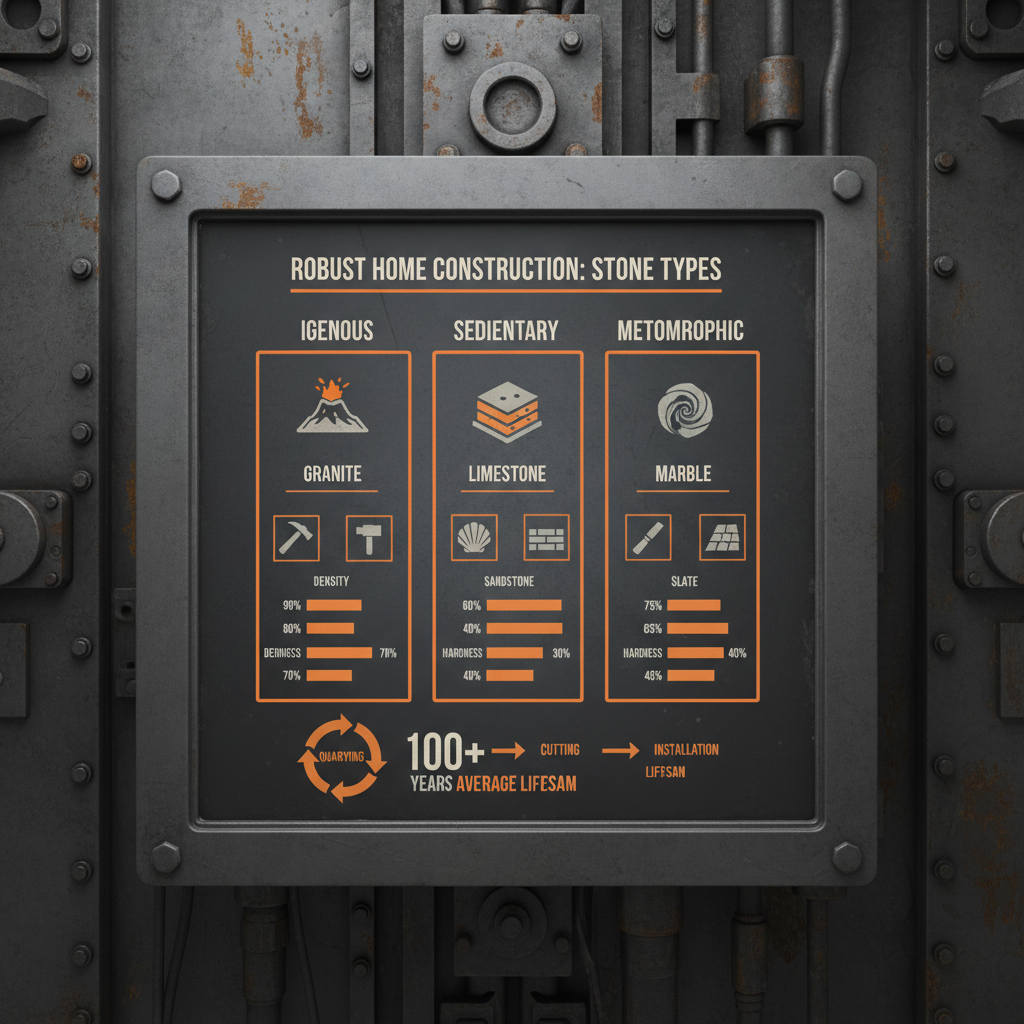
Different types of stone for houses encompass a wide range of natural materials, each with unique properties and aesthetic qualities. These materials are broadly categorized into igneous (formed from cooled magma, like granite), sedimentary (formed from accumulated sediments, like limestone and sandstone), and metamorphic (formed from transformed existing rocks, like marble and slate). Understanding these categories is crucial for selecting the appropriate stone for a specific application.
The choice of stone is often determined by factors like local availability, climate, and desired architectural style. For example, limestone is favored in regions with abundant limestone deposits, while granite is preferred in areas requiring high durability. Stone’s connection to modern industry isn’t limited to construction; it impacts landscaping, interior design, and even renewable energy solutions.
Effective utilization of different types of stone for houses requires a thorough understanding of their physical and chemical properties. Porosity, permeability, compressive strength, and resistance to weathering all play a role in determining a stone’s suitability for various building components. Proper stone selection ensures the long-term performance and aesthetic appeal of a structure.
Key Characteristics of Different Types of Stone for Houses
Several key characteristics define the suitability of different types of stone for houses. Durability is paramount, with granite and basalt offering exceptional resistance to wear and tear. Aesthetic Appeal varies significantly, ranging from the warm tones of sandstone to the classic elegance of marble.
Thermal Properties influence a building’s energy efficiency, with stone’s mass providing thermal inertia – absorbing heat during the day and releasing it at night. Water Resistance is crucial in preventing damage from freeze-thaw cycles and moisture penetration. Workability determines how easily the stone can be cut, shaped, and installed. different types of stone for houses provide varying degrees of these qualities.
Cost is a significant consideration, with prices varying based on rarity, availability, and processing requirements. Limestone and sandstone are generally more affordable than granite and marble. Understanding these core characteristics empowers builders and homeowners to make informed decisions, balancing aesthetics, performance, and budget. Proper consideration of these factors ensures a lasting and beautiful structure.
Ultimately, the optimal choice of stone depends on the specific project requirements and desired outcome. A careful evaluation of these key characteristics is essential for maximizing the benefits of this natural and versatile building material.
Durability and Longevity of Stone Construction
Durability is arguably the most significant advantage of using different types of stone for houses. Unlike many modern building materials, natural stone is incredibly resistant to weathering, fire, and pests. Structures built from stone have stood for centuries, testament to its inherent longevity. Granite, for instance, boasts a compressive strength that far exceeds that of concrete or brick.
The long lifespan of stone construction translates to reduced maintenance costs and a lower environmental impact over the building’s lifecycle. While initial costs may be higher than some alternatives, the reduced need for repairs and replacements ultimately makes stone a cost-effective choice in the long run.
Durability Ratings of Different Types of Stone for Houses
Global Applications of Stone in Residential Building
Stone is used in a variety of applications in residential building worldwide. In Europe, limestone and sandstone are common choices for exterior walls and facades, blending seamlessly with historical architecture. In North America, granite is frequently used for countertops, fireplaces, and landscaping features. In Asia, slate is prized for its roofing properties, offering both durability and aesthetic appeal.
Regions with abundant local stone resources often showcase unique building traditions. For example, the dry stone walls of Ireland and Scotland are a testament to the ingenuity of local builders. In post-disaster relief operations, stone’s inherent strength and availability can make it a valuable material for constructing temporary or permanent shelters.
Advantages of Using Stone for Houses
The advantages of using different types of stone for houses extend beyond mere durability. Stone offers excellent thermal mass, reducing energy consumption for heating and cooling. It is a natural, non-toxic material, contributing to healthier indoor air quality. Stone’s aesthetic appeal enhances property value and creates a timeless, elegant look.
Furthermore, stone is a sustainable building material, often sourced locally and requiring minimal processing. Its longevity reduces the need for frequent replacements, minimizing waste and resource depletion. The perceived value and prestige associated with stone construction can also contribute to a sense of pride and ownership for homeowners.
Future Trends in Stone House Construction
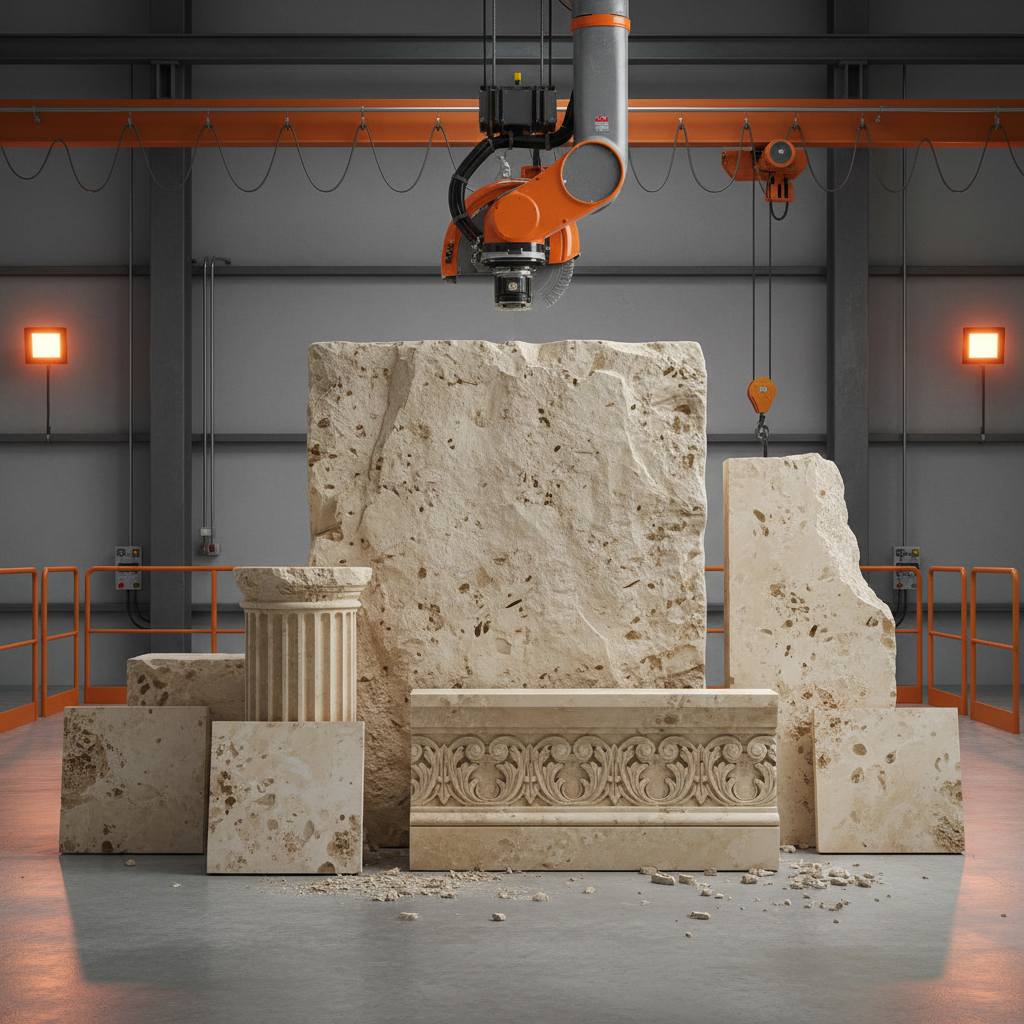
Future trends in stone house construction focus on sustainability, innovation, and technological advancements. The development of eco-friendly quarrying techniques, such as reduced-water cutting and waste recycling, is gaining momentum. Digital fabrication technologies, like CNC machining, are enabling more complex and precise stone designs.
The integration of stone with passive solar design principles can further enhance energy efficiency. Furthermore, research into new stone composites and treatments is expanding the range of possibilities for architectural expression. The demand for locally sourced and responsibly harvested stone will continue to drive the industry towards greater sustainability.
We can also expect to see increased use of stone in green building certifications like LEED and BREEAM, solidifying its position as a premium and environmentally responsible building material.
Challenges and Solutions in Stone House Construction
Despite its numerous advantages, stone house construction faces challenges such as high initial costs, skilled labor shortages, and potential environmental impacts. Sourcing ethically and minimizing transportation distances are crucial considerations. The weight of stone can also pose structural challenges, requiring careful engineering and foundation design.
Solutions include exploring alternative stone sources, investing in training programs for skilled stonemasons, and adopting innovative construction techniques like lightweight stone veneer systems. Utilizing digital modeling and prefabrication can reduce waste and improve efficiency.
Ultimately, addressing these challenges requires collaboration between architects, builders, quarry operators, and policymakers to promote sustainable practices and ensure the long-term viability of the stone industry.
Summary of Challenges and Solutions in Stone House Construction
| Challenge |
Impact on Project |
Proposed Solution |
Implementation Cost (1-10) |
| High Initial Cost |
Limits accessibility for some homeowners |
Utilize local stone, explore veneer options |
5 |
| Skilled Labor Shortage |
Increases labor costs, potential for poor workmanship |
Invest in training programs, apprenticeship opportunities |
7 |
| Environmental Impact of Quarrying |
Habitat disruption, water pollution |
Implement responsible quarrying practices, reclamation efforts |
6 |
| Weight of Stone |
Requires robust foundation design |
Employ structural engineering expertise, consider lightweight alternatives |
8 |
| Transportation Costs |
Increases overall project expense, carbon footprint |
Source locally whenever possible, optimize transportation logistics |
4 |
| Limited Design Flexibility |
Can restrict architectural creativity |
Utilize digital fabrication, explore stone composites |
5 |
FAQS
A house constructed with stone can realistically last for centuries, often outliving structures built with other materials. Properly maintained stone structures have been known to endure for 500 years or more. The longevity depends on the type of stone, climate conditions, and quality of construction, but stone generally offers unparalleled durability and resistance to degradation compared to materials like wood or brick.
Initially, stone construction tends to be more expensive than building with materials like wood or vinyl siding. However, when considering the long-term lifecycle costs, stone often proves to be a more economical choice. Its durability reduces maintenance and repair costs, and its energy efficiency can lower heating and cooling bills. Moreover, stone significantly increases property value and curb appeal.
Yes, stone is generally considered a sustainable building material. It’s a natural, abundant resource that requires minimal processing. When sourced locally, the transportation footprint is reduced. Stone is also non-toxic and doesn’t off-gas harmful chemicals. However, responsible quarrying practices are essential to minimize environmental impact, including habitat restoration and water management.
Granite and basalt are excellent choices for regions with harsh weather, as they are incredibly durable and resistant to freeze-thaw cycles. Slate is also a good option for roofing in wet climates. Limestone and sandstone may be suitable in milder climates but require proper sealing and maintenance to prevent water damage in areas with frequent rainfall or snow.
Stone houses typically require minimal maintenance. Periodic cleaning to remove dirt and algae is recommended. Repointing mortar joints may be necessary every few decades to prevent water penetration. Sealing porous stones like limestone can protect them from staining and weathering. Regular inspections for cracks or damage are also important to address any issues promptly.
Absolutely! Different types of stone for houses are incredibly versatile and can be used for both exterior and interior applications. Exterior uses include walls, facades, landscaping, and pathways. Interior uses include flooring, countertops, fireplaces, and decorative accents. The wide range of colors, textures, and finishes available makes stone a stunning choice for any design aesthetic.
Conclusion
Different types of stone for houses offer a compelling combination of durability, aesthetic appeal, and sustainability. From ancient structures to modern homes, stone has proven its enduring value as a building material. By understanding the unique properties of each stone type and embracing innovative construction techniques, we can continue to harness its benefits for generations to come.
Looking ahead, the future of stone construction lies in responsible sourcing, eco-friendly processing, and the integration of digital technologies. Investing in training programs for skilled stonemasons and promoting sustainable building practices will be essential for ensuring the long-term viability of this timeless and valuable material. Visit our website at Sonmacistone to explore a wide range of natural stone options for your next project.