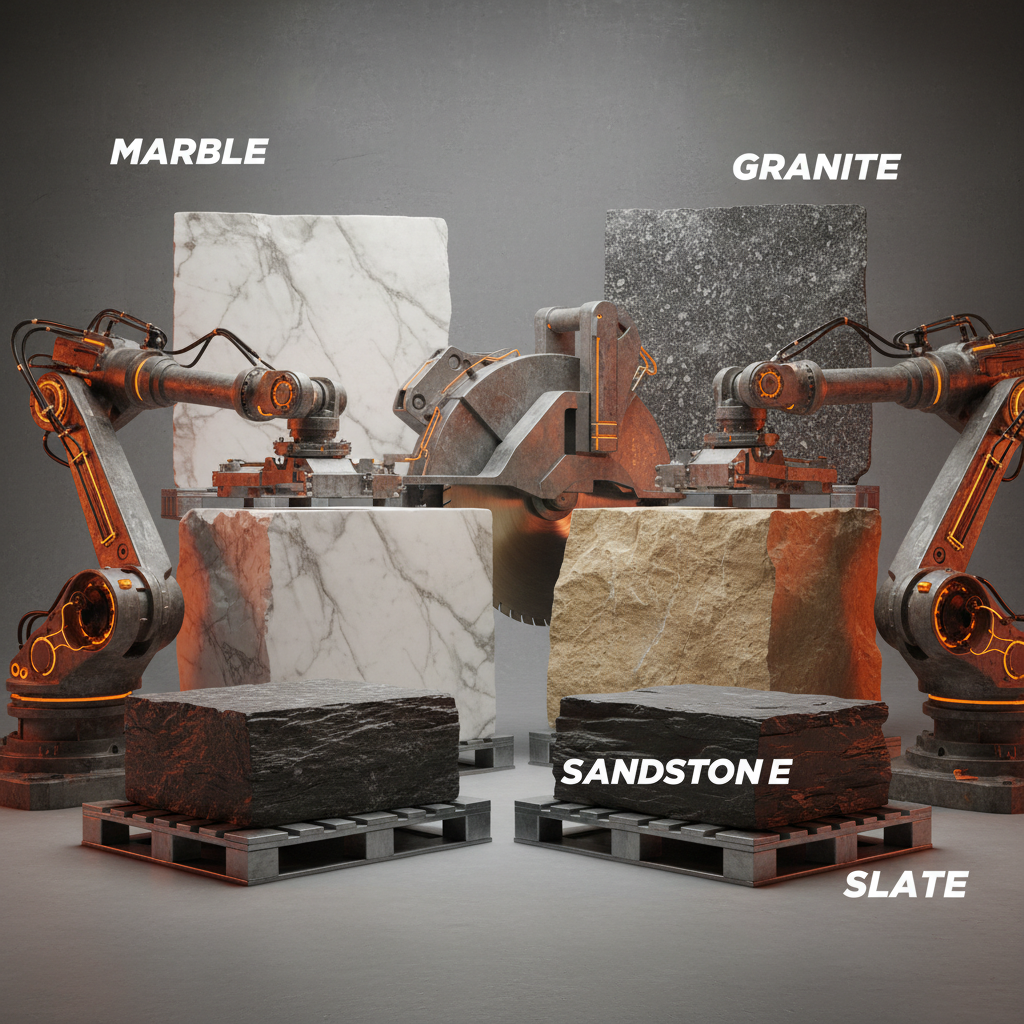
House building stone types represent a fundamental aspect of construction globally, impacting shelter, infrastructure, and cultural heritage. The selection of appropriate stone significantly influences a structure's durability, aesthetic appeal, and environmental footprint. Understanding these diverse types—from granite and limestone to sandstone and slate—is crucial for architects, engineers, and builders seeking sustainable and resilient building solutions. These materials offer inherent qualities like thermal mass and longevity, making them a valuable resource in diverse climates and geological landscapes.
The global demand for high-quality building stone continues to rise, driven by urbanization, infrastructure development, and a renewed appreciation for natural materials. According to the United Nations, rapid urbanization is expected to concentrate 68% of the world’s population in urban areas by 2050, increasing the demand for robust and sustainable construction materials. The use of house building stone types directly addresses this need, providing a durable and aesthetically pleasing alternative to more environmentally intensive materials.
However, challenges exist in sourcing, processing, and transporting stone sustainably. These challenges, along with the need for skilled labor in stonemasonry, necessitate innovation and responsible practices within the industry. A deeper understanding of house building stone types enables informed decision-making, fostering both economic growth and environmental stewardship within the construction sector.
Introduction to House Building Stone Types
The use of stone in construction dates back millennia, with early civilizations utilizing readily available materials for shelter and monumental structures. House building stone types encompass a wide array of natural materials, each possessing unique characteristics that influence its suitability for different applications. From the imposing granite used in ancient Egyptian pyramids to the delicate limestone found in European cathedrals, stone has consistently proven its enduring value as a building material.
Today, despite the proliferation of modern building materials, stone continues to be a preferred choice for both aesthetic and practical reasons. Its inherent strength, durability, and resistance to weathering make it an excellent investment for long-term structures. Furthermore, the natural beauty of stone adds a timeless elegance to any building project, enhancing its overall value and appeal. house building stone types are favored by those seeking a natural, lasting, and visually appealing material.
Defining House Building Stone Types
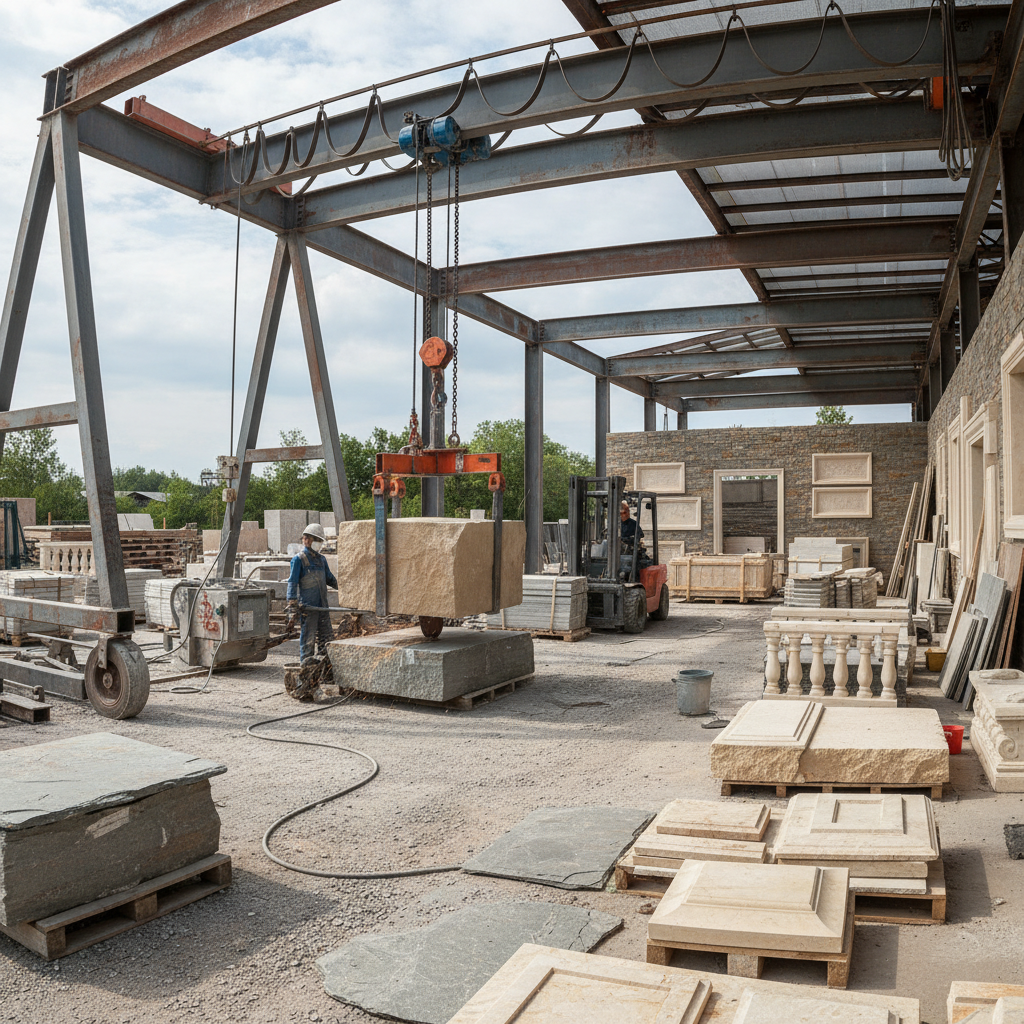
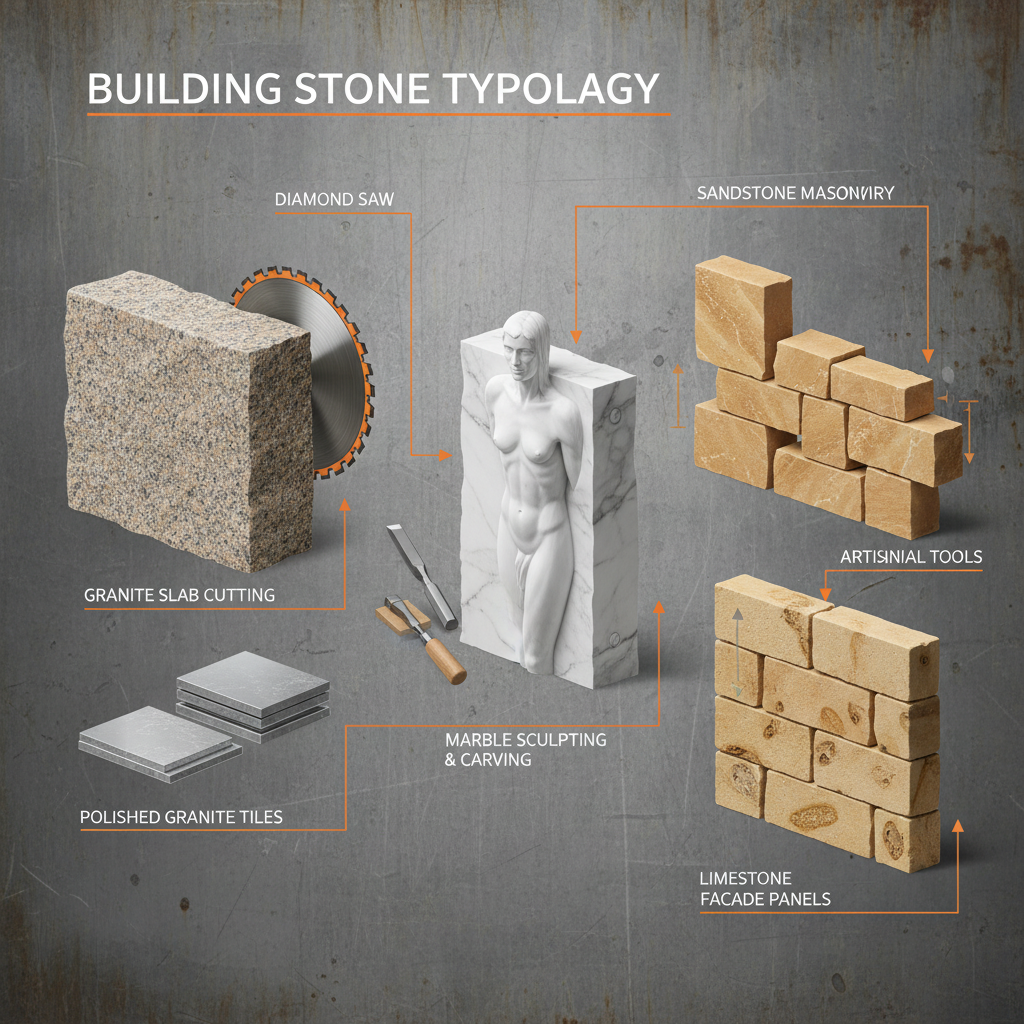
House building stone types refers to the category of naturally occurring, solid rock materials utilized in the construction of buildings and infrastructure. This isn't a single material, but a broad classification encompassing igneous, sedimentary, and metamorphic rocks. These rocks are extracted from quarries and processed into various forms, including blocks, slabs, tiles, and aggregates, for use in walls, foundations, flooring, roofing, and decorative elements.
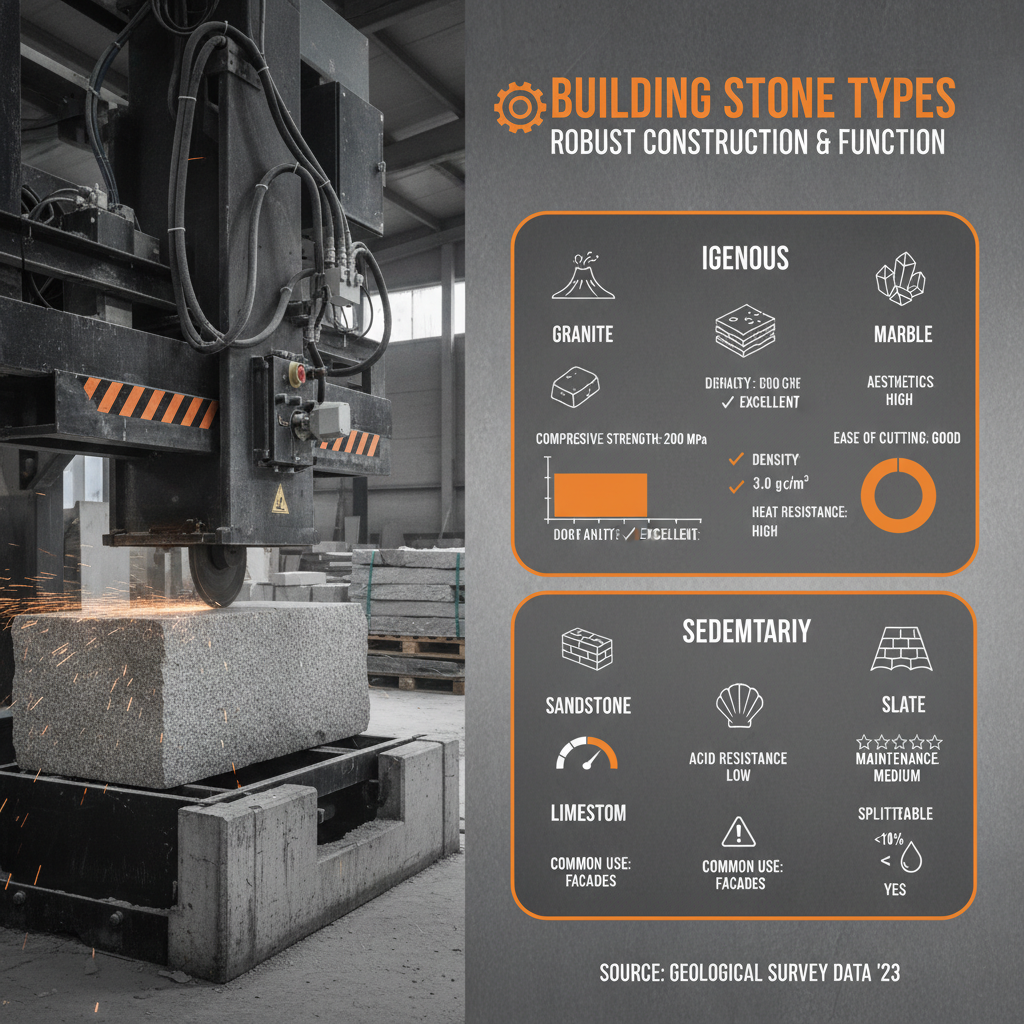
The characteristics of each stone type – its color, texture, porosity, and compressive strength – dictate its appropriate application. For instance, granite, an igneous rock, is exceptionally durable and often used for foundations and countertops, while sandstone, a sedimentary rock, is more porous and better suited for cladding and decorative features. Understanding these properties is essential for selecting the right stone for a specific building project.
The relevance of house building stone types extends beyond mere construction; it contributes to cultural preservation and regional identity. Traditional building techniques often rely on locally sourced stone, resulting in structures that harmonize with their natural surroundings and reflect the unique geological characteristics of the area.
Key Characteristics of Stone for Construction
Several key characteristics determine the suitability of house building stone types for various construction applications. Durability, measured by compressive strength and resistance to weathering, is paramount. The ability of a stone to withstand repeated stress and exposure to environmental factors like rain, frost, and temperature fluctuations directly impacts the lifespan of a structure.
Another crucial factor is porosity, which affects the stone's permeability to water and its susceptibility to staining and deterioration. Dense, low-porosity stones like granite and slate are generally more resistant to these issues than more porous stones like limestone and sandstone. However, even porous stones can be treated with sealants to enhance their water resistance. Thermal properties, such as thermal mass, also play a vital role, influencing a building's energy efficiency and temperature regulation.
Furthermore, aesthetic considerations – including color, texture, and veining – contribute to the overall design and appeal of a building. The natural variations in stone create unique visual interest and allow for creative expression. Availability and cost are also practical considerations, influencing the choice of stone based on project budgets and regional sourcing options.
Global Applications of Building Stone
House building stone types are utilized in a vast array of construction projects worldwide, ranging from residential homes and commercial buildings to monumental structures and infrastructure projects. In Europe, limestone and sandstone are prevalent in historical buildings and contemporary construction, offering both aesthetic appeal and durability. In North America, granite and marble are frequently used for countertops, flooring, and facades.
In Asia, traditional building techniques often incorporate locally sourced stone, creating structures that reflect regional architectural styles. For example, in India, sandstone is commonly used in palaces and temples, while in Japan, granite is valued for its strength and resilience in earthquake-prone regions.
The application of house building stone types extends beyond surface finishes; it's also critical in foundations, retaining walls, and landscaping. In post-disaster relief operations, stone can provide a durable and sustainable building material for rebuilding communities. Even in remote industrial zones, stone offers a long-lasting and cost-effective solution for constructing essential infrastructure.
Comparative Analysis of House Building Stone Types
Advantages and Long-Term Value
The use of house building stone types offers numerous advantages over alternative building materials. The inherent durability of stone translates to lower lifecycle costs, as structures require less frequent maintenance and repair. Stone’s resistance to fire, pests, and weathering enhances safety and long-term structural integrity. house building stone types promote a safer, more sustainable built environment.
From a sustainability perspective, stone is a natural and abundant resource that requires minimal processing compared to manufactured materials. Its thermal mass contributes to energy efficiency, reducing heating and cooling costs. Furthermore, the aesthetic appeal of stone enhances property values and creates buildings that stand the test of time.
Future Trends and Innovations
The future of house building stone types is poised for innovation, driven by advancements in quarrying technology, processing techniques, and sustainable construction practices. Digital modeling and precision cutting tools are enabling more complex and efficient stone designs. The use of robotic systems in quarries is increasing productivity and reducing environmental impact.
Research is also focused on developing new treatments and coatings to enhance stone’s durability, water resistance, and aesthetic qualities. The integration of stone with green building technologies, such as solar panels and rainwater harvesting systems, is creating more sustainable and energy-efficient structures.
A growing emphasis on local sourcing and responsible quarrying practices is further promoting the sustainability of the stone industry. The development of lightweight stone composites and innovative stone cladding systems are expanding the range of applications for this timeless building material.
Challenges and Sustainable Solutions
Despite its many advantages, the use of house building stone types faces certain challenges. The quarrying process can have environmental impacts, including habitat disruption and water pollution. Transportation costs can be significant, particularly for long-distance shipments. The skilled labor required for stonemasonry is becoming increasingly scarce in some regions.
However, these challenges can be addressed through sustainable practices. Responsible quarrying techniques, such as minimizing waste and restoring quarry sites, can mitigate environmental impacts. Utilizing local stone sources reduces transportation costs and supports regional economies. Investing in training programs for stonemasons ensures the preservation of this valuable craft.
Furthermore, the development of innovative stone recycling technologies and the use of waste stone materials in new construction projects can promote circularity and minimize landfill waste. Embracing these sustainable solutions is essential for ensuring the long-term viability of the stone industry.
Summary of Challenges and Solutions for Sustainable Stone Use
| Challenge |
Environmental Impact |
Economic Consideration |
Sustainable Solution |
| Quarrying Disruption |
Habitat loss, dust pollution |
Reclamation costs |
Responsible quarry management, site restoration |
| Transportation Costs |
Carbon emissions |
Increased project budget |
Local sourcing, optimized logistics |
| Skilled Labor Shortage |
Reduced quality of craftsmanship |
Higher labor costs |
Training programs, apprenticeship initiatives |
| Stone Waste |
Landfill burden |
Disposal costs |
Recycling technologies, material reuse |
| Water Usage |
Depletion of water resources |
Water treatment costs |
Water recycling systems, efficient quarrying practices |
| Stone Degradation |
Reduced lifespan, increased maintenance |
Repair costs |
Protective coatings, sealant applications |
FAQS
Granite and basalt are renowned for their exceptional durability, boasting high compressive strengths and resistance to weathering. Slate is also highly durable, especially for roofing applications. These stones are less porous and more resistant to abrasion than softer options like limestone or sandstone, making them ideal for high-traffic areas and exterior facades. Proper sealing and maintenance will further extend the lifespan of any stone type, but granite and basalt naturally offer superior longevity.
The initial cost of house building stone is typically higher than concrete or brick. However, considering the long-term benefits, stone can be more cost-effective. Stone structures require less maintenance and have a longer lifespan, reducing lifecycle costs. Furthermore, the aesthetic appeal of stone can increase property values. The overall cost varies based on stone type, quarry location, and transportation distances. When considering total cost of ownership, stone often proves to be a worthwhile investment.
Yes, house building stone can be a very environmentally friendly choice. Stone is a natural material requiring minimal processing compared to manufactured alternatives like concrete. It has excellent thermal mass, reducing energy consumption for heating and cooling. Sourcing stone locally minimizes transportation impacts. Choosing responsibly quarried stone and utilizing waste stone in landscaping or other applications further enhances its sustainability.
Stone buildings generally require less maintenance than those constructed with other materials. Periodic cleaning to remove dirt and grime is often sufficient. Repointing mortar joints may be necessary over time to prevent water intrusion. Applying sealant to porous stones can help protect against staining and weathering. Regular inspections can identify and address any minor issues before they escalate into major repairs.
Yes, house building stone can be used effectively in a wide range of climates. Different stone types are suited for different conditions. For example, slate is excellent for resisting freeze-thaw cycles in cold climates, while limestone is well-suited for warmer, drier regions. Proper detailing and construction techniques are crucial to ensure the stone's performance in specific climatic conditions.
The color of house building stone can significantly impact a building's energy efficiency. Darker stones absorb more solar heat, which can be beneficial in colder climates but may lead to overheating in warmer regions. Lighter stones reflect more sunlight, reducing heat gain. Careful consideration of stone color and orientation can optimize a building's thermal performance and minimize energy consumption.
Conclusion
In conclusion, house building stone types represent a compelling and enduring choice for construction, offering a unique blend of durability, aesthetics, and sustainability. From ancient structures to modern designs, stone has consistently proven its value as a resilient and visually appealing building material. Understanding the diverse properties of different stone types and embracing sustainable practices are key to unlocking its full potential.
Looking ahead, continued innovation in quarrying techniques, processing technologies, and stone composites will further enhance the versatility and efficiency of this timeless material. By prioritizing responsible sourcing, local materials, and skilled craftsmanship, we can ensure that house building stone types continue to play a vital role in creating beautiful, durable, and sustainable structures for generations to come. Visit our website at www.sonmacistone.com to learn more about our selection of high-quality building stones.