Building stone types represent the foundational materials used in construction for millennia, impacting everything from the aesthetic appeal of structures to their long-term durability. Understanding these materials – granite, limestone, sandstone, marble, and others – is crucial for architects, engineers, and builders alike. Their varying properties dictate suitability for different applications, influencing structural integrity, cost, and environmental impact. The continued relevance of building stone types stems from their inherent strength, longevity, and natural beauty.
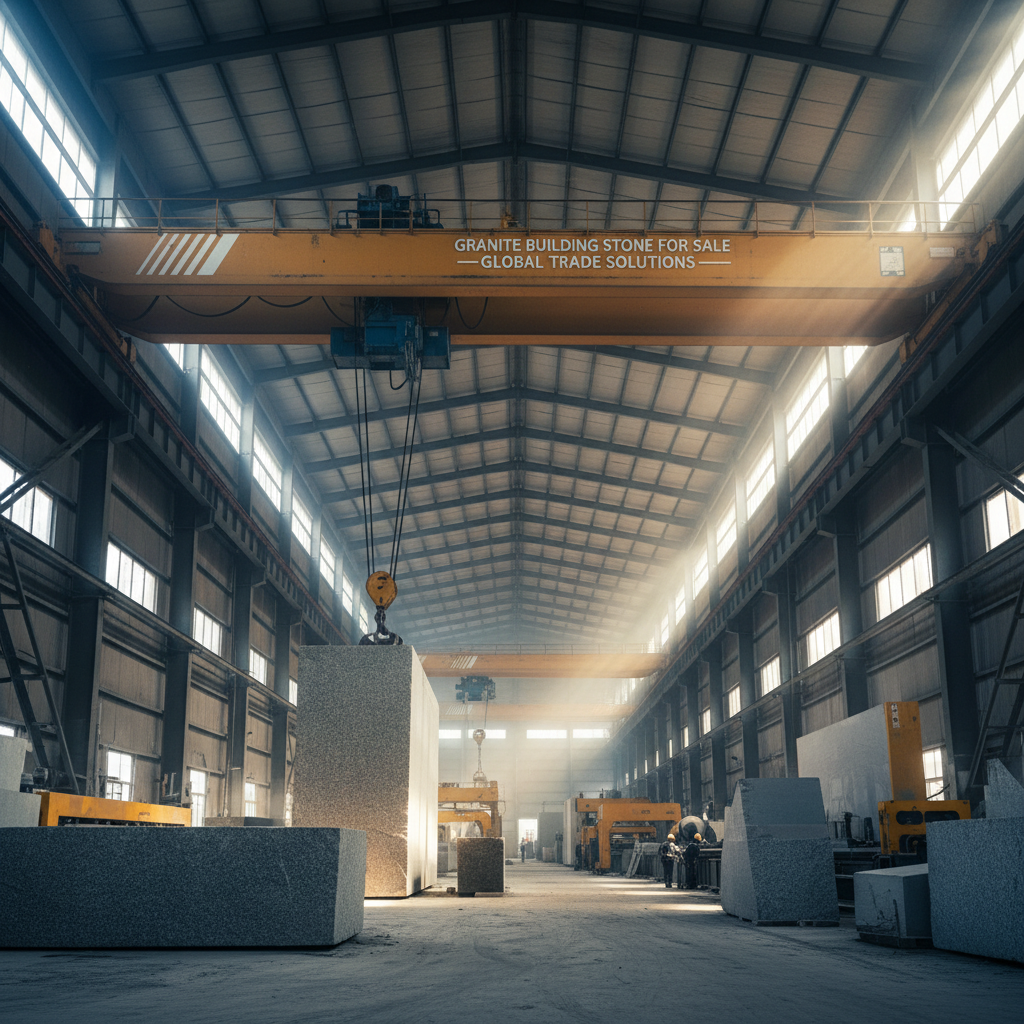
Globally, the demand for building stone types remains robust, driven by urbanization, infrastructure development, and a growing preference for sustainable building materials. The United Nations reports a projected increase in global urban populations, intensifying the need for durable and aesthetically pleasing construction materials. The World Bank’s data on infrastructure spending further highlights the continued demand. The challenge lies in sourcing these materials responsibly and efficiently, minimizing environmental impact, and ensuring quality control.
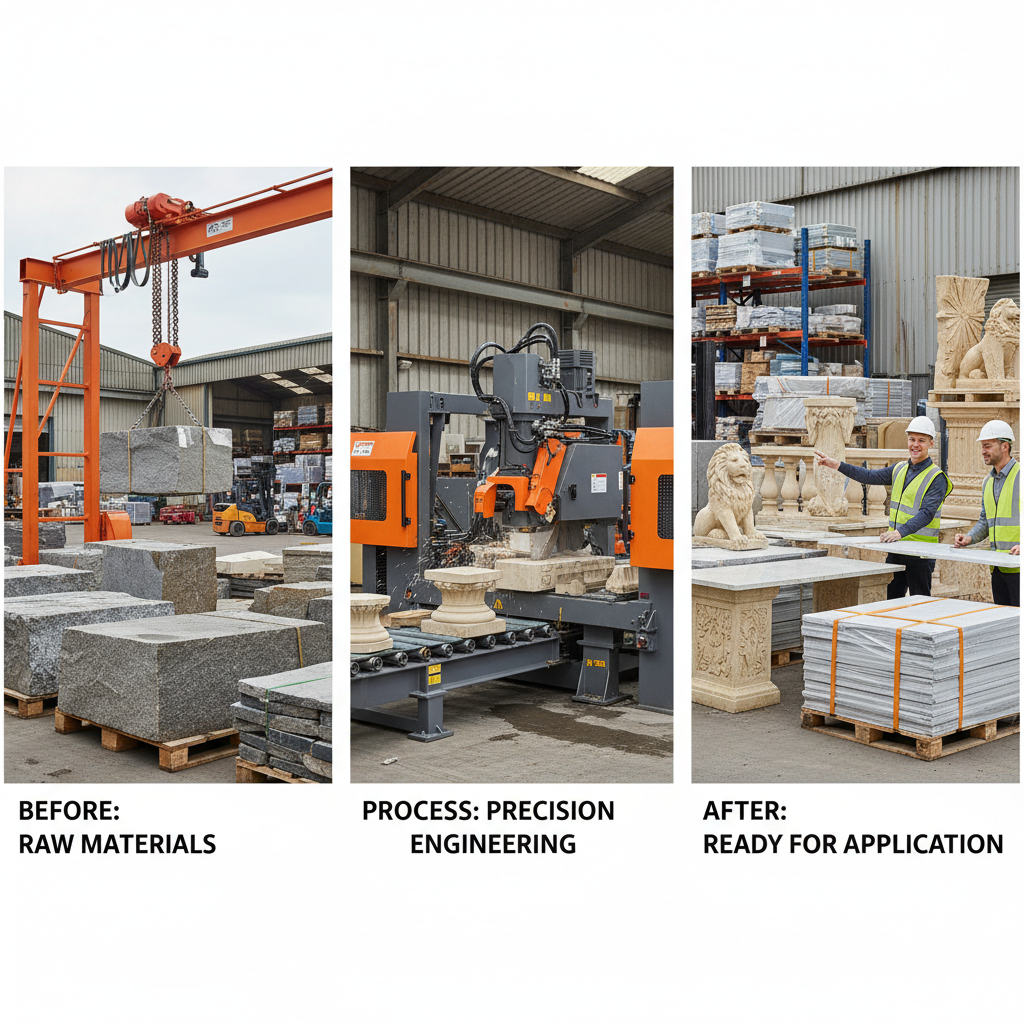
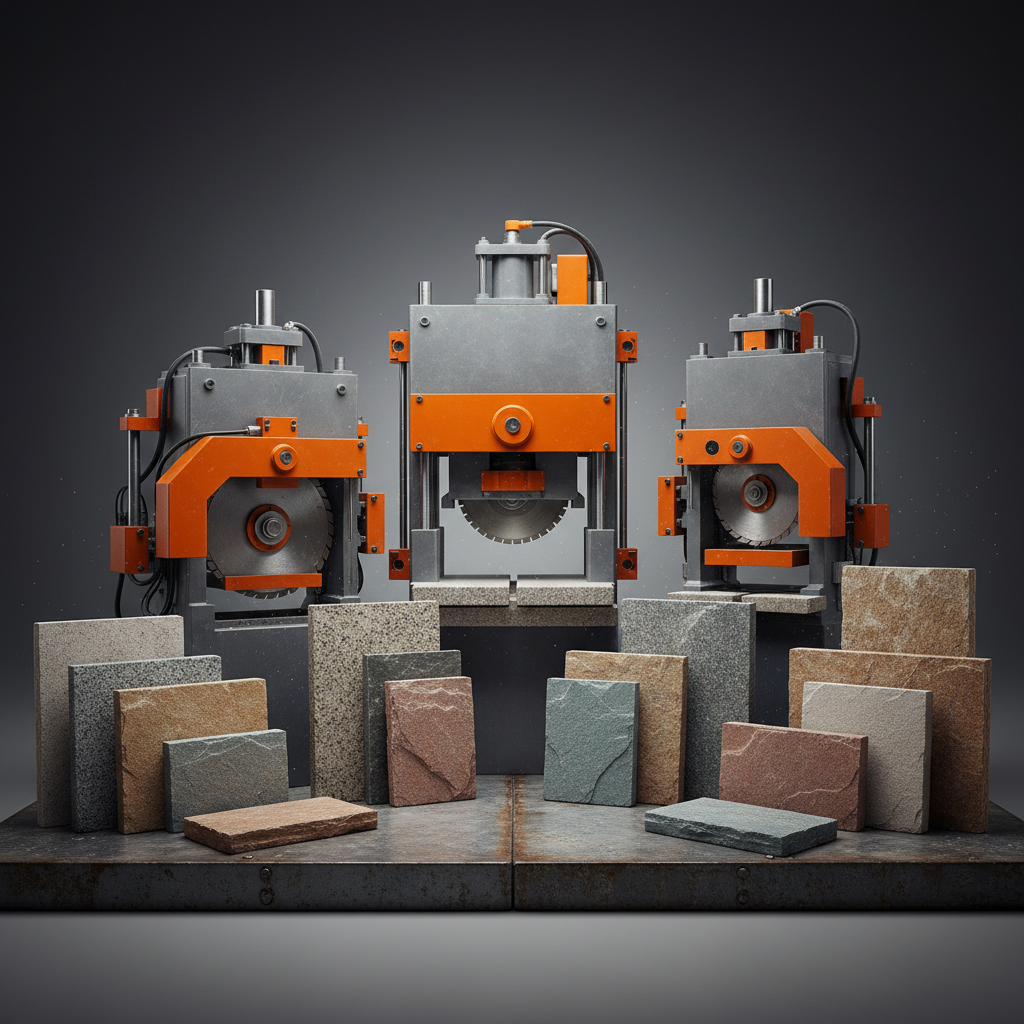
Building stone types encompass a diverse range of naturally occurring rocks quarried for use in construction. These aren't simply inert materials; they possess unique geological characteristics that determine their strength, porosity, and resistance to weathering. In modern industry, precise cutting and finishing techniques are employed to maximize the utility of these resources, contributing to both functional and artistic architectural designs. This extends to humanitarian needs, as durable and readily available building materials are vital in disaster relief and reconstruction efforts.
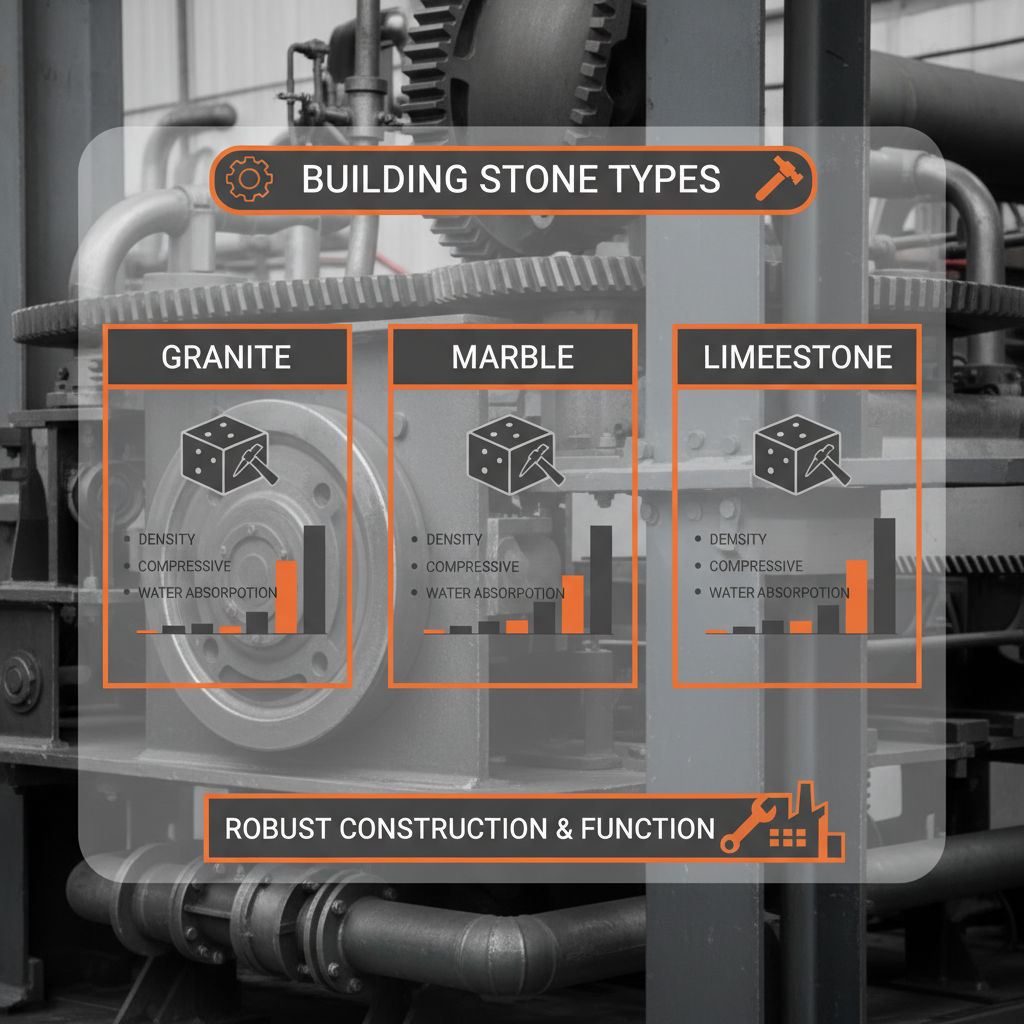
The selection of appropriate building stone types is paramount to the longevity and aesthetic success of any construction project. Each type—granite, limestone, sandstone, marble, slate—possesses a unique combination of characteristics that influence its performance and application. Ignoring these nuances can lead to premature deterioration, costly repairs, and compromised structural integrity.
The use of building stone types isn’t just about practicality; it’s deeply ingrained in cultural heritage. Throughout history, civilizations have utilized locally sourced stone to create iconic structures that stand as testaments to their ingenuity and artistic skill. From the pyramids of Egypt to the Roman Colosseum, these monuments demonstrate the enduring power and beauty of natural stone.
For exterior cladding, granite and quartzite are consistently ranked among the most durable building stone types. Their high compressive strength and low porosity offer exceptional resistance to weathering, freeze-thaw cycles, and pollution. These stones can withstand harsh environmental conditions for centuries with minimal maintenance. While marble is beautiful, its relative softness makes it less ideal for exposed exterior applications. Sandstone, depending on its composition, can also be durable if properly sealed.
Porosity directly influences maintenance. Highly porous stones, like some sandstones, readily absorb water, oils, and other contaminants, leading to staining and potential damage. They require regular sealing to prevent this absorption. Lower porosity stones, such as granite and slate, are naturally more resistant to staining and require less frequent sealing. Regular cleaning with appropriate stone-specific cleaners is still essential for all building stone types to prevent the buildup of dirt and grime.
Quarrying building stone types can have environmental impacts, including habitat disruption, dust generation, and water pollution. However, responsible quarry operators employ mitigation strategies such as land reclamation, water recycling, and dust control measures. Choosing locally sourced stone reduces transportation emissions. Supporting companies committed to sustainable quarrying practices is crucial for minimizing the environmental footprint.
The cost of building stone types varies significantly based on rarity, availability, quarrying complexity, and finishing requirements. Marble and certain types of granite tend to be more expensive due to their aesthetic appeal and processing demands. Sandstone and limestone are generally more affordable options. Transportation costs also contribute to the overall price. Considering the long-term durability and low maintenance of stone can offset higher initial costs.
Absolutely. Building stone types are inherently sustainable materials and can contribute significantly to green building certifications like LEED. Their durability reduces the need for frequent replacements, lowering lifecycle costs and waste generation. Sourcing locally and utilizing recycled stone further enhances their environmental benefits. Their thermal mass properties can also contribute to energy efficiency.
Current trends include using large-format stone panels, incorporating stone with other materials like glass and metal, and employing digital fabrication techniques for intricate designs. There's also a growing interest in textured stone surfaces and the use of sustainable and locally sourced materials. A move towards lighter-weight stone composites is also gaining traction, expanding design possibilities and reducing structural loads.
In conclusion, understanding building stone types is paramount to successful and sustainable construction. These materials offer a unique combination of durability, aesthetic appeal, and environmental benefits. From the ancient monuments that stand today to modern architectural marvels, building stone types have consistently proven their value as foundational components of the built environment.
As technology advances and sustainability concerns grow, the future of building stone types lies in embracing innovation, responsible sourcing, and creative design. By leveraging digital fabrication, exploring new surface treatments, and prioritizing local resources, we can continue to harness the enduring power and beauty of natural stone for generations to come. To learn more about our extensive range of building stone types, visit our website: www.sonmacistone.com