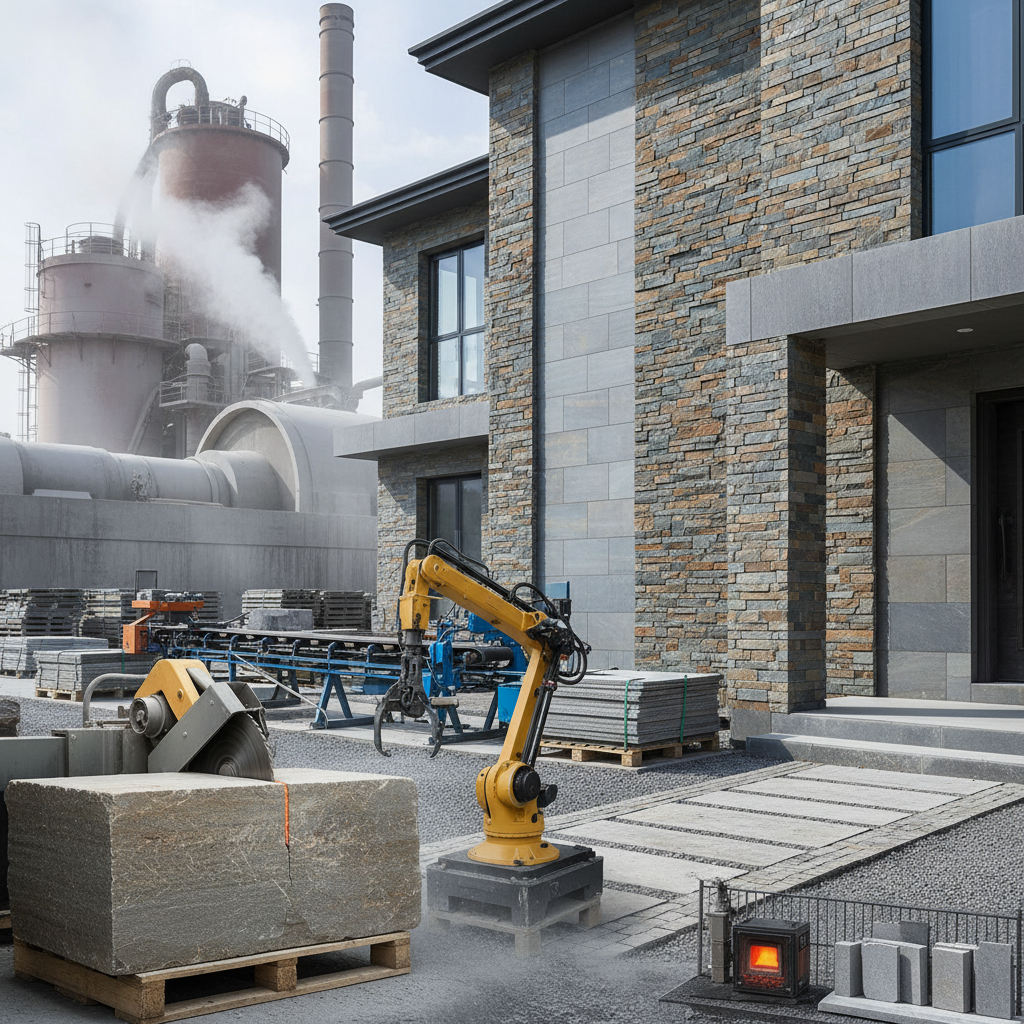
Enhancing a property's curb appeal often begins with the choice of exterior cladding, and stone veneer outside house applications have become the gold standard for homeowners seeking a blend of timeless elegance and modern efficiency. Unlike traditional full-bed stone masonry, which requires immense structural support and labor, veneer provides the authentic look of natural stone in a lightweight, manageable format that transforms any facade into a high-end architectural statement.
Across the globe, the shift toward sustainable and cost-effective building materials has pushed stone veneer outside house into the mainstream. From the suburban landscapes of North America to the luxury villas of Europe, this material solves the critical challenge of achieving a premium organic aesthetic without the prohibitive costs or structural complications associated with heavy stone blocks. It allows for a versatile design approach, enabling the integration of various textures—from rugged ledgestone to smooth paving stone—on almost any substrate.
Understanding the nuances of stone veneer—including its composition, installation requirements, and long-term maintenance—is essential for maximizing the return on investment for any residential project. By leveraging advancements in adhesive technology and stone cutting, today's veneer options offer unprecedented durability against harsh weather conditions while significantly increasing the market value of the property.
The Fundamental Concept of Stone Veneer Outside House
At its core, stone veneer outside house is a thin layer of natural or manufactured stone that is applied to the exterior walls of a building. Unlike traditional stone walls that are load-bearing, veneer acts as a decorative "skin," providing the visual weight and prestige of solid stone while remaining lightweight enough to be installed over wood frames, concrete blocks, or existing brick.
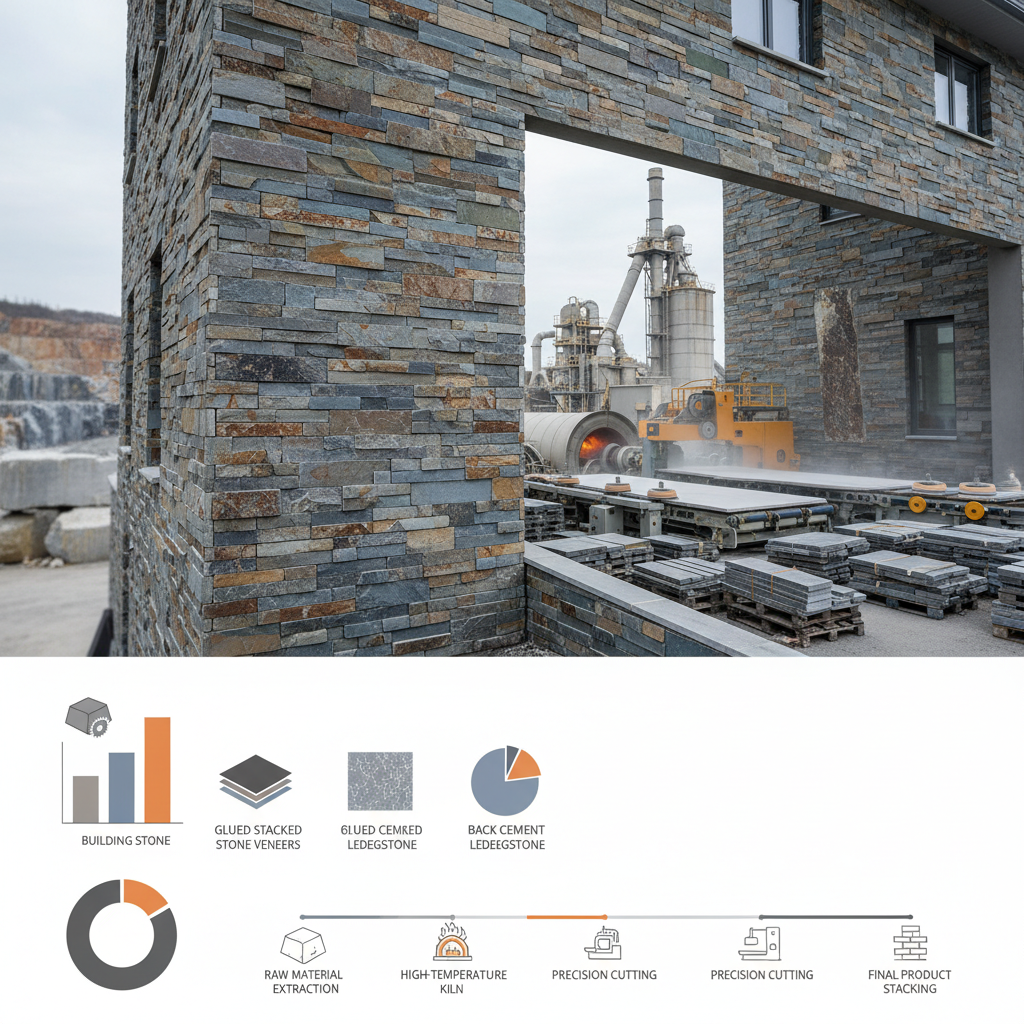
This innovation has democratized luxury architecture, allowing homeowners to incorporate elements like Glued Stacked Stone or Back Cement Ledgestone without needing to reinforce their home's foundation. By separating the structural requirement from the aesthetic finish, stone veneer provides a flexible solution for both new constructions and remodeling projects.
Material Composition and Structural Integrity
The strength of stone veneer outside house depends heavily on the quality of the base material and the bonding agent used. Natural stone veneers are sliced from larger blocks of granite, limestone, or slate, preserving the authentic geological veins and textures. These are often paired with high-performance polymer mortars that ensure a permanent bond between the stone and the wall substrate.
Structural integrity is further enhanced through the use of moisture barriers and weep holes. Because the veneer is not a solid wall, it is crucial that the system allows for drainage and ventilation to prevent water from becoming trapped behind the stone, which could lead to mold or structural decay in the underlying wall.
Modern manufacturing has also introduced "engineered" stone, which blends crushed stone with resins. While natural stone remains the premium choice for E-E-A-T compliant luxury builds, engineered options offer extreme consistency in color and shape, making them ideal for large-scale commercial applications where uniformity is key.
Cost-Efficiency and Installation Advantages
When evaluating the budget for stone veneer outside house, the most immediate advantage is the reduction in labor and foundation costs. Traditional masonry requires a deep concrete footing to support the massive weight of full-depth stones; veneer eliminates this requirement, significantly lowering the initial construction spend.
Installation speed is another critical factor. Products like Glued Stacked Stone Veneers come in pre-assembled panels that can be adhered directly to the surface. This reduces the project timeline from weeks to days, minimizing the disruption to the homeowner and reducing the cost of skilled masonry labor.
Furthermore, the long-term value proposition is undeniable. High-quality stone veneer outside house increases property appraisal values by adding a perceived "permanence" and luxury feel that siding or paint simply cannot match, providing a high return on investment (ROI).
Performance Metrics Across Different Climates
The durability of stone veneer outside house varies depending on the mineral composition of the stone and the local climate. In freeze-thaw cycles, non-porous stones like granite perform exceptionally well, as they do not absorb water that could expand and crack the stone. Conversely, softer limestones may require specialized sealants to maintain their integrity in rainy or snowy regions.
Thermal mass is another performance benefit. While veneer is thinner than full stone, it still provides a layer of insulation and protection against UV degradation, helping to regulate the interior temperature of the house and reducing energy costs for cooling during peak summer months.
Durability Ratings for Stone Veneer Outside House Methods
Global Architectural Applications and Trends
Around the world, stone veneer outside house is being used to bridge the gap between rustic charm and urban minimalism. In modern "Farmhouse" styles popular in the US, veneer is often used as a wainscot—covering only the lower third of the wall—to create a grounded, earthy feeling. In European luxury renovations, full-height stone veneer is used to mimic the appearance of ancient castles or Mediterranean villas.
We are also seeing a rise in "Mixed Material" facades. Architects are now combining stone veneer with charred wood (Shou Sugi Ban) or industrial steel panels. This eclectic approach uses the organic texture of the stone to soften the harsh lines of modern architecture, creating a balanced, sophisticated exterior.
Sustainability and Environmental Impact
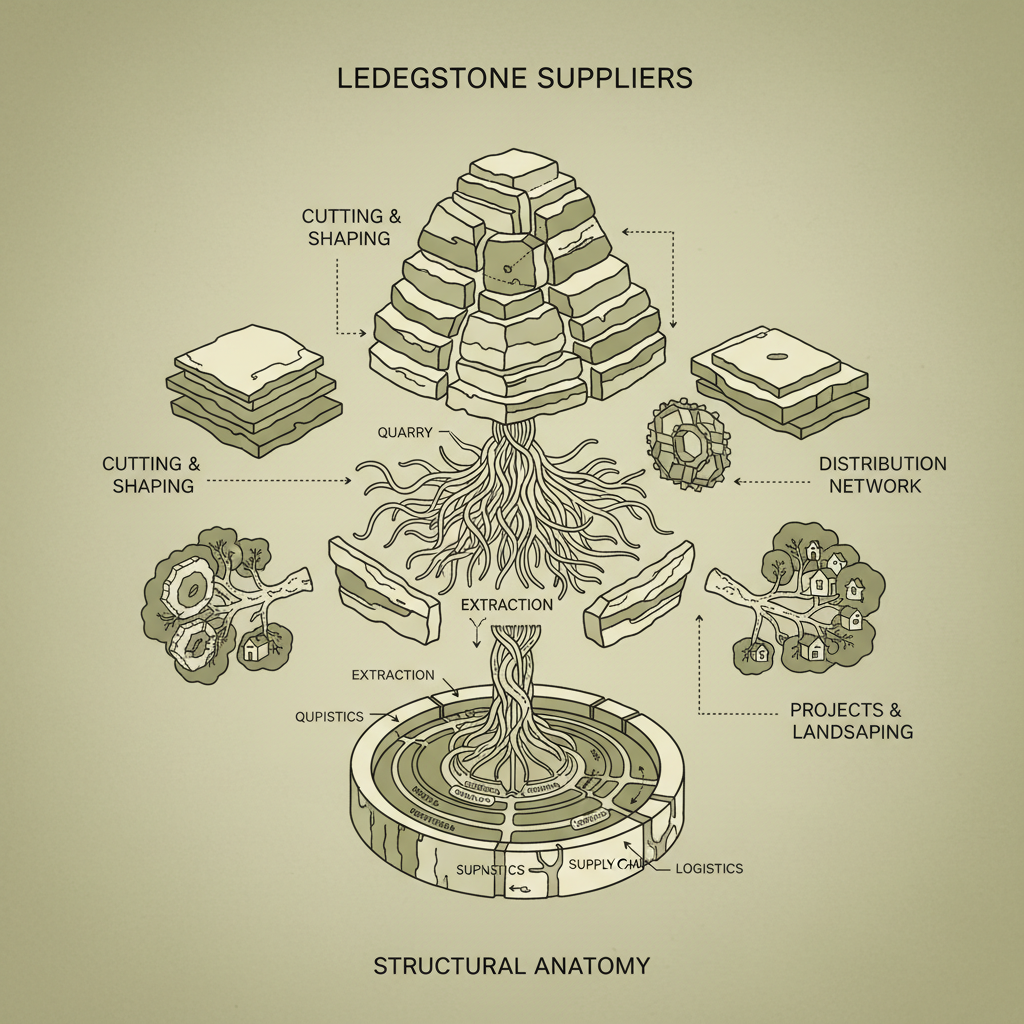
The environmental footprint of stone veneer outside house is significantly lower than that of full-stone masonry. Because the material is thinner, less raw stone is quarried, and the overall weight of the product reduces the carbon emissions associated with transportation and logistics.
Furthermore, the longevity of stone ensures that facades do not need to be replaced every decade, unlike vinyl or wood siding. This reduction in waste contributes to a more sustainable building lifecycle, aligning with ISO standards for green building materials and reducing the frequency of landfill contributions.
Innovative companies are now incorporating recycled minerals into their manufactured veneer lines, further decreasing the reliance on virgin quarrying. By choosing stone veneer, homeowners are investing in a material that is both durable and ecologically responsible.
Comparative Analysis of Veneer Types
Choosing the right type of stone veneer outside house requires a balance between aesthetic goals, budget, and structural capacity. For those seeking a rugged, mountainous look, Ledgestone is the premier choice. For a more traditional, hand-laid appearance, Free Form Masonry offers the most authentic "cottage" feel.
For the DIY-oriented homeowner or the fast-paced commercial project, Glued Stacked Stone is the most efficient. It eliminates the need for individual stone placement and joint grouting, though it may lack some of the depth and variation found in individual natural pieces.
Ultimately, the choice comes down to the desired "texture" of the home. While Floor Tiles and Paving Stones are often used for the surroundings, the vertical walls benefit from materials specifically engineered for adhesion and weather resistance.
Comparison of Stone Veneer Materials for Exterior Use
| Veneer Type |
Installation Difficulty |
Durability Score |
Aesthetic Impact |
| Natural Ledgestone |
Moderate |
10/10 |
High Luxury |
| Glued Stacked Stone |
Easy |
8/10 |
Modern/Clean |
| Free Form Stone |
Hard |
9/10 |
Rustic/Traditional |
| Engineered Stone |
Easy |
7/10 |
Consistent/Uniform |
| Cast Stone |
Moderate |
8/10 |
Classical |
| Stone Mosaic Panels |
Easy |
7/10 |
Artistic/Detailed |
FAQS
Yes, provided it is natural stone veneer. Since it is sliced from the same geological formations as full-bed stone, it possesses the same hardness and weather resistance. The primary difference is the thickness, not the material quality. When installed with proper moisture barriers, it lasts as long as traditional masonry.
Generally, it is not recommended to install stone veneer directly over vinyl or wood siding. The siding should be removed to expose the sheathing, allowing for the installation of a water-resistant barrier (WRB) and a metal lath. This ensures the veneer bonds securely and the wall can breathe, preventing rot.
While exact percentages vary by region, stone veneer is widely regarded as a high-ROI upgrade. It significantly boosts "curb appeal," which often leads to higher offer prices and faster sales. Real estate experts suggest that premium stone accents can increase a home's perceived value by 5% to 10%.
Ledgestone typically features longer, thinner strips of stone that create a linear, "ledged" appearance. Stacked stone is a broader term that can include various shapes and sizes piled together. Glued stacked stone specifically refers to panels where these stones are pre-bonded for faster installation.
Stone veneer is very low maintenance. However, it is recommended to apply a breathable sealant every 3-5 years, especially in climates with extreme rain or snow. This prevents staining and protects the stone from moisture penetration, ensuring the colors remain vibrant.
Natural veneer is superior for authenticity and long-term value. Manufactured veneer is better for projects requiring strict color consistency or those with very tight budgets. For a high-end residential look that adheres to E-E-A-T quality standards, natural stone is always the preferred choice.
Conclusion
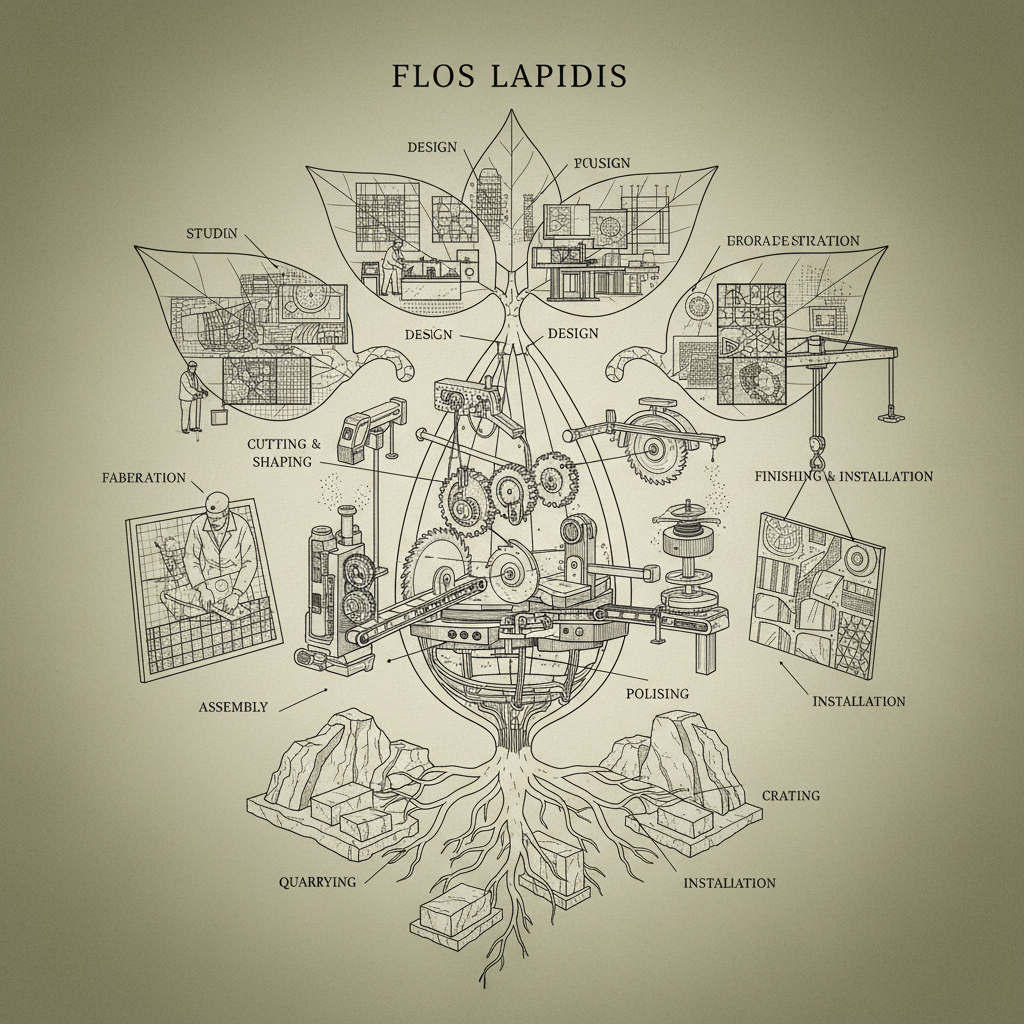
In summary, implementing stone veneer outside house is a strategic investment that marries aesthetic luxury with structural practicality. By reducing the need for heavy foundations and minimizing installation time, veneer allows homeowners to achieve the timeless look of natural stone while embracing modern construction efficiencies. From its impressive durability across diverse climates to its positive impact on property valuation and environmental sustainability, stone veneer stands as a superior alternative to traditional cladding.
As architectural trends move toward a blend of organic materials and sustainable design, the versatility of stone veneer will only increase. Whether you are opting for the ruggedness of ledgestone or the sleekness of glued panels, the key to success lies in quality material selection and professional installation. We encourage you to explore the possibilities of transforming your exterior into a masterpiece of nature and engineering. Visit our website for premium solutions: www.sonmacistone.com