You know, these days everyone’s talking about pre-fabricated ledgestone. Not just the big boys, but even smaller contractors are asking about it. Seems like everyone wants to speed things up, cut down on labor costs. To be honest, it’s a bit of a scramble to keep up with all the new materials hitting the market. I was at a supply house in Dallas last week and they were showing off some new composite ledgestone that’s supposed to be lighter and easier to install… look, I’ve seen “easier to install” before. It usually means more headaches down the line.
What I’ve noticed is a lot of designers, bless their hearts, they get caught up in aesthetics and forget about practicality. They’ll specify a super thin ledgestone veneer, gorgeous stuff, but try telling a mason to work with that in freezing weather. It’s a nightmare. Cracking, chipping… Anyway, I think a good rule of thumb is if it doesn't feel solid in your hand, it’s probably going to cause trouble.
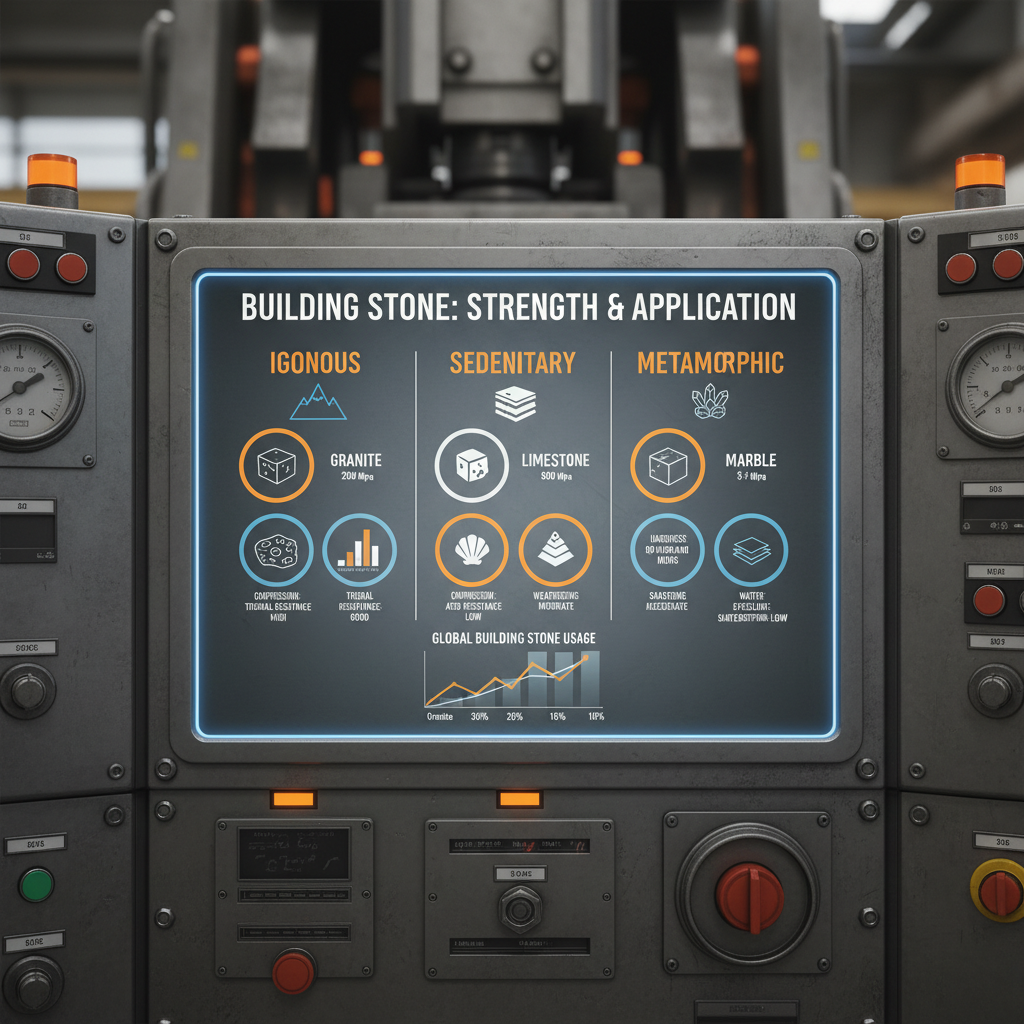
The good stuff – the real ledgestone, you can smell it, honestly. That earthy, slightly damp smell. Feels rough, natural. We primarily work with quartzite and sandstone. Quartzite is incredibly durable, almost bulletproof, but it’s heavy. Really heavy. Sandstone’s a bit softer, easier to cut and shape, but you gotta seal it properly or it'll absorb water like a sponge. I once saw a sandstone wall that hadn't been sealed in Florida… looked like a waterfall after a heavy rain.
The Current Landscape of Ledgestone Suppliers
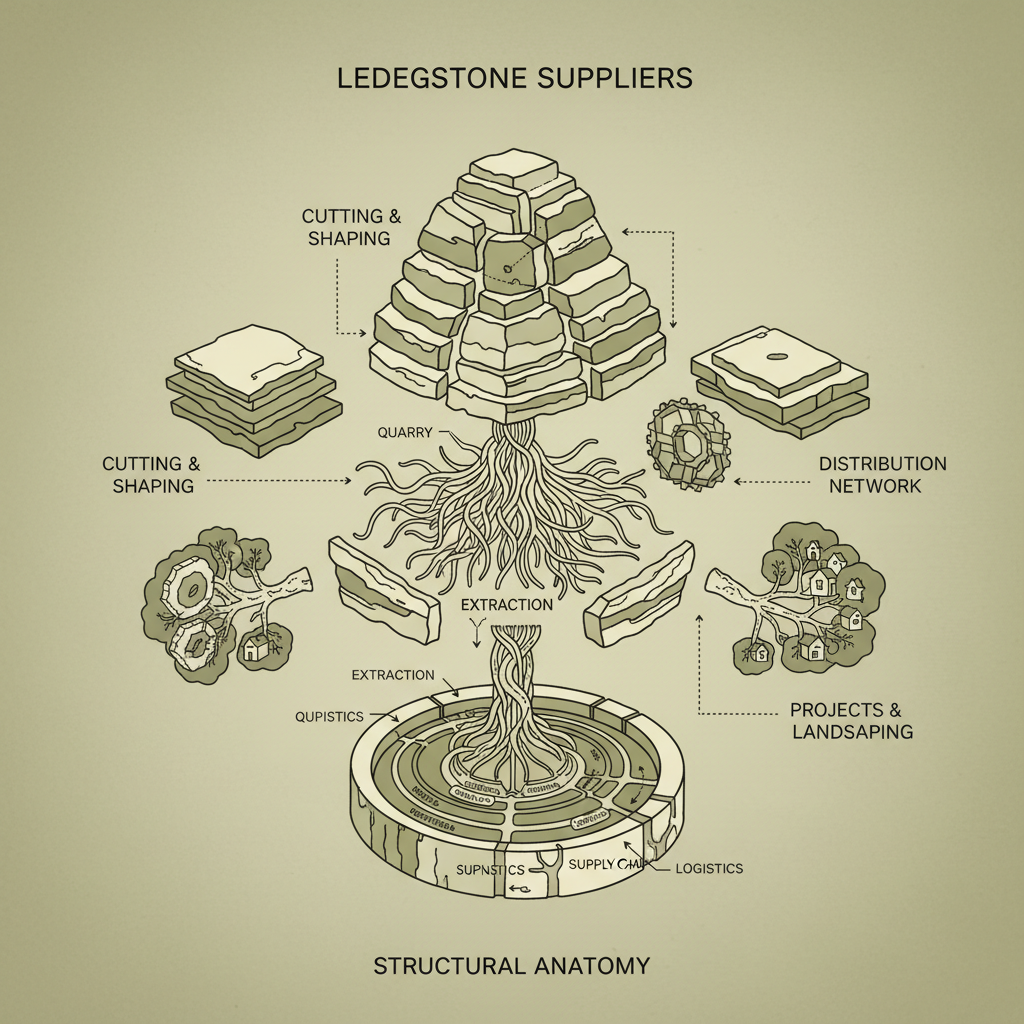
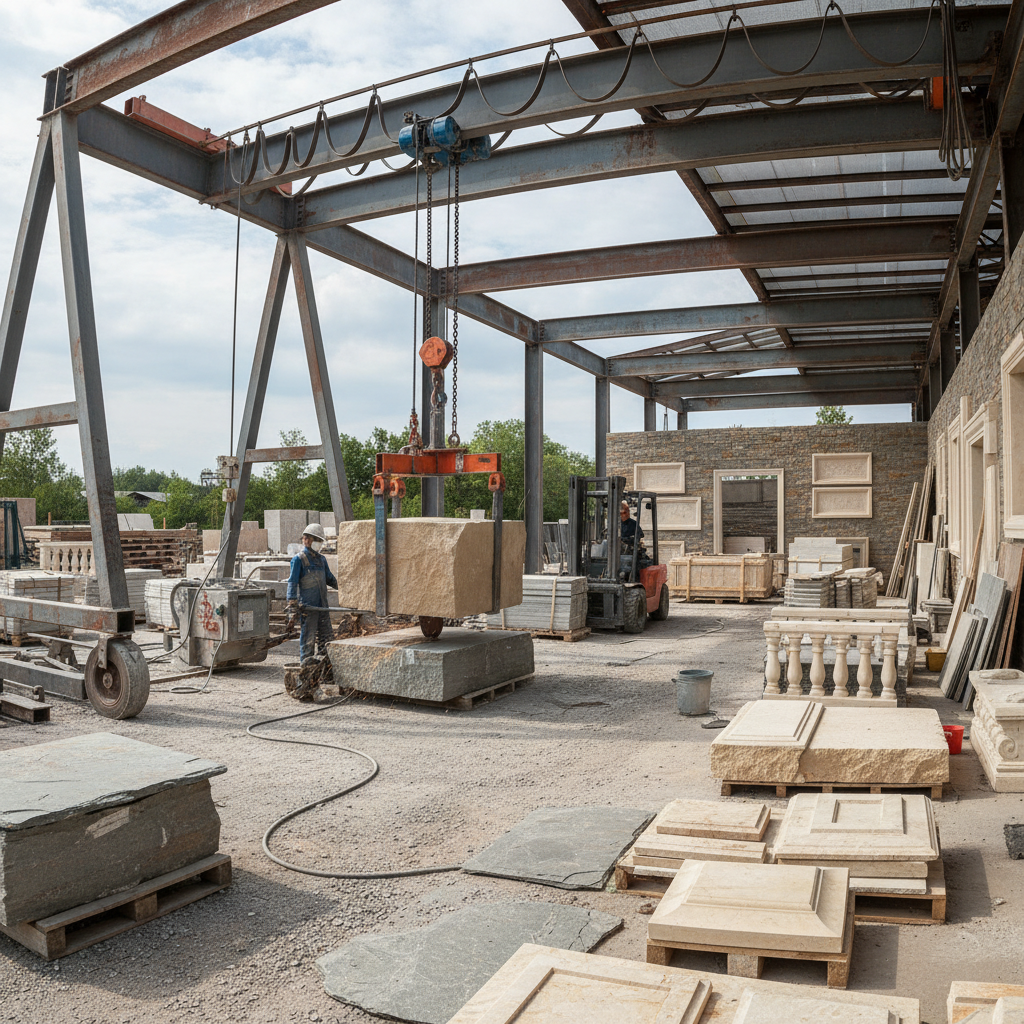
Honestly, the number of ledgestone suppliers has exploded in the last five years. You’ve got the big national distributors, then a ton of smaller regional guys, and increasingly, direct-from-quarry operations trying to cut out the middleman. It’s becoming harder to consistently find quality, you know? A lot of these newer suppliers are sourcing from overseas, and the quality control… well, let's just say I've had to reject a few shipments that looked nothing like the samples.
We mostly stick with a handful of suppliers we’ve vetted over the years, places like ledgestone suppliers that we know deliver consistently. It’s worth paying a little extra for peace of mind, believe me.
Design Pitfalls & Practical Considerations
Have you noticed how architects love those crazy angles? It looks fantastic on the rendering, but when you're trying to fit ledgestone around a 135-degree corner, it becomes a real headache. And they always want that perfectly uniform look, which…ledgestone is not uniform. That’s the whole point! Strangely enough, the biggest issue I see is underestimating the weight. Folks just don't realize how much these stones weigh, especially quartzite. You need proper footings, proper support. Otherwise, you’re looking at cracking and structural issues down the road.
Then there's the mortar. Choosing the right mortar is critical. You want something that’s flexible enough to accommodate movement, but strong enough to hold everything together. We’ve had bad experiences with some of the pre-mixed mortars; they just don’t have the same strength and workability as a traditional mix.
And don’t even get me started on the color variations. A sample looks one way in the showroom, but a full pallet can have completely different tones. It’s a constant back-and-forth with the client, trying to manage expectations.
Material Nuances: Quartzite vs. Sandstone
Quartzite, man, that's a tough stone. Seriously. It’s almost entirely quartz, making it incredibly dense and resistant to weathering. You can beat it with a hammer and it barely scratches. But it's a bear to work with. Cutting it requires diamond blades, and it’s tough on your tools. It’s also quite expensive, obviously.
Sandstone, on the other hand, is much more forgiving. It’s easier to cut, shape, and install. But it’s also more porous, meaning it absorbs water. That’s why sealing is so important. And depending on the type of sandstone, it can be susceptible to erosion, especially in harsh climates. We always recommend a penetrating sealer that doesn’t change the stone’s natural appearance.
I encountered this at a job site in Arizona last time. The client wanted sandstone for a fountain, but didn’t want to seal it because they liked the natural look. Six months later, it was covered in algae and looked terrible. They ended up having to redo the whole thing.
Real-World Testing & Performance
You know, those lab tests are okay, but they don't tell the whole story. We do our own testing, the hard way. We build small mock-up walls and expose them to the elements. Freeze-thaw cycles, direct sunlight, rain… We even soak them with saltwater to simulate coastal conditions. It’s time-consuming, but it’s the only way to really see how a material will hold up.
We also pay attention to how easily the stones chip or crack during installation. We’ll drop them from a reasonable height, try to pry them apart, just to get a feel for their durability. It seems basic, but it's incredibly valuable.
Ledgestone Supplier Performance – Field Testing Results
Usage Patterns: Beyond the Specifications
You’d be surprised how people actually use ledgestone. It’s not always what the designers intend. I’ve seen folks use it as retaining walls, fireplace surrounds, even garden edging. One guy in Austin used it to build a pizza oven! Later... Forget it, I won't mention it.
What’s interesting is the DIY trend. A lot of homeowners are trying to install it themselves, and frankly, they’re often in over their heads. They underestimate the skill and effort involved. That's where the quality of the ledgestone really matters; a poorly made stone is going to be even more difficult to work with.
Advantages, Disadvantages, & Customization
The biggest advantage, obviously, is the look. Ledgestone just has a natural beauty that you can't replicate with other materials. It adds character and texture to any project. And it’s incredibly durable, especially quartzite. But it’s expensive, and labor-intensive to install. There's no getting around that.
Customization is definitely possible. We’ve done projects where we’ve requested specific colors, sizes, and even textures from the supplier. Last month, that small boss in Shenzhen who makes smart home devices insisted on changing the interface to , and the result was a massive delay… I mean, changing the cut of the ledgestone. A lot of extra work for the team but, hey, the client is always right, right?
A Customer Story & Lessons Learned
I remember this project in Napa Valley. A winery wanted to build a tasting room with a ledgestone facade. They were very particular about the color, wanting a specific shade of gray that matched their existing buildings. The supplier promised they could deliver, but when the stone arrived, it was way off. Too brown, too reddish.
The client was furious, and rightfully so. We ended up having to source the stone from a different supplier, which delayed the project by weeks and cost a fortune. The lesson learned? Always, always get a large sample and approve it in person before placing a large order. And have a backup plan in case things go wrong.
It's all about managing expectations, and building relationships with reliable suppliers.
Table Summarizing Ledgestone Supplier Evaluation Criteria
| Supplier Reliability |
Material Quality |
Price Competitiveness |
Customization Options |
| Consistent delivery times and accurate order fulfillment. |
Stone integrity, minimal chipping/cracking, uniform color consistency. |
Pricing relative to material quality and market rates. |
Ability to accommodate custom sizes, colors, and finishes. |
| Responsive customer service and prompt issue resolution. |
Adherence to industry standards and quality control certifications. |
Bulk discounts and flexible payment terms. |
Lead times for custom orders and minimum order quantities. |
| Established reputation and positive industry reviews. |
Sourcing transparency and ethical material sourcing practices. |
Transportation costs and logistical efficiency. |
Sample availability and accurate color/texture representation. |
| Financial stability and long-term business viability. |
Material durability and resistance to weathering. |
Value-added services (e.g., cutting, finishing). |
Ability to meet specific project requirements. |
| Proactive communication regarding potential delays or issues. |
Compliance with environmental regulations. |
Clear and transparent pricing structure. |
Willingness to collaborate on design solutions. |
| Willingness to provide references from previous clients. |
Proper packaging and protection during transit. |
Support for large-scale projects. |
Technical expertise and product knowledge. |
FAQS
Choosing the right ledgestone supplier isn’t just about price. You need to look at reliability, material quality, and their ability to consistently deliver what you need, when you need it. Look at their track record, ask for references, and always, always inspect samples before committing to a large order. Don’t be afraid to ask tough questions about their sourcing and quality control processes. It’ll save you headaches down the line.
Consistency is huge. First, stick with reputable suppliers. Second, request a detailed specification sheet outlining the stone’s dimensions, color variations, and any other relevant properties. Third, inspect a full pallet, not just a few samples. Look for chipping, cracking, and inconsistencies in color and texture. If something doesn’t look right, don't accept the shipment.
Quartzite is your best bet for outdoor applications, especially in areas with harsh weather. It’s incredibly durable and resistant to freeze-thaw cycles. Sandstone can work too, but it needs to be properly sealed to protect it from water damage. Avoid softer stones like limestone for exposed outdoor applications; they just won’t hold up.
Origin matters a lot. Stone from certain regions is known for its superior quality and durability. For example, some quartzite quarries in Brazil consistently produce high-quality stone. But it’s not always about the country of origin; it’s also about the specific quarry and the extraction process. Ask your supplier about the source of their stone and their quality control procedures.
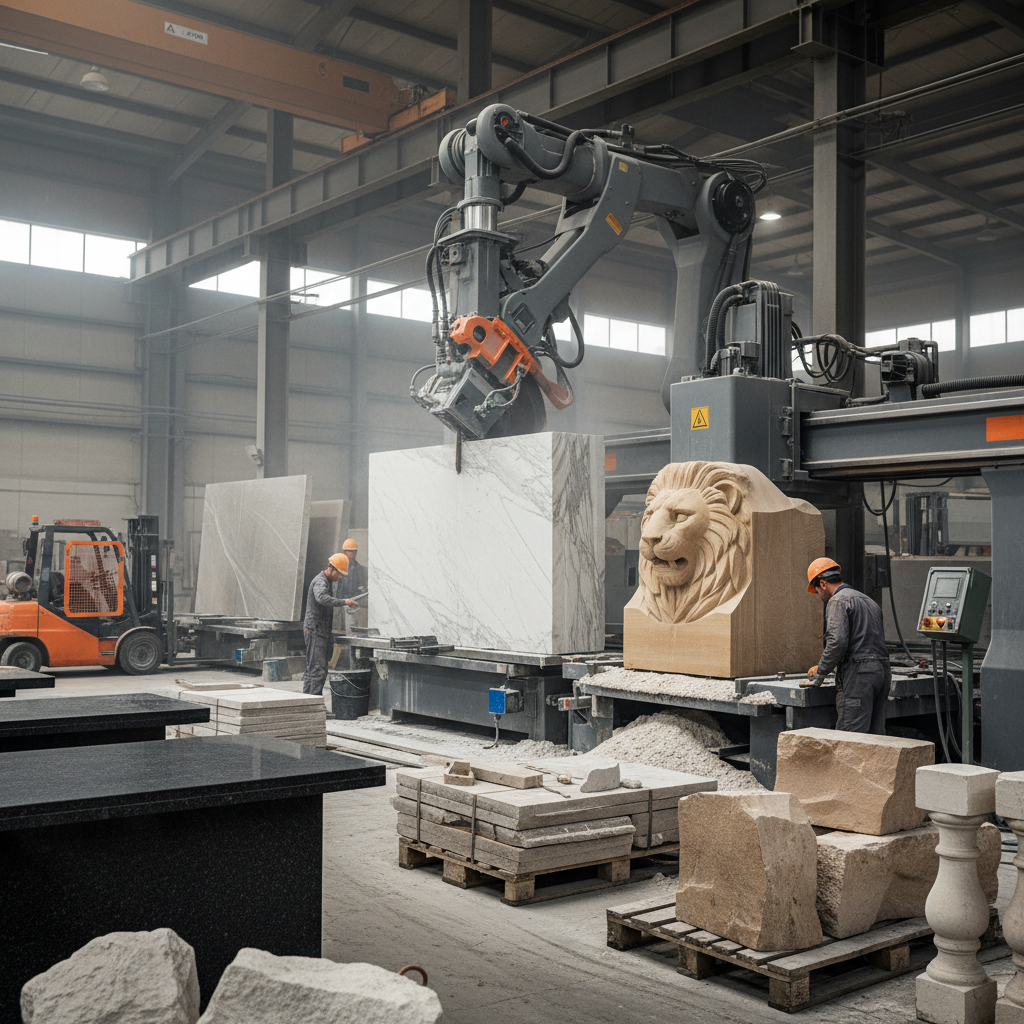
Weight is a big one. Ledgestone is heavy, so you need to ensure proper structural support. Cutting and shaping can also be challenging, especially with harder stones like quartzite. Use the right tools, and don’t be afraid to hire a skilled mason. Finally, color variations can be tricky to manage. Always blend stones from different pallets to create a more natural look.
Yes, absolutely. Most suppliers can offer custom cuts, sizes, and finishes. We recently had a client who wanted ledgestone veneer with a specific texture to match an existing building. The supplier was able to accommodate their request, but it added to the cost and lead time. Be prepared to pay a premium for customization.
Conclusion
Ultimately, ledgestone is a beautiful and durable material, but it’s not without its challenges. Finding a reliable supplier, understanding the nuances of different stone types, and paying attention to detail are all crucial for a successful project. It’s not just about buying stone; it’s about building something that will last.
And, to be honest, whether this thing works or not, the worker will know the moment he tightens the screw. You can have the best designs, the highest quality materials, but if the installation isn’t done right, it’s all for nothing. That’s why experience and craftsmanship still matter. If you are seeking high-quality ledgestone, visit our website: www.sonmacistone.com.