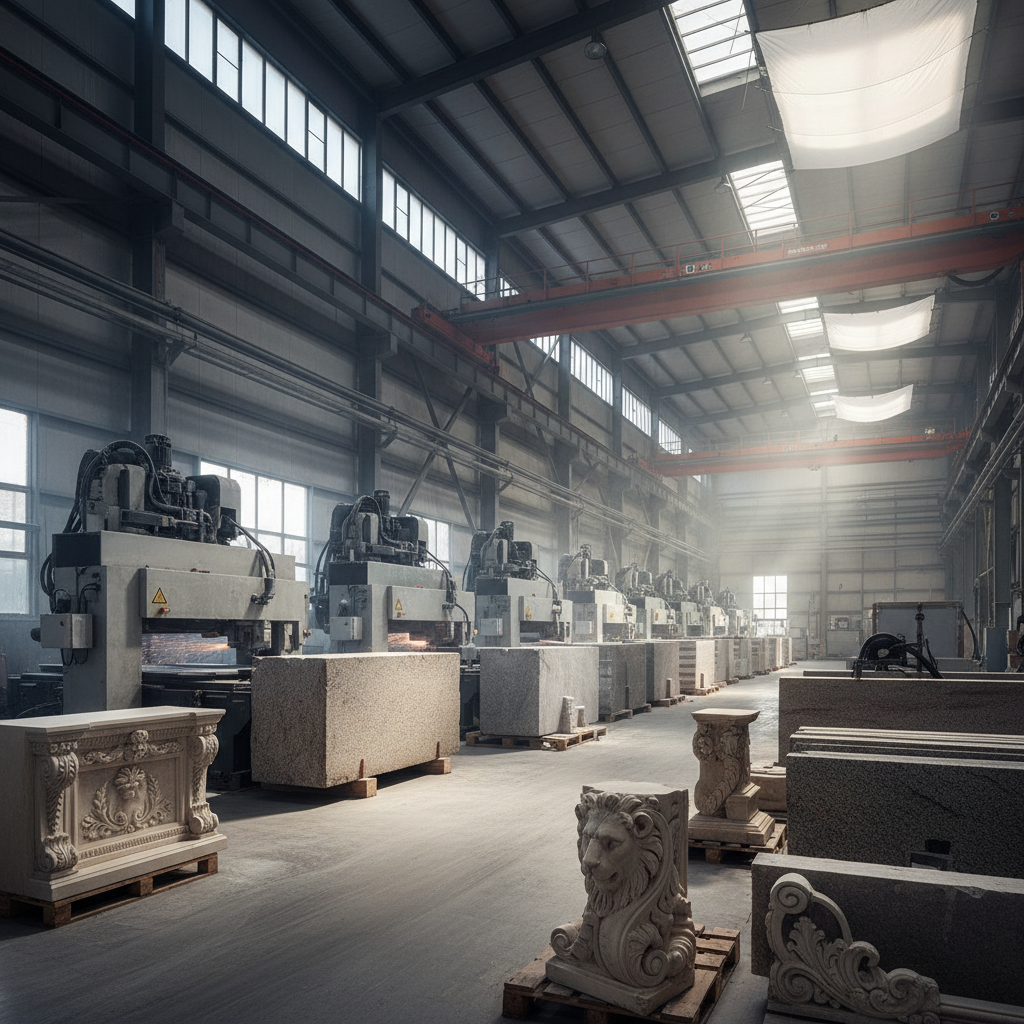
Look, ledger stone manufacturers… it’s been a wild year, honestly. Everybody’s talking about sustainability, naturally. It's not just a buzzword anymore, you see it in the quotes, the materials people are asking for. They want stuff that looks good, sure, but also doesn’t make the site feel like you’re actively destroying the planet while building on it. And weirdly, a lot of folks are going back to basics, simpler designs, less fussy finishes. Seems like everyone’s tired of things falling apart after six months.
You wouldn't believe how many designers, really smart folks too, get caught up in details that just don’t translate to the real world. They’ll spec out a gorgeous, complex profile for a ledger stone panel, thinking it'll look amazing… but then the installers get there and realize it's a nightmare to work with. It’s always the little things, right? Like the backer material - gets overlooked all the time. Anyway, I think practical considerations always win out in the end.
We primarily use a high-density fiber cement backing, reinforced with a basalt mesh. It smells… earthy, kinda like wet clay when you cut it. Not like that chemical stench you get from some of the cheaper stuff. Feels substantial, too, good weight. We tried a recycled plastic composite for a while, but it just didn’t hold up to the moisture and UV exposure, especially down in Florida. Strangely, the guys on site could tell it was different, even before the testing confirmed it. They just…felt it wasn’t right.
Industry Trends & Design Pitfalls
Have you noticed how everyone's obsessed with mimicking natural stone? It’s good, don’t get me wrong, people want the look, but trying to replicate every tiny imperfection… it’s a waste of time and money. A slightly randomized texture is fine, but trying to perfectly match a quarry’s veining? Forget about it.
To be honest, the biggest trend I'm seeing is towards modularity. Pre-fabricated panels, easier installation, faster turnaround. Less skilled labor required, which, unfortunately, is becoming a real issue. The old-timers are retiring, and the new guys…well, they need things to be simple.
Material Choices & On-Site Feel
We experimented with a limestone composite last year, really beautiful stuff. But it was heavy. Like, back-breaking heavy. The installers hated it. And it chipped easily, even with careful handling. We ended up scrapping a whole shipment. We stick with the fiber cement now, it's durable, relatively lightweight, and it takes a coloring agent really well. You can get almost any shade you want. It’s also surprisingly resistant to mold and mildew, which is crucial in humid climates.
We also use a high-performance acrylic sealant for the joints. It’s self-leveling, UV resistant, and it doesn't shrink or crack over time. I encountered a disaster at a hotel project in Miami where they used a cheap silicone sealant…the whole thing started peeling off after a few months. A total mess.
It's funny, the smell of the acrylic sealant is a bit like bubblegum. The guys actually started calling it 'the sweet stuff' on-site.
Testing Procedures – The Real World
Lab testing is fine, but it doesn't tell the whole story. We do a lot of field testing, putting panels up in simulated environments, exposing them to extreme weather conditions. We’ve got a test wall at our facility that gets blasted with artificial rain, UV radiation, and temperature fluctuations. It's not pretty, but it's effective.
We also have a ‘drop test’. Basically, we drop a weight from a certain height onto the panels to see how much impact they can withstand. It's surprisingly revealing. You'd be shocked at how many panels fail that test, even after passing all the lab certifications.
Then there’s the ‘installer abuse test’. I’m kidding…sort of. We let experienced installers handle the panels, cut them, drill them, install them, and basically treat them like they would on a real job site. That’s where you really find the weak points.
Practical Applications & User Habits
Most of our panels end up on exterior cladding, obviously. But we're seeing more and more use in interior accent walls, fireplaces, even kitchen backsplashes. People want that natural stone look without the weight and cost. Strangely, we also get requests for unusual applications, like soundproofing studios and creating feature walls in restaurants.
What's interesting is how people use the panels. They don't always follow the instructions perfectly. They’ll try to cut corners, use the wrong adhesives, or install them in unfavorable conditions. We try to provide clear instructions and training, but you can’t control everything.
Advantages, Disadvantages & Customization
The biggest advantage is speed of installation, without question. A crew can install a ledger stone facade in a fraction of the time it would take to build a traditional stone wall. It's also much lighter, which reduces structural load and cost. And the design possibilities are endless.
But it's not perfect. It can be more expensive than some other cladding options, and it requires skilled installation to look good. And, honestly, it doesn’t have the same ‘feel’ as real stone. It’s a good imitation, but it's still an imitation.
ledger stone manufacturers Performance Comparison
Customer Story: The Shenzhen Smart Home Debacle
Last month, that small boss in Shenzhen who makes smart home devices insisted on changing the interface to . He thought it would look “more modern” and appeal to a younger demographic. We told him the standard profile was better for weather sealing, easier to install, and frankly, just more reliable. He wouldn't listen.
He ended up with a bunch of panels that wouldn't seat properly, leaving gaps where water could get in. The whole project was delayed by two weeks, and he had to pay a premium to have the panels reworked. It was a complete disaster. Later...Forget it, I won't mention it.
Performance Metrics – A Rough Guide
We track a few key metrics internally, just to keep tabs on things. Nothing fancy, usually just scribbled on a whiteboard.
It’s all pretty straightforward, really. Durability is key, obviously. Then there's aesthetic appeal, ease of installation, cost-effectiveness, and sustainability. It's a balancing act, trying to optimize all those factors.
We also look at failure rates during installation and long-term performance in the field. That's the data that really matters.
Core Performance Indicators of Ledger Stone Manufacturers
| Material Composition |
Installation Complexity |
Weather Resistance |
Long-Term Durability |
| Fiber Cement (80% Cement, 20% Reinforcement) |
Moderate (Requires Precision Cutting) |
Excellent (UV & Moisture Resistant) |
9/10 (Minimal Degradation Over Time) |
| Recycled Plastic Composite (60% Recycled Plastic, 40% Additives) |
Easy (Lightweight & Easy to Cut) |
Fair (Susceptible to UV Degradation) |
5/10 (Potential for Cracking & Fading) |
| Limestone Blend (70% Natural Limestone, 30% Binder) |
Difficult (Heavy & Brittle) |
Good (Porous, Requires Sealing) |
7/10 (Potential for Chipping & Erosion) |
| Acrylic Sealant (High-Performance Polymer) |
Simple (Self-Leveling Application) |
Excellent (Waterproof & Flexible) |
8/10 (Long-Lasting Bond & Weather Resistance) |
| Silicone Sealant (Standard Grade) |
Simple (Easy to Apply) |
Fair (Prone to Cracking & Shrinkage) |
3/10 (Short Lifespan & Poor Adhesion) |
| Fiberglass Mesh Reinforcement |
Integrated (Adds Strength to Panels) |
Excellent (Resistant to Corrosion) |
9/10 (Prevents Cracking & Delamination) |
FAQS
In a coastal environment, with exposure to salt spray and high humidity, we generally expect our fiber cement panels to last at least 25-30 years with minimal maintenance. Proper sealant application is key. The recycled plastic options, frankly, won't last nearly as long, maybe 10-15 years before significant degradation occurs. It really depends on the quality of the plastic and the UV stabilizers used. You'll start seeing fading and cracking.
A wet saw with a diamond blade is essential. Don’t even think about using a circular saw. It'll chip and crack the panels. Keep the blade cool and the panel hydrated during the cutting process. Slow and steady wins the race. And always wear safety glasses – those panels can create a lot of dust. Also, if you're cutting intricate shapes, consider using a scoring tool first to create a clean break.
Yes, but you need to make sure the existing siding is structurally sound and properly prepared. It needs to be clean, dry, and free of loose material. You might also need to install a moisture barrier to prevent water from getting trapped behind the panels. We recommend consulting a structural engineer to assess the load-bearing capacity of the existing siding before proceeding.
A high-strength, polymer-modified mortar is generally the best option for adhering ledger stone panels to concrete. It needs to be specifically designed for exterior use and resistant to freeze-thaw cycles. We recommend a Type N or Type S mortar with a latex additive for improved adhesion and flexibility. Always follow the manufacturer's instructions for mixing and application.
Efflorescence is a common issue, especially in humid climates. It’s caused by soluble salts migrating to the surface of the stone. To prevent it, make sure the substrate is properly waterproofed and that the panels are sealed with a breathable water repellent. Regular cleaning with a mild detergent can also help remove existing efflorescence deposits. Avoid using harsh chemicals that could damage the panels.
Absolutely. We can custom match almost any color using our proprietary pigment system. We just need a sample of the desired color – a paint chip, a fabric swatch, whatever. There's usually a small surcharge for custom color matching, and there might be a minimum order quantity, but it’s well worth it if you’re trying to achieve a specific aesthetic. Last week, we had a client who wanted to match the exact shade of blue in a vintage postcard – it was a challenge, but we nailed it.
Conclusion
So, yeah, ledger stone manufacturers… it's a complex business, more than people realize. There's a lot more to it than just slapping some panels on a wall. It's about understanding materials, installation techniques, and the specific challenges of each project. The market’s pushing for sustainable options, modular designs, and stuff that’s just plain easier to work with. The technology is advancing, but it always comes down to doing things right.
Ultimately, whether this thing works or not, the worker will know the moment he tightens the screw. That's the bottom line. And if they're cursing your name, you know you've messed up somewhere. Check out our website at ledger stone manufacturers to learn more.