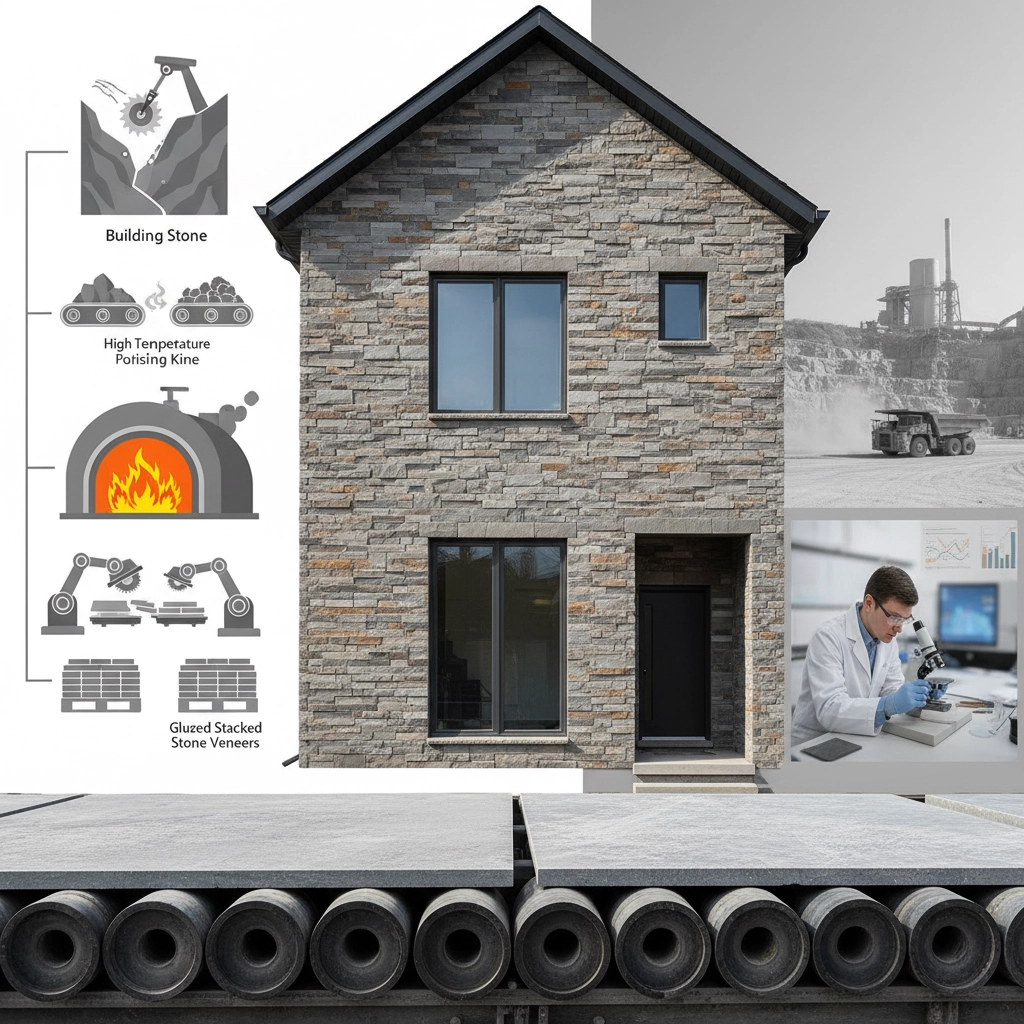
Enhancing a home's curb appeal often begins with the strategic selection of exterior materials, and stone veneer for front of house has emerged as the premier choice for homeowners seeking a balance between luxury and practicality. By providing the timeless aesthetic of full-thickness masonry without the structural burden, these lightweight cladding solutions allow for a sophisticated transformation of any facade, from traditional colonial styles to sleek modern architectures.
Globally, the shift toward engineered and natural thin-cut stone is driven by a desire for sustainable building practices and the need for rapid installation. Modern stone veneer for front of house options, such as glued stacked stone or back cement ledgestone, offer a way to insulate exteriors while simultaneously increasing property valuation through high-end visual appeal.
Understanding the nuances of stone veneer—including material composition, installation methods, and maintenance—is essential for ensuring the long-term integrity of the building envelope. Whether you are aiming for the rugged look of free-form masonry or the precise lines of contemporary paving stone, selecting the right veneer ensures a durable, weather-resistant finish that stands the test of time.
The Global Evolution of Stone Veneer for Front of House
The architectural landscape has shifted dramatically over the last two decades, with a renewed focus on organic materials that connect the built environment to the natural world. stone veneer for front of house has evolved from simple decorative accents to comprehensive cladding systems. This transition is mirrored in global construction data, where the demand for lightweight, prefabricated stone materials has grown as builders seek to reduce carbon footprints and labor costs.
Historically, achieving a stone facade required massive blocks and skilled stonemasons, which was cost-prohibitive for the average homeowner. Today, the integration of advanced cutting technology and high-strength adhesives has democratized luxury, allowing for the seamless application of ledgestone and mosaic patterns on diverse substrates, from concrete blocks to timber frames.
Defining Modern Stone Veneer Applications
At its core, stone veneer for front of house refers to a thin layer of natural or manufactured stone that is applied to the exterior wall of a building to provide the appearance of a solid stone wall. Unlike traditional masonry, these veneers typically range from 1 to 2 inches in thickness, significantly reducing the weight on the foundation while maintaining the tactile and visual qualities of genuine rock.
In the context of modern industry, this technology addresses the urgent need for efficiency and sustainability. By utilizing less raw material per square foot, the industry reduces quarrying waste and transportation emissions. This makes it an ideal solution for urban redevelopment projects where structural limitations prevent the use of heavy full-bed stone.
Beyond mere aesthetics, these materials serve as a protective skin for the home. When installed correctly with a proper moisture barrier, they protect the underlying structure from wind and rain, while the thermal mass of the stone helps in regulating interior temperatures, reducing the energy load required for heating and cooling.
Core Components of High-Quality Exterior Veneers
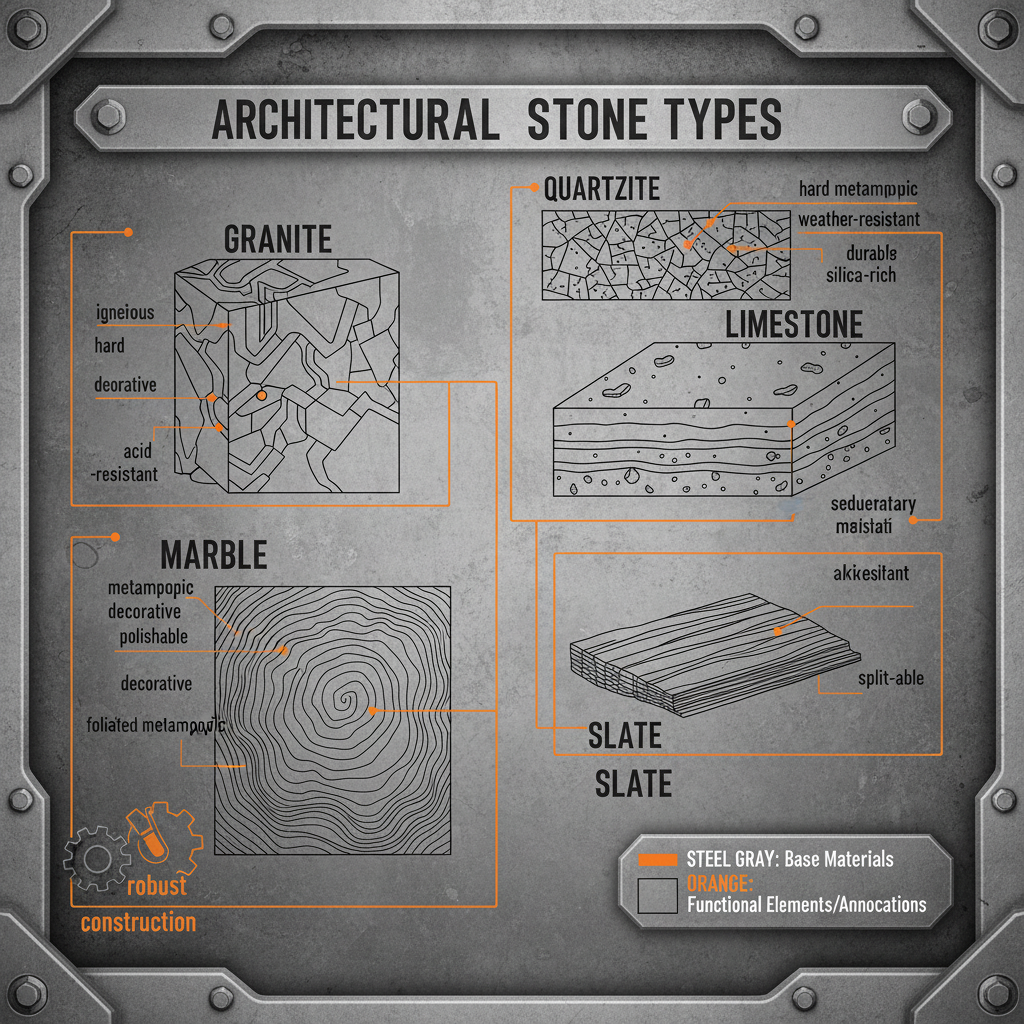
When evaluating stone veneer for front of house, the first critical factor is material durability. High-grade veneers are tested for freeze-thaw resistance, ensuring that water does not penetrate the pores of the stone, freeze, and cause spalling or cracking during harsh winters.
Another essential component is the adhesive system. Whether using back cement ledgestone or glued stacked stone, the bond between the veneer and the substrate must be chemical-resistant and flexible enough to withstand the natural expansion and contraction of the building, preventing the stone from detaching over time.
Finally, the authenticity of the texture and color variance plays a huge role in the final result. Premium stone veneer for front of house replicates the natural geological layering of stone, avoiding repetitive patterns that can make a facade look artificial or "cookie-cutter."
Practical Performance Metrics for Facade Stone
To choose the right product, homeowners and developers must look beyond color and consider performance metrics. The efficiency of stone veneer for front of house is often measured by its installation speed, weight per square meter, and its ability to withstand UV exposure without fading.
Comparing different types of veneers reveals that some are better suited for high-traffic entryways (like paving stones), while others are ideal for high-reaching accent walls (like glued stacked stone). The following data illustrates the comparative ratings of popular veneer methods based on industry standards.
Performance Analysis of Stone Veneer for Front of House Methods
Global Use Cases in Residential Architecture
In North American suburbs, stone veneer for front of house is frequently used to create "accent columns" or wrap the lower third of a home's exterior to create a grounded, estate-like feel. In these regions, the focus is often on versatility and the ability to match the stone with existing brickwork or siding.
Conversely, in European architectural trends, there is a preference for natural, rough-cut free-form stone that blends into the landscape. From the rustic villas of Tuscany to modern Scandinavian homes, thin stone veneers allow architects to maintain a traditional aesthetic while incorporating modern energy-efficient insulation layers behind the stone.
Long-Term Value and Sustainability Benefits
The investment in stone veneer for front of house extends beyond immediate curb appeal. Real estate data consistently shows that homes with high-quality stone exteriors command a higher resale value and sell faster than those with vinyl or plain concrete finishes. This is because stone is perceived as a permanent, high-value material that implies quality construction.
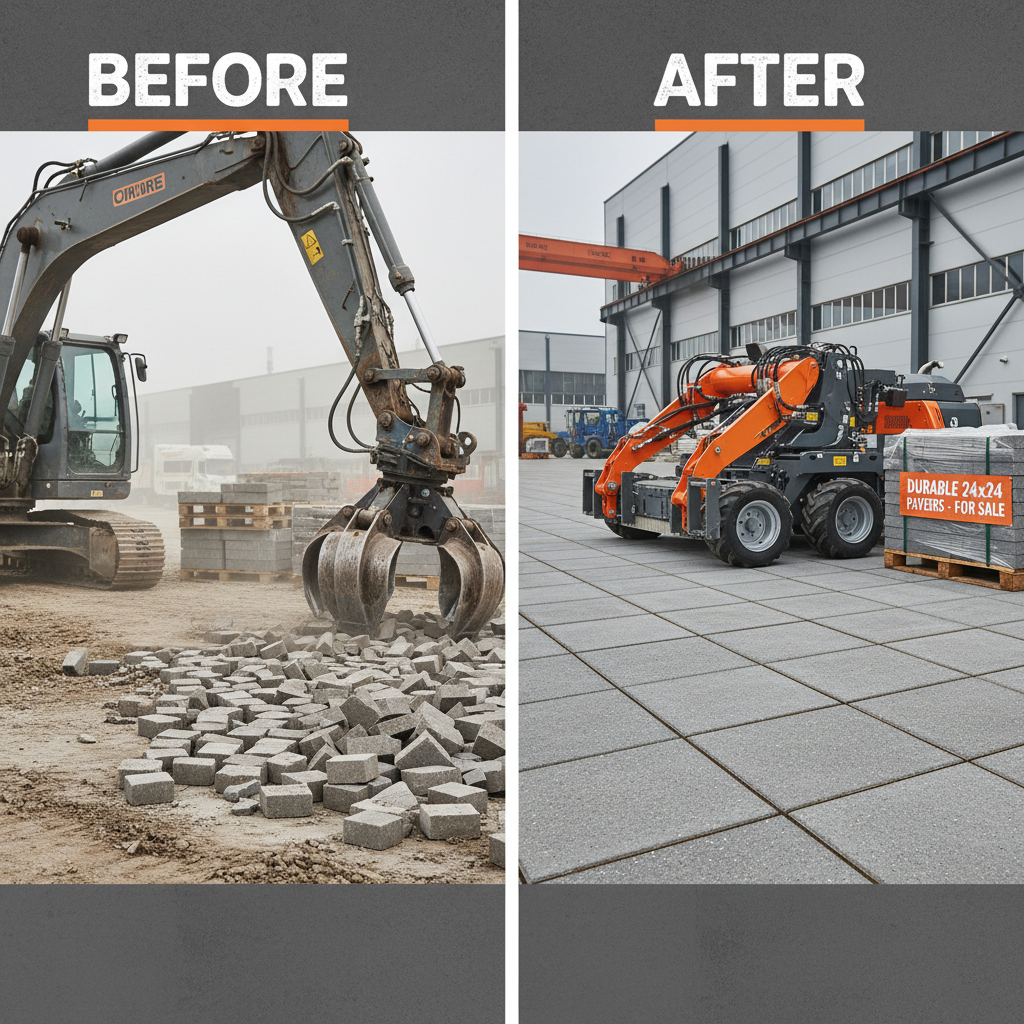
From a sustainability perspective, the move toward veneer is a logical step. Traditional stone masonry requires massive amounts of energy for quarrying and transporting heavy blocks. Veneers utilize the "off-cuts" and thinner slices of stone, maximizing the yield of every slab and reducing the amount of waste sent to landfills.
Moreover, the longevity of stone is unmatched. Unlike paint that peels or siding that warps, a properly installed stone veneer can last for decades with minimal maintenance. This durability provides homeowners with peace of mind and a sense of stability, transforming a house into a lasting legacy.
Future Trends and Innovations in Stone Cladding
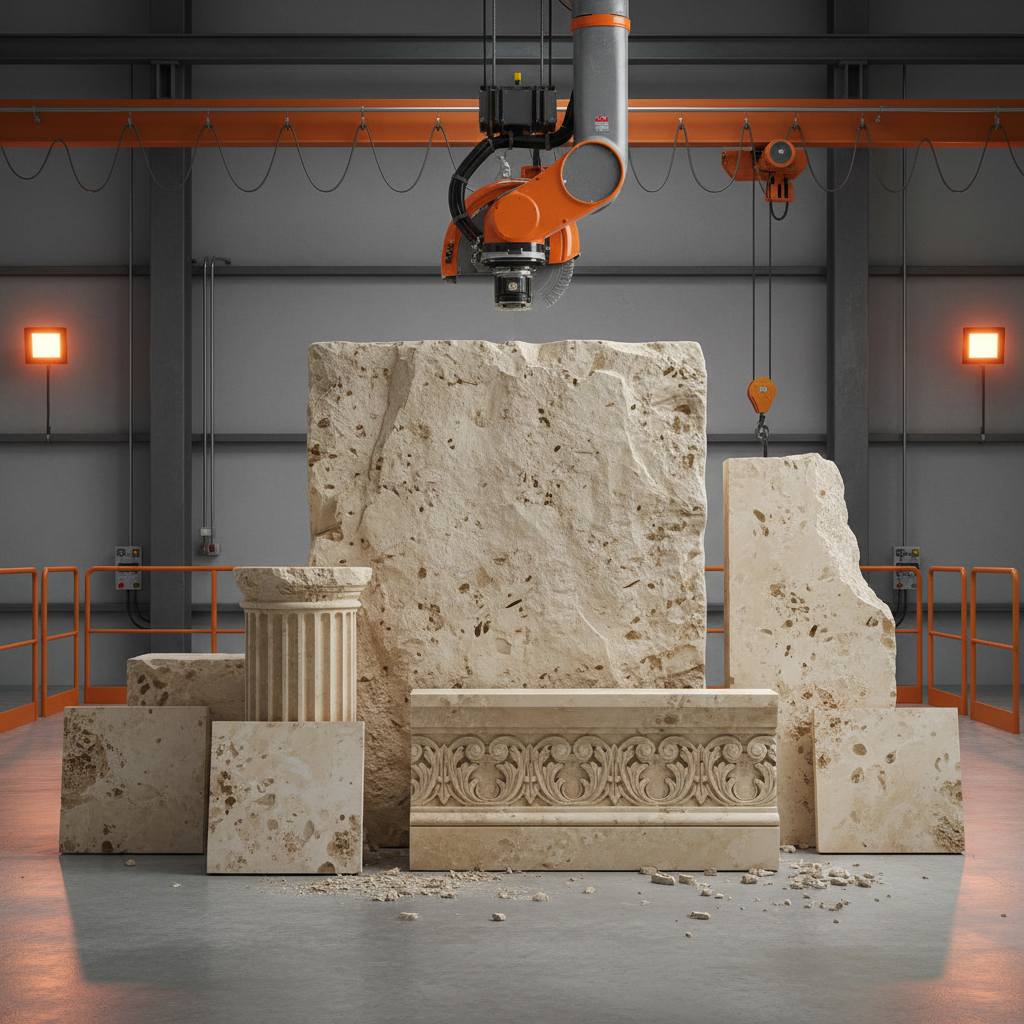
The future of stone veneer for front of house is being shaped by the digital transformation of the manufacturing process. CNC (Computer Numerical Control) cutting is now allowing for "precision-fit" veneers that snap together with minimal mortar, drastically reducing installation time and eliminating human error in alignment.
We are also seeing the rise of "smart stones"—veneers integrated with hydrophobic nano-coatings that repel water and pollutants at a molecular level. This innovation means that stone facades in smoggy urban environments can remain clean for years without needing chemical pressure washing, further enhancing the eco-friendly profile of the material.
Additionally, the integration of sustainable binders in engineered stone is reducing the reliance on high-carbon cement. By using recycled aggregates and bio-based resins, the next generation of stone veneer for front of house will likely be carbon-neutral, aligning perfectly with the global push toward green building certifications.
Comprehensive Analysis of Stone Veneer Types and Their Applications
| Veneer Category |
Installation Complexity |
Durability Score (1-10) |
Best Use Case |
| Glued Stacked Stone |
Low |
8 |
Modern Accents |
| Back Cement Ledgestone |
Medium |
9 |
Full Facades |
| Free Form Masonry |
High |
10 |
Rustic Exteriors |
| Stone Mosaic Panels |
Low |
7 |
Entryway Detail |
| Paving Stone Veneer |
Medium |
9 |
Foundation Bases |
| Cultured Stone |
Low |
8 |
Budget Renovations |
FAQS
For most residential applications, yes. Stone veneer provides the same visual appeal as full-stone but is significantly lighter, meaning you don't need to reinforce your home's foundation. It is also faster to install and generally more cost-effective while offering similar weather resistance.
Depending on the square footage and the type of stone, a front-of-house installation can take anywhere from a few days to two weeks. Glued panels are the fastest, while free-form masonry requires more time for precise fitting and jointing.
In many cases, yes, provided the existing surface is structurally sound and can support the additional weight. However, we strongly recommend removing loose siding or applying a proper cement backer board to ensure a permanent bond and prevent moisture traps.
Stone veneer is very low maintenance. We recommend a visual inspection once a year for any cracks in the mortar. Applying a breathable sealant every 3-5 years can help protect the stone from staining and water penetration in extreme climates.
Natural stone with low porosity or high-density back cement ledgestones are best. The key is to ensure a high-quality waterproof membrane is installed behind the veneer to prevent moisture from seeping into the wall structure.
Stone has a natural thermal mass, meaning it absorbs heat during the day and releases it slowly at night. This can help stabilize the exterior wall temperature, reducing the load on your HVAC system and improving overall energy efficiency.
Conclusion
Integrating stone veneer for front of house is one of the most effective ways to blend timeless beauty with modern engineering. By prioritizing materials that offer high durability, low weight, and authentic aesthetics, homeowners can significantly elevate their property's value and structural protection. From the selection of ledgestone to the precision of glued panels, the right veneer transforms a simple facade into a statement of elegance and permanence.
As the industry moves toward smarter, greener materials and more efficient installation techniques, the accessibility of luxury stone continues to grow. Whether you are renovating a historic home or designing a contemporary masterpiece, we encourage you to explore the diverse textures and colors available to create a welcoming and durable exterior. For professional guidance and premium stone solutions, visit our website: www.sonmacistone.com.