The architectural world has always looked to the earth for inspiration and stability, and natural building stone remains the gold standard for those seeking a blend of timeless beauty and structural integrity. From the majestic cathedrals of Europe to modern luxury villas, the use of authentic stone provides an organic connection to the environment that synthetic materials simply cannot replicate. Understanding the nuances of these materials is essential for architects, developers, and homeowners who wish to maximize the lifespan and aesthetic value of their projects.
Globally, the shift toward sustainable construction has revitalized interest in geological materials. Unlike manufactured cladding, natural building stone offers a low-carbon footprint over its entire lifecycle, provided it is sourced responsibly. The versatility of this medium—ranging from the rugged charm of glued stacked stone veneers to the polished elegance of high-end floor tiles—allows for a seamless transition between interior luxury and exterior resilience.
However, selecting the right stone involves more than just visual appeal; it requires a deep dive into porosity, compressive strength, and thermal properties. Whether utilizing paving stones for high-traffic urban walkways or intricate stone mosaics for artistic focal points, the intersection of geology and engineering ensures that a building not only stands the test of time but grows more beautiful as it weathers.
Global Industry Context of Natural Building Stone
The global market for natural building stone is currently experiencing a paradigm shift. With the rise of "Green Building" certifications such as LEED and BREEAM, the industry is moving away from energy-intensive synthetic composites and returning to earth-derived materials. ISO standards now place a higher emphasis on the traceability of quarrying practices, ensuring that the stone used in modern skyscrapers doesn't come at the cost of ecological devastation.
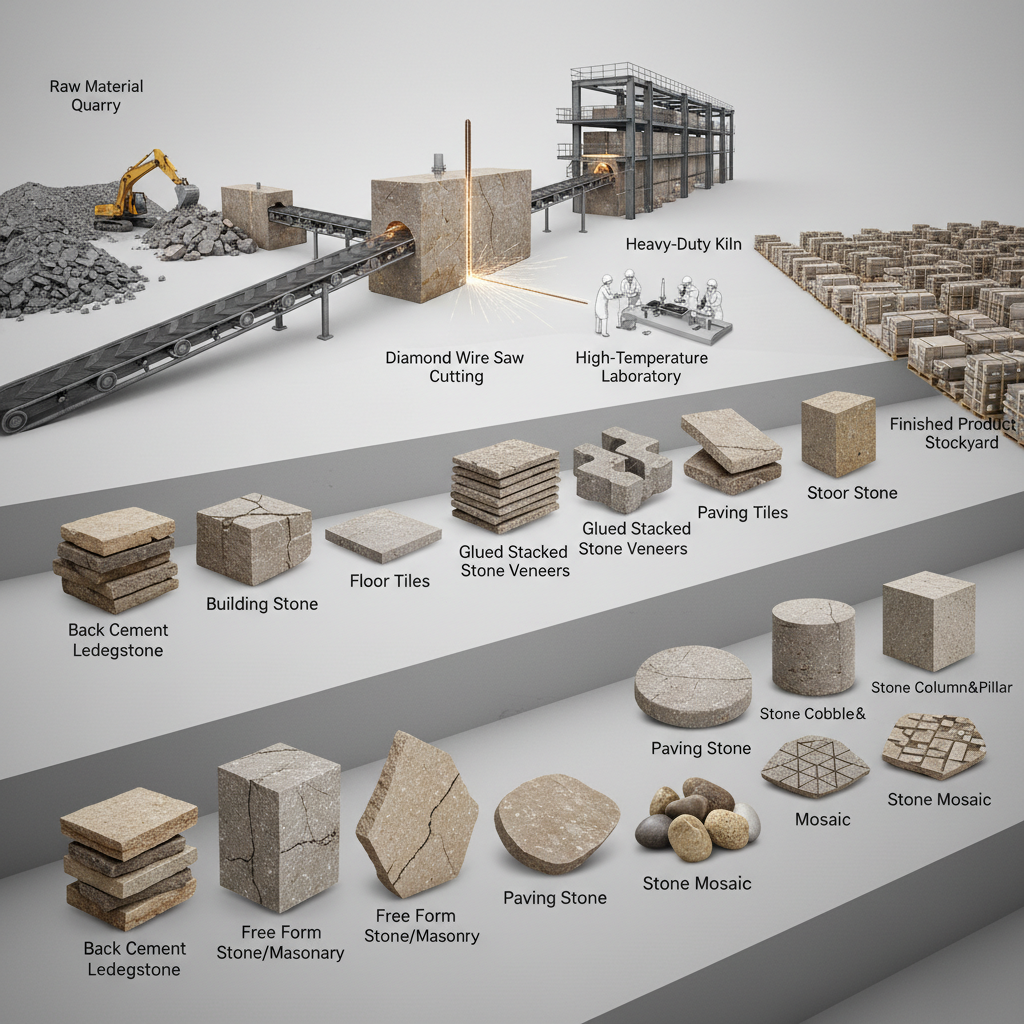
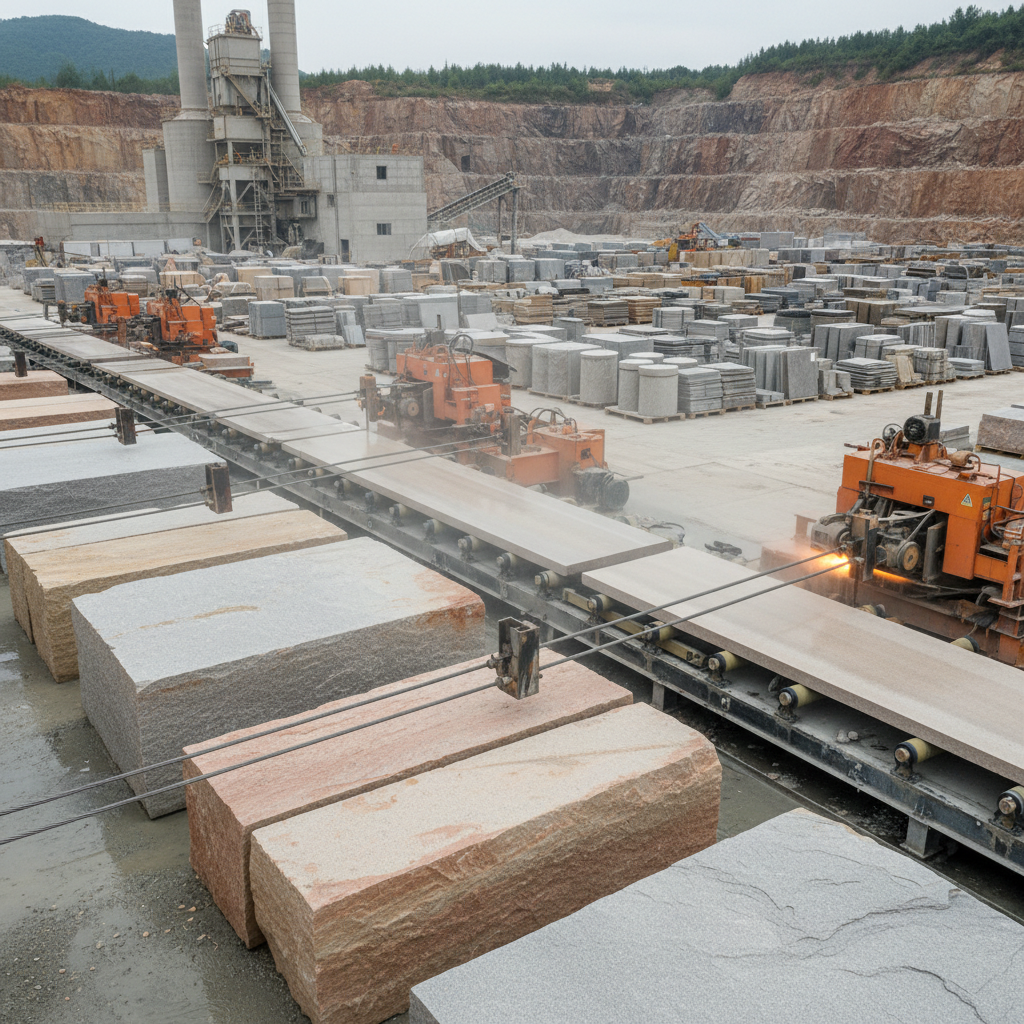
Despite this resurgence, the industry faces the challenge of balancing traditional craftsmanship with the demands of rapid urbanization. The need for standardized dimensions in products like back cement ledgestone and stone columns has led to a hybrid approach where CNC precision cutting meets the raw, organic texture of the quarry. This evolution allows for faster installation times without sacrificing the authentic feel of the material.
Defining the Essence of Natural Building Stone
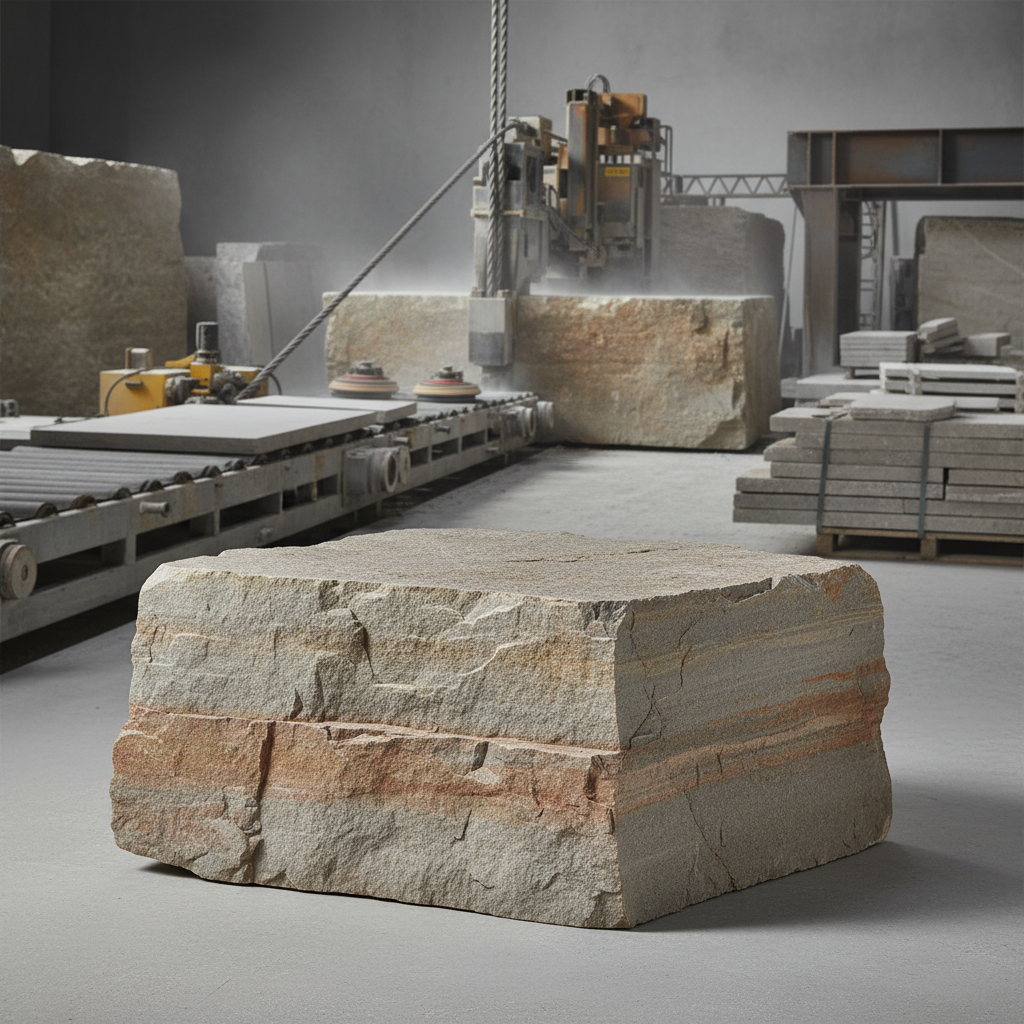
In its simplest terms, natural building stone refers to any rock extracted from the earth that is processed for use in construction, landscaping, or interior design. Unlike cast concrete or engineered quartz, these materials are formed over millions of years through igneous, sedimentary, or metamorphic processes, giving each piece a unique molecular structure and visual fingerprint.
In the context of modern industry, this material serves as more than just a structural element; it is a solution to the "disposable architecture" crisis. By utilizing high-density materials such as granite or limestone for flooring and cladding, developers can create assets that maintain their value for centuries rather than decades, effectively reducing the long-term waste generated by frequent renovations.
Furthermore, the connection between natural stone and humanitarian needs often manifests in the creation of durable public infrastructure. In regions prone to extreme weather, the use of heavy-duty paving stones and robust stone masonry provides a level of flood and wind resistance that lightweight alternatives cannot match, ensuring the safety and stability of community hubs.
Core Components of High-Quality Stone Selection
When evaluating natural building stone, durability is the primary metric. This includes the stone's resistance to abrasion, its compressive strength, and its ability to withstand freeze-thaw cycles without cracking. For exterior applications like stepping stones or stone cobbles, a low absorption rate is critical to prevent water ingress and subsequent spalling.
Scalability and installation efficiency have also become core components of the selection process. The development of glued stacked stone veneers has revolutionized the industry, allowing the aesthetic of heavy masonry to be achieved with lightweight panels. This shift reduces the structural load on buildings while maintaining the luxury appearance of traditional natural building stone.
Finally, aesthetic consistency and color stability play a vital role. High-quality stone is vetted for minimal veining defects and uniform mineral distribution. Whether the project calls for the earthy tones of free form stone or the precision of stone mosaics, ensuring that the material will not fade under UV exposure is a hallmark of professional-grade sourcing.
Practical Applications and Global Use Cases
The application of natural building stone varies wildly across different geographic and climatic zones. In Mediterranean regions, light-colored limestones are frequently used for flooring and exterior walls to reflect solar heat, naturally cooling the interior of the building. Meanwhile, in Northern Europe, dark basalt and granite are preferred for their incredible resilience against salt and ice in urban paving.
In luxury commercial zones, such as the financial districts of Singapore or New York, the use of high-polish floor tiles and monumental stone columns creates an atmosphere of permanence and trust. In contrast, in rural eco-tourism resorts, "free form stone" and masonry are used to blend the architecture into the surrounding landscape, minimizing the visual impact on the natural environment.
Performance Comparison of Natural Building Stone Variants
Long-Term Value and Sustainability Benefits
Investing in natural building stone is fundamentally a decision of economic prudence. While the initial procurement cost may be higher than synthetic alternatives, the lifecycle cost is significantly lower. Natural stone requires minimal maintenance and does not need to be replaced every decade, which drastically reduces the long-term expenditure for facility managers and homeowners.
Beyond the financial aspect, there is a profound emotional and psychological value. The tactile nature of stone—its coolness in summer and its perceived solidity—evokes a sense of safety and dignity. In an era of rapid change and digital volatility, the permanence of a stone-clad building serves as an anchor of reliability and timelessness.
Future Trends in Stone Fabrication Technology
The future of natural building stone is being shaped by the intersection of geology and digital transformation. Robotic water-jet cutting and 5-axis CNC milling are now allowing architects to design complex, parametric stone structures that were previously impossible to carve by hand. This allows for a level of precision in stone columns and pillars that integrates perfectly with modern steel and glass frameworks.
Sustainability is driving the innovation of "circular stone" economies. We are seeing an increase in the reclamation of old paving stones and the repurposing of quarry waste into high-performance aggregates. This not only reduces the environmental impact of mining but also adds a layer of historical character to new constructions through the use of weathered, antique materials.
Furthermore, the integration of smart sensors within stone cladding is an emerging trend. These sensors can monitor moisture levels and structural stress in real-time, allowing for predictive maintenance of large-scale stone facades. This digital layer ensures that the ancient strength of the stone is augmented by the intelligence of the 21st century.
Overcoming Challenges in Stone Implementation
One of the primary challenges in utilizing natural building stone is the sheer weight of the material, which can complicate logistics and increase structural requirements. The industry has solved this through the engineering of thin-cut veneers and back cement ledgestone, which provide the visual weight of stone without the physical burden, making them ideal for interior accent walls and high-rise cladding.
Another common concern is the susceptibility of certain stones to staining and chemical erosion. Expert solutions now include the use of nano-sealants—invisible barriers that penetrate deep into the stone's pores to repel water and oils without altering the breathability or color of the material. This ensures that white marble floor tiles or sandstone paving remains pristine even in high-traffic areas.
Finally, the variability of natural patterns can be a challenge for those seeking absolute uniformity. The solution lies in rigorous "slab matching" and digital mapping, where each piece of stone is scanned and arranged digitally before installation. This allows for the creation of "book-matched" patterns that turn a simple wall into a natural work of art.
Comparative Analysis of Natural Building Stone Application Methods
| Installation Method |
Material Weight |
Installation Speed |
Longevity Score |
| Traditional Masonry |
Very High |
Slow |
10/10 |
| Glued Veneers |
Low |
Very Fast |
7/10 |
| Dry-Stacking |
High |
Medium |
9/10 |
| Mechanical Fixing |
Medium |
Medium |
9/10 |
| Thin-set Mortar |
Low |
Fast |
8/10 |
| Interlocking Paving |
Medium |
Fast |
9/10 |
FAQS
Natural building stone offers unparalleled authenticity and a unique aesthetic that cannot be perfectly mimicked by machines. Beyond looks, it generally possesses superior thermal mass, contributing to energy efficiency by regulating indoor temperatures. Most importantly, it is a breathable, non-toxic material that does not off-gas volatile organic compounds (VOCs), making it a healthier choice for indoor air quality.
The choice depends on the desired architectural style. Ledgestone, particularly back cement ledgestone, provides a structured, linear look that suits modern and contemporary designs. Free form stone is irregular and organic, making it ideal for rustic, traditional, or "cottage-core" aesthetics where you want the building to look as if it grew naturally from the earth.
While naturally durable, exterior stone requires basic care. We recommend periodic sealing (every 2-5 years depending on exposure) to prevent deep staining and water penetration. For high-traffic paving stones, a simple pressure wash and the application of a professional-grade sealant are usually sufficient to keep the stone looking new for decades.
Yes, but material selection is key. Low-porosity stones like granite or slate are excellent for wet areas. For more porous stones like limestone or marble, a high-quality penetrating sealer is mandatory to prevent water absorption and mold growth. Using a proper waterproof membrane under the stone is also essential for structural integrity.
Look for suppliers who provide transparency regarding their quarrying locations and adhere to international standards such as ISO 14001 (Environmental Management). Ask for certifications that prove the quarry follows land restoration protocols, ensuring that once the stone is extracted, the area is returned to a natural or usable state.
When installed correctly with appropriate anchors and sealants, a natural building stone facade can easily last over 100 years. Many of the world's oldest buildings are still standing today because of the inherent durability of stone. Unlike siding or paint, stone does not rot or peel; it simply weathers, often gaining a beautiful patina that increases the property's character.
Conclusion
The enduring appeal of natural building stone lies in its unique ability to bridge the gap between raw geological power and refined architectural elegance. From the practical benefits of durability and thermal efficiency to the aesthetic luxury of stone mosaics and ledgestone, these materials offer a sustainable path forward for the construction industry. By prioritizing quality sourcing and innovative installation techniques, we can create spaces that are not only structurally sound but emotionally resonant.
Looking ahead, the integration of digital fabrication and eco-conscious quarrying will only enhance the versatility of stone in the modern world. We encourage architects and developers to move beyond the temporary nature of synthetic materials and embrace the permanence of the earth. For those ready to elevate their next project with authentic materials, explore the possibilities at our website: www.sonmacistone.com.