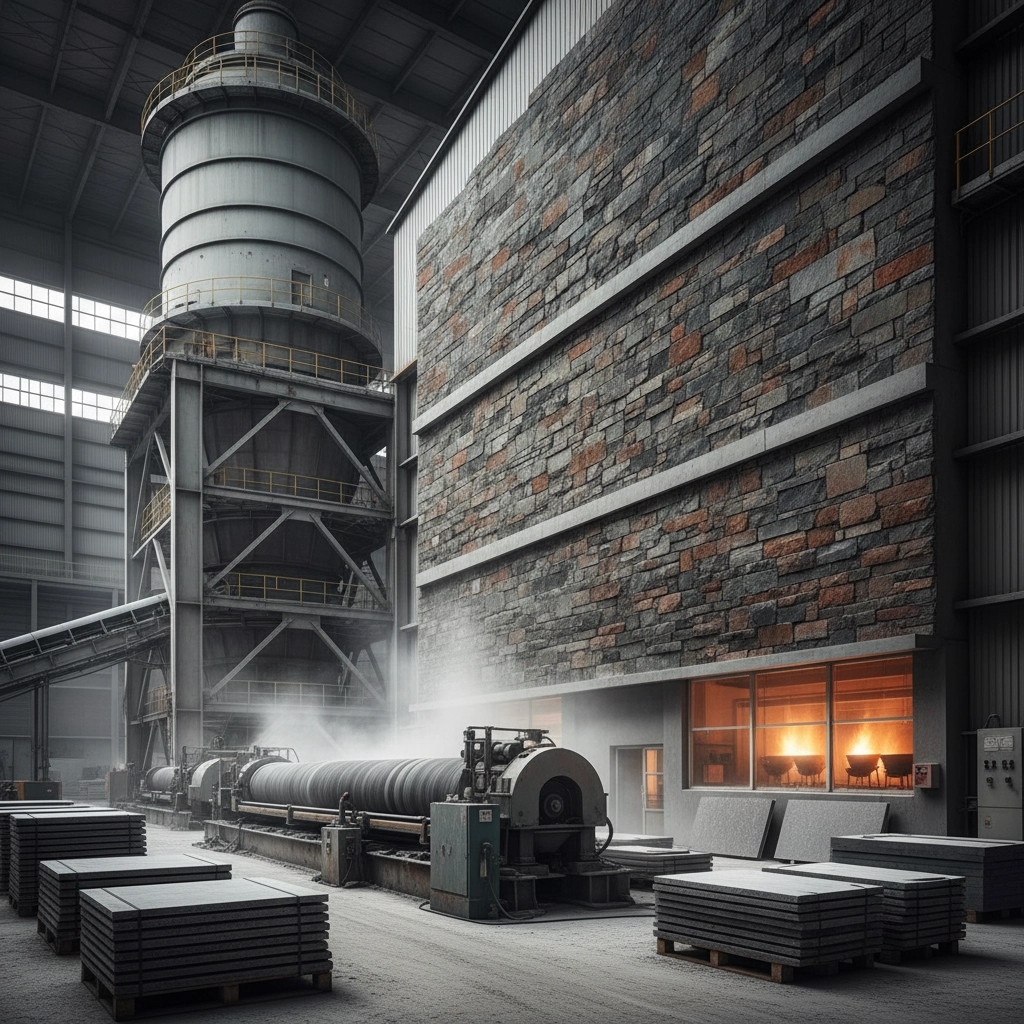
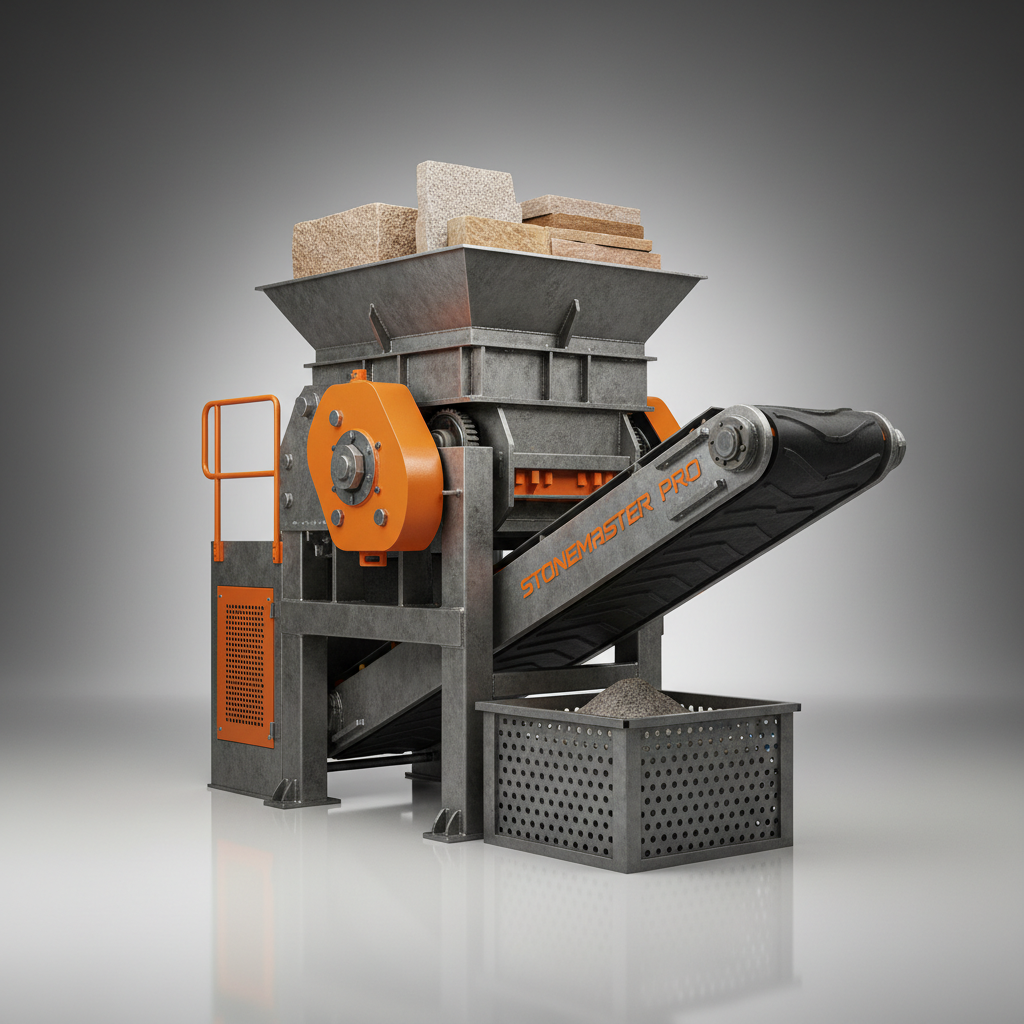
Integrating a manufactured stone wall into modern architectural design has revolutionized how we approach aesthetic luxury and structural practicality. By utilizing advanced casting technologies and high-quality mineral aggregates, these systems provide the timeless allure of natural stone without the prohibitive costs and logistical burdens of quarrying massive slabs.
Globally, the shift toward sustainable building materials has placed the manufactured stone wall at the forefront of exterior and interior cladding. As urbanization accelerates, developers are seeking materials that offer rapid installation cycles and consistent quality control, ensuring that luxury finishes are accessible for both high-end residential projects and large-scale commercial developments.
Understanding the nuances of these composite materials allows homeowners and architects to maximize property value while minimizing maintenance. From enhancing curb appeal with a rustic ledgestone look to creating sophisticated interior accent walls, the versatility of engineered stone ensures a perfect balance between nature-inspired beauty and industrial precision.
Global Industry Context of Manufactured Stone Wall
The global construction market is currently witnessing a paradigm shift toward "lightweighting" structural facades. According to recent industry trends and ISO standards for building materials, the demand for a manufactured stone wall has surged as a response to the dwindling availability of high-grade natural quarries and the rising cost of traditional masonry labor.
In North America and Europe, the challenge of strict environmental regulations regarding quarrying has pushed architects toward engineered alternatives. These solutions not only mimic the geological characteristics of natural stone but also integrate modern additives that increase freeze-thaw resistance, making them superior for volatile climates compared to some natural sedimentary rocks.
Defining the Manufactured Stone Wall System
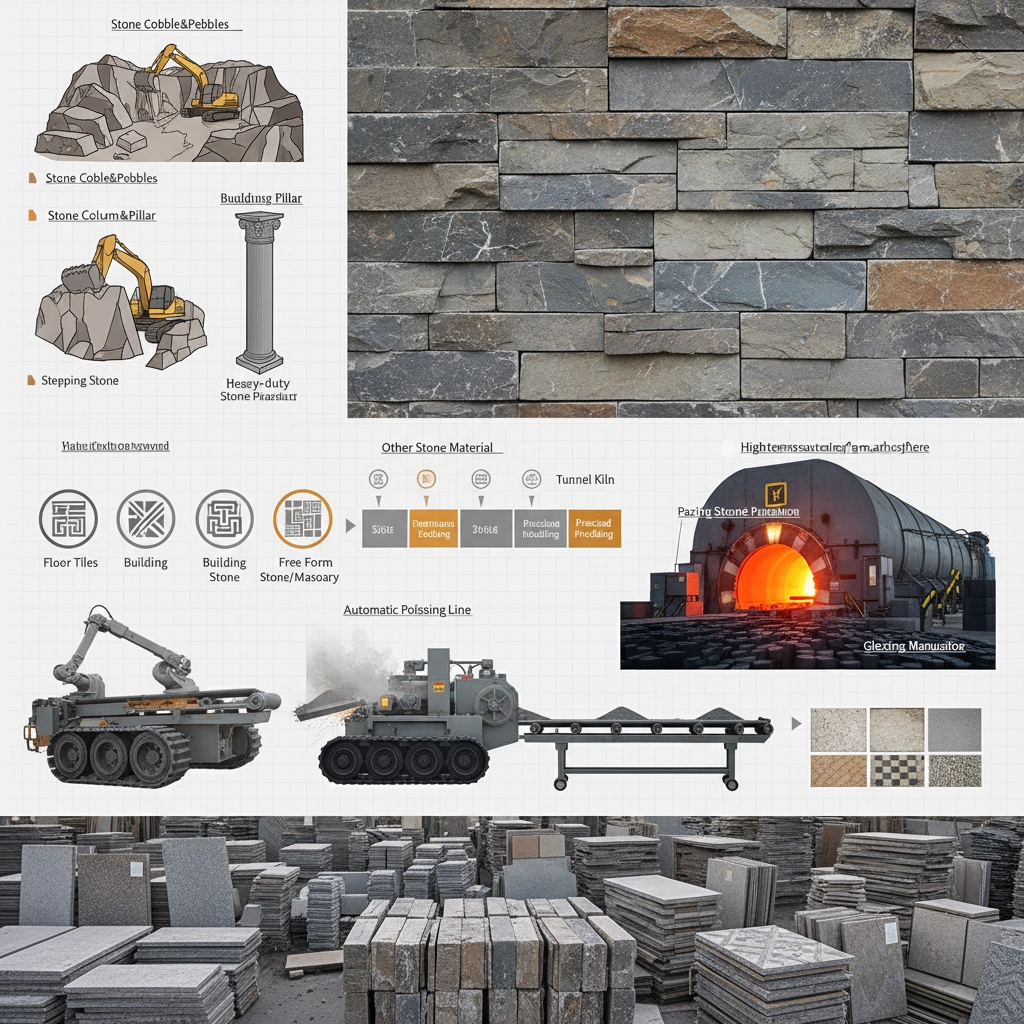
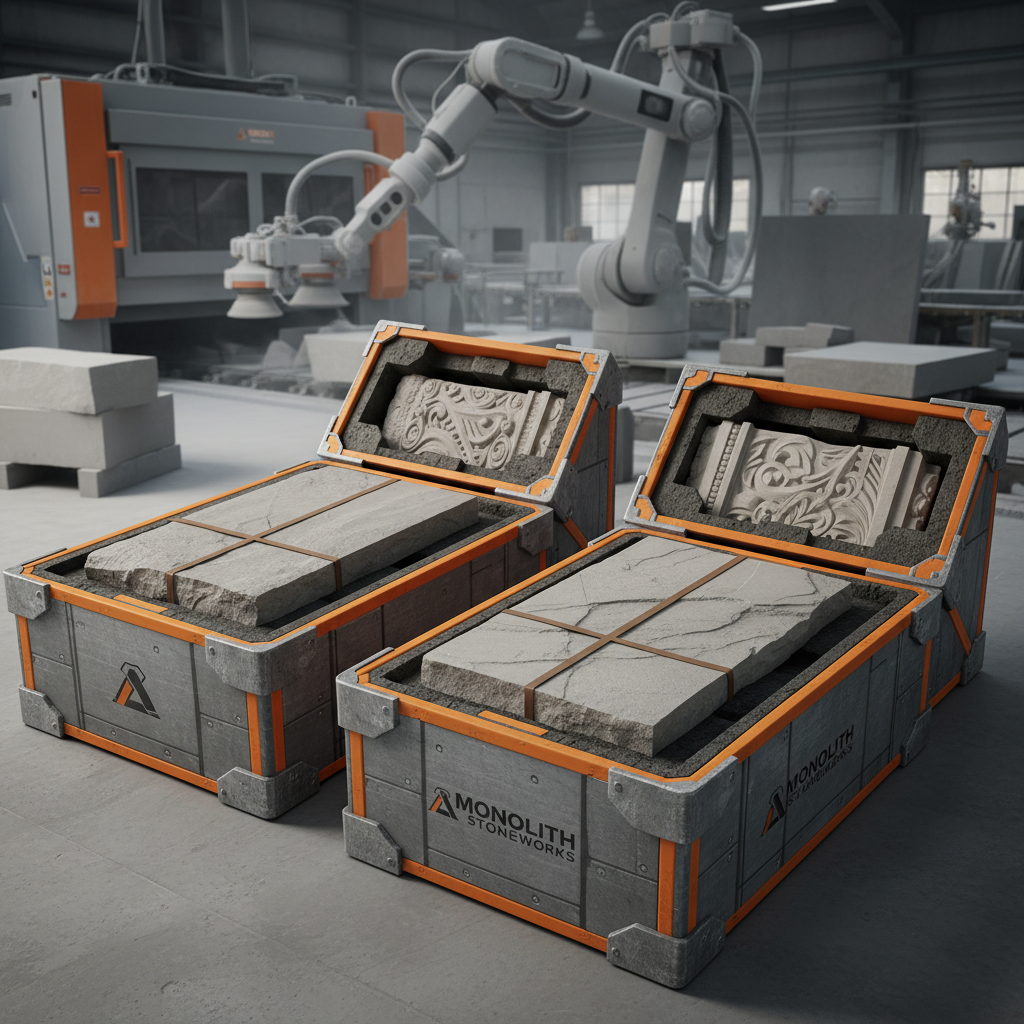
At its core, a manufactured stone wall is a sophisticated composite material created from a mixture of portland cement, crushed stone, and iron oxide pigments. This mixture is cast in molds that are often taken from actual natural stone faces, ensuring that the texture, clefts, and mineral veins are replicated with surgical precision.
Unlike traditional heavy masonry, these systems are typically designed as veneers. This means they provide the visual weight and prestige of a full-stone wall while remaining thin enough to be adhered directly to existing substrates. This connection to modern industry allows for a "plug-and-play" approach to luxury design, where the aesthetic of a centuries-old castle can be achieved in a matter of days.
From a humanitarian and urban planning perspective, the adoption of these materials reduces the carbon footprint associated with transporting heavy stone over long distances. By utilizing local cement and aggregated minerals, the manufactured stone wall provides a scalable solution for beautifying urban environments without the ecological devastation of open-pit mining.
Core Components for Maximum Durability
The structural integrity of a manufactured stone wall depends heavily on the quality of the cementitious binder. High-grade portland cement ensures that the veneer maintains its shape and bond under extreme pressure, preventing the delamination that often plagues lower-quality synthetic alternatives.
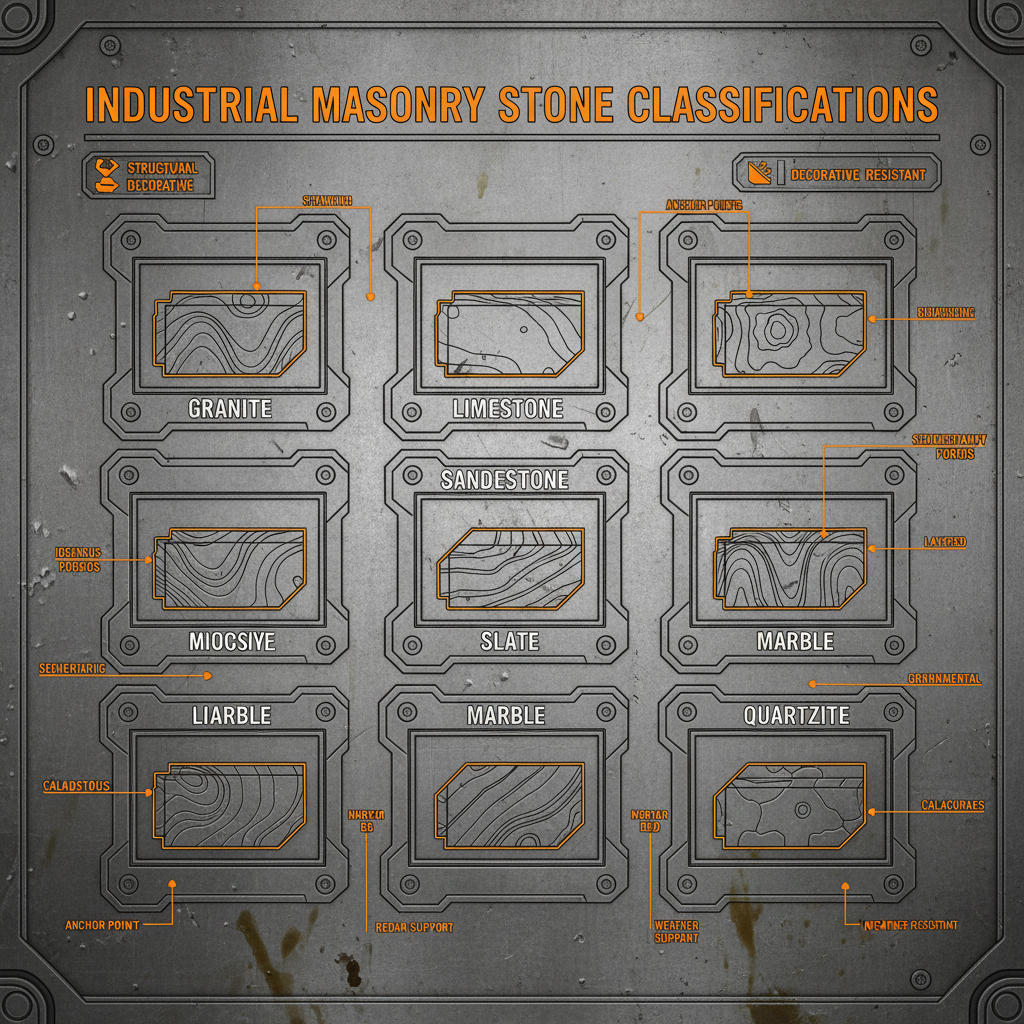
Material scalability and precision are achieved through the use of high-fidelity molds. By varying the aggregate size—from fine sand to coarse crushed granite—manufacturers can create a manufactured stone wall that varies in texture from smooth, honed surfaces to rugged, rustic ledgestone, catering to diverse architectural styles globally.
Finally, the integration of hydrophobic sealants is critical. These chemical additives penetrate the porous surface of the engineered stone, preventing water ingress and salt crystallization. This ensure that the manufactured stone wall remains vibrant and crack-free even in coastal regions where salt spray can erode natural limestone.
Global Applications and Use Cases
In real-world contexts, the manufactured stone wall is utilized across a spectrum of environments. In the luxury hospitality sector in Southeast Asia, for instance, it is frequently used in resort lobbies to create an "organic" atmosphere that blends the building with its tropical surroundings while ensuring the walls can withstand high humidity.
Moreover, in remote industrial zones or post-disaster reconstruction projects, these veneers are prized for their ease of transport. Because they are significantly lighter than full-cut stone, they can be shipped in larger quantities to isolated areas, allowing for the rapid creation of durable, dignified structures that provide both psychological comfort and physical protection.
Performance Comparison of Manufactured Stone Wall Types
Long-Term Value and Sustainability
The tangible benefits of investing in a manufactured stone wall extend beyond mere aesthetics. From a financial perspective, these installations typically offer a higher Return on Investment (ROI) because they increase the perceived value of a property while costing significantly less to install and maintain than authentic masonry.
Sustainability is another core advantage. By reducing the need for heavy machinery used in quarrying and decreasing the carbon emissions associated with long-haul logistics, engineered stone represents a greener choice. Furthermore, the use of recycled aggregates in some manufacturing processes aligns these products with the circular economy, promoting a future where luxury doesn't come at the cost of the planet.
Future Innovations in Stone Engineering
Looking ahead, the evolution of the manufactured stone wall is being driven by digital transformation. 3D printing technology is beginning to enter the stone industry, allowing for the creation of hyper-customized textures and geometries that were previously impossible to cast in a mold, offering architects unprecedented creative freedom.
Automation in the coloring process is also enhancing consistency. New robotic spraying systems can apply multi-tonal glazes to each stone piece, ensuring that no two stones look identical, which removes the "pattern repeat" common in early engineered stone products and moves the manufactured stone wall closer to natural perfection.
Furthermore, the integration of "smart materials," such as photocatalytic coatings that can break down smog and pollutants in urban air, is turning these walls into active environmental filters. This transition from passive decoration to active infrastructure marks the next frontier in stone technology.
Overcoming Implementation Challenges
Despite the advantages, a common challenge in installing a manufactured stone wall is the risk of improper substrate preparation. If the base wall is not properly waterproofed or leveled, the veneer can crack or detach over time due to thermal expansion.
Expert insights suggest the use of high-polymer modified mortars and mechanical fasteners for taller installations. By combining chemical adhesion with physical support, installers can ensure that the wall remains secure even in seismic zones or areas with extreme temperature fluctuations.
Another limitation is the perception of "artificiality." This is being solved through "bio-mimicry" in design, where manufacturers study the mineralogy of specific regions—such as the limestone of the Cotswolds or the granite of the Alps—to recreate the exact chemical and visual signature of those stones.
Comparative Analysis of Manufactured Stone Wall Installation Methods
| Method Type |
Labor Intensity |
Durability Score |
Cost Efficiency |
| Adhesive-Only |
Low |
6/10 |
Very High |
| Mortar-Set |
Medium |
8/10 |
High |
| Mechanical Anchor |
High |
10/10 |
Moderate |
| Hybrid System |
Medium |
9/10 |
High |
| Dry-Stack Panel |
Low |
7/10 |
Very High |
| Interlocking Tile |
Low |
7/10 |
High |
FAQS
Yes, in many cases, it can be more durable. Because it is engineered, manufacturers can add polymers and sealants that make it more resistant to freeze-thaw cycles and chemical weathering than certain types of natural sandstone or limestone. However, its longevity depends heavily on the quality of the installation and the substrate.
Absolutely. One of the biggest advantages of these veneers is their light weight. As long as you use a proper cement backer board or moisture-resistant substrate to provide a rigid surface, the stone can be safely adhered to wooden framing without requiring additional structural reinforcement.
Maintenance is minimal. For most installations, a gentle power wash or a soft brush with mild soap and water is sufficient. We recommend applying a high-quality breathable sealer every 3-5 years to maintain the color vibrancy and prevent organic growth like moss or mildew in damp areas.
Yes, significantly. Stone finishes are universally associated with luxury and stability. By enhancing the "curb appeal" of a property, a manufactured stone wall can increase the appraisal value and attract more buyers, providing a high ROI compared to the actual cost of materials.
Ledgestone typically features longer, flatter pieces that create a more linear, contemporary look. Stacked stone consists of smaller, more varied blocks that mimic the appearance of stones piled naturally. Both are types of manufactured stone walls, but they evoke different architectural moods.
Yes. By reducing the need for massive quarrying operations and lowering the transportation weight, the carbon footprint is greatly reduced. Many manufacturers also incorporate recycled minerals into their mix, making it a sustainable alternative to traditional stone masonry.
Conclusion
The adoption of the manufactured stone wall represents a perfect marriage between geological beauty and industrial innovation. By analyzing its global context, material components, and diverse applications, it is clear that engineered stone offers a scalable, durable, and aesthetically superior alternative to traditional masonry. Its ability to provide high-end luxury while adhering to sustainable building practices makes it an essential tool for modern architects and homeowners alike.
As we look toward a future of smart materials and 3D printing, the potential for these stone systems to evolve into active, environmentally beneficial infrastructure is immense. Whether you are looking to increase property value or design a landmark commercial space, embracing the versatility of manufactured stone is a strategic investment in both style and substance. Visit our website for more professional stone solutions: www.sonmacistone.com