Cultured Stone for Houses Exterior: Sustainable Beauty Meets Durability
Understanding Cultured Stone for Houses Exterior: Why It Matters Worldwide
Let’s start with the basics: cultured stone for houses exterior is quickly becoming a go-to choice for homeowners, architects, and builders aiming to combine beauty with practicality. Why does this matter beyond just curb appeal? Globally, sustainable and cost-effective building materials are crucial as urbanization and climate challenges push us toward smarter construction choices. Cultured stone not only offers an aesthetic upgrade that mimics natural stone’s charm but also brings key benefits like reduced environmental impact, easier installation, and durable performance.
Whether you're remodeling a mountain cabin or designing an energy-efficient home in the suburbs, grasping what cultured stone offers can seriously change your approach — and in ways you might not expect.
Takeaway: Cultured stone is not just a pretty face; it’s an increasingly vital material helping to meet global construction challenges sustainably.The Global Context: Why Cultured Stone Is Gaining Momentum
Across the world, there’s a push toward sustainable building methods — the UN Environment Programme highlights that buildings account for nearly 40% of global energy use and CO2 emissions. As a result, industries are searching for materials that reduce environmental footprints while maintaining quality and affordability. Cultured stone fits neatly here.
Consider this: in North America and Europe, the residential renovation markets are growing steadily, driven by homeowners seeking durable, low-maintenance exteriors. Meanwhile, in Asia-Pacific, rapid urbanization expands demand for quick, scalable exterior treatments that blend durability with style. Cultured stone is addressing those intertwined needs, especially in regions prone to harsh weather or where traditional quarried stone is either prohibitively expensive or ecologically sensitive.
This demand creates a challenge, but also an opportunity — how to deliver the beauty, durability, and performance of natural stone without the environmental or cost downsides? Cultured stone for houses exterior aims to solve just that.
Takeaway: Cultured stone’s rise reflects a global push for eco-friendly, cost-effective, and stylish building materials in an evolving world.What Exactly Is Cultured Stone for Houses Exterior?
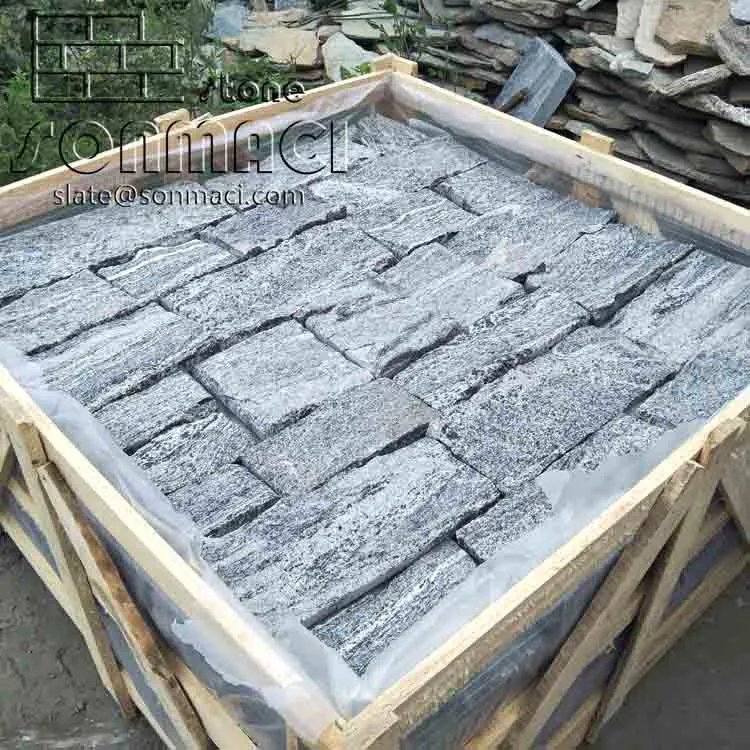
In simple terms, cultured stone is a man-made product composed primarily of cement, aggregates, and iron oxides (for coloration), carefully molded and textured to mimic the appearance and feel of natural stone. This veneer can be applied to the exterior walls of houses, adding both aesthetic charm and functional protection.
Unlike real quarried stone, which requires heavy manual labor, transportation of large blocks, and significant quarrying impacts, cultured stone simplifies installation and reduces waste. It's often used to match historic styles or to give modern homes that rustic or classical look without the hefty price tag or environmental consequence.
Interestingly, cultured stone also connects to broader industry trends toward prefab and modular construction — by being lighter and easier to handle, it meshes well with these faster, smarter building methods helping meet housing shortages globally.
Takeaway: Cultured stone is a practical, eco-friendly alternative to natural stone that suits modern building techniques and design preferences.Key Features That Make Cultured Stone Stand Out
1. Durability and Weather Resistance
Engineered to withstand rain, wind, freeze-thaw cycles, and UV exposure, cultured stone often beats other sidings on lifespan and maintenance. Many manufacturers conduct extensive ASTM (American Society for Testing and Materials) tests to certify performance under extreme, real-world conditions.
2. Versatility in Design and Application
The molds used for cultured stone can replicate countless stone styles — rugged, smooth, stacked, or fieldstone — allowing architects and do-it-yourselfers alike to customize looks that suit almost any architectural style. Plus, it can attach directly to various wall structures, including plywood, masonry, or concrete.
3. Cost-Efficiency and Installation Speed
Because cultured stone weighs significantly less than natural stone, it cuts down on labor, transportation, and supporting structure costs. It lays relatively quickly, often reducing project times by days or weeks — a real saver in tight renovation windows.
4. Sustainability and Environmental Impact
Using recycled materials in production and generating less waste in transport and installation means cultured stone reduces carbon footprints. Plus, avoiding quarried stone lessens mining-related habitat destruction, an often-overlooked but significant ecological benefit.
5. Maintenance and Longevity
Unlike wood siding, painted brick, or vinyl, cultured stone rarely fades, chips, or needs repainting. Occasional cleaning with water often suffices, making it a long-term investment in home aesthetics with minimal upkeep.
| Specification | Details |
|---|---|
| Material Composition | Lightweight cement, aggregates, mineral pigments |
| Weight | 8–10 lbs per square foot (approx.) |
| Installation | Mortar or adhesive, on varied substrates |
| Maintenance | Low; occasional washing |
| Fire Rating | Class A (highest) |
| Environmental Impact | Reduced quarrying, uses recycled content |
Global Applications and Real-World Examples
Around the world, cultured stone pops up in a surprising variety of settings. In North America, it frequently adorns suburban homes aiming for that classic "stone farmhouse" look. Meanwhile, Australian builders use it extensively in coastal areas, where salt air can be harsh on traditional materials.
In some developing regions, especially where timber is scarce or expensive, cultured stone can provide an affordable, durable alternative for exterior walls, often featured in government housing projects aimed at improving community resilience. NGOs working in post-disaster relief — for example, after hurricanes in the Caribbean — sometimes specify cultured stone veneers for quick and attractive rebuilding that stands up to future storms.
Industrially, parts of Europe use cultured stone as a facade for commercial buildings looking to maintain a historic appearance with modern insulation benefits.
Takeaway: From luxury homes to disaster relief housing, cultured stone adapts globally to meet diverse architectural and functional needs.Advantages Beyond the Surface: The Long-Term Value of Cultured Stone
- Cost savings: Not just upfront pricing, but also through decades of minimal maintenance and repair.
- Sustainability: Less environmental disruption compared to quarried stone, supports green building certifications like LEED.
- Social impact: Brings dignity and pride to affordable housing projects, improving communities.
- Reliability: Weather resistance ensures that homes stay safe and structurally sound.
- Innovation: Opens doors for customization and easy renovation over natural stone.
Emotionally, there’s also something to be said for the feeling of a home that “wears well” over the years, weathering storms and sun equally, aging gracefully — which frankly is what people want.
Emerging Trends & Innovations
The industry isn’t standing still. Advances in polymer additives and pigmentation technologies are enabling next-gen cultured stone to be even more lightweight, colorfast, and environmentally friendly. Some companies are integrating recycled glass or fly ash to reduce cement use and improve sustainability.
Digital technologies are helping too. Laser-cut molds, 3D scanning of natural rock faces, and virtual mockups allow architects and homeowners to preview exactly how a particular cultured stone style will look — no guesswork necessary. In some parts of Europe and the US, governments are incentivizing low-carbon building materials, pushing cultured stone manufacturers to innovate faster.
The Challenges and How the Industry Is Tackling Them
Despite its benefits, cultured stone isn’t without challenges. For one, inferior products flood some markets, creating misconceptions around durability. Proper installation remains critical — a detail sometimes overlooked by DIY enthusiasts, potentially causing premature issues.
To combat this, many manufacturers provide certification programs and hands-on workshops for contractors. Also, research into even more efficient mixtures and adhesives is ongoing to simplify installation and increase lifespan, especially in earthquake-prone or extreme climates.
Frequently Asked Questions About Cultured Stone for Houses Exterior
- Is cultured stone suitable for all climates?
- Yes, cultured stone is engineered to resist various weather conditions, including freezing temperatures, heavy rain, and high UV exposure. However, proper installation and sealing are essential to ensure optimal performance in extreme climates.
- How does the cost of cultured stone compare to natural stone?
- Cultured stone typically costs 30–50% less than natural stone when factoring in materials, labor, and installation speed, making it an attractive alternative for budget-conscious projects.
- Can I install cultured stone on my existing home exterior?
- Yes, cultured stone veneers can be applied over many existing surfaces such as plywood, concrete, and masonry, provided the substrate is sound and properly prepared.
- Is cultured stone environmentally friendly?
- Generally, yes. Manufactured with lower energy inputs than quarried stone and often incorporating recycled materials, cultured stone reduces environmental impact, especially when sourced from responsible manufacturers.
- How long does cultured stone typically last?
- When properly installed and maintained, cultured stone can last 30–50 years or more, rivaling the longevity of natural stone exteriors.
Conclusion: Why Cultured Stone for Houses Exterior Is a Smart Investment
All told, cultured stone blends tradition with innovation in a way that is hard to beat. It brings the timeless beauty of stone into reach for a far wider group of people — without the cost, the environmental sting, or the installation headache. For homeowners looking to boost curb appeal, reduce maintenance hassle, or build sustainably, cultured stone deserves serious consideration.
If you’re intrigued and want to explore options that match your style and budget, don’t hesitate to visit cultured stone for houses exterior — your next project might just start there.
Vendor Comparison: Popular Cultured Stone Manufacturers
| Vendor | Product Range | Average Price per sq ft | Environmental Certifications | Warranty |
|---|---|---|---|---|
| SonMacis Stone | Traditional, Rustic, Modern Styles | $7.50 | ISO 14001 Certified | 15 Years |
| StoneCraft Ltd. | Classic & Contemporary | $8.25 | LEED Friendly Materials | 12 Years |
| EcoStone Partners | Eco-friendly, Recycled Content | $7.95 | Cradle to Cradle Certified | 20 Years |
References: