Selecting the right stone materials for a construction project often comes down to the reliability of the supply chain. For architects and developers, the challenge lies in balancing aesthetic demands with structural durability and cost-efficiency, particularly when sourcing materials globally.
The masonry industry has shifted from simple raw material provision to integrated solutions. Modern procurement now requires a deep understanding of material properties—such as water absorption and acid resistance—and the logistical capability to move heavy tonnage from quarries to job sites without compromise.
To navigate this complex landscape, understanding how to vet masonry stone suppliers is essential. This guide analyzes the technical and operational factors that define quality in natural stone procurement.


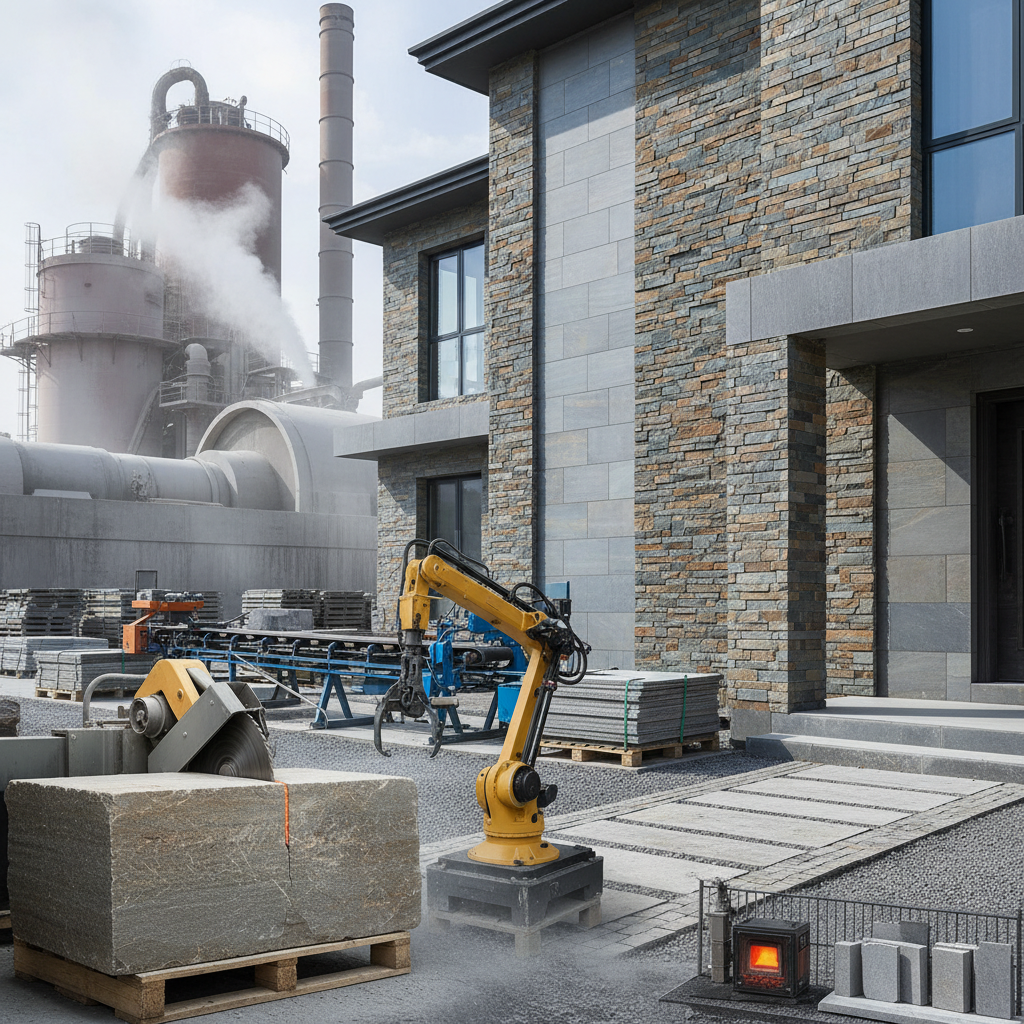
The transition from traditional hand-carved masonry to industrial precision processing has redefined the accessibility of natural stone. Historically, the "home of stone processing" in regions like Hebei, China, relied on master artisans. Today, this heritage is merged with automated cutting and polishing technology to produce consistent dimensions at scale.
Modern standards focus on the synergy between raw quarry quality and fabrication accuracy. For instance, the ability to produce consistent "Free Form Stone" or "Back Cement Ledgestone" requires not just raw material, but a controlled manufacturing environment that ensures each piece meets architectural tolerances.
When evaluating materials from masonry stone suppliers, technical parameters serve as the only reliable metric for longevity. Key indicators include porosity, compressive strength, and chemical resistance. For example, slate and marble are prized for their distinct vein patterns, but their suitability for outdoor use depends heavily on their water absorption rates and resistance to freeze-thaw cycles.
High-performance building stones must exhibit low water absorption to prevent internal cracking in cold climates. Additionally, resistance to acid and fire is critical for materials used in public construction and commercial villas. A "Natural" surface finish is often preferred for its organic look, but the structural integrity of the stone's "solid texture" is what ensures the material survives decades of environmental exposure.
From a production standpoint, quality control begins at the quarry. The continuity of quality is guaranteed when a supplier manages their own resources, as seen in the integration of quarries and processing plants. This vertical integration reduces the risk of color variance and material inconsistencies across large shipments of floor tiles or paving stones.
Architectural design often creates a tension between visual desire and physical reality. While a "Rusty" or "Green" slate might provide a stunning aesthetic for a garden decoration, its physical properties must be aligned with the specific load-bearing requirements of the project.
Material selection should never be purely aesthetic; the intersection of mineral composition, surface finish, and environmental application determines whether a stone installation remains an asset or becomes a maintenance liability.
For instance, using stone mosaics in high-humidity areas like bathrooms requires a specific focus on low absorption and chemical stability. By matching the material (such as marble or slate) to the usage scenario, developers can achieve a "return to nature" feel without sacrificing the technical requirements of modern building codes.
Different masonry applications demand different performance profiles. While paving stones require high abrasion resistance to withstand foot traffic, decorative veneers like "Glued Stacked Stone" prioritize ease of installation and visual depth.
The following index illustrates a relative assessment of various stone types across key performance dimensions, highlighting why specific materials are chosen for specific architectural roles.
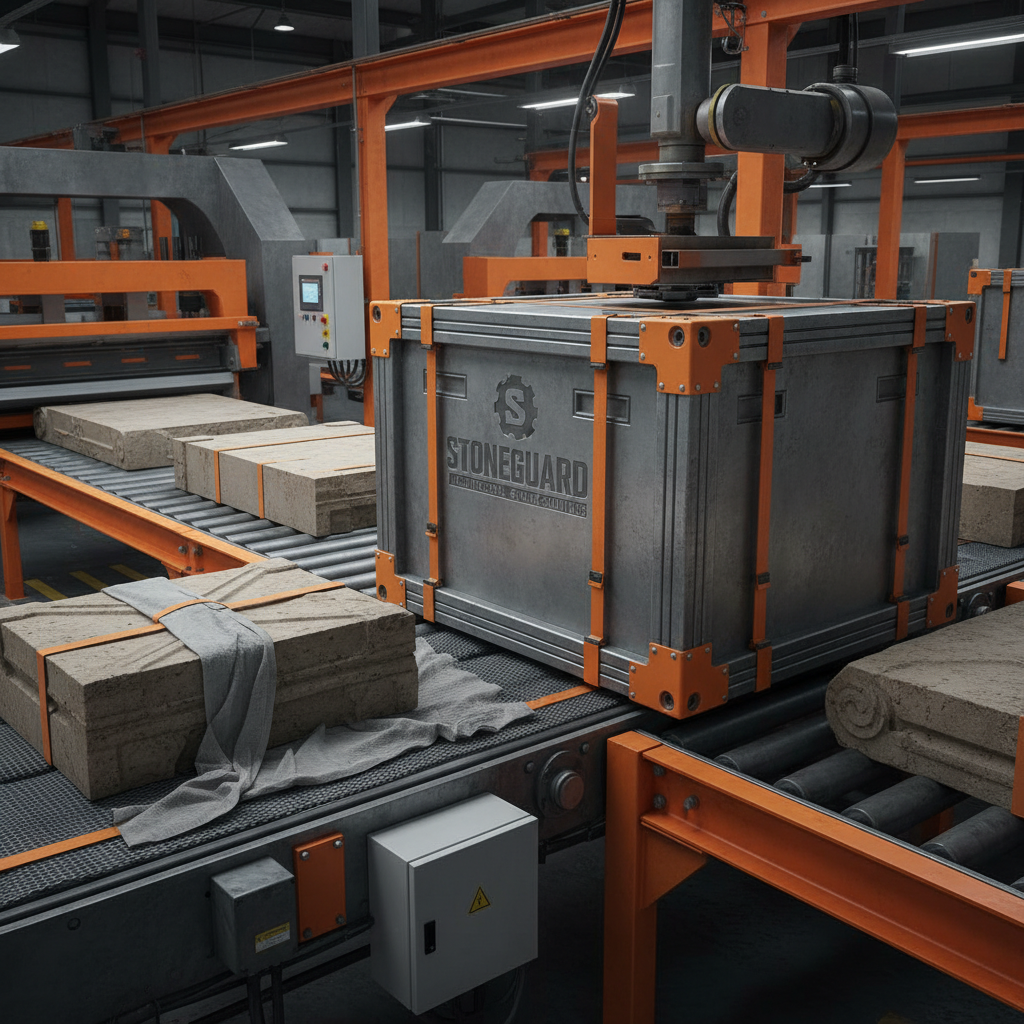
The logistical challenge of natural stone is its weight-to-value ratio. Efficient shipping requires specialized packing to prevent breakage—such as using reinforced crates for 35M2 of slate floor tiles. The proximity of production facilities to major loading ports, like Tianjin, significantly impacts the final landed cost and delivery lead times.
For professional buyers, the "end-to-end" solution is more valuable than the product itself. This includes custom fabrication, strict quality assurance during loading, and a streamlined ordering system. When a supplier can guarantee a 15-day delivery time for a 20 FCL after deposit, it allows project managers to maintain tight construction schedules without delaying the masonry phase.
There is a growing shift toward "thin-cut" stone technology. Glued stacked stone veneers and stone mosaics allow designers to achieve the look of heavy masonry without the structural load of full-thickness stone. This trend is driven by the need for faster installation and the ability to apply natural stone to interior walls that cannot support traditional masonry.
Furthermore, the integration of "Back Cement Ledgestone" has simplified the installation process, reducing the labor cost associated with traditional mortar application. These innovations allow for a more modular approach to construction, where stone elements can be prefabricated and shipped ready for installation.
As sustainability becomes a priority, the focus is shifting toward the lifespan of the material. Natural stone, with its inherent durability and low maintenance, is being repositioned as a sustainable alternative to synthetic cladding. The goal is to create structures that feel "returning to nature" while utilizing modern efficiency.
Vetting masonry stone suppliers requires a systematic approach that goes beyond the price per square meter. A professional evaluation should examine the factory's capacity, the technical expertise of its personnel, and its historical experience in handling international logistics.
A supplier with a large-scale facility (such as those exceeding 20,000m²) and a significant annual output can better handle the volatility of large project demands. Moreover, the ability to provide "custom fabrication" indicates a level of technical maturity that is essential for complex architectural projects.
The following table provides a decision framework for comparing different types of stone solutions based on typical project requirements and their relative suitability.
| Application Scenario | Recommended Material | Key Technical Requirement | Relative Suitability |
|---|---|---|---|
| External Paving | Paving Stone/Granite | High Abrasion Resistance | Very High |
| Interior Accent Wall | Stacked Stone Veneer | Lightweight / Easy Install | High |
| Garden Walkways | Stepping Stone/Slate | Slip Resistance / Natural Look | High |
| Luxury Bathroom | Stone Mosaic/Marble | Low Water Absorption | Medium-High |
| Public Monuments | Black Granite | Weather Resistance / Density | Very High |
| Courtyard Borders | Stone Cobble & Pebbles | Structural Stability | Medium |
High-quality outdoor stone is defined by its low water absorption rate and resistance to acid, fire, and extreme temperature fluctuations. These properties prevent the stone from cracking or discoloring when exposed to rain, snow, and UV radiation. Materials like granite and certain slates are typically preferred for their dense mineral structure, which minimizes porosity and ensures long-term structural integrity in harsh environments.
Traditional masonry requires the individual placement of each stone using thick mortar beds, which is labor-intensive and time-consuming. Back-cement ledgestone is a prefabricated system where stone strips are bonded to a cement backing. This allows for a "veneer" application, meaning it can be adhered directly to a wall. It provides the aesthetic of a solid stone wall while significantly reducing the weight and installation time.
Beyond pricing, you should evaluate the supplier's vertical integration—specifically if they own their quarries to ensure color and quality consistency. Check their production capacity (annual output in tons) and facility size to ensure they can meet large-scale project timelines. Finally, examine their logistics experience, including packing standards and proximity to major shipping ports, to minimize the risk of transit damage and excessive shipping costs.
Yes, natural slate is an excellent choice for indoor flooring due to its solid texture and natural slip resistance. However, it is important to select the correct surface finish (such as Natural) and ensure the stone is properly sealed to manage water absorption. Its ability to come in various colors like black, green, and rusty makes it a versatile design element for both modern and rustic interiors.
Bulk pricing is generally calculated per square meter (M2) or per ton, depending on the product type. For tiles and veneers, M2 is the standard. The final cost is influenced by the rarity of the stone color, the complexity of the surface finish, and the total volume ordered. Logistics costs (FCL - Full Container Load) are usually calculated separately based on the loading port and destination.
For a standard 20 FCL (Full Container Load) order, a typical lead time from a professional manufacturer is approximately 15 days after the deposit is received. This includes the time for final fabrication, quality inspection, and secure packing. However, custom-carved items or very large orders may require additional time depending on the technical complexity and the current production capacity of the factory.
The successful implementation of a masonry project depends on the synergy between material science and supply chain reliability. By focusing on technical specifications—such as low water absorption and structural density—rather than just visual appeal, architects can ensure the longevity and safety of their designs.
As the industry moves toward more efficient veneer systems and integrated logistics, the role of experienced masonry stone suppliers becomes central. Whether sourcing for a private villa or a public construction project, prioritizing vertical integration and fabrication precision is the most effective way to secure high-quality natural stone.