When budgeting for a construction or renovation project, determining the natural stone price per square foot is often one of the most complex variables. Unlike standardized synthetic materials, natural stone pricing fluctuates based on geological rarity, the complexity of quarrying, and the specific finishing requirements. Whether you are sourcing for a residential villa or a large-scale public facility, understanding the drivers behind these costs is essential to avoiding budget overruns while maintaining aesthetic integrity.
The variance in cost is closely tied to the specific product category chosen. For instance, Glued Stacked Stone Veneers and Back Cement Ledgestone offer different installation efficiencies and material densities compared to traditional Floor Tiles or Paving Stone. These distinctions not only affect the initial purchase price but also the long-term maintenance costs and the overall structural value of the property. For procurement managers and architects, the goal is to balance the raw material cost with the functional requirements of the environment.
This guide provides a professional analysis of how pricing is structured within the stone processing industry, focusing on the intersection of material quality and fabrication costs. By examining the factors that influence the natural stone price per square foot, we aim to provide a transparent framework for evaluating quotes and selecting the most cost-effective materials for diverse applications.


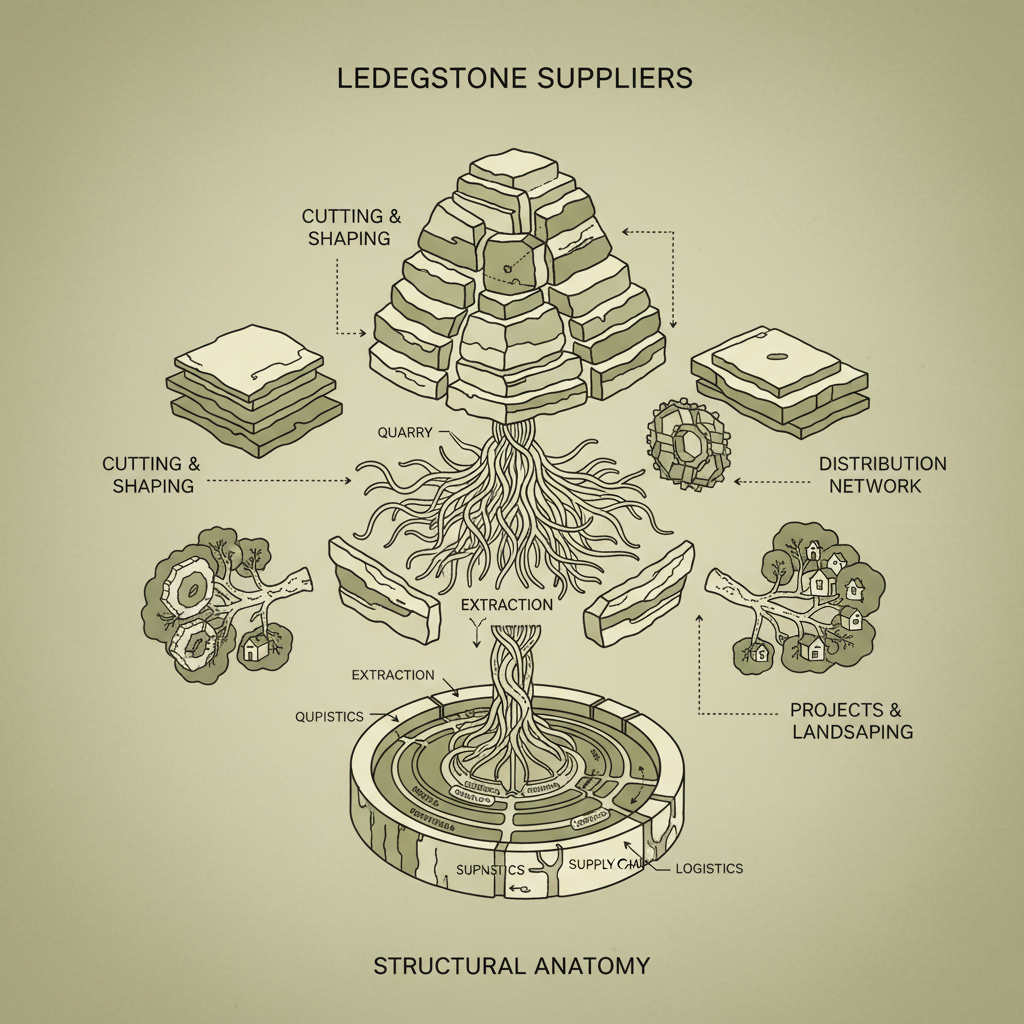
Natural stone valuation is not a static number but a result of several industrial processes. The journey from a raw quarry block to a finished panel involves extraction, primary cutting, polishing or honing, and finally, precise sizing. Each stage adds a layer of cost, which is ultimately reflected in the final square foot price. In the context of building stone, the degree of processing—such as the difference between a raw Free Form Stone and a meticulously crafted Stone Mosaic—creates a significant price gap.
Furthermore, the material origin plays a decisive role. Stones sourced from owned quarries generally maintain a more stable pricing structure because the producer controls the entire supply chain. When a manufacturer integrates quarrying with a 20,200m² processing facility, the overhead costs are distributed across a higher volume of output, allowing for a more competitive price per square foot without compromising the structural integrity or the aesthetic quality of the stone.
The cost of natural stone is primarily driven by the scarcity of the material and the technical requirements of its fabrication. For example, stones with rich veins and bright colors, such as specific varieties of marble or slate, often command a higher price due to their geological rarity. Additionally, the "waste factor" during cutting—where a large portion of the block may be discarded to achieve a specific pattern or size—directly increases the cost of the usable square footage.
The most significant cost differentiator is the fabrication method; products like Glued Stacked Stone Veneers require additional adhesives and precision assembly, which adds labor and material costs compared to simple Floor Tiles, yet provides superior installation speed and a more natural architectural effect.
Technical specifications also influence pricing. Low water absorption and resistance to acid, fire, and coldness are features often found in high-grade slate and marble. Achieving these properties through careful selection of the stone bed in the quarry ensures a durable product, but the rigorous quality control process necessary to filter out defective blocks adds to the final market price.
Sourcing stone directly from a manufacturer with extensive industry experience—such as those with over 20 years in the business—eliminates multiple layers of intermediaries. This direct-to-consumer or direct-to-contractor model significantly reduces the markup typically added by distributors and retailers, ensuring that the price per square foot is as close to the production cost as possible.
By utilizing a fully owned factory and a dedicated team of over 100 skilled professionals, producers can offer customized fabrication that meets exact project specifications, reducing on-site waste and lowering the total project cost despite the material's unit price.
Moreover, the ability to handle large-scale production (such as an annual output of 28,060 tons) ensures that consistency in color and texture is maintained across thousands of square feet. This reliability is invaluable for commercial projects where a mismatch in stone batches can lead to costly replacements and delays, thus providing a higher long-term ROI through quality assurance.
When comparing different stone types, it is important to look beyond the initial price. Different products offer different "value densities." For instance, a thin veneer may have a lower price per square foot than a thick paving stone, but its installation cost is also lower, and its impact on the building's load-bearing requirements is minimal.
The following data illustrates the relative cost impact of different stone processing levels. As the complexity of the craftsmanship increases—from basic paving to intricate mosaics—the value added per square foot rises accordingly, reflecting the skilled labor and precision technology involved.
The application environment dictates the necessary material grade and, consequently, the price. For high-traffic areas like hotel halls, airport entrances, or public plazas, the priority is durability and wear resistance. In these cases, investing in high-density granite or limestone Paving Stone is more economical over a 10-year lifecycle than choosing a cheaper, softer stone that requires frequent replacement.
Conversely, for indoor decorative walls in villas or bathrooms, the focus shifts to aesthetics and low water absorption. Products like Back Cement Ledgestone or Stone Mosaic are ideal here. While the price per square foot for these decorative elements may be higher than for basic floor tiles, the total area used is typically smaller, allowing architects to allocate a higher budget to "feature walls" to create a luxurious art effect without exceeding the total project budget.
The industry is moving toward "End-to-End Solutions," where the supplier provides not just the material, but also custom fabrication and worldwide logistics. This shift reduces the risk of damage during transit and ensures that the stone arrives ready for installation, effectively lowering the "installed price per square foot" even if the material cost remains constant.
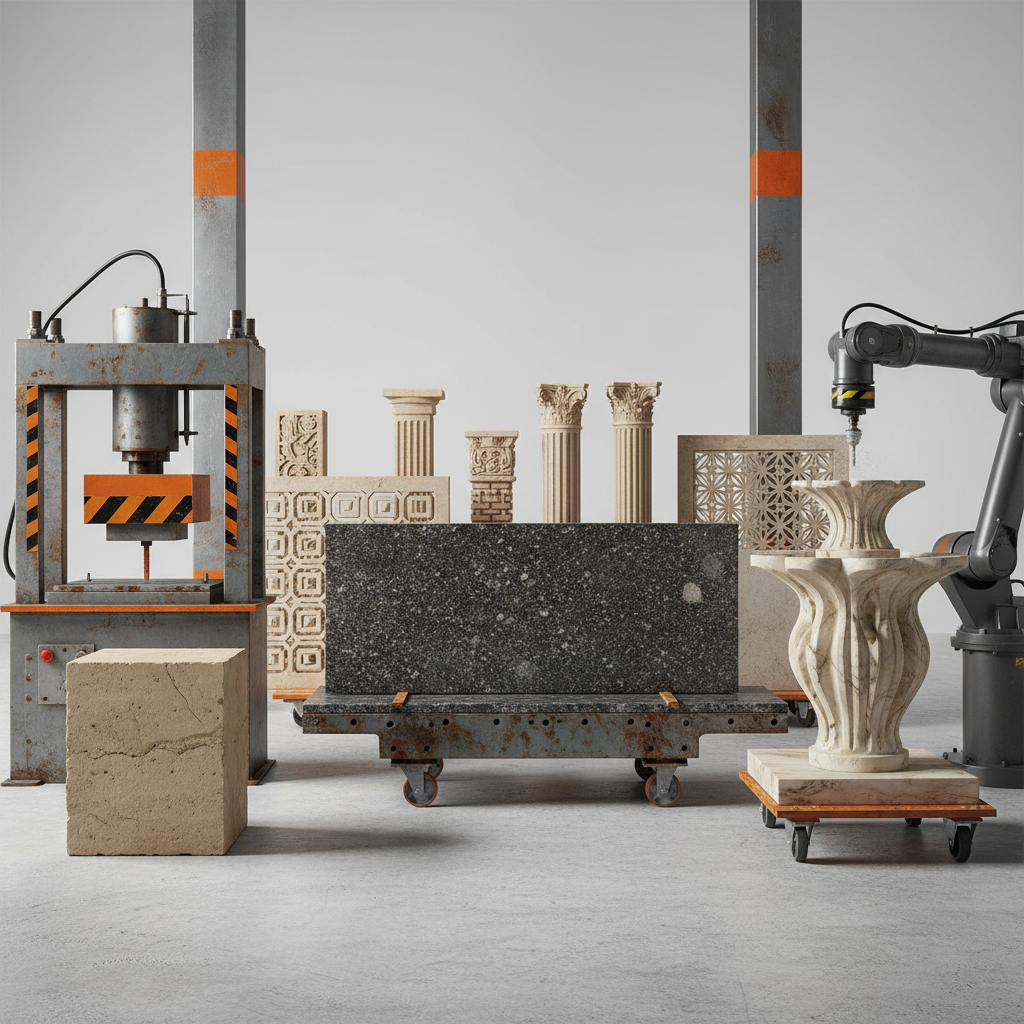
There is also a growing demand for "East-meets-West" craftsmanship, combining traditional hand-carving techniques with modern CNC precision. This hybrid approach allows for the creation of complex Stone Column & Pillar designs that were previously too expensive for most commercial projects, making high-end architectural elements more accessible.
Sustainability is becoming a key driver as well. Sourcing from quarries that employ efficient extraction methods and utilizing waste stone for products like Stone Cobbles & Pebbles reduces the environmental footprint and allows manufacturers to offer a wider range of price points, catering to both luxury and budget-conscious segments of the market.
One of the primary challenges in stone procurement is the "Expectation vs. Reality" gap regarding color and texture. Since natural stone is a product of nature, no two slabs are identical. Professional suppliers mitigate this by providing detailed samples and utilizing a streamlined ordering system to ensure the selected batch is reserved for the client.
Another challenge is calculating the true cost of delivery and installation. High-density stone is heavy, and shipping costs can significantly alter the final price per square foot. Working with a partner who has a dedicated logistic center and experience in global distribution is critical to keeping these auxiliary costs predictable.
Finally, balancing budget and quality requires a strategic mix of materials. Using high-cost accent stones for visibility and lower-cost, durable stones for the bulk of the project is a proven method for achieving a high-end look within a fixed budget.
| Stone Type | Price Level | Key Advantage | Best Application |
|---|---|---|---|
| Ledgestone | Mid-High | Texture Depth | Feature Walls |
| Paving Stone | Mid-Low | High Durability | Outdoor Walkways |
| Stone Mosaic | High | Artistic Detail | Bathrooms/Pools |
| Floor Tiles | Mid | Versatility | Residential Floors |
| Cobble/Pebble | Low | Natural Look | Landscaping |
| Stacked Veneer | Mid-High | Easy Install | Interior Accents |
The most influential factors are material rarity, the cost of extraction from the quarry, and the level of fabrication required. For example, a simple cut paving stone is cheaper than a hand-assembled Stone Mosaic because the latter requires significantly more skilled labor and precise cutting. Additionally, the stone's physical properties, such as low water absorption and acid resistance, can increase the price if those characteristics are rare in the source quarry.
For wall applications, veneers like Glued Stacked Stone are generally more cost-effective. While the price per square foot of the material itself might be similar to a slab, veneers are much lighter, reducing shipping costs and significantly lowering the labor cost for installation. Slabs are typically reserved for flooring or countertops where thickness and structural strength are mandatory requirements.
The best way to ensure consistency is to source from a manufacturer who owns their quarries and has a large production capacity. This allows them to select stone from the same geological bed. You should also request a "batch confirmation" or a photo of the actual crate before shipment to verify that the colors and veins match your project's requirements.
Yes, the finish impacts the price due to the different abrasives and time required for processing. Polished finishes generally require more steps to achieve a high-gloss look, which can slightly increase the cost. Honed or brushed finishes provide a matte look and are often preferred for flooring due to their slip-resistance, and their pricing is typically competitive with polished options.
For standard products in stock, lead times are short. However, for custom fabrication, a common industry standard is approximately 15 days for one 20 FCL (Full Container Load) after the deposit is received. This time accounts for the precision cutting, quality inspection, and export-standard packing required to ensure the stone arrives undamaged.
Stone with low water absorption and high slip resistance is best for pool areas. Slate and certain types of limestone are excellent choices. In terms of pricing, these are moderately priced but offer high value because they resist the corrosive effects of chlorine and salt, reducing the need for frequent replacements compared to cheaper synthetic alternatives.
Navigating the natural stone price per square foot requires a strategic understanding of the balance between material rarity, fabrication complexity, and application needs. By shifting the focus from the lowest unit price to the total lifecycle value—including installation efficiency and long-term durability—buyers can make more informed decisions that enhance the architectural value of their projects without compromising their budget.
Whether you are looking for high-durability paving stones or intricate interior mosaics, partnering with an experienced manufacturer ensures quality consistency and competitive pricing. For professional guidance on material selection, custom quotes, or design support for your next project, we invite you to explore the solutions available at www.sonmacistone.com.