Comprehensive Guide to the Cost to Stone a House: Trends, Benefits & Vendors
Understanding the Cost to Stone a House: A Practical Guide
Stone has graced human homes for millennia, a timeless building material. But today, when we talk about the cost to stone a house, we’re not just pondering ancient traditions — we’re engaging with a modern, multifaceted question that blends economics, sustainability, and structural integrity. Understanding this cost matters globally, whether for architects aiming to create durable homes, builders managing budgets, or humanitarian agencies seeking reliable shelter solutions in disaster zones.
Frankly, knowing the real cost breaks down confusion and supports smarter decision-making everywhere from suburban developments to remote villages. Plus, stone offers benefits many modern materials can’t quite match: longevity, low maintenance, and a certain natural beauty that feels, well, timeless.
Global Context: Why the Cost to Stone a House Matters Today
Globally, the housing sector accounts for roughly 30% of resource consumption and a significant share of CO₂ emissions (according to the United Nations Environment Programme). With urban populations growing rapidly, especially in Asia and Africa, the need for affordable, sustainable building methods is more urgent than ever. Stone construction—once dismissed as expensive or outdated—is increasingly reconsidered for its durability and eco-friendly profile.
Interestingly, recent ISO standards encourage use of local, sustainable materials, and stone often fits that bill. Still, a widespread challenge remains: balancing upfront cost with long-term value. The cost to stone a house can vary widely, impacting feasibility for both commercial builders and NGOs engaged in humanitarian housing.
So, the problem really boils down to this: how do we optimize stone-based construction to be cost-effective and accessible worldwide? It’s not just about price tags—it's about resilience, resource management, and meeting a growing demand for housing that lasts.
What Does “Cost to Stone a House” Actually Mean?
Simply put, the cost to stone a house refers to the total expenses involved in using stone materials for constructing the walls, façades, or structural elements of a residential building. This includes quarrying, processing, transportation, labor, and finishing materials. But it’s more than just dollars. It’s the holistic investment into a building's durability, aesthetics, and environmental footprint.
Stone construction today links closely with modern building codes, engineering advancements, and sustainability goals. It’s no longer just about piling rocks, but about precision-cut materials, thermal efficiency, and integrating stone with other systems like insulation and automation.
Core Components Influencing Stone Construction Costs
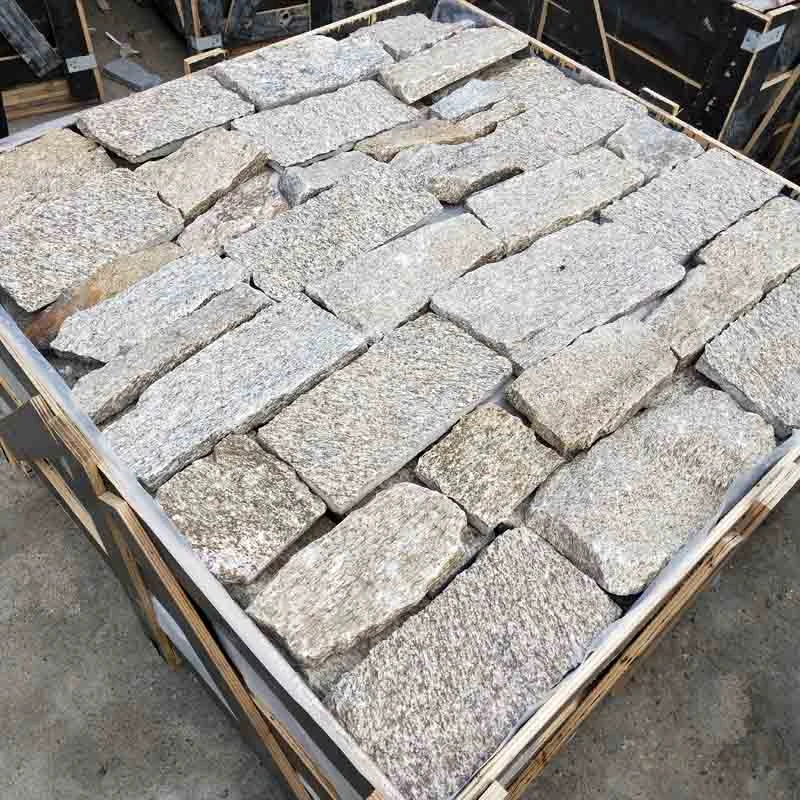
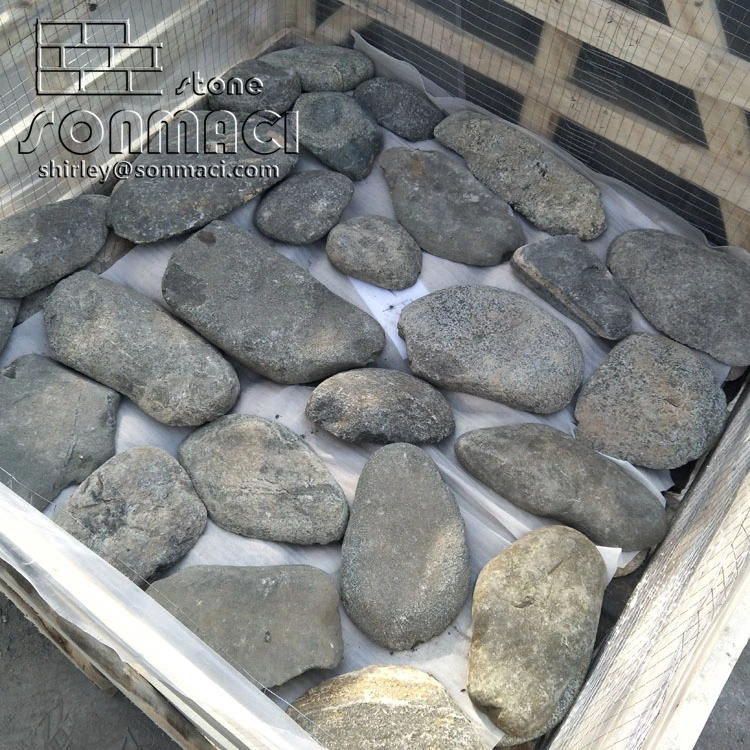
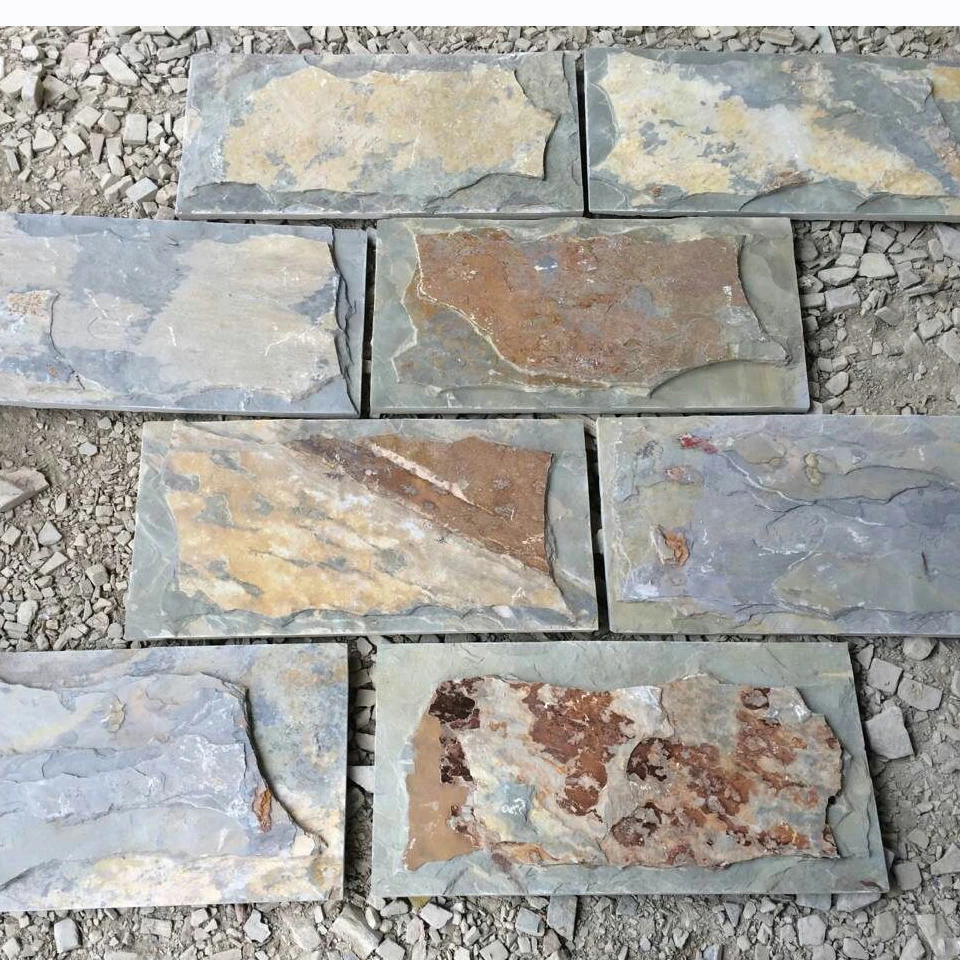
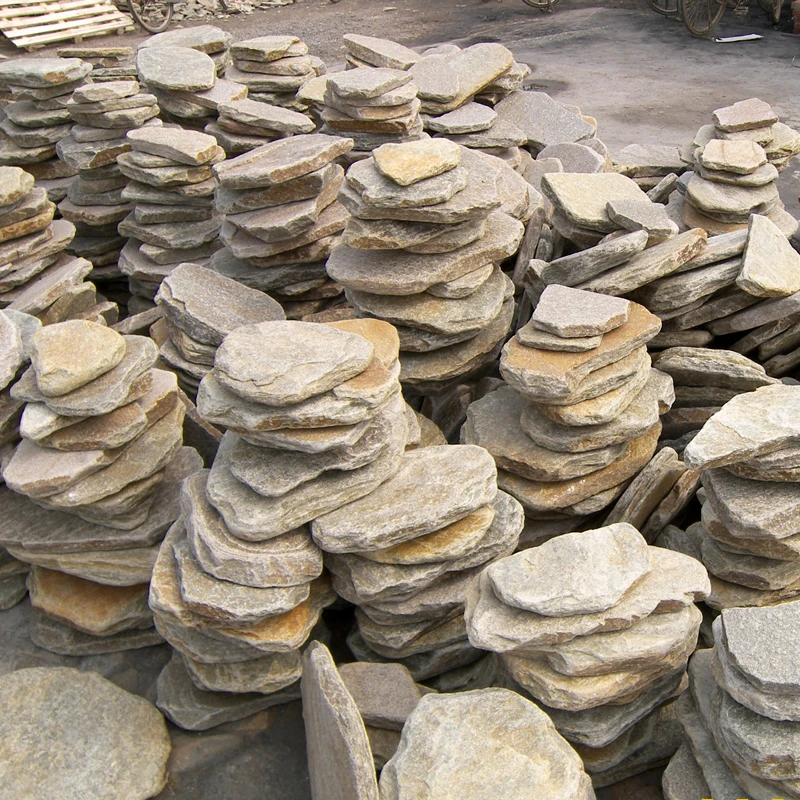
- Material Type: Different stones—granite, limestone, sandstone—carry different price points and durability profiles.
- Quarry Proximity & Transport: Transporting heavy stone over long distances hikes costs.
- Labor Expertise: Skilled masons command higher wages, impacting budgets.
- Design Complexity: Custom shapes, detailing, and finishes require more time and resources.
- Installation Timeframe: Longer build times increase overhead costs.
- Integration with Modern Systems: Incorporating insulation or electrical conduits can add to expenses.
So in real terms, cost is not just per-square-foot pricing but a function of these factors layered together.
Key takeaway: Knowing your stone type, location, and labor situation upfront can save headaches (and dollars) down the line.
How and Where Is Stone Construction Being Used Today?
Across Europe and parts of Asia, stone has traditionally been a preferred building choice due to abundant reserves. But oddly enough, in emerging markets, interest is resurging — especially in regions vulnerable to climate change where durable housing is critical.
For example:
- In post-disaster relief in Nepal, stone masonry is favored for earthquake-resistant houses.
- Remote northern parts of Canada use locally sourced stone for sustainable cabins that withstand harsh winters.
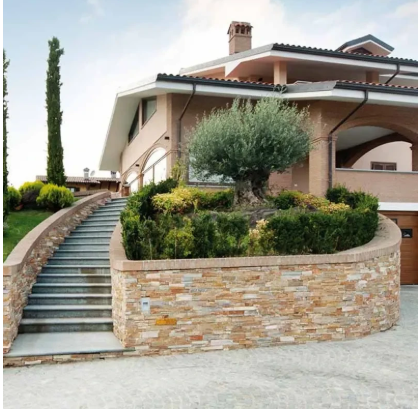
- Luxury developments in the Mediterranean often combine old-world stonework aesthetics with modern amenities.
Industries such as tourism and heritage conservation also closely monitor the cost to stone a house to maintain authenticity while staying within budget.
Tangible Benefits of Stone House Construction
| Advantage | Details |
|---|---|
| Durability | Stone houses can last centuries with minimal upkeep. |
| Thermal Mass | Stone naturally regulates indoor temperatures, reducing heating/cooling costs. |
| Sustainability | Locally sourced stone minimizes environmental footprint. |
| Fire Resistance | Stone is non-combustible, enhancing safety. |
| Aesthetic Appeal | Offers a timeless, authentic look many homeowners cherish. |
Many engineers I know tout stone’s ability to add “grit and grace” to a building. The benefits tap both emotional and logical needs — safety, dignity, and the pride of owning a lasting home.
Comparing Top Vendors for Stone Construction Solutions
| Vendor | Material Options | Pricing | Lead Time | Eco-certifications |
|---|---|---|---|---|
| StoneWorks Inc. | Granite, Limestone | $$$ | 4-6 weeks | ISO 14001 |
| EcoStone Ltd. | Sandstone, Marble | $$ | 2-4 weeks | FSC, LEED |
| Natural Stone Partners | Wide variety | $$$ | 6-8 weeks | GreenGuard Certified |
$ = Lower, $$$ = Higher pricing scale
The Future: Innovations Affecting the Cost to Stone a House
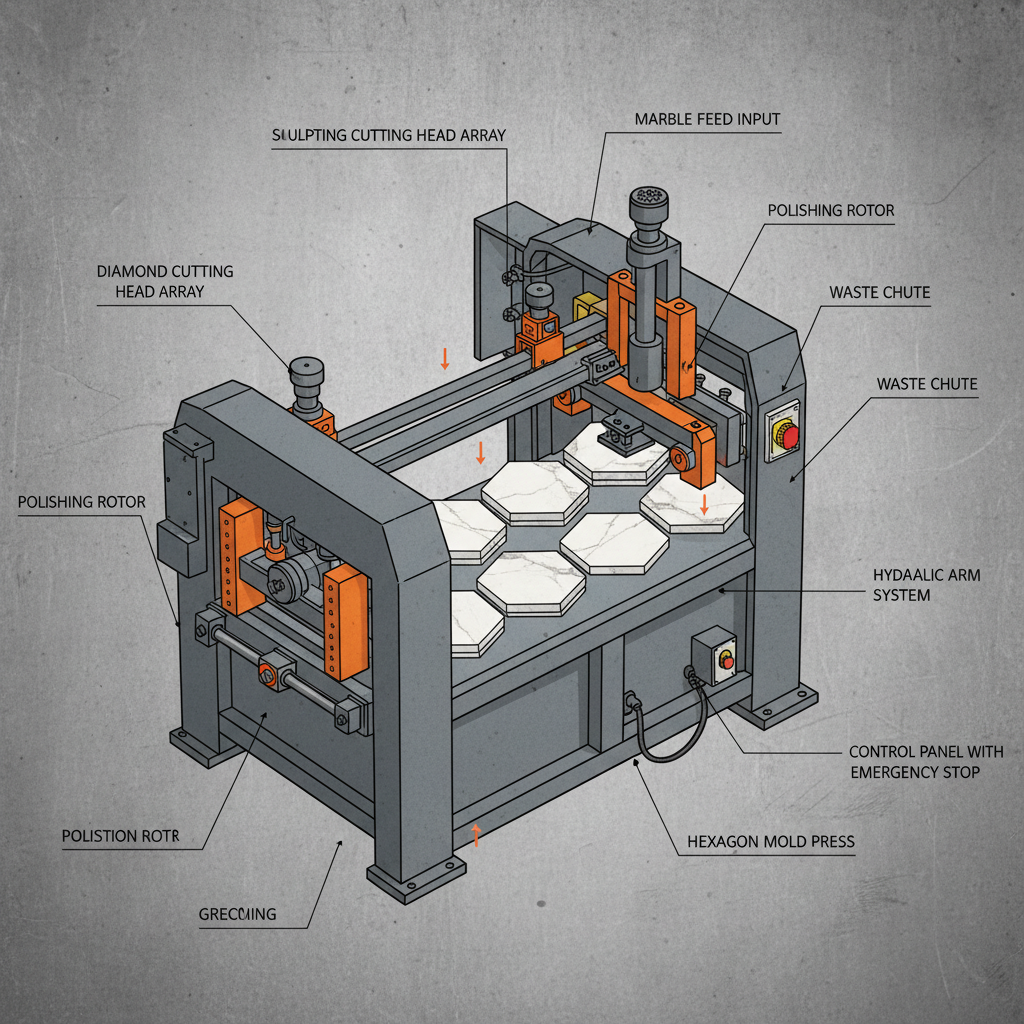
It’s fascinating how stone construction is evolving. New tech like CNC cutting machines streamline shaping, reducing labor and waste. Plus, digitally modeled panels combine stone veneers with insulating cores to cut costs while preserving aesthetics. There’s also a big push towards using recycled stone aggregates to lessen environmental impacts.
Oddly enough, some startups are integrating sensors inside stone walls to monitor structural health in real time — blending classic materials with cutting-edge IoT tech.
Another trend is incorporating green energy designs, like embedding solar tiles alongside stone facades, which could drastically change total build costs but boost long-term energy savings.
What Challenges Remain & How Experts Are Tackling Them
One sticking point is material transport—stone is heavy and quarry locations aren’t always close to cities. This means fluctuating fuel costs directly impact budgets. Plus, skilled masons are in short supply in some regions, leading to longer delays and increased labor expenses.
Innovations like prefabricated stone panels and modular wall units help reduce onsite labor and speed up builds. On the material side, sourcing locally whenever possible helps slash freight costs. Grant programs and apprenticeships aim to grow masonry skills in underserved areas.
FAQ: Frequently Asked Questions About Cost to Stone a House
- Q: How much more does it cost to build a stone house compared to timber framing?
- A: Typically, stone houses may cost 15-30% more upfront due to material and labor intensity. However, lower maintenance and energy savings often offset this over 20-30 years.
- Q: Are stone houses suitable for earthquake-prone areas?
- A: Modern stone construction uses reinforced masonry techniques improving seismic safety, but design by structural engineers remains essential.
- Q: Can I mix stone with other materials to save costs?
- A: Absolutely. Many projects combine stone façades with wood framing or concrete cores, balancing durability with affordability.
- Q: Does stone construction align with green building certifications?
- A: Yes. Using local stone and low-energy quarrying methods can support LEED and BREEAM certifications.
- Q: Where can I find reliable vendors for stone materials?
- Check out specialized suppliers like StoneWorks Inc. or EcoStone Ltd., which often offer certifications and delivery guarantees.
Conclusion: Why Knowing the Cost to Stone a House Pays Off
The bottom line? Understanding the cost to stone a house is more than crunching numbers — it’s about investing in quality, resilience, and sustainability. Stone may not be the cheapest upfront, but with smart sourcing, innovative tech, and expert planning, it delivers unmatched long-term value. Whether you’re a builder, architect, or NGO leader, this knowledge empowers you to make choices that resonate beyond budgets, touching safety and legacy.
Thinking about stone construction? Visit our website for detailed pricing and consultation: cost to stone a house
It’s curious how an ancient material like stone still feels so fresh in today’s world. With ongoing innovations and growing eco-awareness, stone housing truly bridges past and future.

![Nature Black River Stone Veneer-HEBEI SONMACI STONE|[Durability]&[Aesthetic]](https://www.sonmacistone.com/images/smc-fs347-1-2844.webp "Nature Black River Stone Veneer-HEBEI SONMACI STONE|[Durability]&[Aesthetic]")