Red Stone for Building: Durable, Sustainable Natural Material for Modern Construction
Why Red Stone for Building Matters in Today’s World
When you hear the phrase red stone for building, you might picture rustic cottages, heritage landmarks, or maybe that charming red-hued brick wall down the street. But beyond aesthetics, red stone has quietly earned a global reputation for durability, sustainability, and cultural significance. It’s a natural building material with roots stretching back millennia, yet it remains an active player in modern construction across continents.
Why does understanding red stone matter now more than ever? For one, the construction sector accounts for nearly 40% of global energy use and CO2 emissions (United Nations Environment Programme, 2021). Red stone offers a more natural, often locally sourced alternative to synthetic materials. Plus, as urban populations grow and climates shift, finding resilient materials that marry tradition with performance is key.
In short, getting savvy about red stone helps architects, builders, planners — and even humanitarian groups — make smarter choices that blend old-world charm with 21st-century needs.
The Global Landscape of Red Stone Usage
The fascination with red stone isn’t just nostalgic. From the sandstone quarries of India to the red granite monoliths in Scandinavia, this material adapts to myriad geologies and climates. According to the International Organization for Standardization (ISO 19338:2021), natural stones like red sandstone and granite are valued for mechanical strength and weather resistance, qualities essential for infrastructure longevity.
Yet, challenges persist. Urban sprawl demands affordable, scalable resources, while environmental concerns call for reducing carbon footprints in sourcing and processing stones. This is where red stone’s natural longevity and potential recyclability come into play.
What Exactly Is Red Stone for Building?
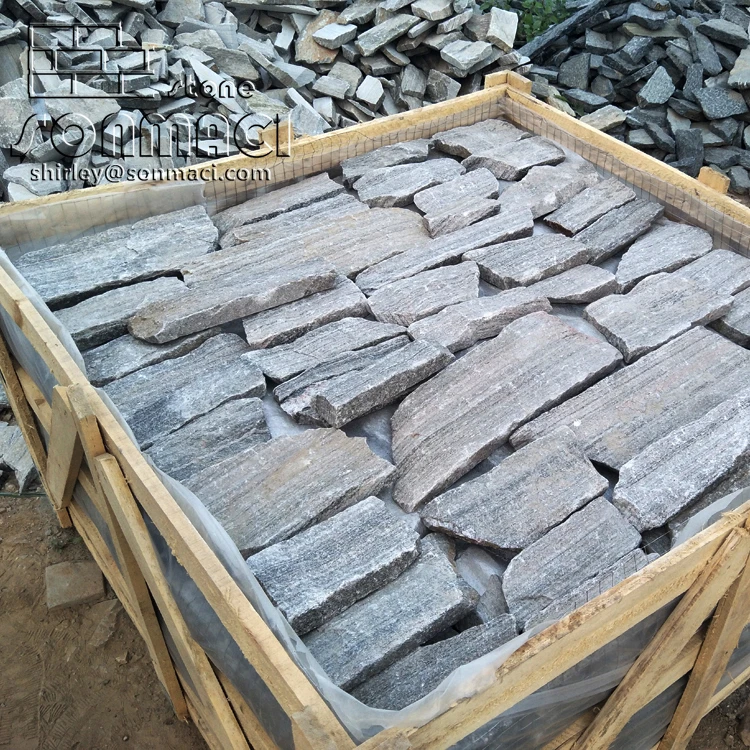
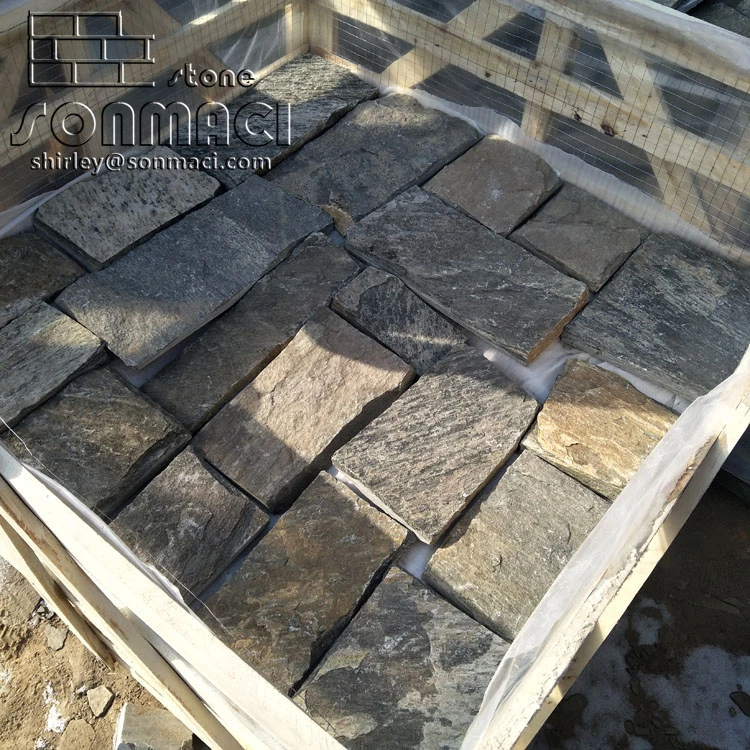
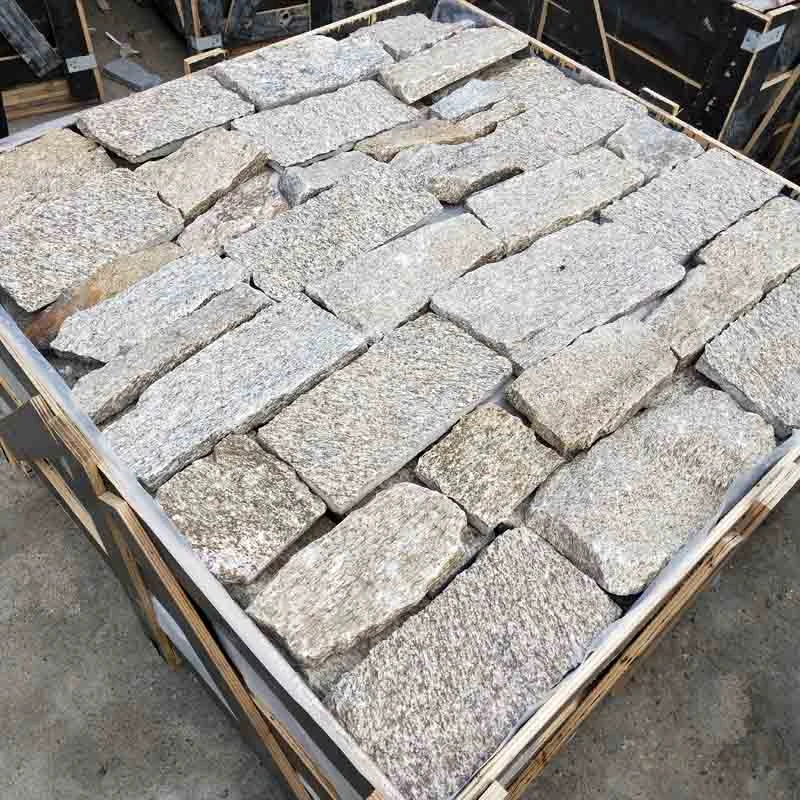
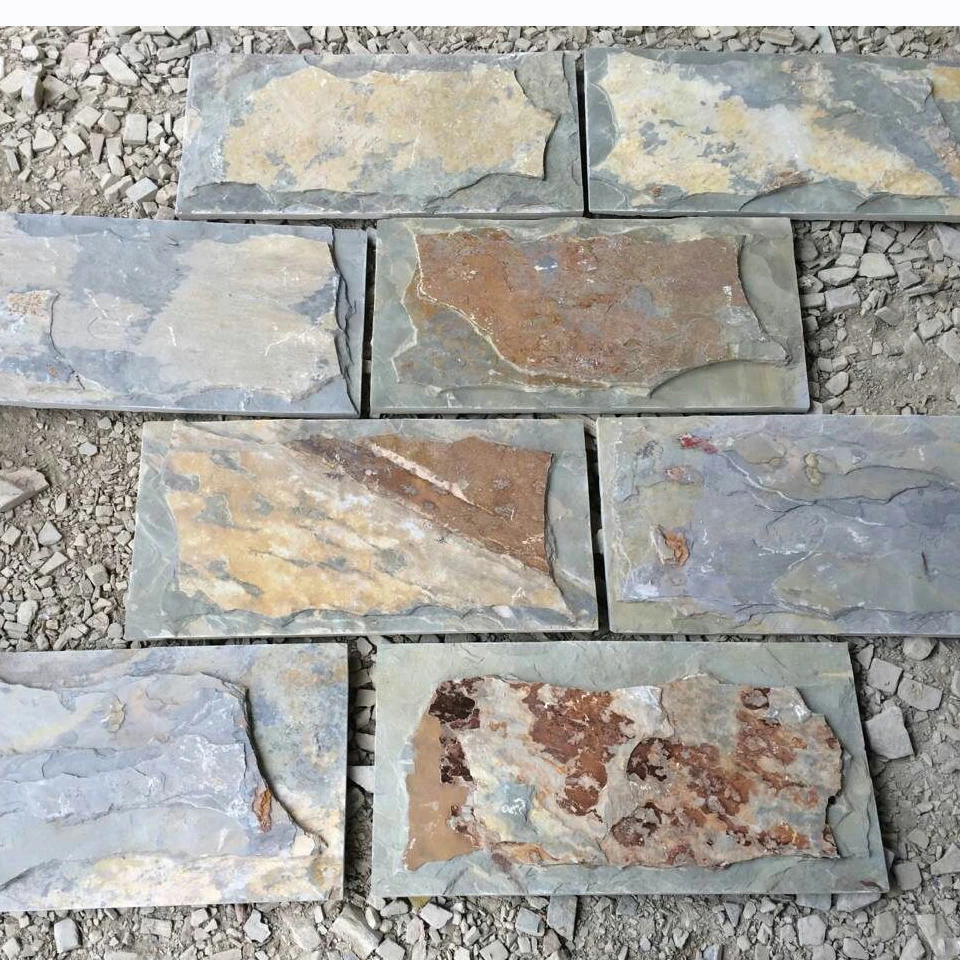
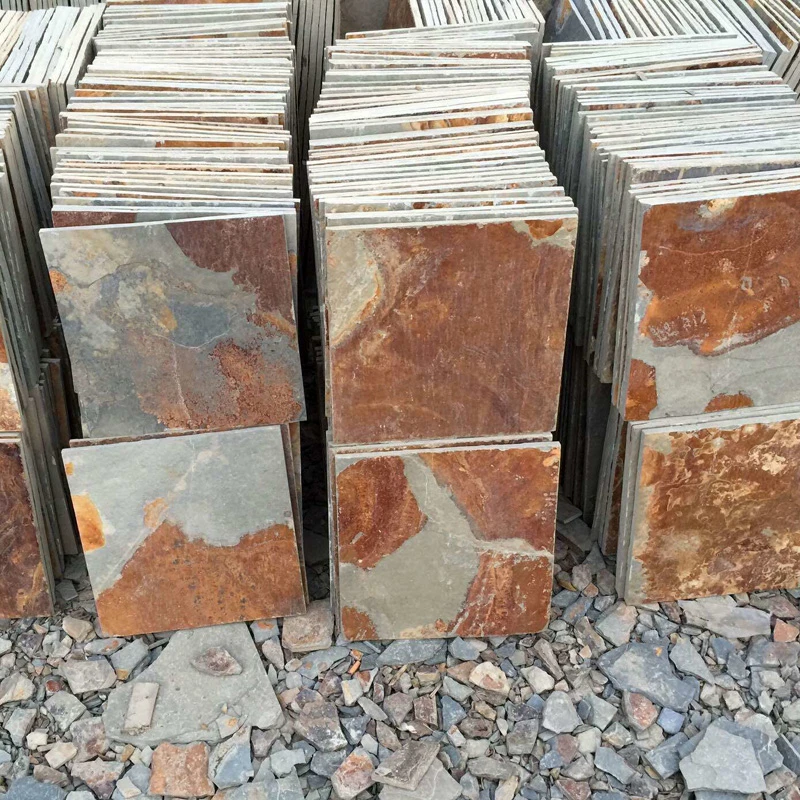
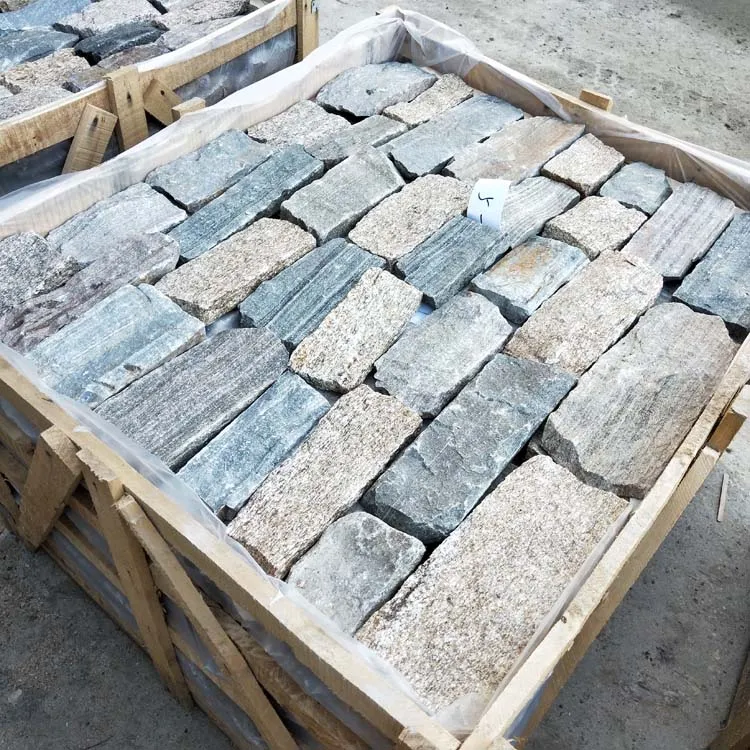
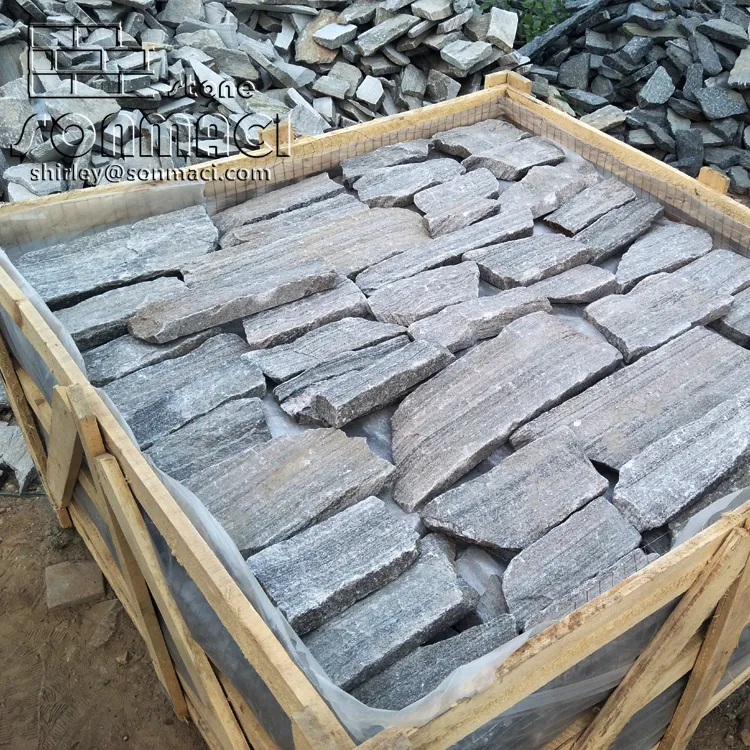
Simply put, red stone for building refers to natural rock types exhibiting a reddish tint, predominantly due to iron oxide content. It spans varieties like red sandstone, red granite, and certain types of laterite. Builders prize these stones for their strength, color consistency, and weathering characteristics.
This material also has a deep humanitarian footprint. In disaster-prone areas or remote zones where modern infrastructure is scarce, red stone often forms the backbone of more permanent shelter structures — especially when speedy steel or concrete manufacturing isn’t viable.
Core Features That Make Red Stone Stand Out
Durability
Red stone’s impressive mineral composition usually means it resists erosion, cracking, and extreme weather well over decades, even centuries. Many historic buildings endure primarily because of their red sandstone foundations.
Cost Efficiency
Locally quarried red stone can slash transportation and import expenses. Also, it requires less chemical processing compared to manufactured building blocks. That adds up, especially in developing regions.
Aesthetic Appeal
The warm, earthy tones soothe eye and soul alike, providing timeless curb appeal. Architects often capitalize on this to fuse natural beauty with functional design.
Sustainability
Being a natural product, red stone is highly recyclable — it can be reused or crushed for aggregate. Plus, compared with concrete, it tends to have a lower embodied carbon footprint (source: Global Alliance for Buildings and Construction, 2022).
Thermal Properties
Red stone naturally insulates well, providing thermal mass that helps regulate indoor temperatures. This can reduce energy costs for heating or cooling over time.
Workability
Though some varieties (like granite) are harder to shape, sandstone and laterite allow easier cutting and carving. This makes customization and ornamental finishes more feasible.
Real-World Uses of Red Stone Around the Globe
You might be surprised how widely red stone features in contemporary projects:
- South Asia: Massive red sandstone forts and temples have evolved into modern building blocks for affordable schools and hospitals in rural sectors.
- Europe: Red granite cladding used in urban commercial buildings offers weatherproof and long-lasting external façades.
- Africa: Laterite red stones are harvested locally for housing projects resistant to harsh tropical climates.
- Post-disaster relief: NGOs turn to modular blocks of red sandstone to rebuild quickly with durable materials.
Industry insiders report that red stone is particularly favored where both aesthetics and longevity are essential — such as civic centers or tourist infrastructure near heritage sites.
Red Stone for Building: Specifications at a Glance
| Property | Value / Range | Notes |
|---|---|---|
| Compressive Strength | 30–110 MPa | Varies by stone type; granite at higher end |
| Thermal Conductivity | 1.2–3.5 W/m·K | Good thermal mass for insulation |
| Water Absorption | 0.5%–5% | Lower values mean better weather resistance |
| Density | 2200–2700 kg/m³ | Varies by geology and stone type |
| Typical Color | Deep red to terracotta | Due to iron oxide content |
Comparing Vendors of Red Stone Building Materials
| Vendor | Stone Types | Pricing | Sustainability Rating | Delivery Regions |
|---|---|---|---|---|
| RedRock Naturals | Sandstone, granite | $$ | High (Locally sourced) | Asia, Europe |
| TerraStone Ltd. | Laterite, sandstone | $ | Medium | Africa, South Asia |
| Heritage Stones | Granite, sandstone | $$$ | High | Global |
The Benefits and Long-Term Value of Red Stone Building
Here’s where things get interesting. Using red stone is not just a matter of style or tradition—it offers tangible benefits:
- Cost savings: Fewer maintenance cycles thanks to longevity.
- Sustainability: Lower embodied carbon than cement-based alternatives.
- Social impact: Supporting local quarries and traditional craftsmanship spurs localized economies.
- Trust and safety: Having a stone foundation is reassuring when hurricanes or earthquakes hit.
On the emotional side, there’s something deeply comforting about solid stone walls — a feeling of permanence and dignity. I suspect that’s why “red stone for building” continues to resonate, even as shiny new materials emerge.
What’s Next? Trends and Innovations on the Horizon
Technology is shaking things up: digital 3D scanning and CNC cutting now allow ultra-precise stone shaping, reducing waste and enabling complex designs. Plus, greener quarrying methods aim to mitigate environmental disruption.
Regulatory bodies are pushing for greater sustainability certification, encouraging builders to revisit traditional materials like red stone but with modern eco-standards.
Finally, some research focuses on integrating red stone with smart sensors for structural health monitoring — imagine a wall that tells you when it’s stressed or cracking.
Challenges & Solutions in Working with Red Stone
Nothing’s perfect. Red stone quarrying can be energy intensive, and not every locale has abundant reserves. Delivery logistics and heavy weight impose costs, especially for urban or remote sites.
Solutions? Some vendors offer pre-cut modular panels or lightweight stone composites to ease installation. Digital planning improves precision, reducing waste and onsite labor.
It also helps to mix red stone aesthetically with other eco-friendly materials like bamboo or recycled steel — a hybrid approach many architects swear by.
FAQ: Frequently Asked Questions About Red Stone for Building
- How long can buildings made with red stone last?
- Properly quarried and installed, red stone structures can last centuries. Many historic buildings dating back hundreds of years confirm this longevity when maintained.
- Is red stone environmentally friendly compared to concrete?
- Generally, yes. Red stone has a lower embodied carbon footprint, especially when locally sourced. Plus, it requires less chemical processing and can often be reused.
- Can red stone be used in modern modular construction?
- Absolutely. Advances in CNC cutting and modular panel assembly have made integrating red stone into prefabricated components easier though it’s heavier than typical modular materials.
- Does red stone require special treatment to withstand weather?
- Many types naturally resist weathering, but sealing or protective coatings may be applied in harsh climates to improve longevity and reduce water absorption.
- How can I find sustainable red stone suppliers?
- Look for vendors who provide transparency on sourcing and have sustainability certifications. Local sourcing reduces transport emissions significantly.
Wrapping Things Up
In the end, red stone for building proves its worth time and again — not just as a nod to history but as a practical, sustainable, and aesthetically pleasing choice. Whether constructing community centers, eco-homes, or restoring heritage sites, this timeless material bridges past and future.
Interested in exploring the possibilities? Visit our site at red stone for building to discover tailored solutions that marry tradition with innovation.
- United Nations Environment Programme (2021). Global Status Report on Buildings and Construction.
- International Organization for Standardization. ISO 19338:2021 – Natural stones – Reference materials – Production/process/testing/characteristics.
- Global Alliance for Buildings and Construction (2022). Embodied Carbon Reductions in the Building Sector.