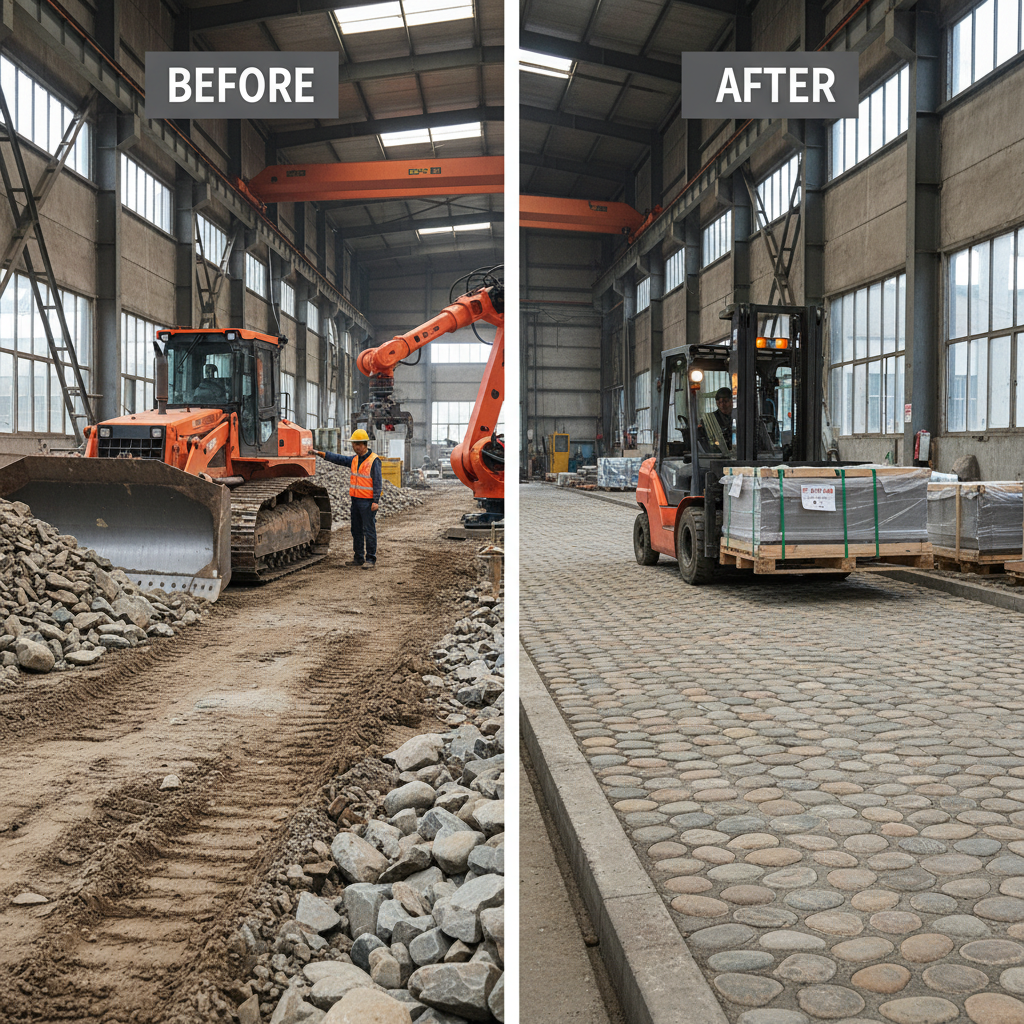
Integrating river stone pavers into modern landscape design offers a timeless bridge between rugged natural beauty and architectural precision. These weathered gemstones, shaped by centuries of hydraulic action, provide an organic texture that synthetic materials simply cannot replicate, making them a premier choice for homeowners and urban planners seeking an authentic, earth-toned aesthetic.
From a global perspective, the demand for sustainable building materials has propelled these natural stone solutions to the forefront of the "green" construction movement. By utilizing materials that require minimal chemical processing compared to concrete or plastic composites, designers are reducing the carbon footprint of outdoor living spaces while enhancing the local ecosystem's permeability.
Understanding the intricacies of selection, installation, and maintenance of river stone pavers is essential for ensuring long-term structural integrity and visual appeal. Whether used for a meditative garden path, a high-traffic driveway, or a sophisticated poolside terrace, these stones provide a unique combination of durability and elegance that evolves gracefully over time.
Global Industry Context of River Stone Pavers
The global architectural landscape is currently witnessing a paradigm shift toward "Biophilic Design," where the integration of natural elements like river stone pavers is no longer just an aesthetic choice but a psychological necessity. Industry reports suggest a steady increase in the valuation of the natural stone market, driven by a growing preference for materials that comply with ISO 14001 environmental management standards and a desire to move away from heat-absorbing asphalt in urban "heat islands."
However, the industry faces a significant challenge: balancing the extraction of natural river deposits with ecological preservation. This has led to a surge in the development of ethically sourced, processed stone masonry that mimics the natural river-worn look while ensuring that riverbed ecosystems remain undisturbed, thus solving the conflict between luxury landscaping and environmental stewardship.
Defining River Stone Pavers in Modern Masonry
In simple technical terms, river stone pavers are naturally rounded or semi-flattened stones harvested from riverbeds or simulated through precision tumbling processes to achieve a smooth, organic finish. Unlike quarried slabs that feature sharp, linear edges, these pavers are characterized by their ellipsoidal shapes and varied mineral compositions, which create a mosaic-like appearance when installed in a bed of mortar or sand.
In the context of modern industry, these pavers serve a dual purpose. They act as a permeable surfacing solution that allows rainwater to seep back into the groundwater table—addressing critical urban flooding issues—while providing a high-load-bearing surface suitable for pedestrian and light vehicular traffic. This intersection of humanitarian urban planning and high-end masonry makes them indispensable in sustainable city development.
Furthermore, the connection to modern humanitarian needs is evident in the creation of "healing gardens" and accessible public walkways. The tactile nature of these stones, combined with their natural thermal properties, creates environments that are not only visually soothing but physically safer and more comfortable for diverse age groups and abilities.
Core Components of High-Quality Stone Paving
The primary indicator of quality for river stone pavers is their mineral density and compressive strength. High-grade stones, typically composed of quartzite, granite, or dense limestone, ensure that the pavers do not crack under freeze-thaw cycles, which is a common failure point in lower-quality sedimentary stones.
Surface texture and slip resistance are critical safety components. Professional-grade river stone pavers are selected based on their "coefficient of friction," ensuring that while the stones are smooth to the touch, they provide sufficient grip when wet, preventing accidents in public plazas or residential pool decks.
Finally, the scalability of the installation system—whether using traditional wet-set mortar or modern flexible glues—determines the project's longevity. The ability to integrate these stones into various formats, from tight-knit mosaics to loose stepping stones, allows for immense architectural flexibility across different climates and soil types.
Performance Metrics and Durability Standards
When evaluating the efficacy of different paving methods, professionals look at the balance between load-bearing capacity and permeability. The use of river stone pavers typically outperforms standard concrete in terms of longevity, as they do not suffer from the same structural fatigue or surface scaling that affects cement-based products over decades.
To better understand the comparative value, we analyze various installation methods. A "dry-lay" approach offers maximum drainage but less stability, whereas a "reinforced mortar" approach provides industrial-grade strength for high-traffic areas. The following chart illustrates the performance ratings across these different methodologies.
Comparative Performance of River Stone Paver Installation Methods
Global Applications and Real-World Use Cases
Across Europe and North America, river stone pavers are frequently employed in "Green Infrastructure" projects to manage stormwater runoff. In cities like Copenhagen and Seattle, these stones are integrated into bioswales and permeable pavements, reducing the load on sewage systems during heavy rainfall while adding a sophisticated, natural aesthetic to the streetscape.
In luxury hospitality sectors, particularly in Southeast Asian resorts, these stones are used to create sensory walking paths that promote "grounding" for guests. By blending river stone pavers with native flora, developers create seamless transitions between indoor luxury and the wild outdoors, significantly increasing the perceived value of the property.
Long-Term Value and Environmental Advantages
The long-term financial value of investing in natural stone paving lies in its virtually zero depreciation. Unlike synthetic pavers that fade under UV exposure or crack due to chemical degradation, river stone pavers maintain their color and structural integrity for generations. This longevity translates to lower lifecycle costs, as the need for replacement is almost non-existent.
From an emotional and social perspective, these materials evoke a sense of permanence and trust. A pathway laid with natural stone suggests a commitment to quality and a respect for the environment. This "dignity of material" is why historical landmarks and prestigious institutions continue to favor stone over modern alternatives.
Moreover, the sustainability angle is undeniable. Because these stones are naturally formed and require minimal energy to process compared to the kiln-firing of bricks or the chemical synthesis of polymers, they are the gold standard for LEED-certified building projects focusing on sustainable site development.
Future Trends in Sustainable Stone Innovation
The future of river stone pavers is being shaped by the intersection of traditional masonry and digital technology. We are seeing the rise of "Precision Mapping," where AI is used to analyze the shapes of individual stones to create a perfect, puzzle-like fit, reducing the amount of mortar needed and increasing the structural interlocking of the pavement.
Additionally, there is a movement toward "Smart Stones"—incorporating recycled aggregates into the backing of glued stacked stone veneers to reduce waste. This hybrid approach allows the beauty of river stones to be applied to vertical surfaces (walls and pillars) with a fraction of the weight and environmental impact of solid stone.
As automation enters the quarry and processing phase, the ability to customize the size and color grading of river stones will become more accessible, allowing architects to specify exact palettes that harmonize with specific urban contexts or natural landscapes.
Analysis of River Stone Paver Specifications and Application Suitability
| Stone Type |
Porosity Level |
Load Bearing Capacity |
Recommended Use |
| River Quartzite |
Very Low |
Excellent (10/10) |
Driveways & Plazas |
| Polished River Basalt |
Low |
High (9/10) |
Modern Courtyards |
| River Limestone |
Medium |
Moderate (7/10) |
Garden Paths |
| Mixed Pebble Blend |
Variable |
Moderate (6/10) |
Decorative Borders |
| River Granite |
Very Low |
Excellent (10/10) |
Heavy Pedestrian Zones |
| Sandstone River Pebbles |
High |
Low (5/10) |
Zen Gardens/Indoor |
FAQS
While naturally smooth, professional-grade river stone pavers are selected for their inherent mineral grip. When installed with proper jointing material, they provide a safe walking surface. For high-risk areas like pool surrounds, we recommend a "tumbled" or "natural-split" finish which increases the coefficient of friction, ensuring safety without compromising the organic look.
The best way to prevent weed growth in river stone paving is through the use of a high-quality polymeric sand or a reinforced mortar base. Polymeric sand hardens when activated with water, creating a flexible but solid barrier that blocks seed germination while still allowing for natural drainage. Regular sweeping and occasional sealing further protect the joints.
Yes, provided the correct stone type and base are used. Dense stones like granite or quartzite river pavers are ideal for driveways. The key is the sub-base; a compacted layer of crushed stone and a concrete bedding layer ensure that the stones do not shift or sink under the weight of vehicles, providing a durable and stunning entrance.
Natural river stones are shaped by water over thousands of years, offering completely unique, organic forms. Tumbled pavers are quarried stones that are put through a mechanical rotating drum to mimic this effect. While tumbled stones offer more uniformity in size, natural river stone pavers provide an unparalleled authenticity and "soul" to the landscape.
Natural stone is one of the most durable materials on earth. With a professional installation, river stone pavers can easily last 50 to 100 years. Unlike concrete, which cracks, or wood, which rots, stone only develops a beautiful patina over time, often increasing the property's value as the landscape matures.
Absolutely. They are a low-impact material that avoids the high carbon emissions associated with cement production. Furthermore, when installed as permeable paving, they actively fight urban flooding by allowing water to return to the earth rather than overloading storm drains, making them a cornerstone of sustainable site design.
Conclusion
In summary, river stone pavers represent the perfect synergy of geological artistry and engineering durability. By prioritizing mineral density, sustainable sourcing, and precision installation, these stones provide a low-maintenance, high-value solution for any architectural project. From the ability to mitigate urban runoff to the creation of serene, biophilic retreats, the versatility of river stone masonry ensures it remains a timeless choice for the discerning developer.
Looking forward, the integration of smart design and recycled materials will only enhance the viability of natural stone in an eco-conscious world. We encourage architects and homeowners to move beyond the monotony of concrete and embrace the organic warmth and enduring strength of natural river stones. For premium sourcing and expert guidance on your next masonry project, visit our website: www.sonmacistone.com.