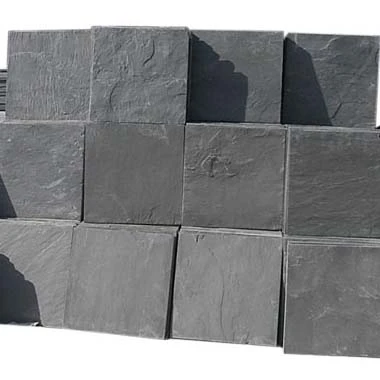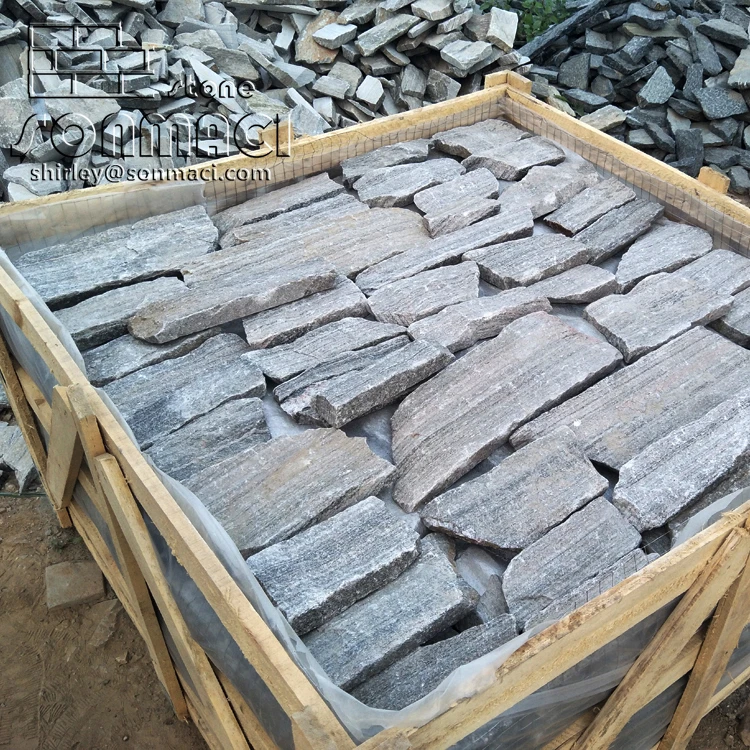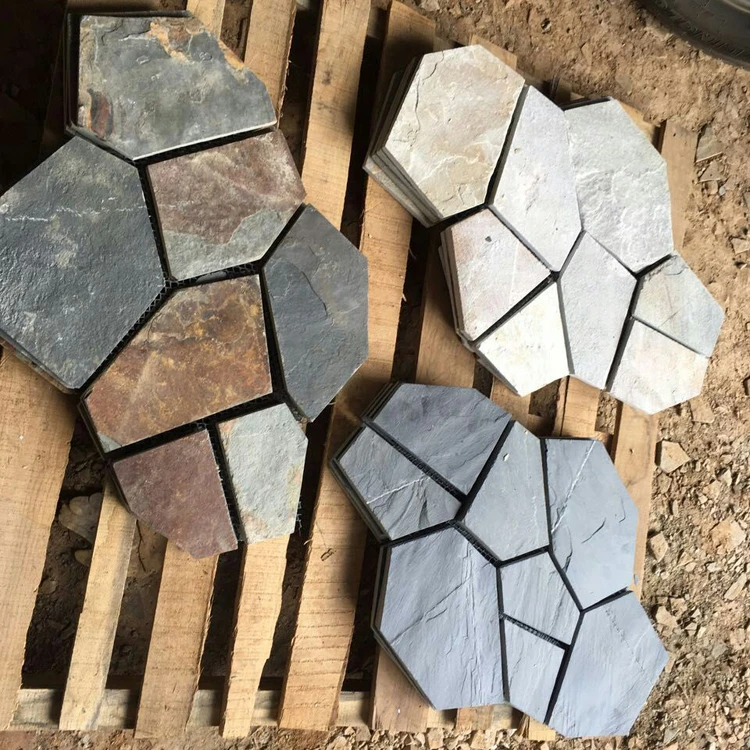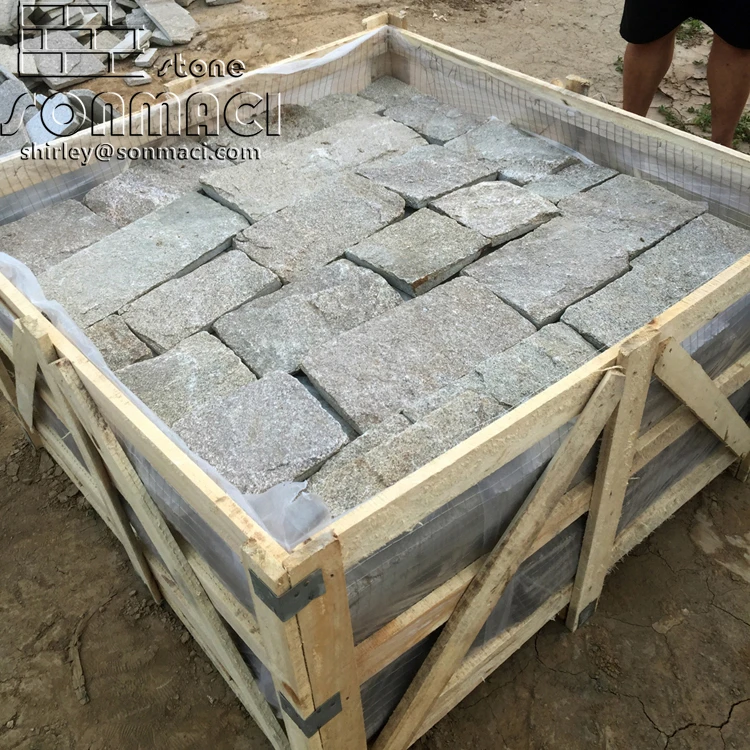
Random Rubble Stone: Durable, Eco-Friendly Building Solutions for Global Construction
Understanding Random Rubble Stone: Durable, Timeless, and Globally Relevant
Random rubble stone may sound like jargon from an ancient stonemason’s handbook — and in a way, that’s exactly where it originates. But this unassuming building material is far from relic status. Across the world, from rural villages to sprawling industrial zones, random rubble stone remains a fundamental solution for building strong, sustainable structures. Its timeless appeal comes from simplicity: using roughly broken stones, assembled without uniform pattern, to create walls and foundations that endure centuries.
Why does it matter today? With rapid urbanization and increasing needs for affordable, eco-friendly construction materials, understanding random rubble stone is more relevant than ever. Many communities turn to it as a resilient, cost-effective option where modern materials fall short. If you’ve ever mulled over the benefits of traditional building in contemporary contexts, this exploration will shed some light.
Random Rubble Stone: A Global Perspective
Globally, building materials contribute significantly to environmental footprints and construction costs. According to United Nations data, nearly 2.4 billion people live in inadequate housing, pressing the need for simple, accessible materials that can be sourced locally. Random rubble stone fits the bill, especially in developing countries and post-disaster recovery areas.
At the same time, the World Bank highlights the importance of sustainable construction to minimize greenhouse gas emissions—a challenge that modern concrete struggles to meet. In many regions, exploiting local stone reduces transportation emissions by avoiding imported materials. But it’s not just about the environment; it’s also about subsidies for communities without large infrastructure budgets.
Still, widespread misconceptions about rubble stone’s strength and aesthetics sometimes hold back its adoption in formal construction. That problem, so to speak, is gradually fading as architects and engineers rediscover its potential.
What Exactly Is Random Rubble Stone?
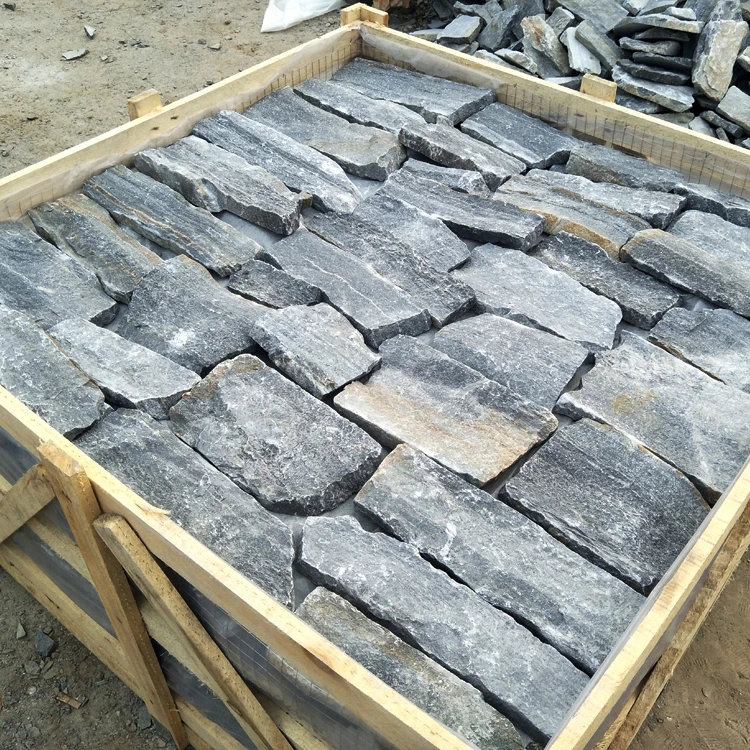
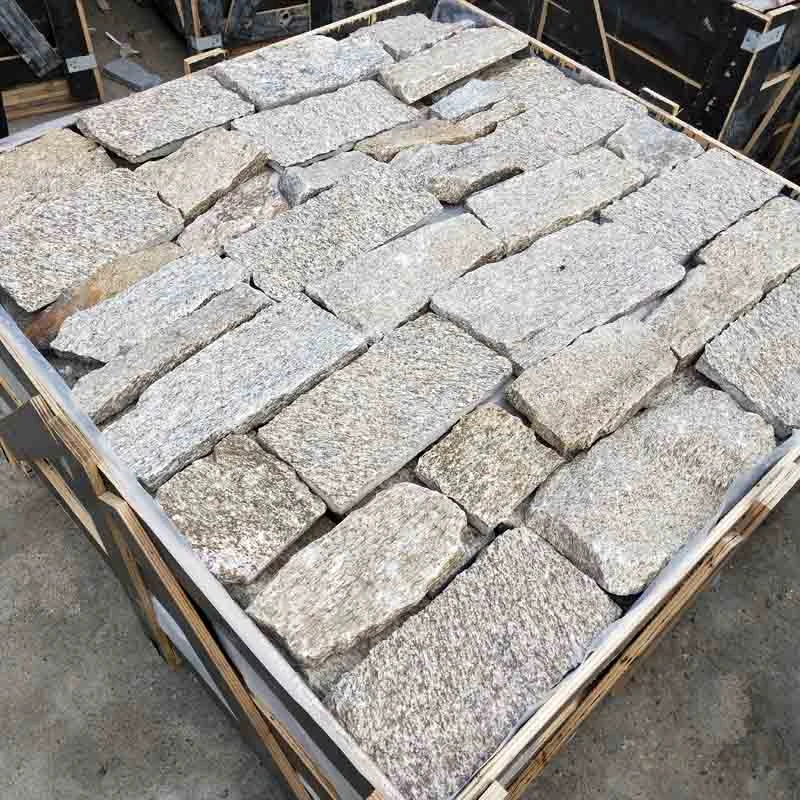
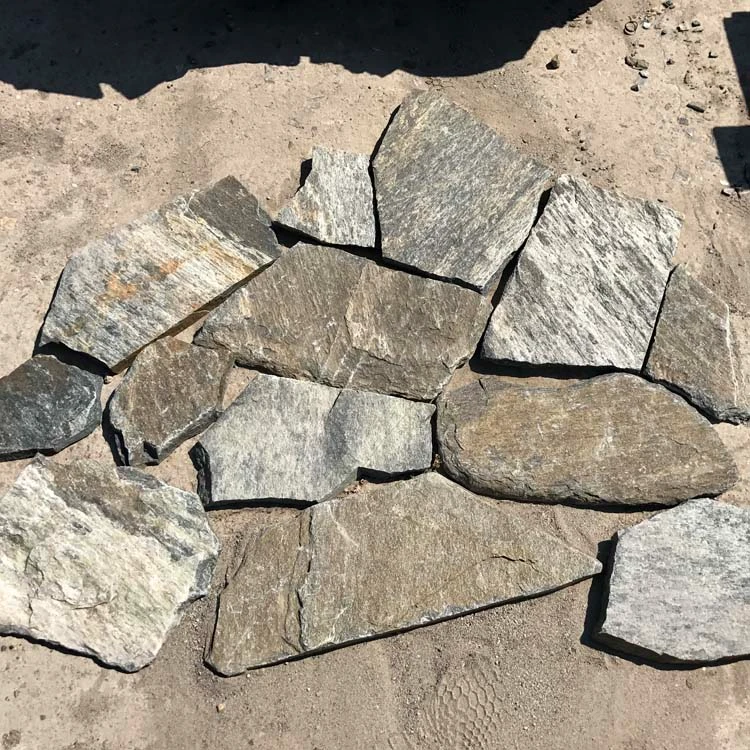
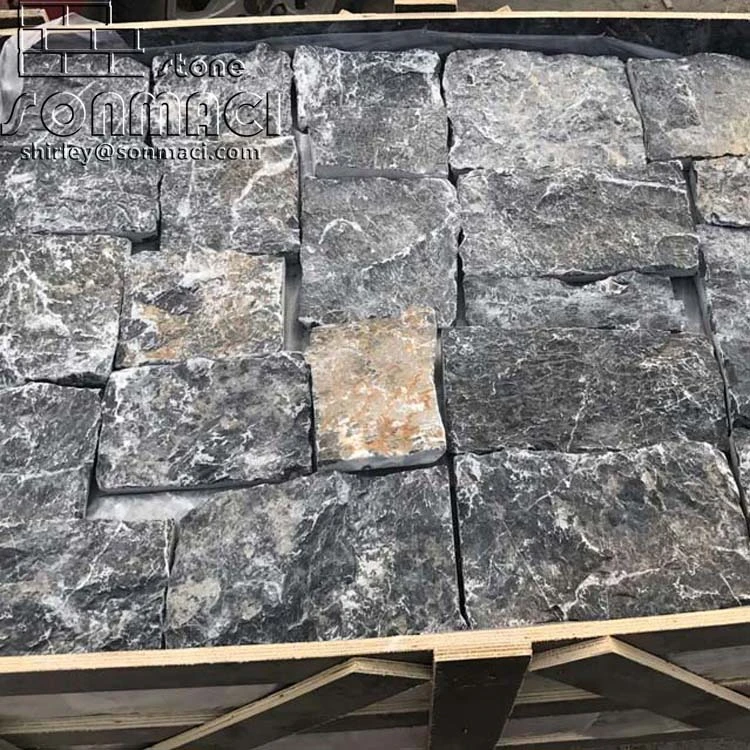
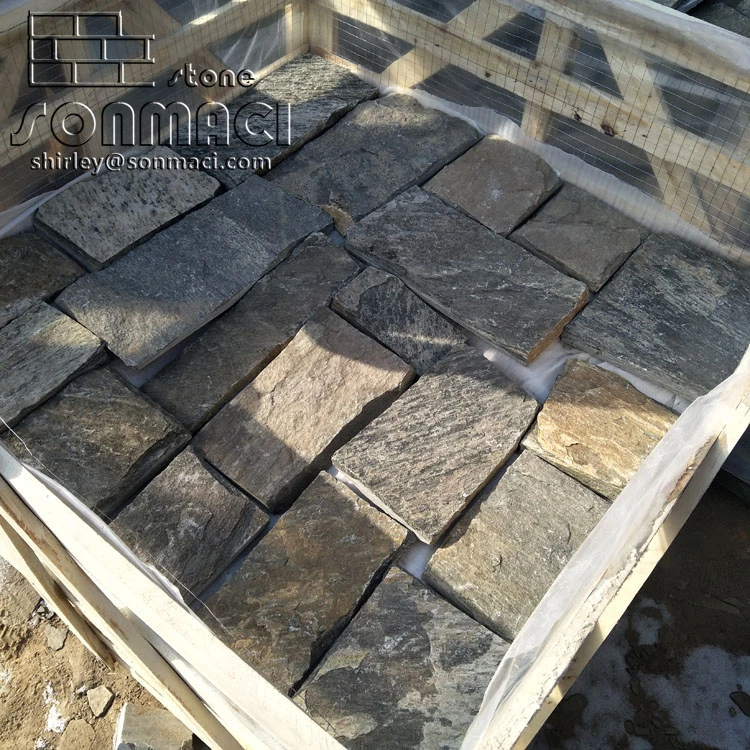
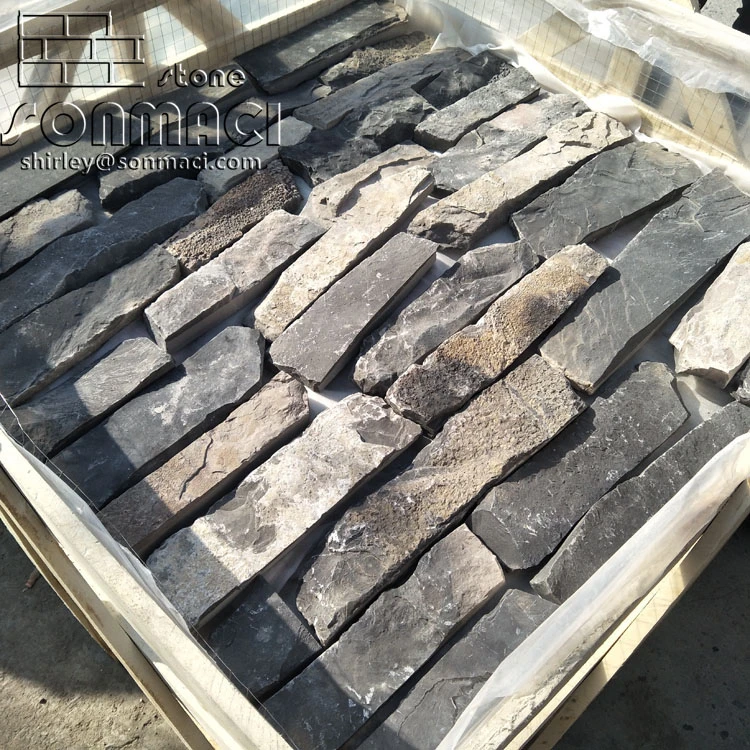
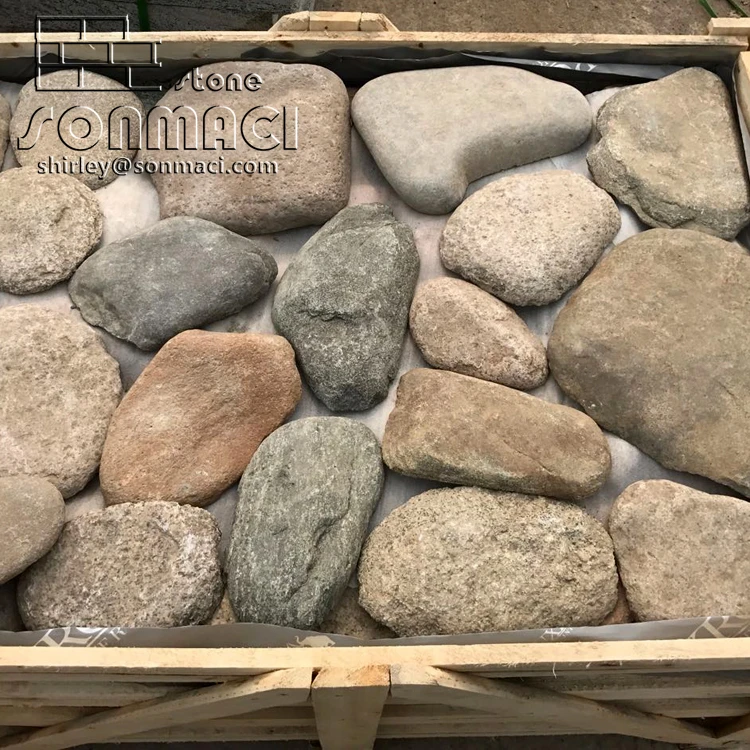
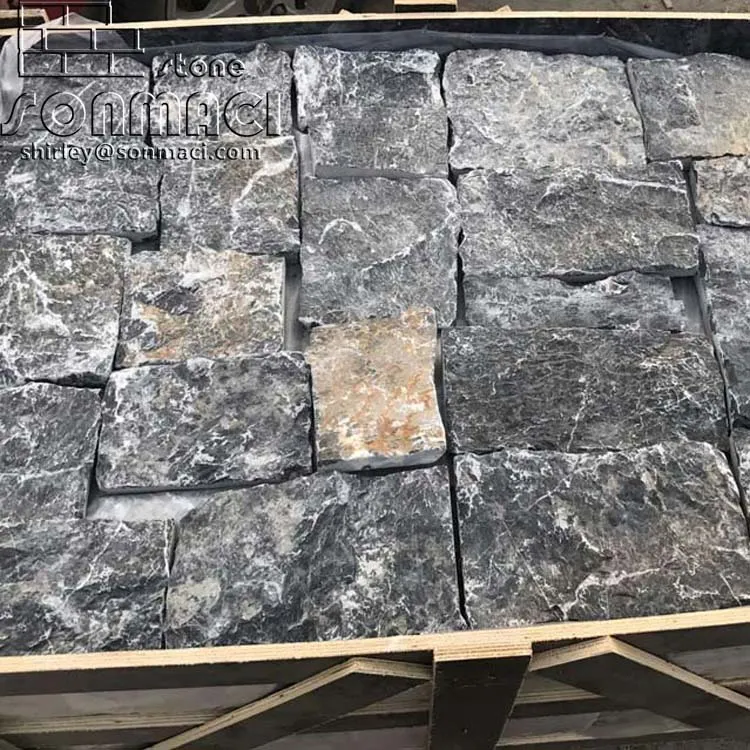
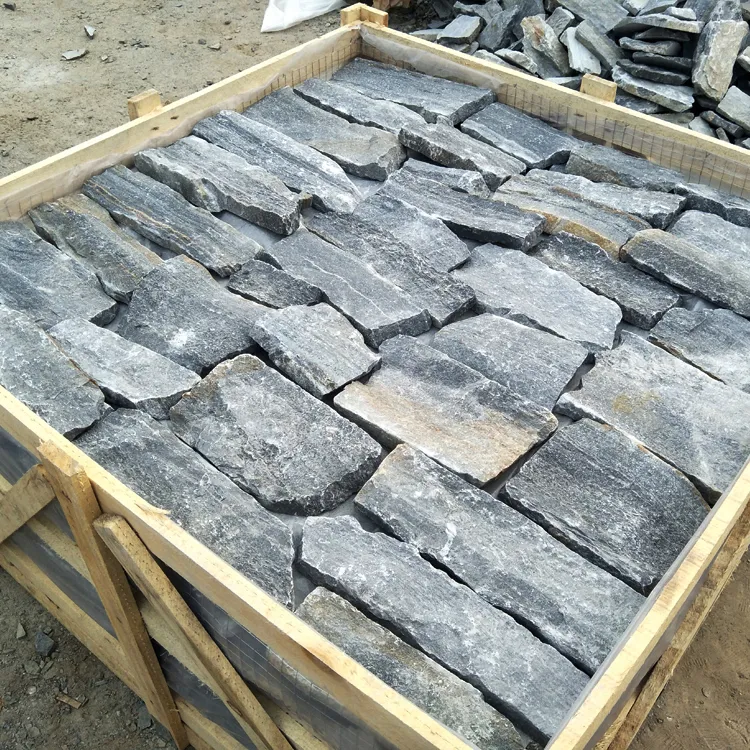
Put simply, random rubble stone is a masonry technique involving fitting together irregularly shaped stones, without extensive cutting or shaping, in a non-uniform pattern. Unlike carefully dressed stonework, the stones in random rubble masonry come from natural rock fragments — roughly broken or chipped, not carved. Mortar usually binds the masonry, but sometimes dry stacking is possible.
In modern contexts, this method serves industries that prize low-cost, sustainable, and culturally sensitive construction. Humanitarian organizations especially value random rubble stone in earthquake-prone or disaster-stricken areas, where quick rebuilding and resource availability matter.
Key Factors Behind Random Rubble Stone's Effectiveness
Durability
It sounds paradoxical, but the irregular shape and rough texture of random rubble can make walls surprisingly resistant. The roughness creates friction, locking stones in place, while the voids filled with mortar distribute loads evenly.
Cost Efficiency
Unlike cut stone, there's no need for expensive machining or shaping. Often, stones are sourced from nearby quarries or excavations, minimizing transport costs.
Scalability and Adaptability
Rubble stone suits everything from small boundary walls to large structural foundations. Builders can adapt the layout on the fly, adjusting for stone sizes and site needs.
Environmental Impact
Using random rubble stone reduces reliance on concrete and bricks, which require energy-intensive production. The method also encourages local material usage, decreasing carbon emissions.
Cultural Connection
Many communities have long traditions of rubble stone masonry. Reintroducing it respects heritage and aesthetic continuity in rapidly changing environments.
Global Applications & Use Cases of Random Rubble Stone
Across continents, random rubble stone construction is a quiet hero. In South Asia and parts of Africa, it's a common technique for rural houses where local stone abounds. Humanitarian NGOs use it extensively in random rubble stone walls and shelters, especially after earthquakes or floods, due to its rapid availability and semi-skilled labor suitability.
In Mediterranean Europe, old villages often retain walls and terraces constructed of random rubble for centuries, showcasing resilience under climate stress and urban pressure. Industrially, quarry and mining regions use this stone for retaining walls and infrastructure bases, where cost and strength matter more than appearance.
A notable example: post-2015 Nepal earthquake reconstruction saw humanitarian groups rebuilding homes using rubble stone to blend safety improvements with local materials, accelerating repair times and lowering expenses.
What Makes Random Rubble Stone Stand Out? Advantages and Long-Term Value
- Cost-saving: Less processing, less waste, cheaper transport.
- Sustainability: Encourages local material use, reducing carbon footprints.
- Safety: Thick walls retain heat, provide soundproofing, and withstand seismic forces better than unreinforced masonry.
- Community Empowerment: Local labor integration builds skills and sustains traditions.
- Reliability: Time-tested technique with centuries of lived proof.
Plus, there’s something emotionally reassuring about a stone wall — a sense of permanence, of connection to place. It’s not just brick or concrete; it’s history forming the structure you live or work in.
Innovations & Future Trends
Today, engineers experiment with integrating rubble stone with modern composites and reinforcement to boost seismic resilience. 3D mapping and digital tools help optimize stone placement, while policies promoting green building increasingly list rubble stone as an encouraged technique. In regions exploring random rubble stone, combining it with automation in stone sorting and mortar consistency may speed up construction, marrying tradition and technology.
Green energy-linked projects consider the thermal insulation offered by thick rubble masonry for off-grid housing. It feels like these old materials are quietly poised for a comeback in sustainability-focused markets.
Challenges and Practical Solutions
Of course, rubble stone isn’t perfect. Irregularity makes design calculations less straightforward, often requiring experienced masons for best results. Weathering mortar joints can erode without maintenance. Plus, transporting large stones, even locally, is labor-intensive compared to prefabricated materials.
Yet, hybrid approaches emerge: combining rubble stone with stabilized earth blocks or concrete cores. Training programs help local builders improve fitting techniques, and modern additives in mortar enhance durability.
Random Rubble Stone: Product Specification Table
| Feature | Typical Range / Value | Notes |
|---|---|---|
| Stone Type | Granite, Limestone, Sandstone | Local availability guides choice |
| Stone Size | 50–250 mm typical | Varies widely by project |
| Mortar Type | Lime or Cement-based | Lime preferred for breathability |
| Wall Thickness | 300–600 mm | Depends on load and design |
| Compressive Strength | 5–15 MPa (approx.) | Varies by stone and mortar |
| Lifespan | 100+ years (often more) | Maintenance dependent |
Vendor Comparison: Random Rubble Stone Providers
| Vendor | Region | Product Range | Pricing | Additional Services |
|---|---|---|---|---|
| Sonmacistone Ltd. | Global | Random rubble, cut stone, custom orders | Competitive, volume discounts | Logistics, technical support |
| RockCraft Solutions | Europe, Asia | Random rubble & dimension stone | Mid-range | Consultation, custom designs |
| EarthStone Supplies | Africa, Middle East | Local rubble, eco-friendly aggregates | Budget-focused | Training, on-site support |
Frequently Asked Questions About Random Rubble Stone
Q1: How does random rubble stone compare to concrete blocks in construction?
A1: While concrete blocks provide uniformity and faster assembly, random rubble stone offers greater sustainability and stronger natural insulation. Concrete production has a high carbon footprint, whereas rubble stone uses locally sourced materials with minimal processing. For projects focused on long-term environmental impact and cultural authenticity, rubble stone is often the better choice.
Q2: Is training required for builders using random rubble stone?
A2: Absolutely. Though it may look simple, proper fitting and mortar application require skill to ensure structural integrity and durability. Many NGOs offer training programs, and suppliers sometimes provide technical support to improve outcomes. Investing in skill development saves costly repairs down the line.
Q3: Can random rubble stone constructions withstand earthquakes?
A3: With proper reinforcement and design considerations, such as through confined masonry or adding seismic bands, rubble stone structures can be made earthquake resistant. However, unreinforced rubble stone walls are vulnerable, so modern adaptations are recommended in seismic zones.
Q4: How quickly can random rubble stone walls be constructed?
A4: Speed depends on availability of stones, labor skills, and project size. Generally, walls can be built relatively quickly considering minimal stone cutting—often making it faster than detailed ashlar masonry but slower than prefabricated panels.
Wrapping It Up: Building with Random Rubble Stone Today
Random rubble stone stands at a fascinating crossroads — it’s both a nod to centuries-old techniques and a viable answer to today’s pressing construction challenges. Combining low cost, strong performance, and sustainability, it continues to offer unmatched value globally. Whether you’re an architect, developer, or humanitarian worker, considering random rubble stone might just redefine your approach to building.
Ready to explore custom sourced and engineered random rubble options? Visit Sonmacistone for more information and product support.