White Marble Herringbone: Classic Elegance Meets Industrial Strength
Exploring the Timeless Appeal of White Marble Herringbone
Having spent years in the industrial equipment sector, I’ve come to appreciate materials that blend functionality with a timeless aesthetic. White marble herringbone is one of those fascinating design elements that quietly bridges classic elegance and contemporary charm, especially when used in flooring or wall cladding. You might be wondering why this particular pattern and material combo continues to hold such sway — well, let’s unpack that a bit.
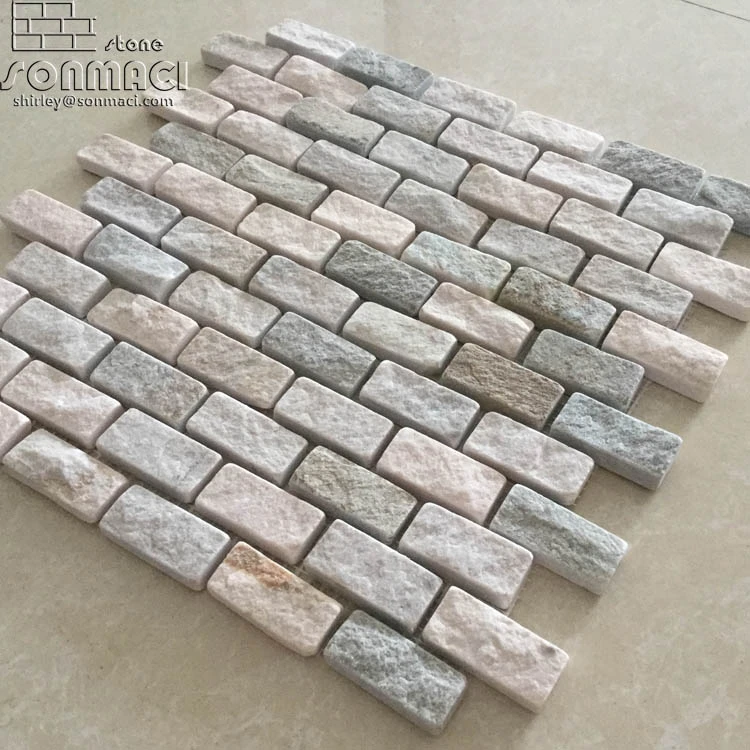
First off, white marble itself is a material with a storied history. From ancient architecture to modern luxury interiors, its slightly translucent, cool surface has made it a favorite among designers and builders alike. Now, pattern matters too. The herringbone layout gives an otherwise simple tile a sense of movement and sophistication without hogging all the attention. It’s sort of like a well-tailored suit — classic, but with personality.
The interesting thing about white marble herringbone is how it combines the natural variability of marble with the geometric precision of the pattern. I remember working on a refurbishment project where the client insisted on maintaining an authentic look but wanted durability suitable for high-traffic areas. White marble herringbone, when properly sealed and installed, fit the bill perfectly. The grain and veins in the marble added subtle uniqueness to each piece, while the herringbone pattern soothed the eye and masked scuff marks — a win-win.
In industrial terms, marble is a metamorphic rock, primarily composed of recrystallized carbonate minerals like calcite. Its density generally ranges from 2.6 to 2.8 g/cm³, and that makes it quite sturdy, though not exactly impervious to acids or scratches. Oddly enough, many engineers I’ve spoken with still vouch for its longevity when maintained correctly, especially in commercial interiors where appearance matters almost as much as function.
From a customization standpoint, white marble herringbone offers a variety of tile sizes and finishes. Polished surfaces give you that cool, reflective shine; honed finishes bring a softer matte look. And there’s always the choice of grout colors, which affects the overall visual impact significantly. I’ve noticed that lighter grouts tend to accentuate the pattern, whereas darker grouts provide a bold contrast — depends on what statement you’re going for, frankly.
Now, if you’re keen to explore product options, here’s a quick spec breakdown for a typical white marble herringbone tile set that I’ve seen recommended by professionals in both design and construction:
| Feature | Specification |
|---|---|
| Material | Natural White Marble (Carrara or similar) |
| Tile Size | Typically 24x48 mm or 30x60 mm strips |
| Pattern | Herringbone (45° or 90° angle) |
| Finish | Polished or Honed |
| Thickness | 10-15 mm standard |
| Usage | Flooring, Accent walls, Backsplashes |
Choosing the right provider for white marble herringbone tiles is equally important. I always advise clients to look beyond just price — consider the consistency of product quality, available customization options, and delivery reliability. Here’s a quick comparison of three vendors that frequently come up in discussions among industrial suppliers and designers:
| Vendor | Material Sourcing | Customization | Lead Time | Price Range |
|---|---|---|---|---|
| Sonmacistone | Carrara Marble, Sustainable Quarries | Wide Sizes and Patterns | 3-4 Weeks | $$$ |
| Industrial Marble Co. | Various Italian and Greek sources | Standard Sizes | 4-6 Weeks | $$ |
| MarbleMasters | Global Sourcing, including Asian quarries | Custom Herringbone and Mosaic | 2-3 Weeks | $$$$ |
One detail I always share when discussing this pattern: installation precision matters. Even the most beautiful marble can lose its impact if the angles aren’t aligned just right or the grout lines vary too much. I’ve seen projects where the herringbone was executed flawlessly — the room looks like it breathes a little better, if that makes sense — versus rushed jobs where the appeal quickly fades.
In real terms, working with white marble herringbone opens doors for creative interplay between tradition and innovation. Whether you’re outfitting a boutique hotel lobby or an upscale residence, it has that rare ability to feel both grounded and fresh.
So, if you’re considering white marble herringbone for your next project, I’d say: do your homework, trust suppliers who know their stone, and, if possible, see samples in situ. You’ll find that the pattern’s subtle twists and turns carry a little story of craftsmanship and natural beauty — a story worth investing in.
Thanks for reading; hope this sheds some light on a classic material that consistently surprises even experienced hands like me.
— Alex R., Industrial Materials Specialist
References:
1. Natural Stone Institute, Marble Fact Sheet
2. “Marble and Stone in Industrial Applications,” Journal of Construction Materials, 2022
3. Personal Site Visits and Interviews with Industry Vendors, 2023