Durable and Sustainable Stone Veneer for Outside of House | Sonmacistone
Understanding Stone Veneer for Outside of House: Why It Matters Globally
If you’ve ever admired a home that looks timeless, sturdy, and elegant without the hefty weight of solid stone, chances are you've been looking at stone veneer for outside of house. But beyond the aesthetic charm, this material plays a significant global role in architecture and sustainable building practices. As urban populations swell and environmental concerns mount, stone veneer offers a balanced solution — blending durability with cost efficiency and a reduced carbon footprint.
In a world focused on resilient and eco-friendly construction, knowing the ins and outs of stone veneer can help architects, builders, and homeowners alike make smarter choices. Whether you’re refreshing your home's façade or working in commercial construction, it’s a smart option worth understanding.
Global Context: The Rising Demand for Stone Veneer in Exterior Cladding
Across continents—from the Mediterranean to North America, Asia, and Australia—stone veneer use has surged. According to the United Nations Environment Programme, the building and construction sector accounts for nearly 40% of global CO2 emissions, pushing demand for materials that reduce energy consumption.1 Stone veneer offers a lighter, thinner alternative to traditional masonry, reducing transportation emissions and structural requirements.
Yet, one of the biggest challenges has been balancing durability with aesthetics and cost. Stone veneer cleverly addresses this by providing the "look and feel" of full stone walls, but without the extra weight or expense. Plus, with increasing natural disasters and urbanization, exterior cladding systems that can withstand weather extremes are in high demand.
What Exactly Is Stone Veneer for Outside of House?
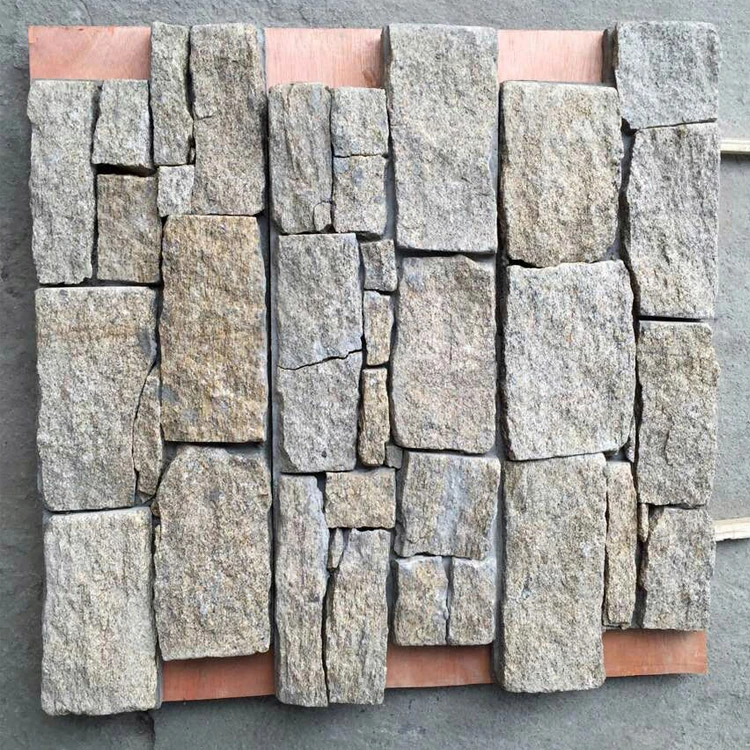
Simply put, stone veneer is a thin layer of stone — either natural or manufactured — that’s applied to the outside surface of a building. Unlike solid stone walls, which involve massive blocks and heavy mortar, veneer panels are far lighter and quicker to install.
This surface layer adds texture, beauty, and protects the underlying structure from weather, while offering insulation properties. In modern construction, stone veneer bridges traditional craftsmanship with contemporary manufacturing, offering a sustainable aesthetic without the excessive resource use.
Key Characteristics of Stone Veneer That Make It So Popular
1. Durability and Weather Resistance
Stone veneer is crafted to endure harsh climates — be it torrential rain, freezing temperatures, or scorching sun. Many products are treated or manufactured to resist moisture infiltration and fading over time, making them ideal for various environments.
2. Lightweight and Easy Installation
Compared to full stone blocks, veneers can be just a fraction of the weight — typically under 2 lbs per square foot. This not only lowers shipping costs but allows for faster installation with less structural reinforcement.
3. Cost Efficiency and Sustainability
Natural stone extraction is intensive, but veneers use thinner slabs or composites that maximize materials. Manufactured stone veneers often imitate popular stone types at lower costs and with less environmental impact, thanks to technological innovations.
4. Aesthetic Flexibility
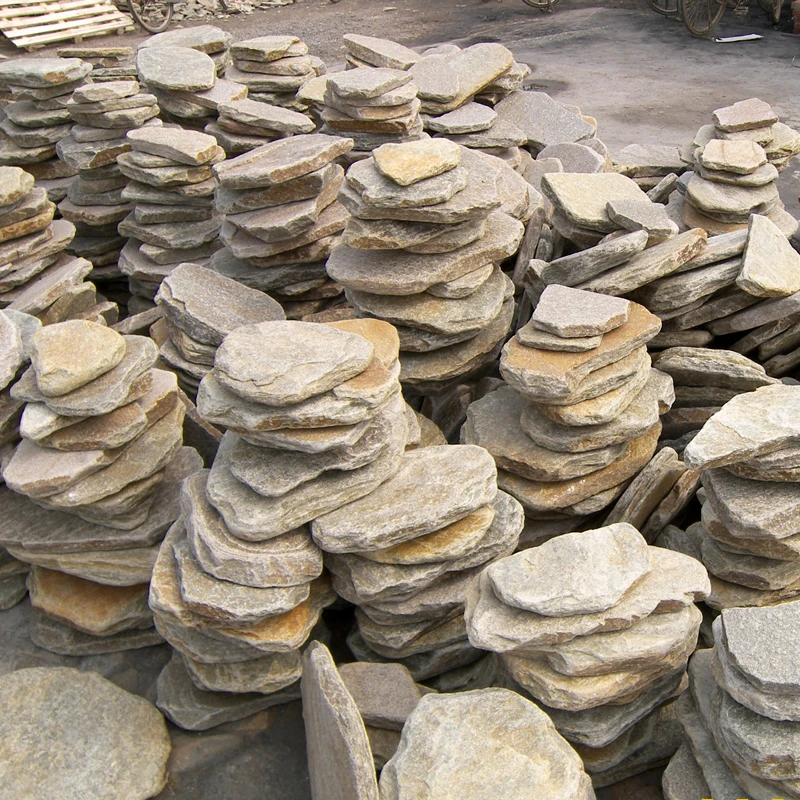
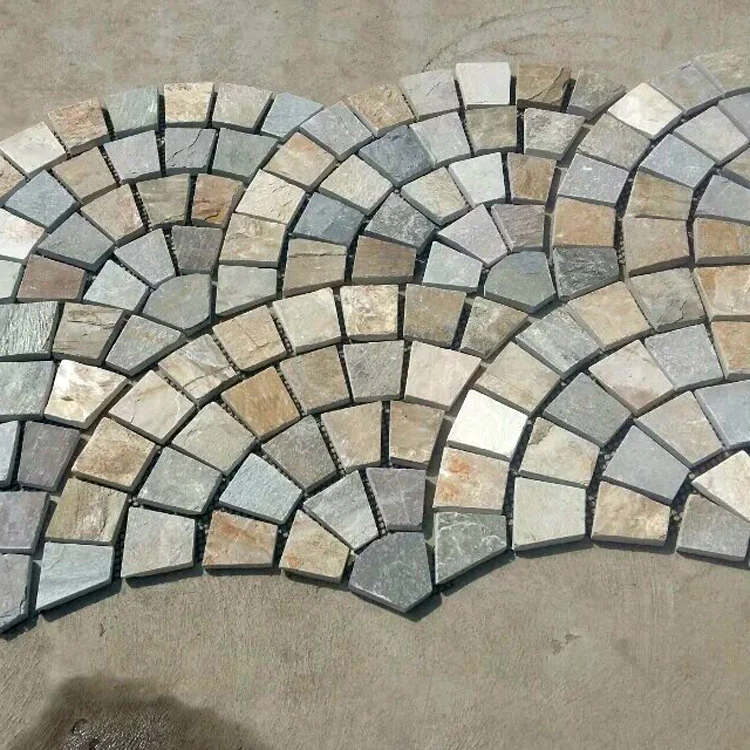
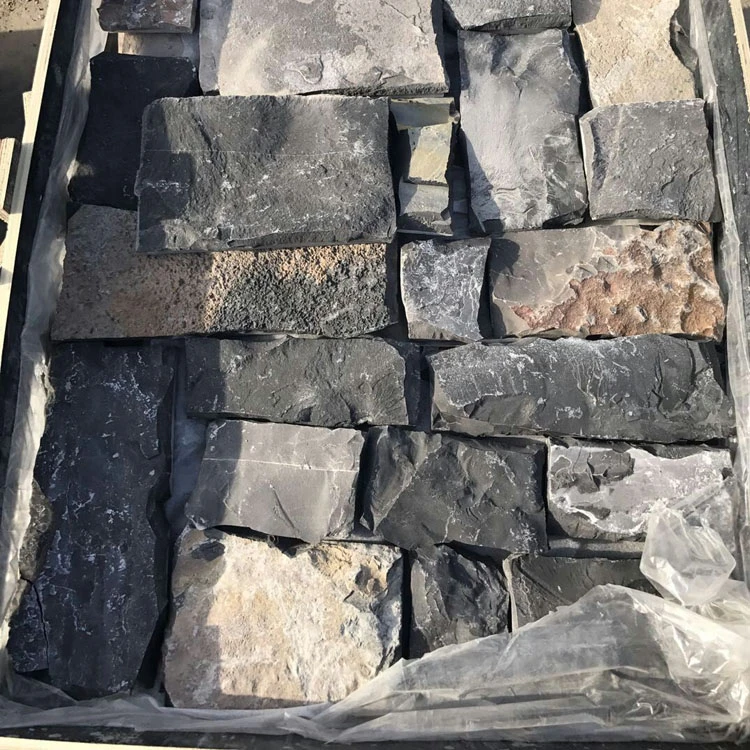
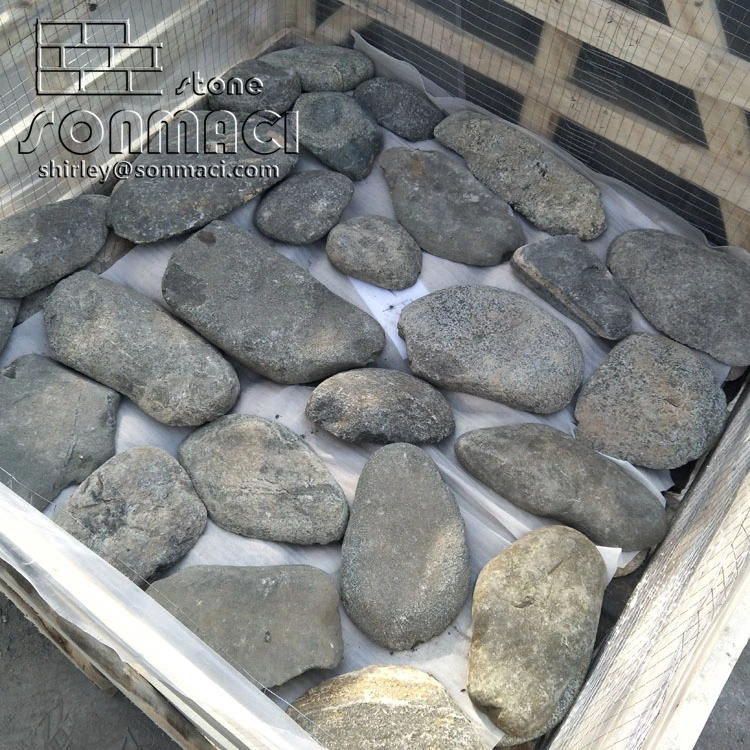
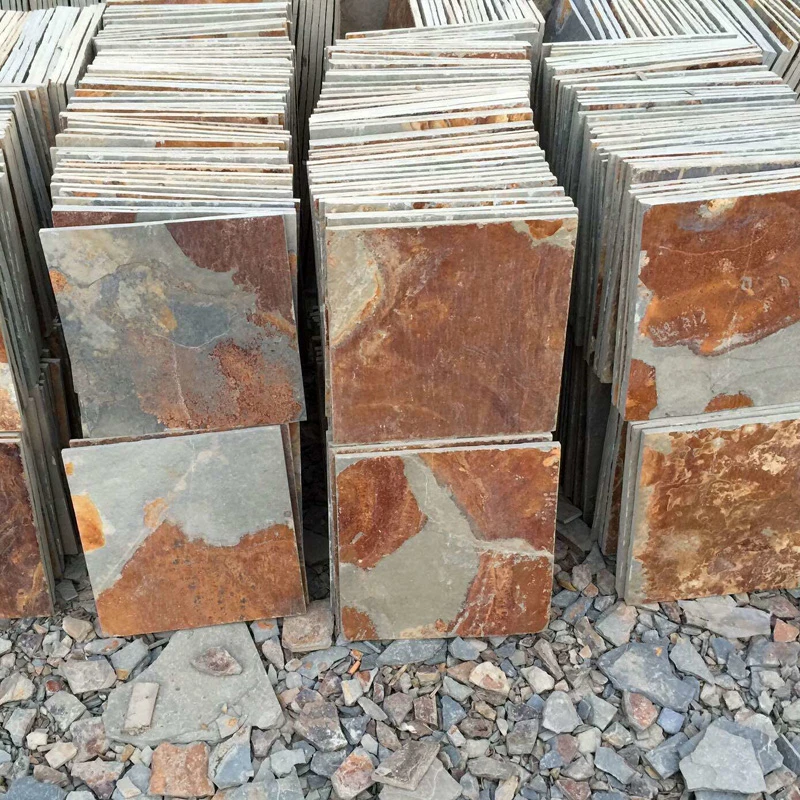
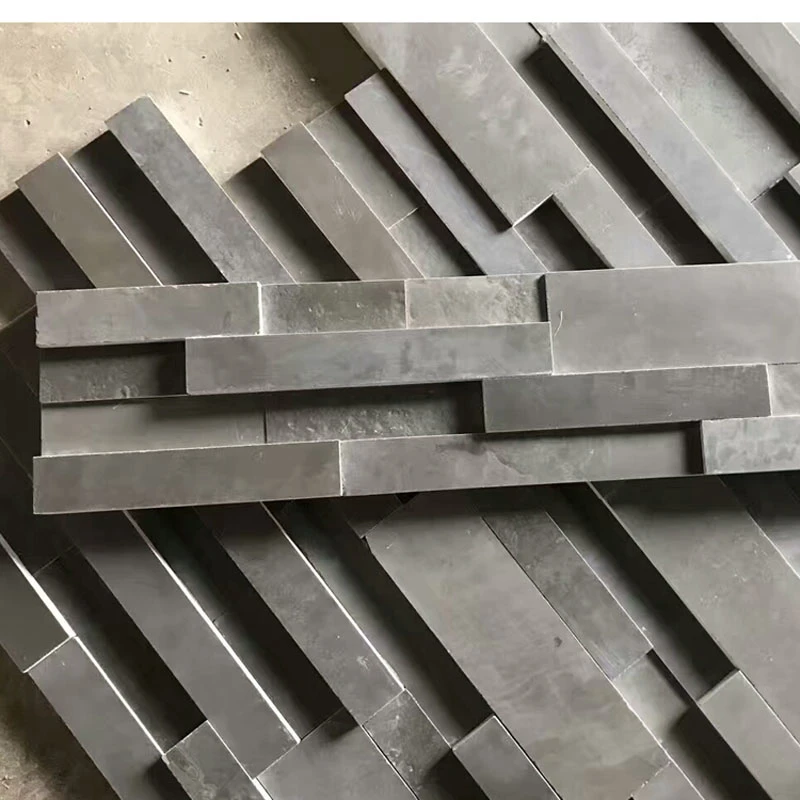
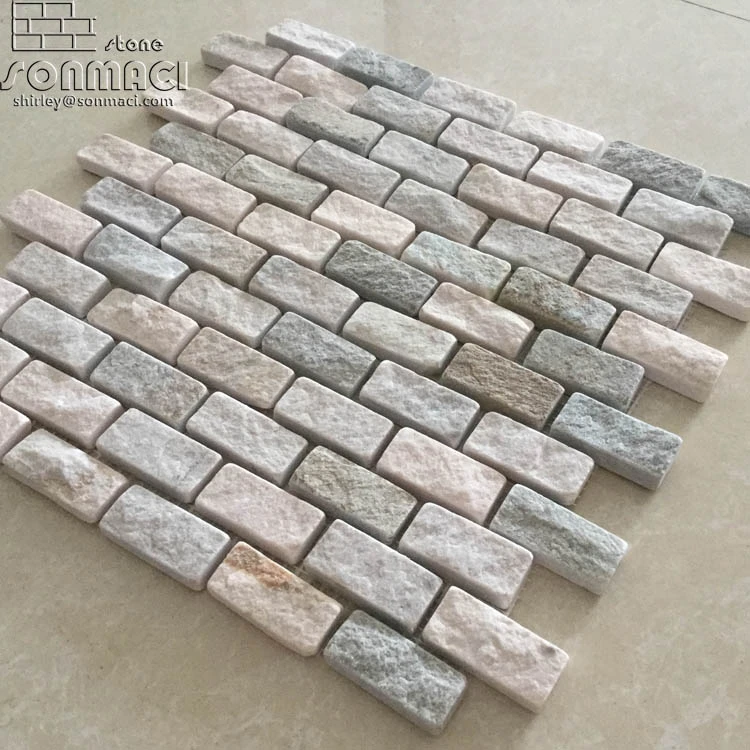
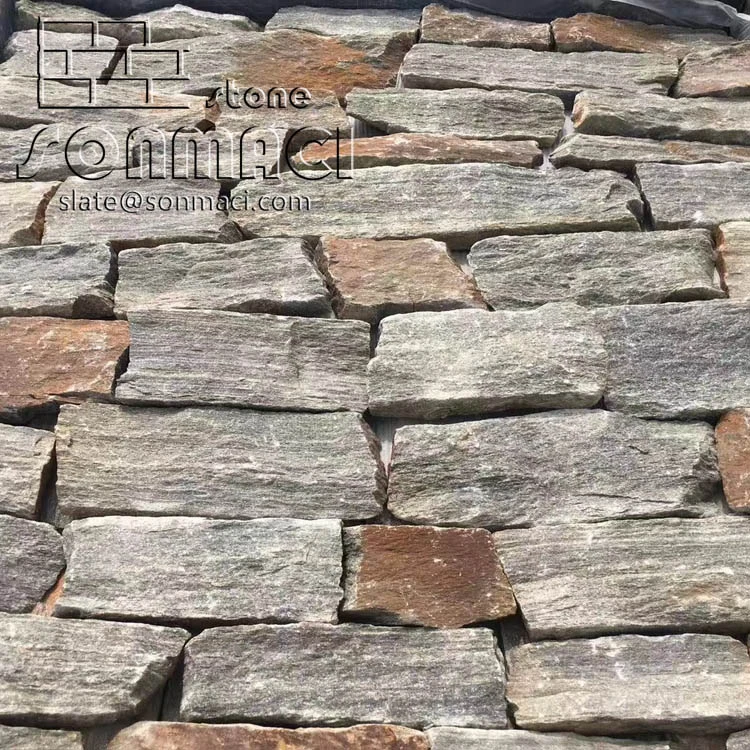
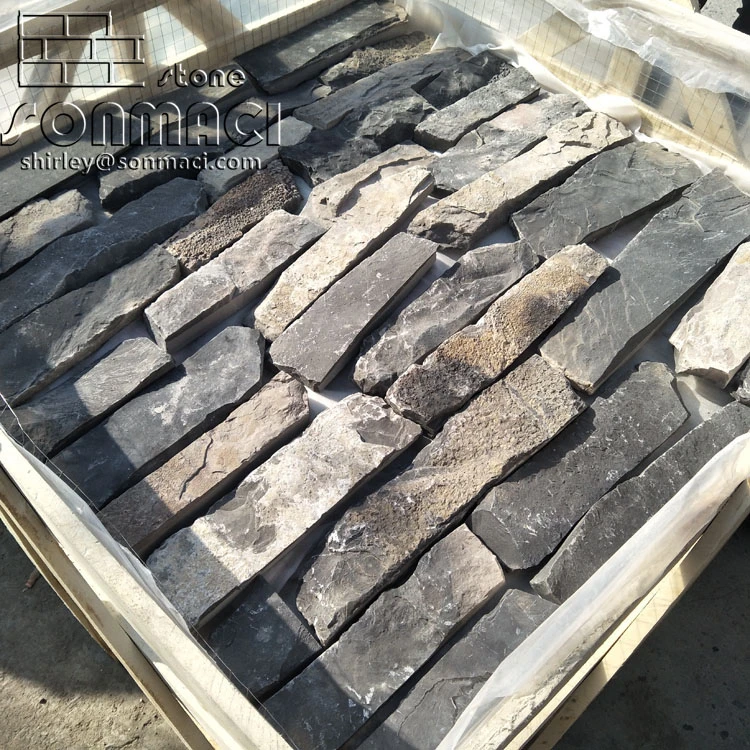
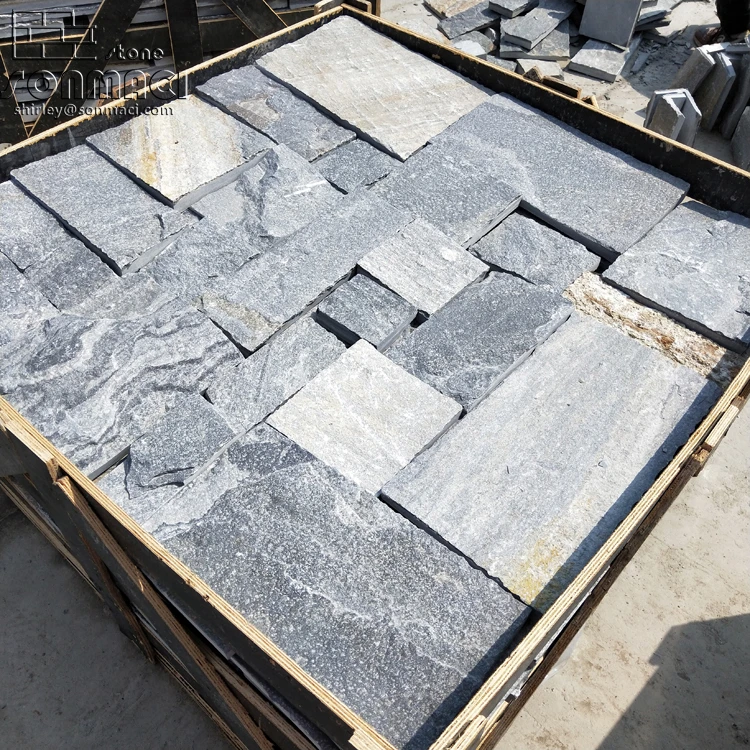
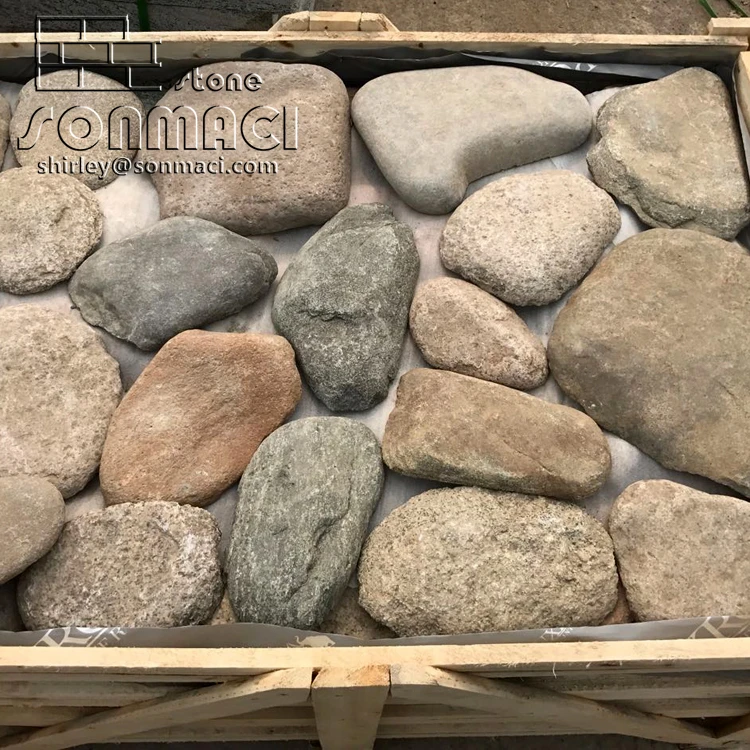
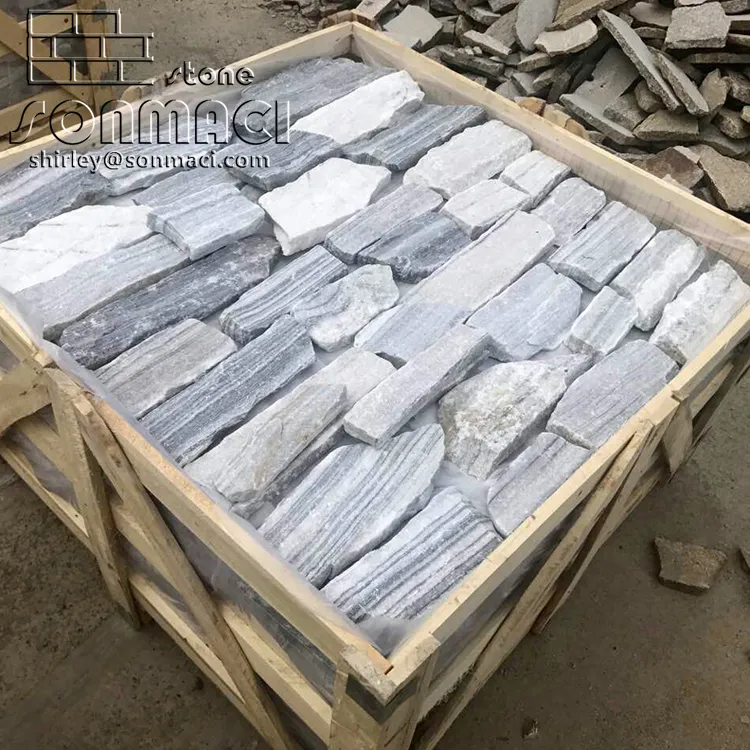
From classic granite and slate looks to rustic sandstone textures, stone veneer comes in countless styles. This makes it a chameleon of exterior design, fitting both contemporary urban projects and traditional homes.
5. Low Maintenance Needs
Unlike painted or wooden exteriors, stone veneer demands minimal upkeep. It resists pests, doesn’t peel, and rarely requires sealing—perfect for busy homeowners.
Product Specification Table for Stone Veneer Panels
| Feature | Specification |
|---|---|
| Material Types | Natural stone slabs, Manufactured concrete composite |
| Average Thickness | 0.75 to 1.25 inches |
| Weight | 1.5 to 3 lbs per sq.ft. |
| Installation Method | Adhesive and mechanical fasteners |
| Weather Resistance | High UV, freeze-thaw, and moisture resistant |
| Typical Lifespan | 20-50 years+ |
Applications Around The World: Where Stone Veneer Shines
From chilly Scandinavian countries to hot, arid Australian suburbs, stone veneer has found a niche. Governments and organizations in disaster-prone areas, like Japan and California, specify it in building codes for its resilience to seismic activity and fire resistance.
Commercial developers in urban areas use it to create sleek façades with reduced structural loads. Meanwhile, homeowners value it in both new builds and historic renovations for the authentic stone appearance without hefty costs.
Even humanitarian projects, such as sustainable housing in remote regions, use manufactured stone veneer as an affordable way to provide dignified, lasting shelter options.2
Vendor Comparison: Choosing the Right Stone Veneer Supplier
| Supplier | Stone Types | Average Cost per sq.ft. | Lead Time | Sustainability Certifications |
|---|---|---|---|---|
| Sonmacistone | Natural limestone, manufactured quartzite | $12.50 | 2-3 weeks | ISO 14001, FSC |
| RockStone Corp. | Granite, slate, sandstone | $15.00 | 4-6 weeks | LEED, GreenGuard |
| EcoVeneer Ltd. | Manufactured composites with recycled content | $10.00 | 1-2 weeks | Cradle to Cradle, LEED |
Why Stone Veneer Offers Long-Term Value
At its core, stone veneer is about smart investment: it looks great for decades, protects your home, and stands up against the elements with less decay or repainting chores. Emotionally, it brings a sense of permanence and trust — that rare quality where form meets function without compromise.
Practically, it reduces total lifecycle costs. Because it’s lightweight, it often means cheaper foundations and easier repairs or replacement. Socially, using sustainable stone veneer materials supports greener building practices, contributing to healthier communities and environments.
The Road Ahead: Innovations in Stone Veneer Technology
As the construction industry embraces digital transformation, stone veneer manufacturers are adopting 3D printing, improved composite blends, and surface treatments that enhance resistance and mimic natural stone more closely. There’s also a push toward greener manufacturing—using recycled aggregates and low-emission binders.
Smart façades with integrated insulation, solar-harvesting layers, or self-cleaning surfaces may soon redefine what stone veneer on a home exterior can do, making it more than just a pretty face.
Common Challenges and How Experts Overcome Them
One tricky aspect is ensuring proper ventilation behind veneer panels to avoid moisture buildup, which can cause mold or structural issues. Experienced installers carefully design drainage planes and use breathable barriers. Another hurdle is sourcing stone types that suit specific climates while keeping costs reasonable; manufacturers have addressed this by expanding synthetic options that match natural stone’s look and performance.
FAQ: Your Questions About Stone Veneer for Outside of House
Q1: How does stone veneer compare to traditional stone in terms of durability?
A1: Stone veneer, especially high-quality natural or manufactured versions, offers excellent durability suitable for most climates. While traditional stone is technically more massive and lasts longer, veneer’s lightweight design ensures structural efficiency with over 20-50 years of performance when properly installed.
Q2: Is stone veneer suitable for all types of houses?
A2: Yes, stone veneer is versatile and can be applied to wood-frame, concrete, or steel structures. It’s popular for both new builds and renovations and adapts well regardless of architectural style.
Q3: Can I install stone veneer myself, or is professional help recommended?
A3: While DIY installation is possible for small projects, professionals ensure proper moisture barriers, fastening, and code compliance — all critical for long-term performance.
Q4: What maintenance does stone veneer require?
A4: Minimal maintenance is needed. Occasional cleaning to remove dirt and inspecting for loose panels is generally sufficient. Sealing may be recommended depending on stone type and local weather conditions.
Q5: Are there eco-friendly options for stone veneer?
A5: Absolutely. Several manufacturers offer veneers made from recycled materials or composites designed for low environmental impact. Look for certifications like ISO 14001 or LEED compliance.
Wrapping Up: The Timeless Appeal of Stone Veneer for Outside of House
Stone veneer is no fleeting trend — it’s a thoughtful blend of tradition, technology, and sustainability. Whether you’re a homeowner wanting a timeless façade or a builder seeking reliable, eco-friendly materials, stone veneer delivers. Its global rise isn’t just about aesthetics but a wider transformation toward smarter, greener, and more cost-effective building.
If you’re curious to explore these options further, don’t hesitate to visit our website and discover the beautiful possibilities for your next project.