The art of building a dry stone wall is a timeless architectural practice that relies on the precise placement of stones without the use of mortar. This method creates a permeable, flexible structure that harmonizes with the natural landscape while providing essential boundaries and soil stabilization. In an era of rapid urbanization, returning to these organic construction techniques offers a sustainable alternative to concrete-heavy infrastructure.
Across the globe, from the rolling hills of the English countryside to the rugged terrains of the Mediterranean, these structures serve as vital cultural landmarks and ecological corridors. Understanding the mechanics of dry stone masonry is not merely about stacking rocks; it is about managing gravity, friction, and drainage to create a wall that can stand for centuries. This balance of physics and aesthetics makes it a preferred choice for high-end landscaping and heritage restoration.
Whether you are utilizing traditional fieldstone or modern building a dry stone wall materials like ledgestone or paving stone, the core principles remain the same. By eliminating mortar, these walls avoid the cracking and failure often seen in rigid concrete structures during freeze-thaw cycles. This guide explores the professional nuances of the craft, ensuring your project is both structurally sound and visually stunning.
The Structural Fundamentals of building a dry stone wall
The core of building a dry stone wall lies in the "batter," which is the slight inward slope of the wall's face. This design ensures that the center of gravity remains shifted toward the back of the structure, preventing the wall from leaning outward over time. By carefully selecting "through-stones" that span the entire width of the wall, the mason ties the two faces together, creating a cohesive unit that resists lateral pressure from the earth behind it.
Furthermore, the internal filling—consisting of smaller hearting stones—is critical for stability. These smaller fragments fill the voids between the larger facing stones, locking them in place through friction and preventing the larger blocks from shifting. This internal network acts as a natural drainage system, allowing water to pass through freely and eliminating the hydrostatic pressure that typically causes mortared walls to collapse.
Material Selection for Longevity and Aesthetics
Choosing the right stone is the most critical decision when building a dry stone wall. Depending on the desired look and function, builders may opt for Glued Stacked Stone Veneers for interior accents or heavy-duty Paving Stone and Building Stone for exterior retaining walls. The geological composition of the stone—whether it is limestone, sandstone, or granite—determines its weather resistance and how it will age over the coming decades.
For those seeking a more organic, rustic appearance, Free Form Stone/Masonry is ideal, as it allows for a natural fit that mimics ancient landscapes. Conversely, Back Cement Ledgestone can be used in hybrid projects where a dry-stack aesthetic is desired but structural reinforcement is needed for safety. The key is to ensure that the stones have relatively flat beds to provide maximum contact surface area, which increases the frictional grip between layers.
In addition to primary structural stones, the use of Stone Cobble & Pebbles is essential for the base layer and hearting. A well-compacted foundation of crushed stone prevents the wall from sinking into soft soil, ensuring that the entire structure remains level. By mixing different textures and tones of stone, a builder can create a visual depth that makes the wall feel like a natural extension of the earth rather than a man-made imposition.
Environmental Impact and Ecological Integration
One of the most significant advantages of building a dry stone wall is its minimal carbon footprint. Unlike reinforced concrete, which requires energy-intensive cement production, dry stone masonry utilizes locally sourced materials and requires no chemical adhesives. This reduces transportation emissions and eliminates the introduction of toxic substances into the surrounding soil.
From a biodiversity perspective, these walls act as "vertical reefs" for wildlife. The gaps between stones provide essential nesting sites for solitary bees, shelters for amphibians, and hunting grounds for beneficial insects. By building a dry stone wall, landowners essentially create a micro-habitat that supports local flora and fauna, promoting a healthier ecosystem within the urban or rural landscape.
Moreover, the permeability of the structure aids in sustainable water management. By allowing rainwater to seep through the wall rather than pooling against it, dry stone structures reduce surface runoff and help recharge groundwater levels. This makes them an invaluable tool in sustainable urban drainage systems (SuDS), mitigating the risk of localized flooding in developed areas.
Technical Efficiency and Performance Metrics
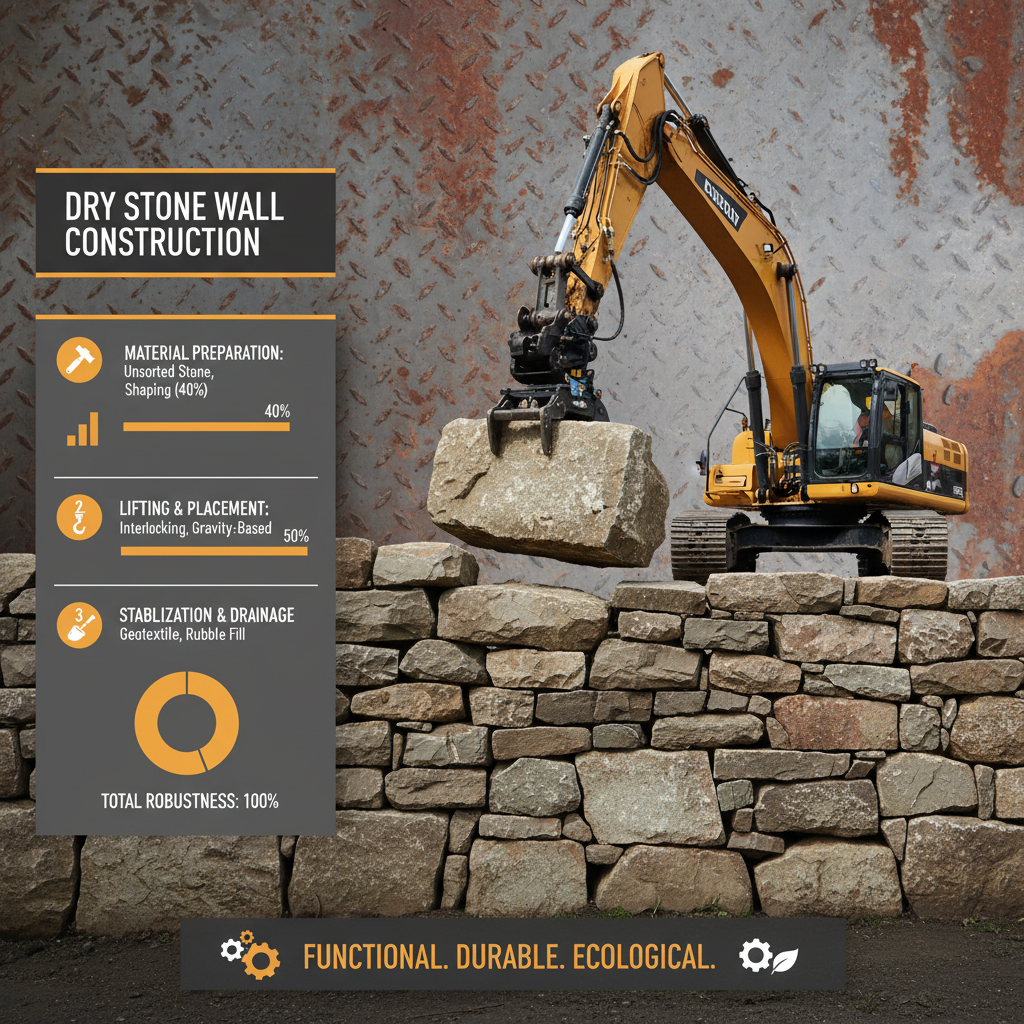
When evaluating the success of building a dry stone wall, engineers look at specific performance metrics: stability, drainage capacity, and material efficiency. A high-performance wall demonstrates a perfect balance between the weight of the stone and the angle of repose, ensuring that it can withstand extreme weather conditions without shifting.
The efficiency of these walls is often compared to traditional mortared alternatives. While the initial labor cost for dry stacking may be higher due to the skill required, the long-term maintenance cost is significantly lower because the structure is "self-healing"—meaning it can shift slightly with the earth without catastrophic failure.
Comparative Performance of building a dry stone wall Methods
Global Applications in Modern Architecture
Today, building a dry stone wall is no longer confined to farm boundaries; it has moved into the realm of luxury architectural design. Modern landscape architects integrate these walls into terraced gardens, outdoor living spaces, and corporate campuses to bring an element of "biophilic design" to sterile urban environments. The use of Stone Column & Pillar elements combined with dry stone bases creates a sophisticated blend of classical and contemporary styles.
In remote industrial zones, dry stone techniques are being revisited for soil erosion control and landslide prevention. Because they don't trap water, these walls are far more effective in mountainous regions than concrete barriers. International organizations are also training local communities in these methods to provide low-cost, durable infrastructure for road stabilization and water harvesting in developing nations.
Overcoming Common Engineering Challenges
The most frequent challenge encountered when building a dry stone wall is "bulging," where the center of the wall pushes outward due to excessive soil pressure. To solve this, professional masons implement a rigorous hearting process, ensuring that every void is packed with smaller stones. If the soil is particularly clay-heavy and expansive, incorporating a layer of gravel behind the wall improves drainage and reduces the lateral force.
Another common issue is the lack of suitable flat-bedded stones in a local supply. In such cases, masons use "pinning" techniques—inserting small slivers of stone to level a larger block—to prevent wobbling. This requires a keen eye for geometry and a patient approach to fitting, ensuring that no single stone is supporting too much weight on a single point.
Finally, structural failure at the base can occur if the foundation is insufficient. The solution is to dig a trench deeper than the frost line and fill it with compacted Stone Cobble & Pebbles. This provides a solid "footing" that distributes the weight of the wall evenly, preventing the structure from tilting or cracking as the ground shifts with the seasons.
Future Innovations in Stone Masonry Technology
The future of building a dry stone wall is being shaped by a combination of traditional wisdom and digital precision. 3D scanning technology is now being used to map existing heritage walls, allowing restorers to identify the exact point of failure and replace individual stones with millimeter precision without dismantling the entire structure.
We are also seeing the rise of "engineered" natural stones. By utilizing precise CNC cutting, manufacturers can produce stones that maintain a natural appearance but possess perfectly flat bedding planes, making the process of building a dry stone wall faster and more accessible for non-experts while maintaining structural integrity.
Furthermore, the integration of "green" reinforcements—such as biodegradable geogrids placed within the hearting—is allowing for the construction of taller, steeper dry stone walls that were previously impossible. These innovations ensure that the craft remains relevant in the face of modern building codes and the increasing demand for sustainable, eco-friendly infrastructure.
Technical Analysis of Dry Stone Construction Parameters
| Material Type |
Durability Score (1-10) |
Installation Complexity |
Eco-Friendliness |
| Fieldstone |
10 |
High |
Excellent |
| Ledgestone |
8 |
Medium |
Good |
| Paving Stone |
9 |
Low |
High |
| Free Form Stone |
9 |
High |
Excellent |
| Stacked Veneers |
7 |
Low |
Moderate |
| Cobble & Pebbles |
10 |
Medium |
Excellent |
FAQS
When building a dry stone wall with correct batter and hearting, these structures can easily last for over 100 years. Unlike mortared walls, they do not crack under thermal expansion and can shift slightly with the ground, which actually adds to their longevity in harsh climates.
Permit requirements vary by region, but many jurisdictions are more lenient with dry stone walls because they are permeable and don't typically act as "dams." However, for walls over 3-4 feet in height, it is highly recommended to consult local building codes to ensure safety and compliance.
For retaining walls, stones with flat bedding planes (like ledgestone or certain building stones) are best as they provide more stability. Ensure you use heavy "through-stones" and a solid base of crushed cobbles to prevent the wall from leaning under the weight of the soil.
Yes, but for interior use, most designers opt for Glued Stacked Stone Veneers. This provides the visual appeal of building a dry stone wall without the massive weight and space requirements of a fully structural stone wall.
Bulging is prevented by maintaining a consistent inward slope (batter) and meticulously filling the center of the wall with "hearting" stones. Avoid using large gaps and ensure that the wall is not overloaded with heavy soil without proper drainage behind it.
The initial cost can be higher due to the skilled labor required for hand-stacking. However, the lifetime cost is often lower because there is no need for expensive repairs to cracked concrete, and the materials are often sourced locally, reducing transport costs.
Conclusion
In summary, building a dry stone wall is a sophisticated blend of ancient engineering and sustainable design. By focusing on structural fundamentals like batter and hearting, and selecting high-quality materials such as ledgestone or paving stone, you can create a structure that is not only durable but also environmentally beneficial. The ability of these walls to facilitate drainage and support biodiversity makes them an unmatched choice for those seeking a harmony between the built environment and nature.
As we move toward a greener future, the resurgence of dry stone masonry reflects a broader shift toward low-carbon construction and biophilic architecture. Whether for a residential garden or a large-scale industrial project, investing in these timeless techniques ensures a legacy of strength and beauty. To discover the perfect stone materials for your next project, visit our website: www.sonmacistone.com.