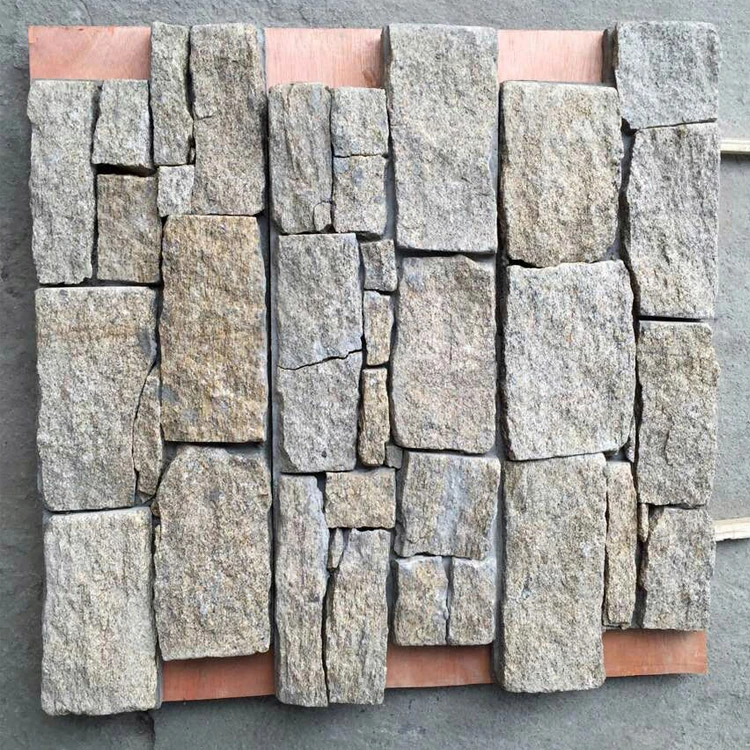
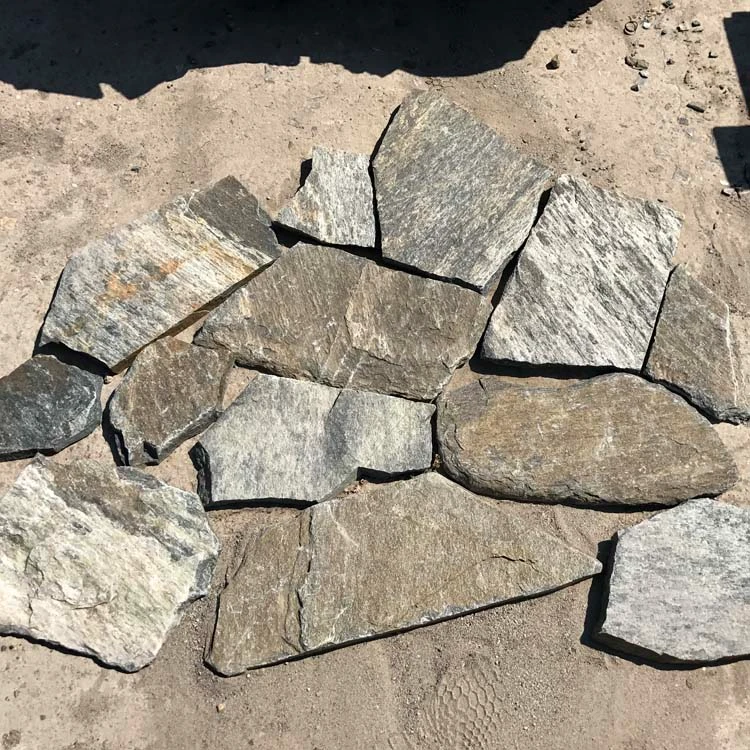
Premium Natural Stone Solutions for Zimbabwe: Specialized ledgestone

Elevating Zimbabwe's architectural landscape with high-durability, precision-cut stone processing for luxury residential and commercial infrastructure.

Premium Natural Stone Solutions for Zimbabwe: Specialized ledgestone

We provide a comprehensive range of processed non-metallic mineral products, focusing on high-strength wall cladding and decorative stone tailored for the unique geological and climatic demands of the Zimbabwean market.

The State of Stone Processing in Zimbabwe

Analyzing the intersection of local mineral wealth and modern architectural demands.

Zimbabwe possesses vast reserves of granite and metamorphic rocks, yet the local processing industry has historically leaned toward raw extraction. Currently, there is a surging demand for refined builder stone as urban centers like Harare and Bulawayo shift toward sustainable, high-end construction materials that can withstand the intense UV exposure and temperature fluctuations of the region.

The market is witnessing a transition from heavy, structural masonry to lightweight, aesthetically driven applications. The adoption of natural stone wall cladding is increasing in the hospitality sector, particularly in safari lodges and luxury villas, where the goal is to blend modern luxury with the rugged, natural beauty of the Zimbabwean savannah.

However, a gap exists in precision processing. While raw materials are abundant, the technical capacity for producing standardized free form stone with consistent thickness and edge finishing is limited, creating a significant opportunity for advanced manufacturing imports and technology transfers.
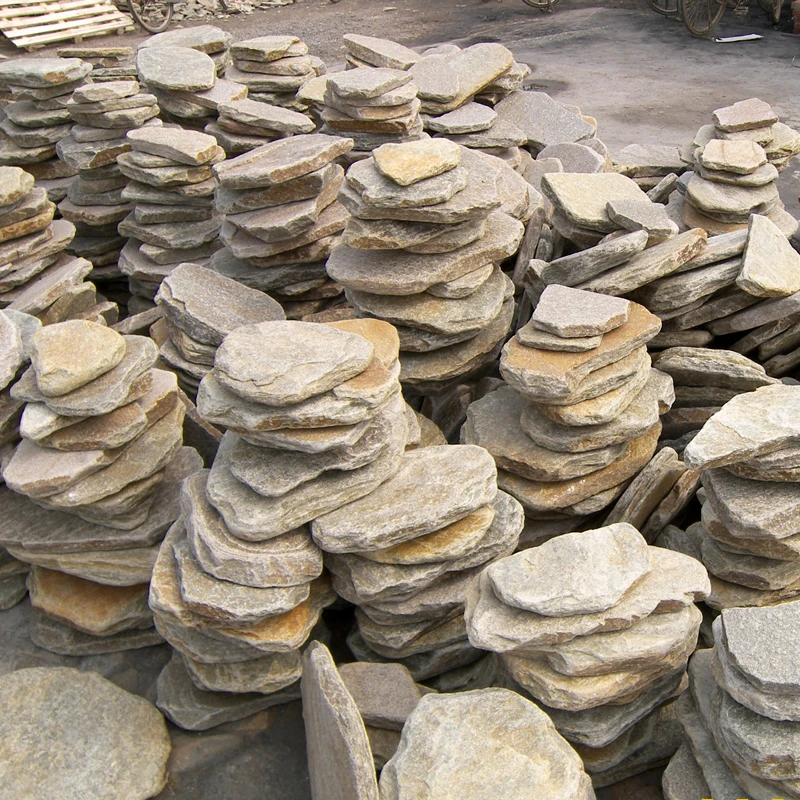
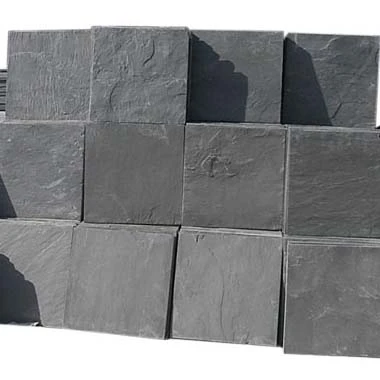
Evolution of Zimbabwe's Stone Craftsmanship

From traditional quarrying to precision CNC-driven stone fabrication.

Market Development History

During the early 20th century, stone processing in Zimbabwe was primarily focused on structural durability, utilizing massive blocks for government buildings and colonial infrastructure. The technical approach was manual, relying on basic splitting and chiseling techniques to create functional but rudimentary masonry.

By the 1990s and early 2000s, the industry evolved toward "decorative functionality." The introduction of basic mechanical saws allowed for the production of slabs, leading to the first wave of natural slate stone veneer applications in residential interior design, moving away from monolithic walls to thinner, more versatile layers.

From 2015 to the present, the focus has shifted toward "Architectural Precision." The integration of diamond-wire cutting and CNC milling has enabled the creation of complex geometries and thin-profile veneers, allowing for a more sophisticated use of stone in high-rise commercial developments across the country.

Future Development Trends

Eco-Friendly Extraction & Processing

Increasing pressure for sustainable mining in Africa is driving the adoption of water-recycling systems in stone cutting and the use of biodegradable resins for stone bonding.

Modular Installation Systems

A shift toward "dry-hang" installation methods for wall cladding to reduce labor costs and increase the speed of construction in rapid urban development zones.

Smart Texture Engineering

The use of automated brushing and honing technologies to create specific tactile experiences, blending the raw nature of Zimbabwe's stone with a refined, modern finish.

Industry Trends and Future Outlook

Forecasting the trajectory of non-metallic mineral processing in the SADC region.

Precision Thin-Cutting
Transitioning from thick slabs to ultra-thin veneers to reduce shipping costs and structural load in Zimbabwean builds.
Thermal Resilience Engineering
Developing stone treatments that prevent cracking under the extreme diurnal temperature range of the Zimbabwean plateau.
Digital Material Mapping
Using AI to optimize the cutting patterns of natural stone, reducing waste and ensuring vein continuity in luxury projects.
Hybrid Stone-Polymer Mixes
Integration of reinforced stone composites for high-traffic areas in commercial hubs like the Harare CBD.

Industry Outlook

Google search trends for "sustainable building materials Africa" indicate a 25% year-on-year increase, suggesting that Zimbabwean architects are moving away from synthetic cladding toward natural, breathable stone. This shift is driven by both environmental consciousness and the inherent luxury associated with processed natural minerals.

Over the next 3-5 years, we expect a surge in "biophilic design," where the integration of natural stone surfaces is used to improve the well-being of urban occupants. The demand for precision-engineered stone that mimics the local landscape while providing global standards of finish will be the primary driver of growth.

Localized Application Scenarios in Zimbabwe

Real-world implementations of processed stone in the Zimbabwean environment.

1. Luxury Safari Lodge Facades

Utilizing free form stone to create organic, blending walls that integrate seamlessy with the bushveld landscape of Victoria Falls or Hwange.

2. High-End Residential Feature Walls

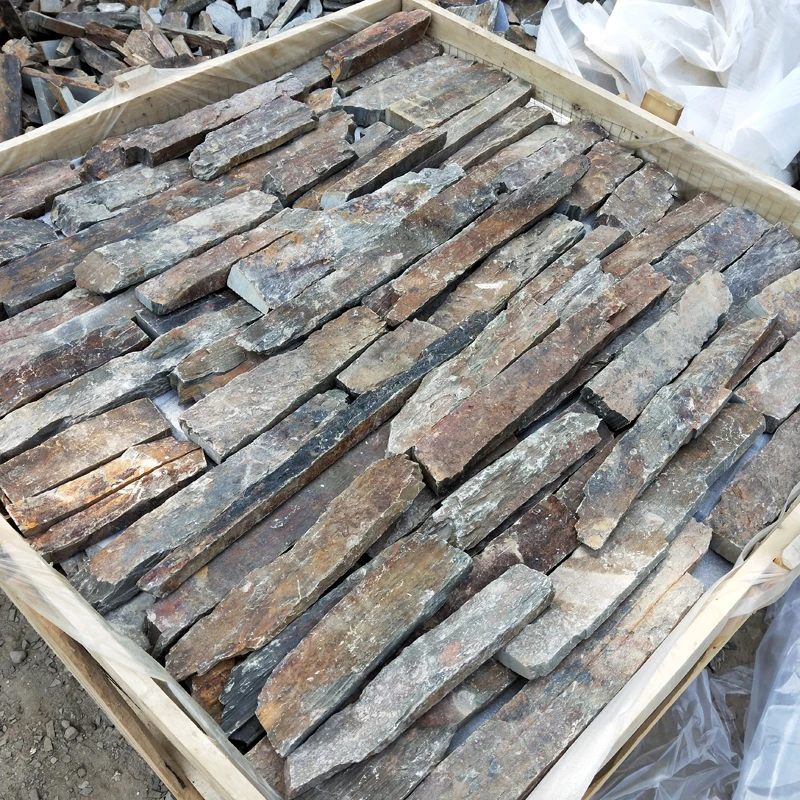
Implementing ledgestone in living rooms and entryways of luxury homes in Borrowdale, providing a textured, rustic yet sophisticated aesthetic.

3. Commercial Corporate Plinths

Using heavy-duty builder stone for the foundation and lower-level cladding of corporate headquarters to signal stability and permanence.

4. Boutique Hotel Interior Accents

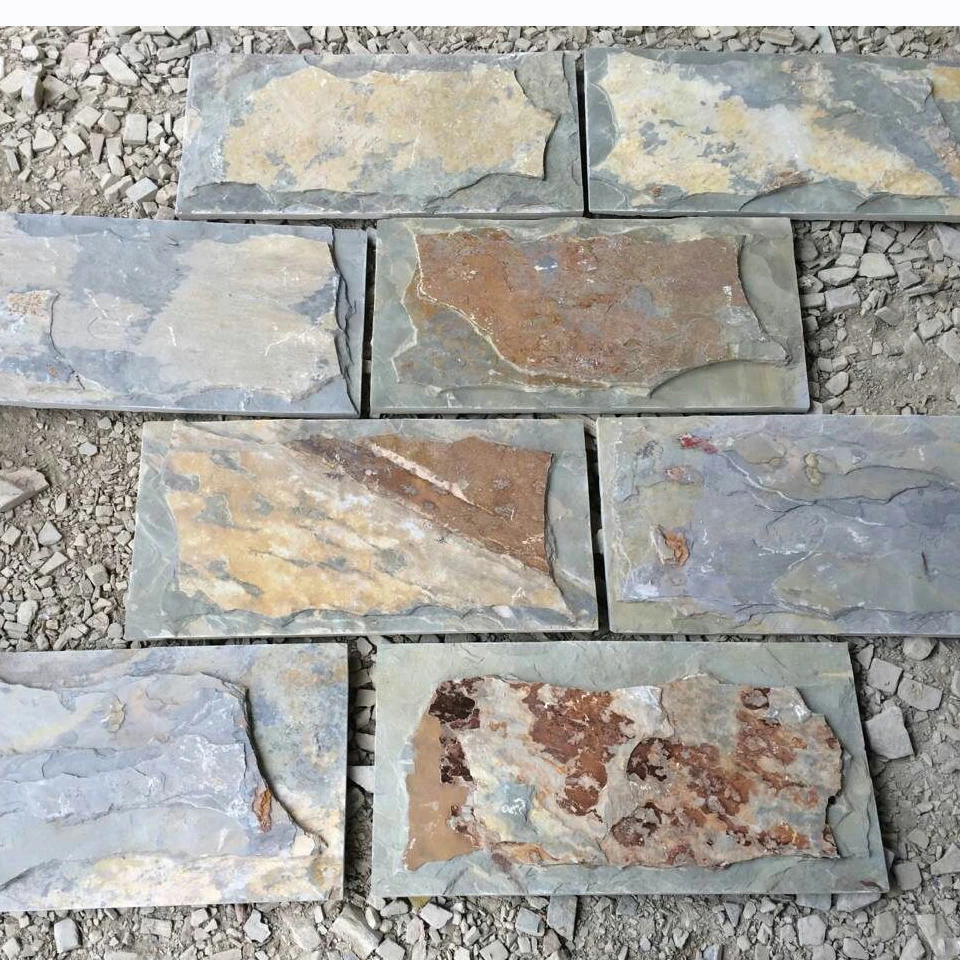
Installing natural slate stone veneer in spa and wellness areas to create a calming, earth-toned environment with low maintenance requirements.

5. Urban Perimeter Security Walls

Applying natural stone wall cladding to perimeter walls in upscale neighborhoods, combining security with high curb appeal.

Brand Story

Global Development Journey of Hebei Sonmacis Stone Co., Ltd.

Foundational Excellence

Established with a vision to bridge the gap between raw mineral extraction and high-end architectural art, focusing on precision cutting technology.

Technical Innovation

Invested in advanced CNC and diamond-tooling machinery to solve the industry pain point of inconsistent thickness in natural stone veneers.

Global Expansion

Expanded operations into the African market, specifically optimizing logistics and product durability for the Zimbabwean climate.

Sustainable Certification

Adopted international environmental standards to ensure that every piece of stone is processed with minimal ecological impact.

Architectural Partnership

Now partnering with leading Zimbabwean architects to define the next generation of sustainable, luxury stone architecture.

Complete Stone Processing Portfolio for Zimbabwe

A curated selection of non-metallic mineral products engineered for the Southern African region.

Frequently Asked Questions - Zimbabwe Stone Market

Expert answers to technical queries regarding stone installation and selection.

Which is better for Zimbabwe's climate: natural slate stone veneer or ledgestone?

Both are excellent, but ledgestone is generally preferred for exterior walls due to its ruggedness and ability to mask minor weathering, while slate veneer is ideal for interior accents due to its refined texture.

How does builder stone withstand the heat in Harare?

Our builder stone is processed to have low thermal expansion coefficients, meaning it won't crack or warp under the high temperatures typical of the Zimbabwean plateau.

Can free form stone be installed on existing concrete walls?

Yes, using high-grade polymer-modified adhesives, free form stone can be seamlessly applied to concrete surfaces, providing an instant natural upgrade.

What is the maintenance requirement for natural stone wall cladding in dusty areas?

Maintenance is minimal; a simple pressure wash or damp cloth is sufficient. We also recommend a breathable sealant to prevent dust penetration into the pores.

Are there weight restrictions when using natural slate stone veneer?

One of the primary advantages of our veneer is its reduced thickness, which significantly lowers the dead load on the structure compared to traditional full-bed stone.

How do I ensure the color consistency of ledgestone across a large project?

We use digital batch-tracking and color-sorting during the processing phase to ensure that every shipment for a specific project maintains a harmonious color palette.

Request a Technical Consultation

Partner with the leaders in non-metallic mineral processing for your next landmark project in Zimbabwe.

Contact Us Now

If you are interested in our products, you can choose to leave your information here, and we will be in touch with you shortly.