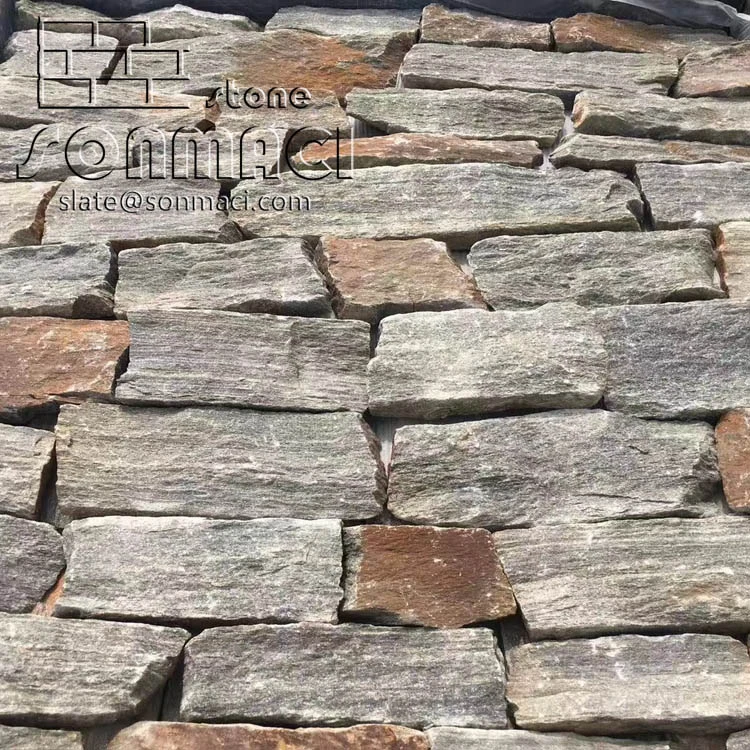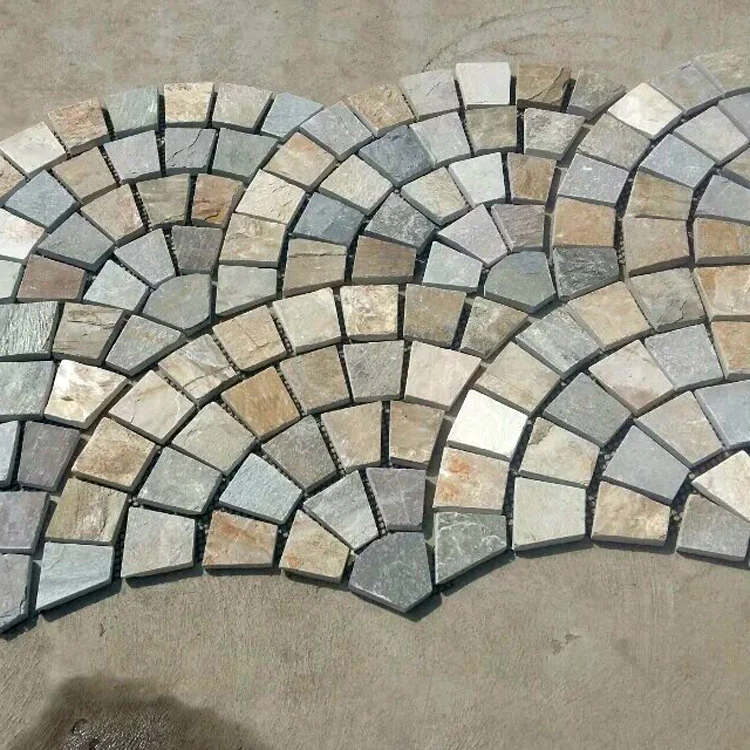
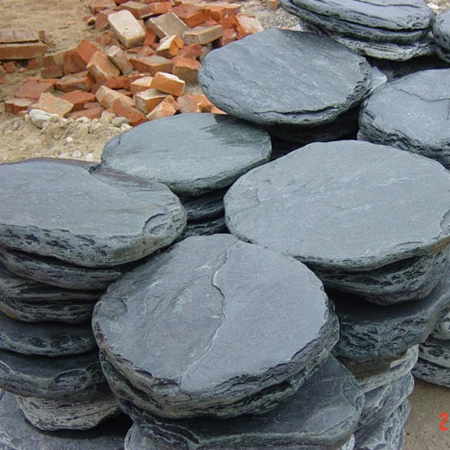
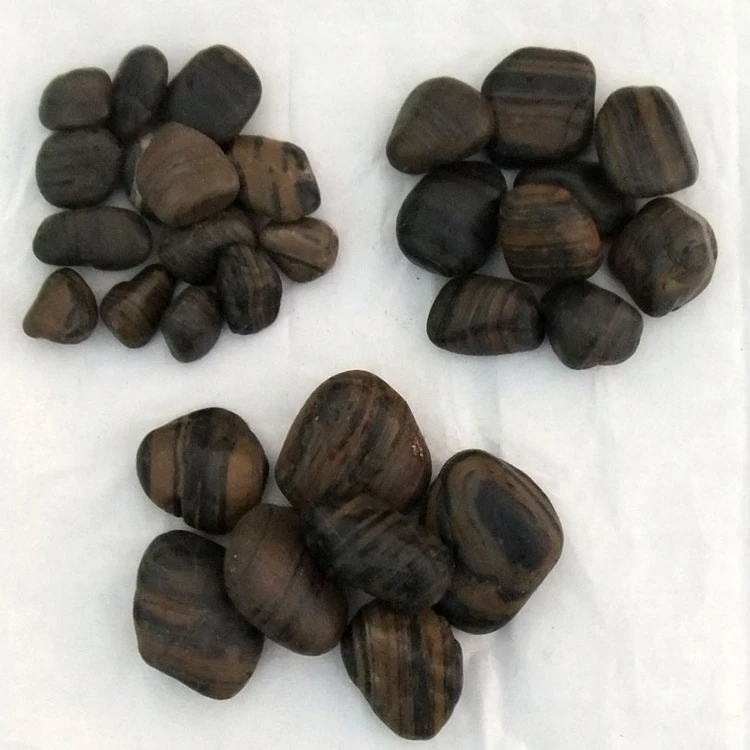
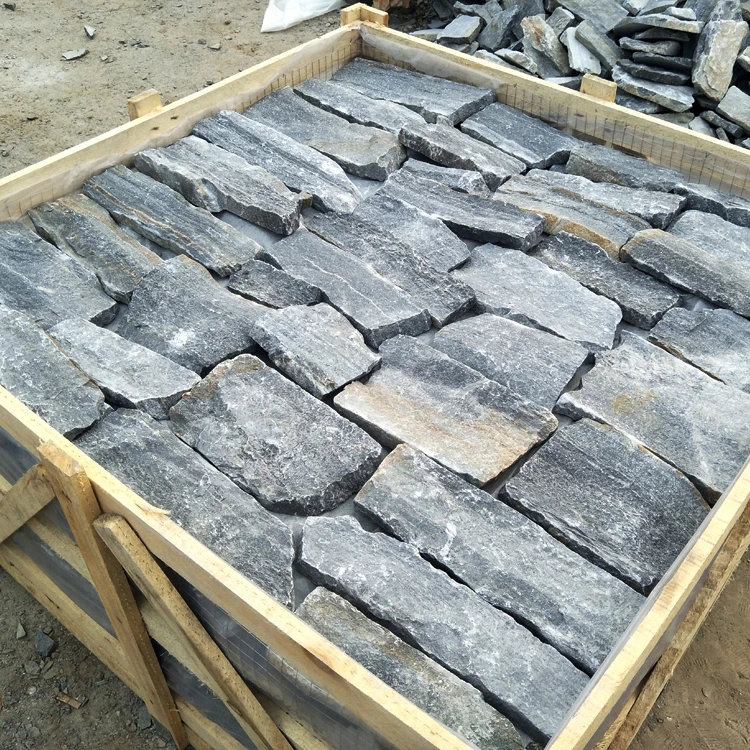
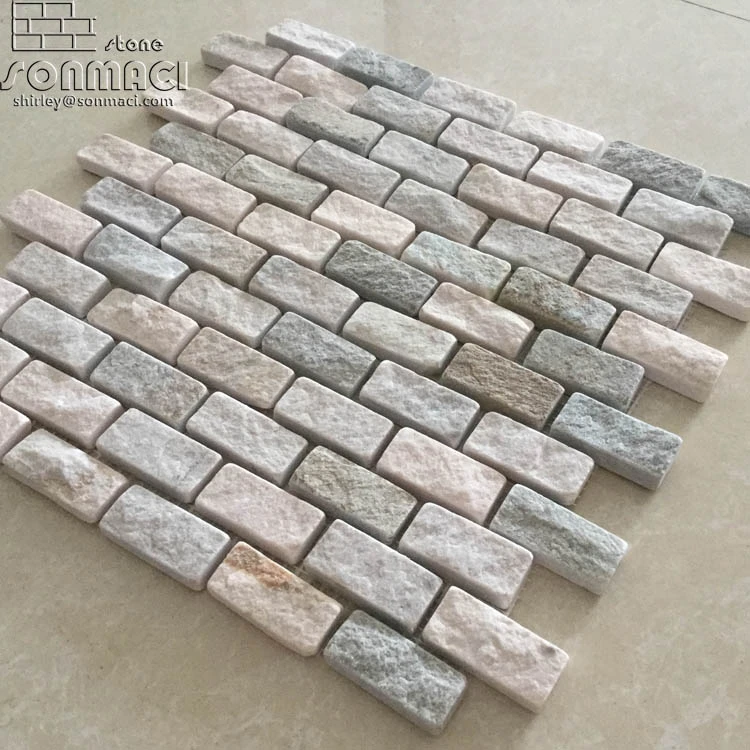
Premium Natural Stone Cladding Solutions for ledgestone in Tanzania

Integrating geological durability with modern aesthetics to redefine architectural landscapes across East Africa.

Premium Natural Stone Cladding Solutions for ledgestone in Tanzania

High-performance stone processing tailored for the Tanzanian construction market, specializing in luxury veneers and structural cladding that withstand tropical climates.

The State of Stone Processing in Tanzania

Analyzing the intersection of natural resource availability and modern architectural demand.

Tanzania's construction sector is currently experiencing a paradigm shift. While local quarrying provides raw materials, there is a critical gap in the precision processing of builder stone to meet international luxury standards. The demand for high-end residential projects in Dar es Salaam and Arusha is driving a need for more refined finishes.

Climate factors, including high humidity and saline air in coastal regions, necessitate the use of non-porous, high-density materials. This has led to an increased adoption of natural stone wall cladding, which offers superior thermal insulation and weather resistance compared to traditional cement plastering.

Economically, the rise of the middle class and foreign investment in tourism infrastructure (lodges and resorts) has created a niche market for artistic stone applications. The market is transitioning from basic utility stone to decorative elements that emphasize the organic beauty of the African landscape.
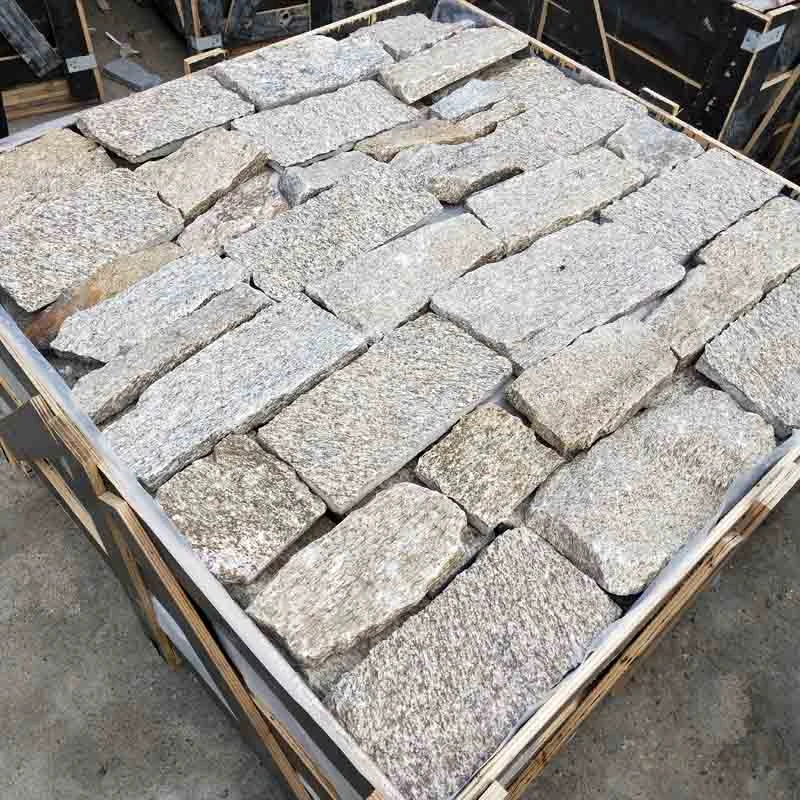
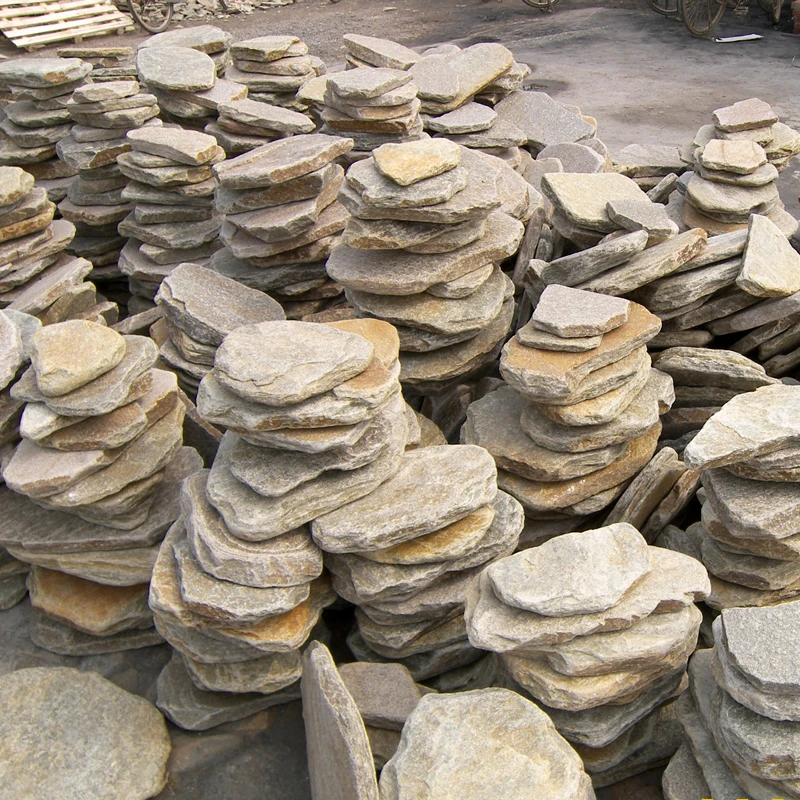
Evolution and Technical Trajectory of Stone Masonry

From traditional hand-cut blocks to precision-engineered stone veneers.

Market Development History

From 1990 to 2010, the industry relied primarily on heavy, load-bearing masonry. Stones were cut manually, resulting in thick walls and limited design flexibility, focusing mainly on structural integrity rather than aesthetics.

Between 2011 and 2020, the introduction of CNC cutting technology allowed for the emergence of free form stone patterns. This period marked the shift toward "veneer" culture, where thin stone layers were applied to concrete frames to reduce weight and cost.

Since 2021, the integration of advanced resins and backing meshes has popularized natural slate stone veneer, enabling rapid installation and a seamless, modern look that appeals to contemporary urban developments in Tanzania.

Future Development Trends

Smart Thermal Integration

Integration of phase-change materials behind stone cladding to optimize indoor temperatures in the hot Tanzanian climate.

Eco-Friendly Sourcing

A shift towards certified sustainable quarries and carbon-neutral logistics to meet global Green Building certifications (LEED).

Modular Installation Systems

The development of interlocking stone panels that reduce labor time and eliminate the need for traditional heavy mortars.

Industry Trends and Future Outlook

Strategic projections for the non-metallic mineral processing sector in East Africa.

Precision Thin-Cutting
Moving from 50mm slabs to 10-20mm precision veneers to reduce shipping costs and installation load.
Digital Texture Mapping
Using AI to predict stone layout patterns, ensuring a natural flow in large-scale wall installations.
Hybrid Stone Composites
Blending natural slate with high-strength polymers to create flexible, lightweight cladding.
Sustainable Logistics
Optimization of shipping routes from processing hubs to Tanzanian sites to reduce environmental footprints.

Industry Outlook

Based on Google search trends for "sustainable architecture Africa," there is a 35% increase in demand for natural, breathable building materials. We anticipate that the Tanzanian market will move away from synthetic paints toward authentic stone textures.

The next 3-5 years will see a consolidation of the supply chain, where high-tech processing centers provide the technical specs that local contractors implement, ensuring that the structural integrity of the buildings is matched by aesthetic excellence.

Localized Application Scenarios in Tanzania

Real-world implementations of professional stone cladding in various Tanzanian environments.

1. Coastal Luxury Villas in Zanzibar

Utilizing light-colored, salt-resistant stone cladding to prevent corrosion and maintain a cool interior temperature amidst high seaside humidity.

2. High-End Lodges in Serengeti

Applying free form stone to create a seamless blend between luxury interiors and the wild, organic surroundings of the national parks.

3. Urban Corporate Offices in Dar es Salaam

Integrating sleek, modern natural slate stone veneer for accent walls in lobbies to project professionalism and permanence.

4. Government Institutional Buildings in Dodoma

Implementing heavy-duty builder stone for exterior bases to ensure longevity and resistance to soil erosion and dust.

5. Boutique Hotels in Arusha

Using textured ledgestone for fireplace surrounds and feature walls to evoke a cozy, mountain-resort atmosphere for international tourists.

Brand Story

Global Development Journey of Hebei Sonmacis Stone Co., Ltd.

The Foundation of Quality

Founded on the principle of "Nature Perfected," we began by solving the inconsistency of raw stone cutting in the industrial heartland.

Technological Breakthrough

Invested in automated thin-slice technology to solve the pain point of heavy transportation and fragile installation for global exports.

Entering African Markets

Tailored our product line to withstand the specific thermal expansion and contraction cycles found in East African climates.

Global Standard Certification

Achieved international quality certifications to ensure every slab delivered to Tanzania meets rigorous structural and aesthetic benchmarks.

The Vision for Tomorrow

Committed to empowering Tanzanian architects with sustainable, low-maintenance stone solutions that last for generations.

Comprehensive Stone Portfolio for the Tanzanian Market

A curated selection of natural stone products designed for durability, beauty, and ease of installation.

Common Questions Regarding Stone Cladding in Tanzania

Expert answers to technical and logistical queries for local builders and designers.

How does ledgestone perform in the humid coastal climate of Dar es Salaam?

Our processed ledgestone undergoes a specialized sealing process that prevents moisture penetration and salt crystallization, ensuring the facade remains intact despite high coastal humidity.

What is the installation advantage of natural slate stone veneer over solid blocks?

Veneers significantly reduce the dead load on the building's foundation and accelerate the installation timeline by using high-strength adhesives instead of complex mortar joints.

Can free form stone be used for outdoor retaining walls in Arusha's terrain?

Yes, provided it is used as a cladding over a reinforced concrete core. The organic shapes provide excellent aesthetic integration with the natural topography of the region.

Is natural stone wall cladding energy efficient for Tanzanian homes?

Absolutely. Natural stone has high thermal mass, meaning it absorbs heat during the day and releases it slowly at night, reducing the reliance on air conditioning.

How should builder stone be maintained in dusty inland environments like Dodoma?

We recommend a low-pressure water rinse and the application of a breathable hydrophobic coating every 3-5 years to prevent dust accumulation in the stone's pores.

What are the shipping lead times for bulk stone orders to Tanzania?

Depending on the volume and shipping method, lead times typically range from 30 to 45 days, including customs clearance at the port of Dar es Salaam.

Ready to Transform Your Project?

Contact our technical consultants to get a customized stone cladding specification for your site in Tanzania.

Contact Us Now

If you are interested in our products, you can choose to leave your information here, and we will be in touch with you shortly.