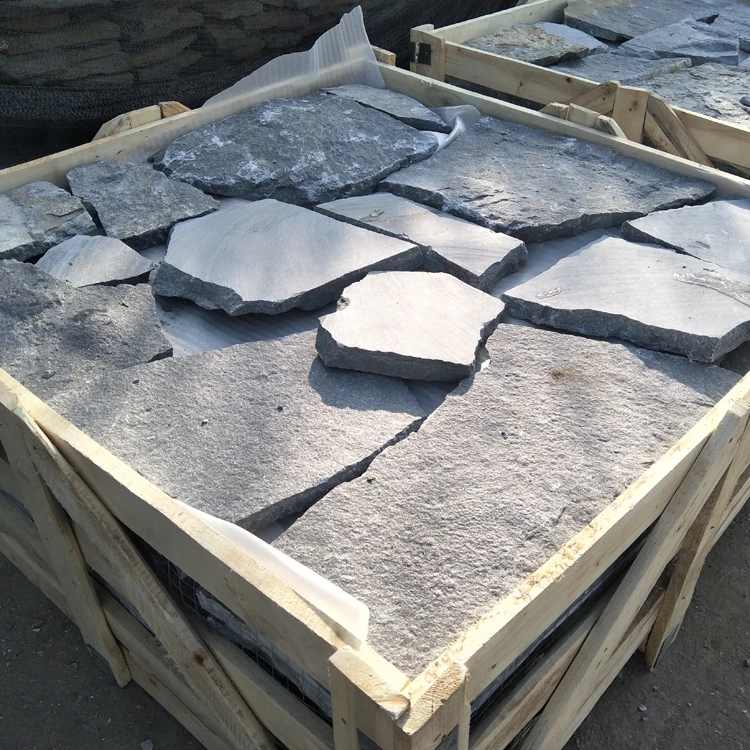
Premium Natural Slate Stone Veneer Solutions for Yemen Architecture

Integrating timeless geological beauty with modern precision engineering to redefine the facades of Yemen's evolving urban landscapes.

Premium Natural Slate Stone Veneer Solutions for Yemen Architecture

We provide high-performance natural slate stone veneer and luxury cladding systems tailored to withstand the unique arid climate of the Arabian Peninsula.

The State of Stone Processing in Yemen

Analyzing the intersection of traditional masonry and modern architectural demands in Yemen.

Yemen's architectural heritage is deeply rooted in stone, utilizing local limestone and volcanic rocks. However, the current market is witnessing a shift toward specialized natural stone wall cladding as urban reconstruction projects demand faster installation cycles and higher precision than traditional hand-cut blocks can provide.

The extreme temperature fluctuations in regions like Sana'a and Aden place significant stress on building envelopes. This has led to an increased demand for ledgestone and other durable veneers that offer thermal insulation properties while maintaining the aesthetic integrity of the region's historic "skyscraper" mud-brick and stone style.

Economic constraints and logistical challenges in the region have created a gap between traditional craftsmanship and industrial scale. There is a growing reliance on imported, precision-engineered stone products that reduce onsite waste and labor costs, driving the adoption of standardized modular stone systems.
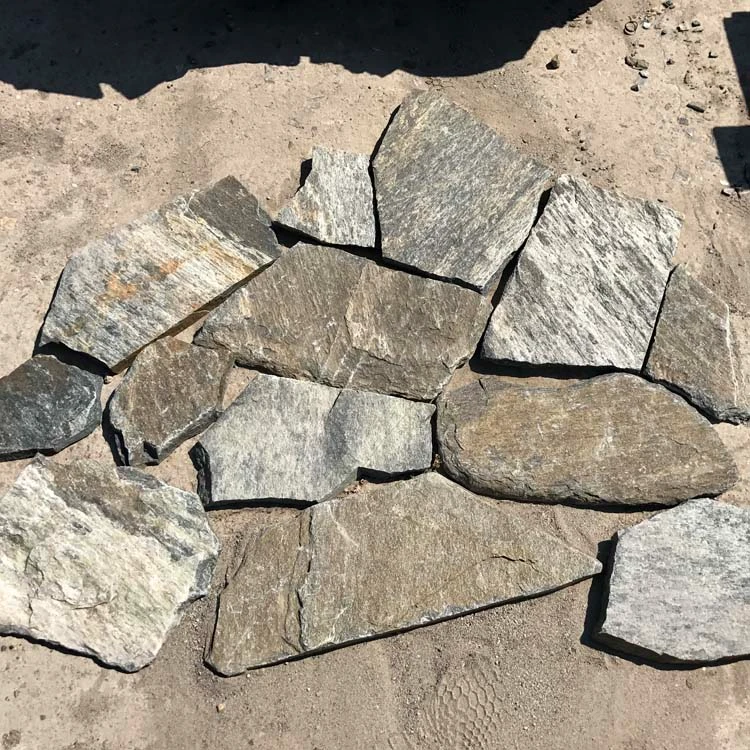
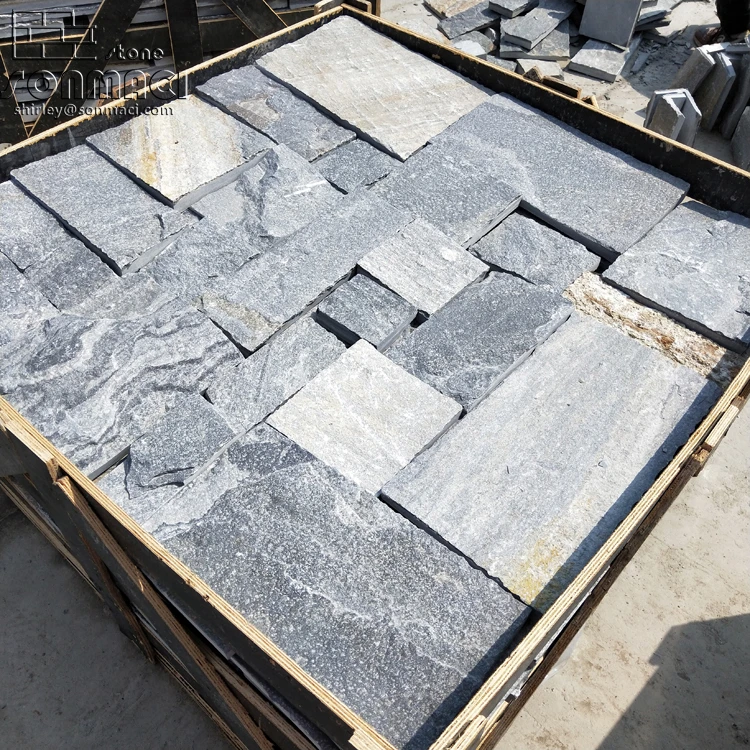
Evolution of Stone Fabrication in Yemen

From manual quarrying to the era of precision-cut architectural veneers.

Market Development History

Prior to the 1990s, the industry relied almost exclusively on manual labor, where builder stone was extracted and shaped by hand, creating the iconic, irregular textures seen in ancient Yemeni cities.

Between 2000 and 2015, the introduction of basic mechanical saws allowed for more uniform slabs. This period saw the rise of early cladding techniques, though they remained heavy and lacked the versatility of modern thin-cut veneers.

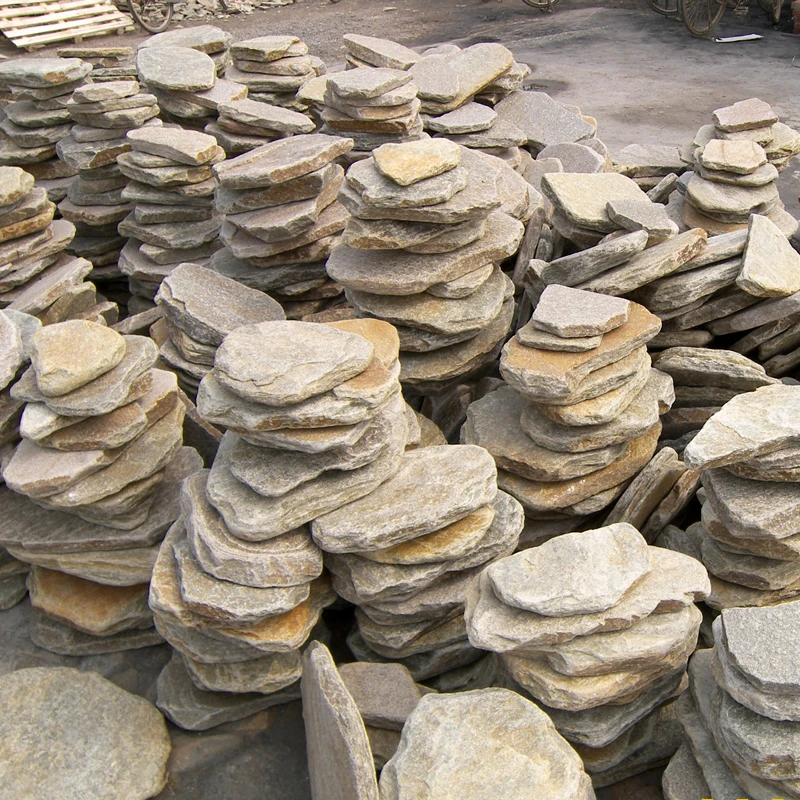
From 2016 to the present, the shift toward "Lightweighting" has dominated. The adoption of free form stone and thin-cut veneers has allowed architects to achieve the look of massive stone walls without the structural burden, facilitating safer and faster construction in seismic-prone areas.

Future Development Trends

Digital Fabrication Integration

CNC routing and BIM integration will allow for customized stone patterns that blend traditional Yemeni motifs with modern geometric precision.

Sustainable Sourcing & Logistics

A move towards eco-certified quarries and optimized shipping routes to reduce the carbon footprint of importing high-end stone to Asia - Yemen.

Advanced Thermal Coatings

Integration of nano-coatings on stone surfaces to reflect UV radiation, specifically designed for the intense heat of the Middle Eastern sun.

Future Trends & Strategic Outlook for Stone Processing

Predicting the technological trajectory of the non-metallic mineral industry.

Modular Installation Systems
Transitioning from mortar-heavy applications to dry-hang mechanical systems to increase longevity.
Ultra-Thin Veneers
Development of 5mm-10mm stone sheets that retain natural strength while reducing shipping costs.
Smart Thermal Management
Using stone porosity control to create breathable facades that naturally regulate indoor temperatures.
AI-Driven Patterning
Utilizing AI to optimize the cutting of free form stone to minimize material waste.

Industry Outlook

Based on Google search trends for "Sustainable Architecture" and "Natural Stone Facades" in the Middle East, we anticipate a 15% annual growth in the demand for luxury stone veneers. The market is shifting from purely functional walls to emotive, textured surfaces that communicate status and cultural continuity.

In the next 3-5 years, the Yemen market will likely prioritize "fast-assembly" high-end finishes. This means a surge in the popularity of pre-fabricated stone panels that mimic traditional hand-laid masonry but offer industrial-grade durability and weather resistance.

Localized Application Scenarios in Yemen

Practical implementations of premium stone processing for the Yemen region.

1. Luxury Residential Villas in Sana'a

Using ledgestone for exterior accent walls to blend contemporary luxury with the city's traditional vertical architectural aesthetic.

2. Commercial Hubs in Aden

Implementing natural stone wall cladding in corporate lobbies to provide a cool, professional atmosphere that resists high coastal humidity.

3. Cultural Heritage Restoration

Utilizing free form stone to replicate ancient ruins and historical boundaries while ensuring structural stability with modern adhesives.

4. Government & Institutional Facades

Installing high-durability builder stone for perimeter walls and entryways, emphasizing strength, authority, and permanence.

5. Boutique Hotel Interior Accents

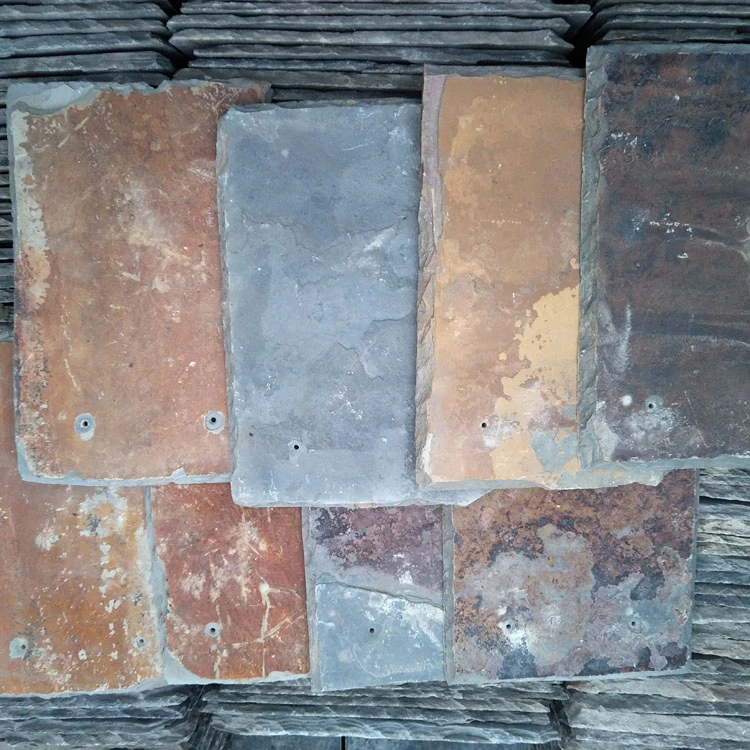
Integrating natural slate stone veneer in spa and lounge areas to create a grounding, organic feel that appeals to international tourists.

Brand Story

Global Development Journey of Hebei Sonmacis Stone Co., Ltd.

Founding Vision

Established with the mission to bridge the gap between raw mineral extraction and high-end architectural art, focusing on precision cutting technology.

Technological Breakthrough

Invested in advanced Italian sawing machinery to master the art of thin-cut veneers, reducing stone waste by 40% globally.

Global Expansion

Expanded operations into the Asia-Pacific and Middle Eastern markets, tailoring stone densities for extreme climate resilience.

Quality Standardization

Achieved international certifications for mineral purity and structural integrity, becoming a trusted partner for global architects.

Future Commitment

Dedicated to sustainable quarrying and the development of carbon-neutral stone processing for the next generation of builders.

Comprehensive Stone Product Portfolio for Yemen

A curated selection of geological materials engineered for the Arabian climate.

Yemen Stone Processing FAQs

Expert answers to common technical and logistical questions in the region.

How does natural slate stone veneer hold up against Yemen's high UV exposure?

Our slate veneers are processed with UV-resistant sealants that prevent color fading and thermal cracking, ensuring the stone retains its deep hues even under intense sunlight.

What is the installation advantage of ledgestone over traditional blocks?

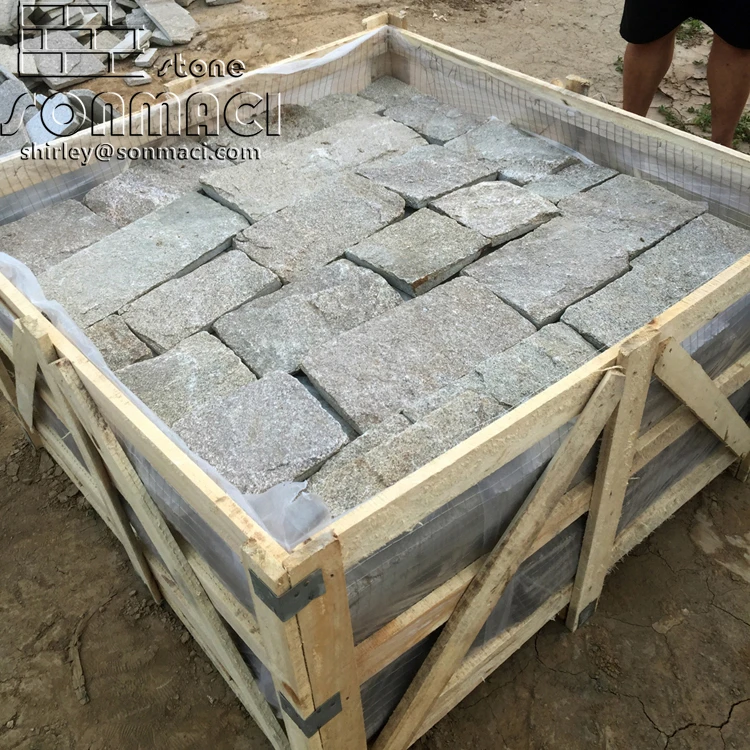
Ledgestone offers a significantly lower profile and weight, reducing the load on the foundation and allowing for faster installation using high-strength adhesives rather than heavy mortar.

Can free form stone be used for curved exterior walls in modern Yemeni design?

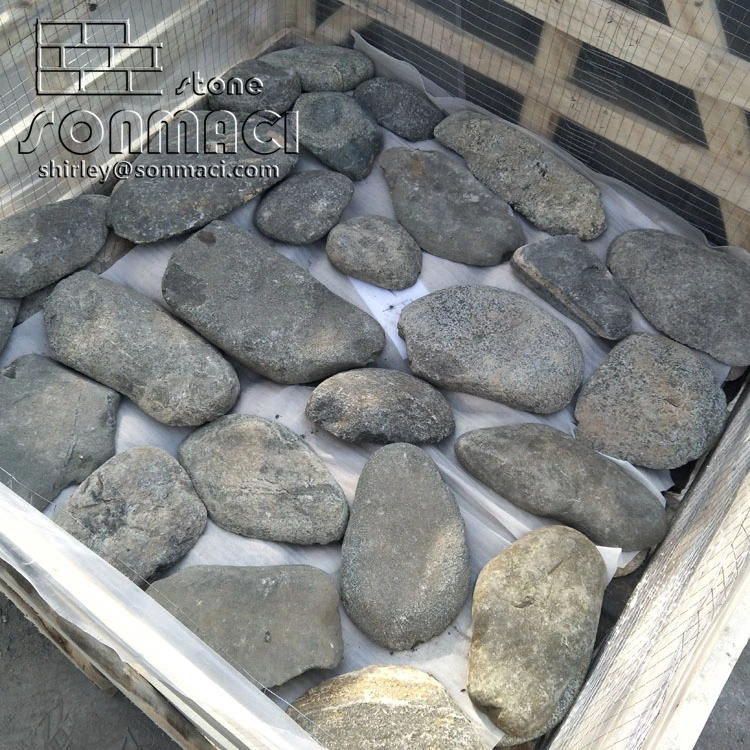
Yes, the flexible nature of thin-cut free form stone allows it to be applied to curved surfaces, providing a natural organic look without the need for complex stone carving.

Which builder stone is best for perimeter walls in arid regions?

We recommend high-density limestone or quartzite builder stone due to their low water absorption rates and high resistance to wind-blown sand erosion.

Is natural stone wall cladding energy-efficient for Yemen's climate?

Absolutely. Natural stone has high thermal mass, which means it absorbs heat slowly during the day and releases it at night, reducing the need for artificial air conditioning.

How do you ensure the quality of stone veneers during transit to Yemen?

We use vacuum-sealed reinforced wooden crates and moisture-proof layering to prevent breakage and salt-air corrosion during maritime transport.

Get Expert Stone Consultation

Partner with the leaders in architectural stone processing for your next project in Yemen.

Contact Us Now

If you are interested in our products, you can choose to leave your information here, and we will be in touch with you shortly.