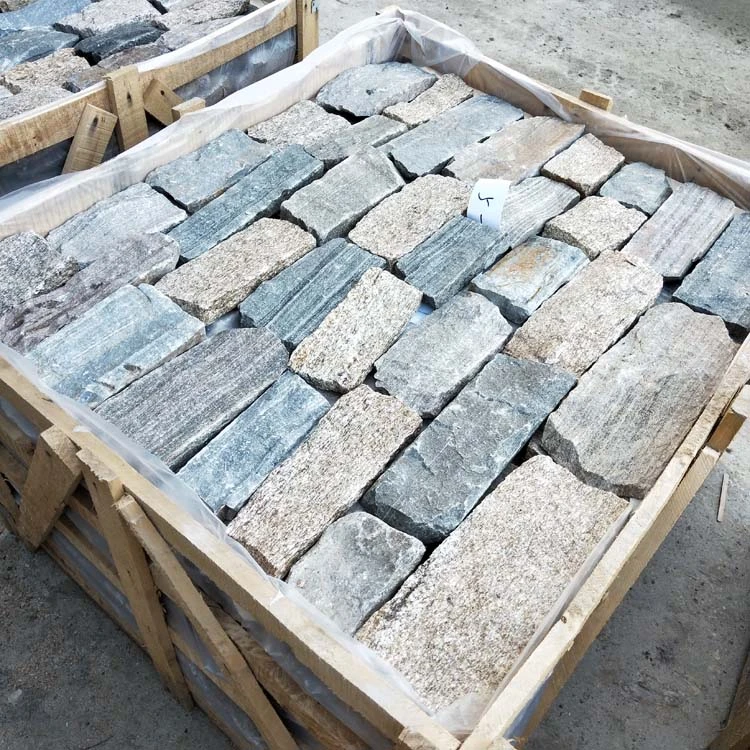
Premium Natural Slate Stone Veneer Solutions for South Sudan

Integrating geological durability with modern architectural aesthetics to redefine the construction landscape of South Sudan's emerging urban centers.

Premium Natural Slate Stone Veneer Solutions for South Sudan

Providing high-performance stone masonry and cladding materials tailored for the unique environmental demands and architectural growth of the South Sudanese market.

The State of Stone Processing in South Sudan

Analyzing the intersection of raw mineral availability and modern construction needs.

In South Sudan, the construction sector is currently transitioning from basic utility structures to more sophisticated commercial and residential developments. The demand for natural stone wall cladding has surged as developers seek materials that can withstand the extreme temperature fluctuations and intense UV exposure characteristic of the East African plateau.

However, the local supply chain for processed stone often lacks the precision of industrial cutting. This gap has created a significant opportunity for high-specification builder stone that offers consistent sizing and structural integrity, reducing waste and installation time on critical infrastructure projects in Juba and beyond.

Furthermore, the aesthetic preference is shifting. There is a growing trend among luxury hotel and government building projects to incorporate ledgestone to create a sense of permanence and prestige, moving away from painted concrete toward authentic, mineral-based finishes that require minimal maintenance in dusty environments.
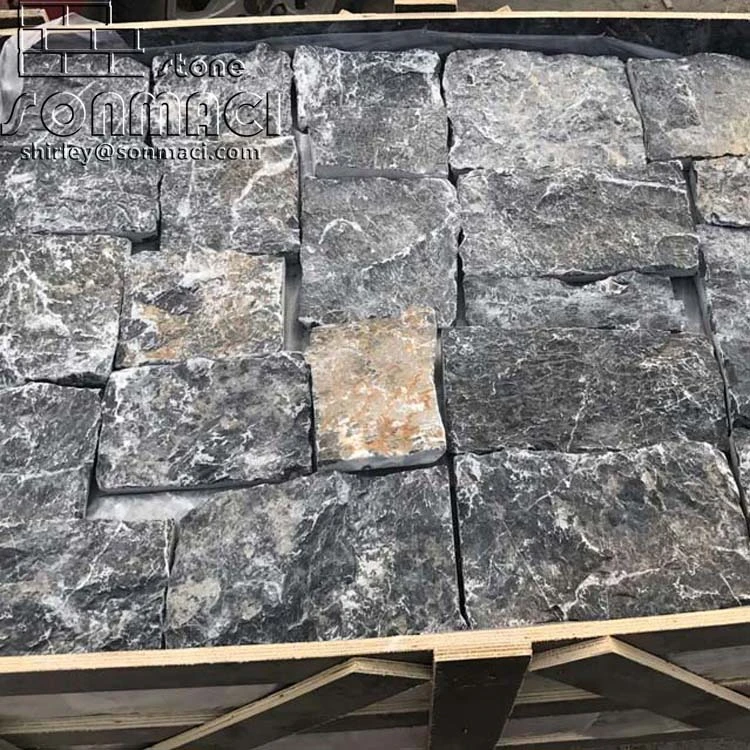
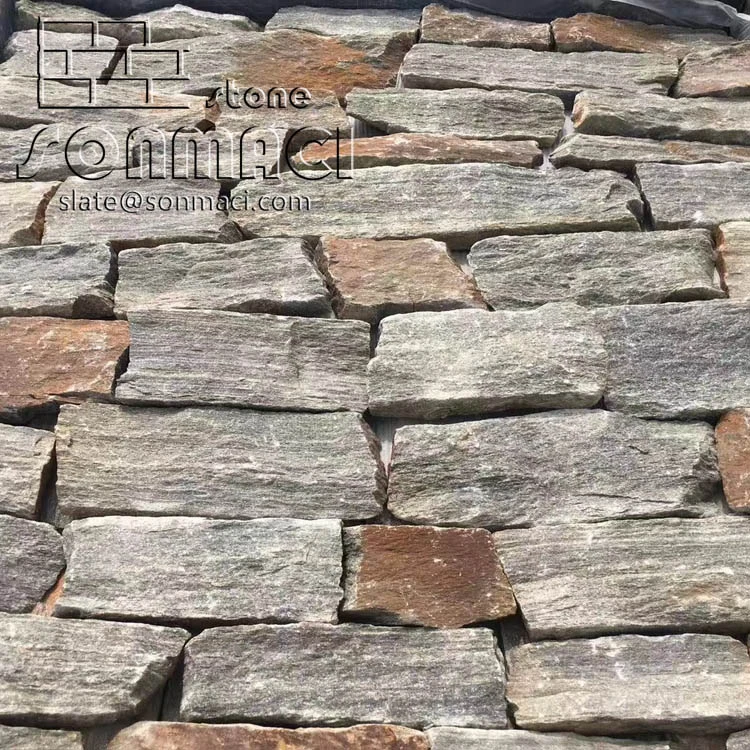
Evolution of Stone Masonry in South Sudan

From traditional rubble masonry to precision-engineered veneer systems.

Market Development History

Prior to 2010, stone usage in South Sudan was primarily limited to traditional load-bearing rubble walls using unrefined local quarry stone. This era was defined by manual labor and a lack of standardized sizing, resulting in heavy structures with low aesthetic versatility.

Between 2011 and 2020, the introduction of imported machinery led to the first wave of processed stone. This period saw the rise of free form stone, which allowed architects to mimic natural rock outcrops, blending urban structures with the surrounding savannah landscape.

From 2021 to the present, the focus has shifted toward "lightweighting." The adoption of veneer technology has enabled the application of heavy stone looks without the structural burden, allowing for faster deployment of high-end finishes in rapid-growth urban zones.

Future Development Trends

Modular Integration

The industry is moving toward pre-fabricated panels of natural slate stone veneer to minimize on-site labor costs and ensure perfect alignment in large-scale commercial plazas.

Eco-Conscious Sourcing

There is a rising demand for stones that are processed using water-recycling systems, reflecting a global shift toward sustainable mining practices within the non-metallic mineral sector.

Hybrid Cladding Systems

Future projects will likely combine natural stone with thermal insulation layers to combat South Sudan's heat, utilizing stone as a protective thermal shield.

Industry Trends and Future Outlook

Strategic projections for the non-metallic mineral processing sector in East Africa.

Precision CNC Cutting
Transitioning from manual splitting to CNC precision to eliminate gaps in wall cladding installations.
Thermal Resistance Tech
Developing stone composites that offer higher albedo to reflect South Sudanese sunlight.
Lightweight Veneers
Shifting toward ultra-thin stone slices to reduce logistics costs from ports to inland sites.
Sustainable Quarrying
Implementation of low-impact extraction methods to preserve the Nile Basin ecosystem.

Industry Outlook

Based on current Google search trends in the African region, there is a measurable increase in queries for "sustainable luxury building materials," suggesting that South Sudan's elite residential market is moving toward authentic stone over synthetic alternatives.

Over the next 3-5 years, we expect the industry to move toward a "Design-Build" model where stone processing is integrated with architectural planning to optimize the use of natural stone wall cladding for energy efficiency.

Localized Application Scenarios in South Sudan

Practical implementations of architectural stone in regional contexts.

1. Government Administrative Complexes

Using high-durability builder stone for perimeter walls and facade accents to convey stability, authority, and timelessness in national institutions.

2. Luxury Nile-Front Villas

Integrating ledgestone on interior feature walls and outdoor patios to create a seamless transition between luxury living and the natural riverine environment.

3. Urban Commercial Plazas in Juba

Implementing natural slate stone veneer for high-traffic shopping mall exteriors, providing a scratch-resistant surface that remains cool under the tropical sun.

4. Eco-Resorts and Safari Lodges

Utilizing free form stone to build organic-looking structures that blend into the South Sudanese wilderness, avoiding the harsh look of industrial concrete.

5. Religious and Community Centers

Applying natural stone wall cladding to create serene, acoustically dampened environments for prayer and community gathering.

Brand Story

Global Development History of Hebei Sonmacis Stone Co., Ltd.

Foundation of Excellence

Starting as a regional quarry specialist, we focused on mastering the fundamental physics of non-metallic minerals to ensure maximum durability.

Technological Pivot

We invested in advanced Italian cutting technology to transition from bulk stone supply to precision architectural veneer production.

Global Expansion

Establishing a robust logistics network to bring premium stone processing to emerging markets across Africa, including South Sudan.

Sustainability Commitment

Implementing "Green-Cut" protocols to reduce carbon emissions during the processing of heavy mineral products.

Vision for the Future

Aiming to be the primary partner for South Sudanese architects by solving the pain point of material scarcity and quality inconsistency.

Comprehensive Stone Portfolio for South Sudan

A curated selection of durable and aesthetic minerals for every construction scale.

Common Questions in South Sudan's Stone Industry

Expert answers to technical and logistical challenges in the region.

How does natural slate stone veneer hold up in extreme heat?

Our slate veneers are processed to maintain low thermal expansion coefficients, ensuring they do not crack or warp under the intense South Sudanese sun.

What is the best way to install builder stone in sandy soils?

We recommend a reinforced concrete footer and a high-bond polymer mortar to ensure the structural stability of builder stone in shifting sandy terrains.

Can ledgestone be used for interior walls in humid areas?

Yes, ledgestone is naturally moisture-resistant. When sealed with a breathable hydrophobic coating, it is ideal for the humid riverine areas of South Sudan.

How to maintain natural stone wall cladding in dusty environments?

For the dusty conditions of Juba, we suggest a low-pressure air wash followed by a diluted pH-neutral cleaner to maintain the stone's natural luster.

Is free form stone suitable for boundary wall construction?

Absolutely. Free form stone provides excellent structural mass and aesthetic organic flow, making it perfect for secure and attractive boundary walls.

What are the lead times for importing premium stone to South Sudan?

Depending on the volume and shipping route, lead times typically range from 6 to 10 weeks, including customs clearance and inland transport.

Ready to Transform Your Project?

Contact our expert consultants to source high-performance stone materials specifically for the architectural landscape of South Sudan.

Contact Us Now

If you are interested in our products, you can choose to leave your information here, and we will be in touch with you shortly.