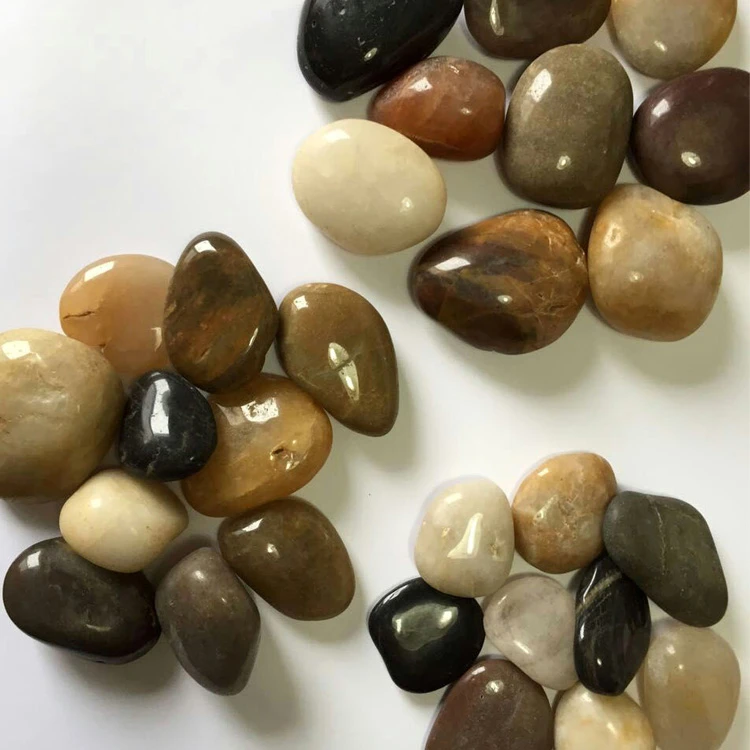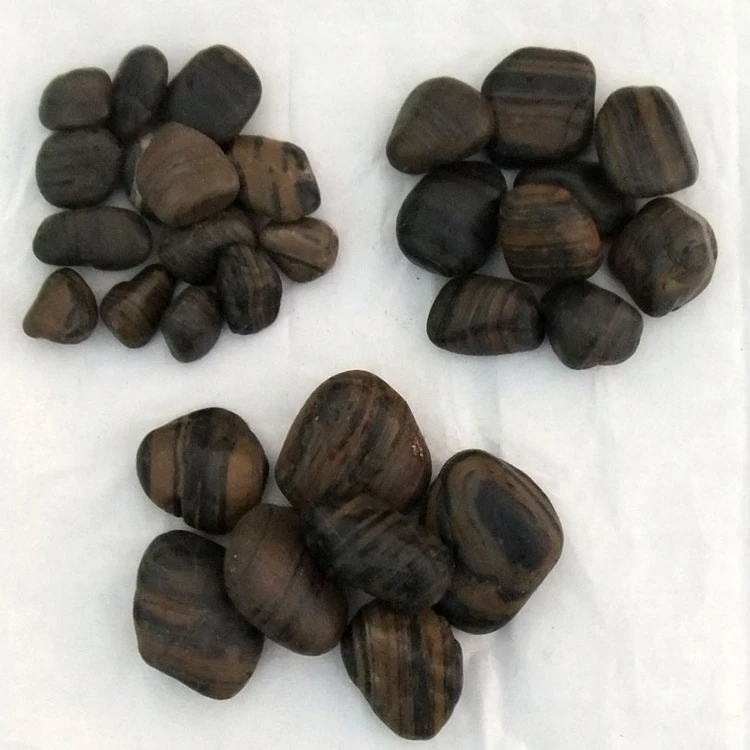
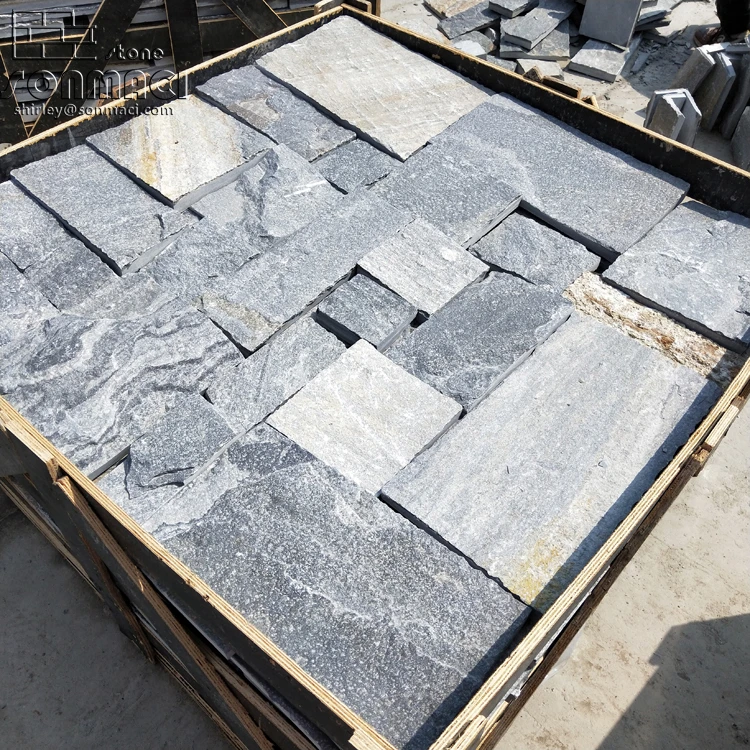
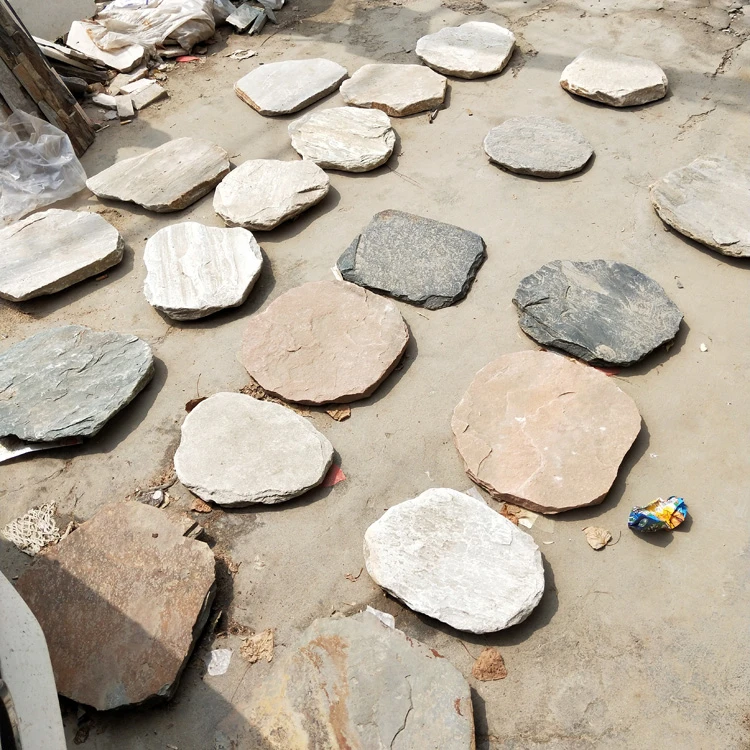
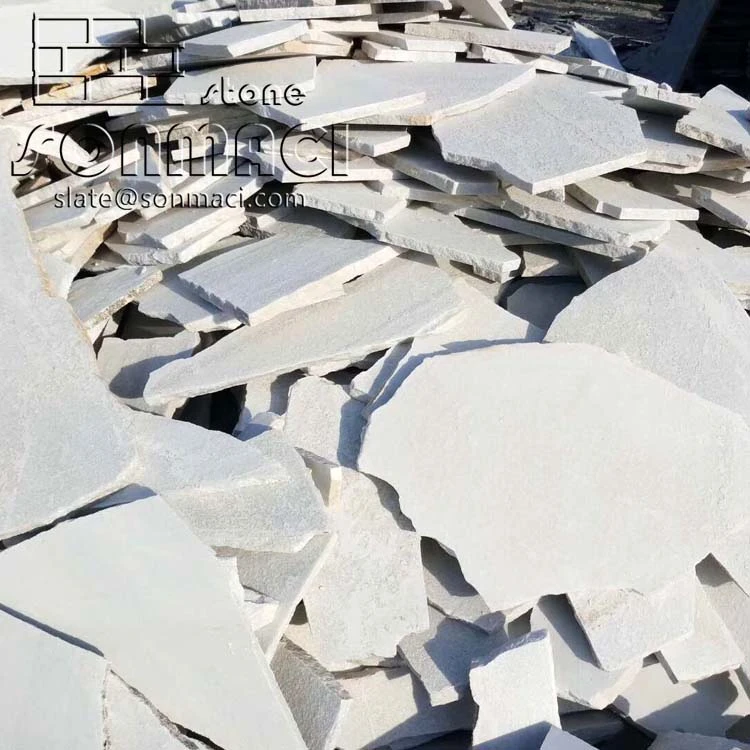
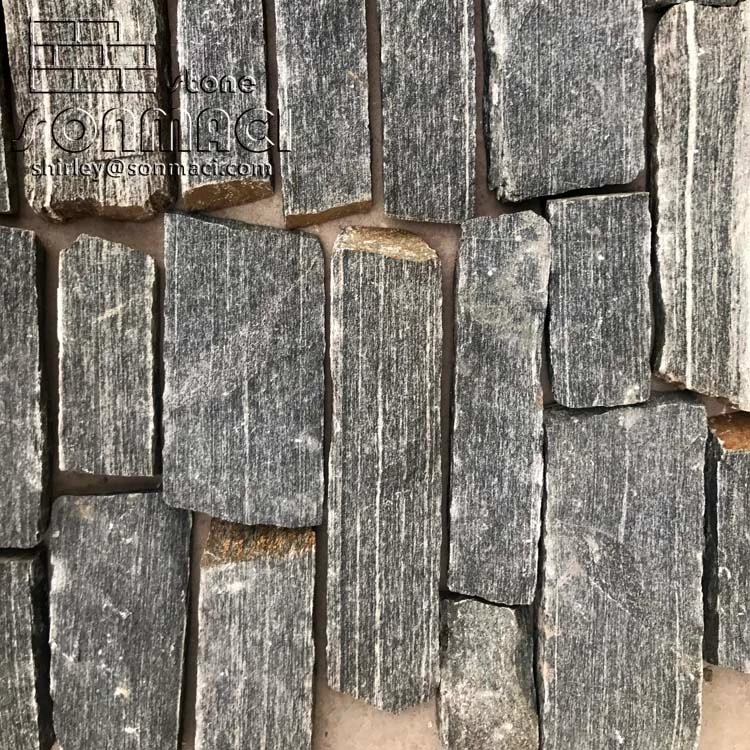
Premium natural slate stone veneer Solutions for South Korea Architecture

Integrating timeless geological beauty with modern South Korean urban design through precision-engineered stone cladding systems.

Premium natural slate stone veneer Solutions for South Korea Architecture

Providing high-performance architectural stone surfacing that combines the rugged durability of natural minerals with the aesthetic requirements of Seoul's contemporary luxury developments.

The Landscape of Stone Processing in South Korea

Analyzing the synergy between traditional masonry and high-tech urban construction.

In South Korea, the construction industry is currently experiencing a shift toward "Eco-Luxury." The demand for natural stone wall cladding has surged as architects in cities like Seoul and Busan seek to balance rapid urbanization with organic elements. The local climate, characterized by distinct seasonal temperature swings, requires stone materials with low thermal expansion and high frost resistance.

The market is heavily influenced by the "K-Architecture" trend, which emphasizes minimalist lines combined with textured surfaces. Consequently, ledgestone has become a staple for luxury residential villas and high-end commercial foyers, offering a sophisticated tactile experience that complements glass and steel structures.

Furthermore, the South Korean regulatory environment focuses heavily on sustainable building certifications (G-SEED). This has driven the industry away from heavy, monolithic blocks toward lightweight, precision-cut builder stone, reducing the structural load on buildings while maintaining the prestige of authentic mineral surfaces.
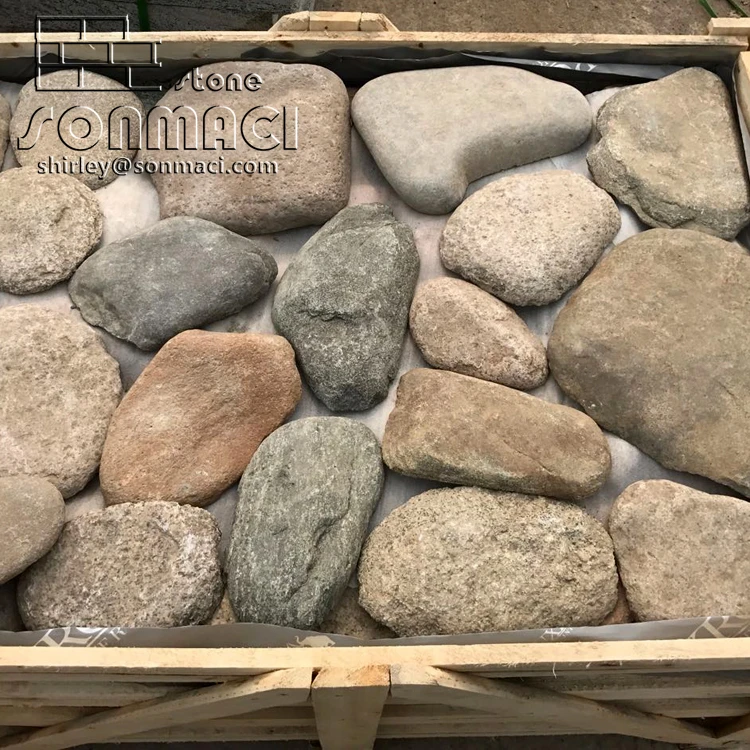
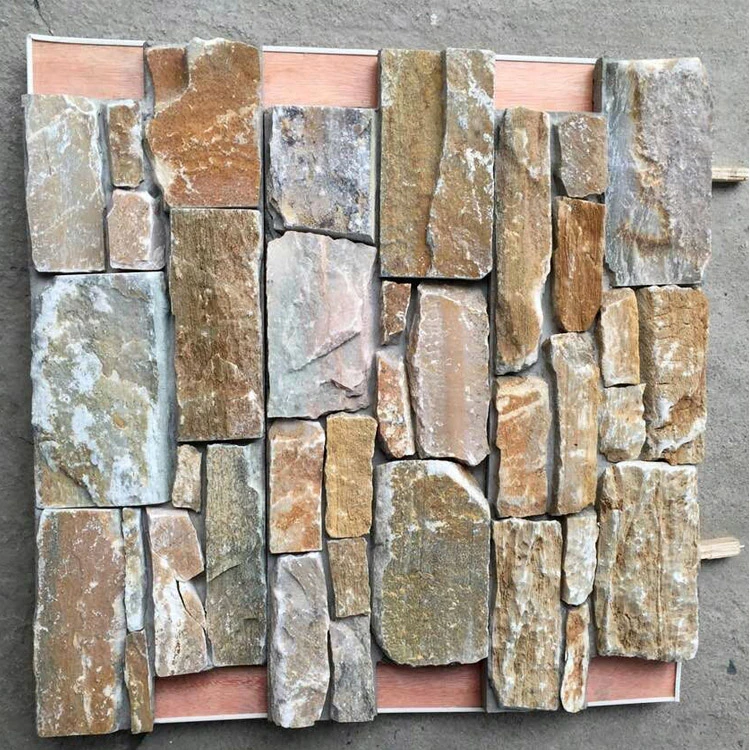
Evolution of Stone Processing Technology

From traditional quarrying to AI-driven precision cutting.

Market Development History

From the early 2000s, the South Korean market relied primarily on thick, heavy natural slabs. Installation was labor-intensive, requiring skilled masons to manually shape stones, which led to high costs and long project timelines for free form stone applications.

Between 2010 and 2018, the introduction of CNC diamond sawing and water-jet cutting revolutionized the industry. This era marked the transition toward "Veneer Technology," where stone thickness was optimized. The focus shifted to creating standardized panels that could be installed rapidly without compromising the natural cleft appearance.

By 2020, the integration of BIM (Building Information Modeling) allowed for the exact calculation of stone quantities. This technical iteration enabled the seamless deployment of complex patterns, ensuring that every piece of natural slate stone veneer fit perfectly within the architectural blueprint.

Future Development Trends

Smart Surface Integration

Expect to see stone surfaces integrated with nano-coatings that offer self-cleaning and anti-pollution properties, specifically designed for the high-density smog environments of major Asian hubs.

Lightweight Composite Slicing

The next 3-5 years will focus on ultra-thin slicing techniques, reducing stone weight by another 30% while maintaining structural integrity for high-rise applications.

Sustainable Sourcing Transparency

Driven by global ESG trends, Google search data indicates a rise in "Ethically Sourced Stone." Future trajectories point toward blockchain-verified quarry-to-site tracking for all architectural minerals.

Industry Outlook and Strategic Forecast

Predicting the trajectory of non-metallic mineral products in the South Korean market.

Digital Fabrication Transition
Moving from manual sorting to AI-powered visual grading for consistent stone color and texture across large projects.
Modular Cladding Systems
Development of interlocking stone systems that reduce installation time by 50% in high-density urban zones.
Eco-Friendly Mineral Binding
Replacement of traditional chemical adhesives with bio-based mineral binders to meet strict air-quality standards.
Adaptive Texture Engineering
Creating specialized stone textures that assist in urban sound absorption and thermal regulation.

Industry Outlook

The South Korean stone processing sector is moving toward a high-value-added model. No longer just a supplier of raw materials, the industry is evolving into a provider of "Architectural Skin Solutions." This involves a holistic approach where the chemical composition of the stone is matched to the specific pollution levels of the city it will inhabit.

Based on search trends, there is a significant uptick in queries regarding "Sustainable Luxury Interiors." This suggests that the future of stone cladding will be defined by the ability to prove low carbon footprints in the transportation and processing of minerals, favoring streamlined supply chains and precision manufacturing.

Local Application Scenarios in South Korea

Real-world implementations of architectural stone in diverse Korean environments.

1. Gangnam Luxury Commercial Facades

Utilizing natural stone wall cladding to create imposing yet elegant entrances for corporate headquarters and luxury boutiques, ensuring a high-status visual identity.

2. Jeju Island Eco-Resorts

Applying free form stone to blend resort structures organically into the volcanic landscape, mirroring the natural basalt formations of the region.

3. Seoul Modern Apartments (Han River View)

Integrating ledgestone accent walls in penthouse living rooms to provide a rustic contrast to the sleek, panoramic city views.

4. Traditional Hanok Modernizations

Using natural slate stone veneer for perimeter walls and courtyard flooring, combining traditional Korean aesthetics with modern durability.

5. Incheon Smart City Public Spaces

Deploying high-durability builder stone for public plazas and transit hubs, designed to withstand heavy foot traffic and urban weathering.

Brand Story

Global Development Journey of Hebei Sonmacis Stone Co., Ltd.

Foundation and Mineral Mastery

Established with a vision to bridge the gap between raw geological potential and architectural precision, focusing on the core processing of non-metallic minerals.

Technological Breakthroughs

Invested in advanced thin-cut slicing technology, solving the pain point of stone weight and installation complexity for global urban projects.

Asia-Pacific Expansion

Strategically entered the South Korean and Japanese markets, tailoring stone textures to meet the specific aesthetic and climatic needs of East Asian architecture.

Sustainability Commitment

Implemented a zero-waste cutting process, ensuring that every piece of mineral waste is repurposed into smaller decorative elements.

Global Architectural Leadership

Now recognized as a premier provider of stone veneer solutions, serving as the trusted partner for top-tier architects worldwide.

Common Questions on Stone Cladding in South Korea

Expert answers to technical and aesthetic queries regarding natural stone processing.

How does natural slate stone veneer perform during South Korea's winter freeze-thaw cycles?

Our veneers are processed to have extremely low porosity, preventing water absorption and subsequent cracking during freezing temperatures common in Seoul and Incheon.

What is the installation advantage of using ledgestone over full-thickness stone blocks?

Ledgestone offers a significant reduction in weight, meaning it doesn't require massive structural reinforcements, making it ideal for renovating existing urban buildings.

Can free form stone be used for interior feature walls in luxury apartments?

Yes, it is highly recommended for creating organic, nature-inspired focal points that contrast with the geometric precision of modern interior design.

Which natural stone wall cladding is best for high-traffic commercial exterior use?

We recommend high-density slate or granite-based cladding due to their exceptional abrasion resistance and ease of maintenance in urban environments.

Is builder stone compatible with G-SEED sustainable building certifications in Korea?

Absolutely. By optimizing material thickness and reducing transportation energy, our builder stone products help projects earn essential sustainability credits.

How do I maintain the color vibrancy of natural stone veneers in polluted city areas?

We recommend applying a breathable, oleophobic sealer every 3-5 years to prevent urban pollutants from penetrating the stone pores.

Get Expert Stone Consulting Today

Partner with the leading stone processing experts to elevate your architectural projects in South Korea.

Contact Us Now

If you are interested in our products, you can choose to leave your information here, and we will be in touch with you shortly.