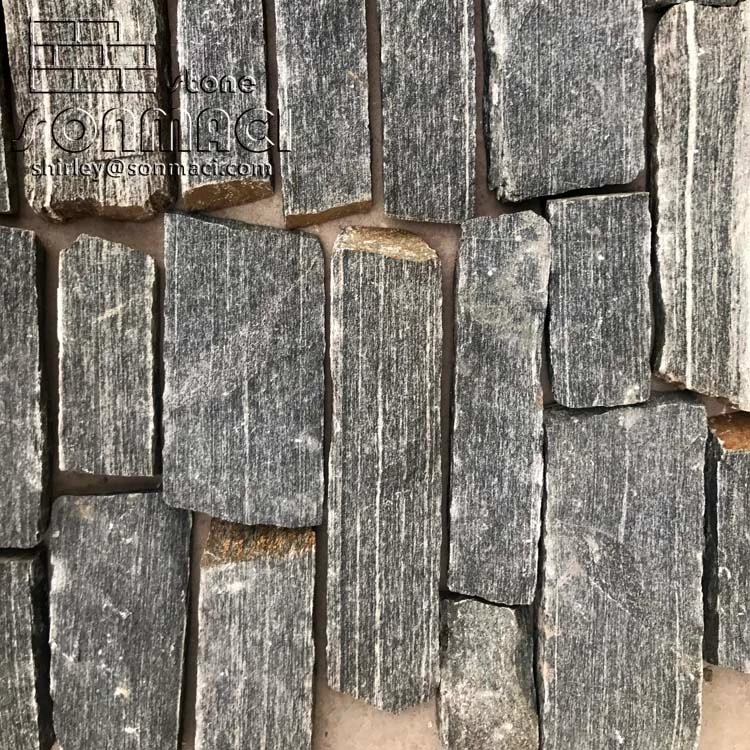
Premium Natural Slate Stone Veneer Solutions for Netherlands Architecture

Integrating timeless geological aesthetics with Dutch precision engineering to elevate residential and commercial facades across the Netherlands.

Premium Natural Slate Stone Veneer Solutions for Netherlands Architecture

Offering high-performance stone processing solutions tailored for the unique Dutch climate and architectural heritage, focusing on durability and sustainable luxury.

The State of Architectural Stone Processing in the Netherlands

Analyzing the intersection of Dutch hydraulic engineering and mineral cladding requirements.

The Netherlands presents a unique challenge for the stone processing industry due to its high water table and maritime climate. The demand for natural stone wall cladding has shifted toward materials that can withstand constant humidity and salt-spray exposure without compromising structural integrity.

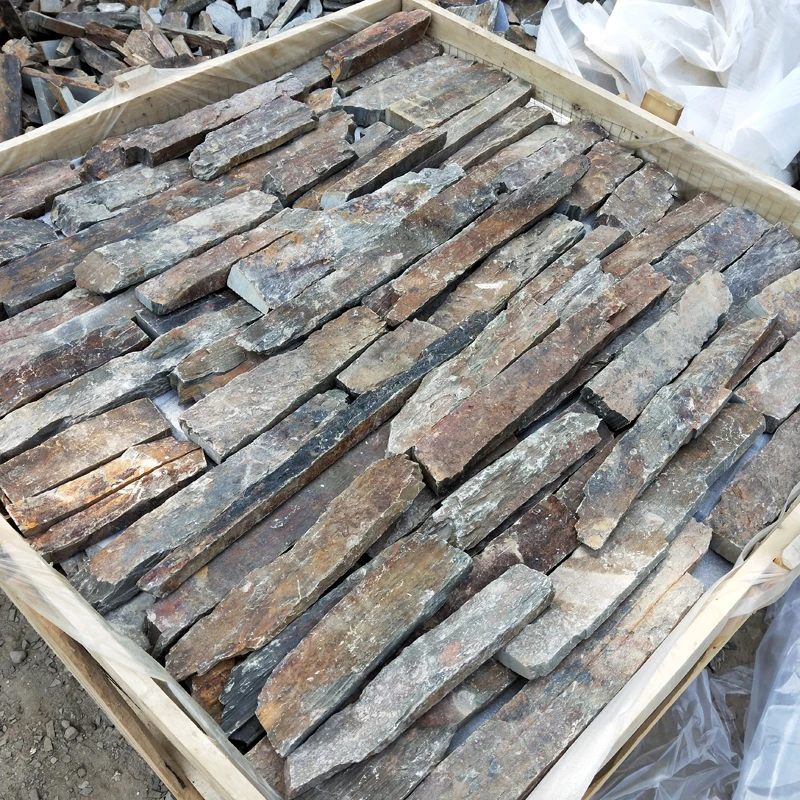
Current market trends in the Randstad region show a strong preference for sleek, modern finishes combined with organic textures. This has led to an increase in the adoption of ledgestone, which provides a contemporary linear aesthetic while maintaining the tactile quality of raw minerals.

Economically, the Dutch construction sector is prioritizing "Circular Building" protocols. Consequently, the industry is moving away from heavy, solid blocks toward lightweight veneer systems, reducing the load on soft soil foundations while maintaining the prestige of natural stone.
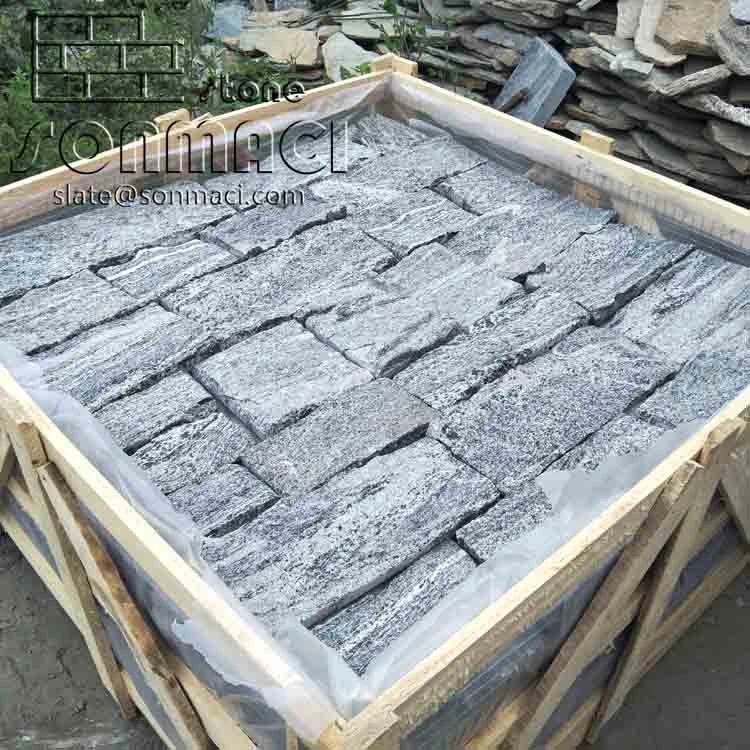
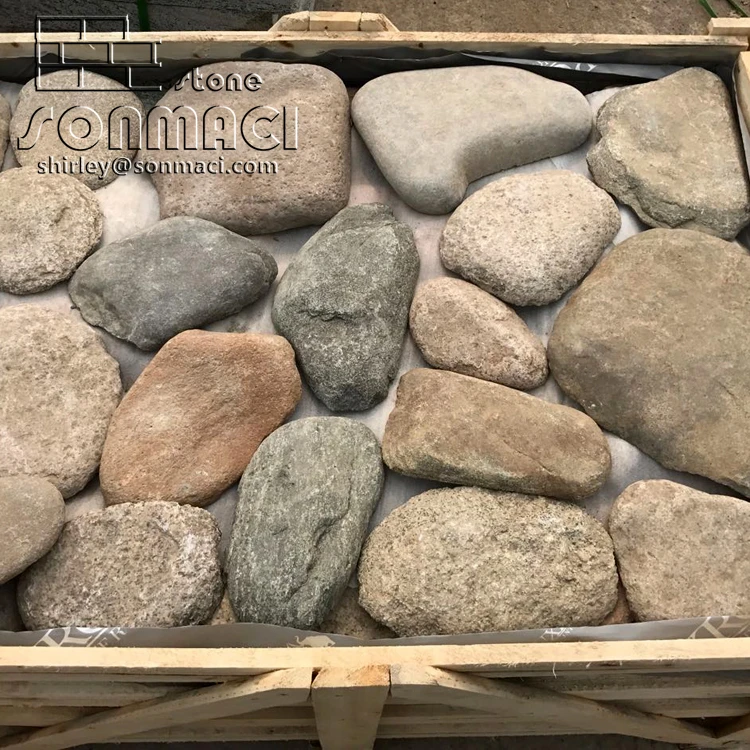
Evolution of Stone Processing: From Tradition to Tech

Tracing the technological trajectory of building stone in Western Europe.

Market Development History

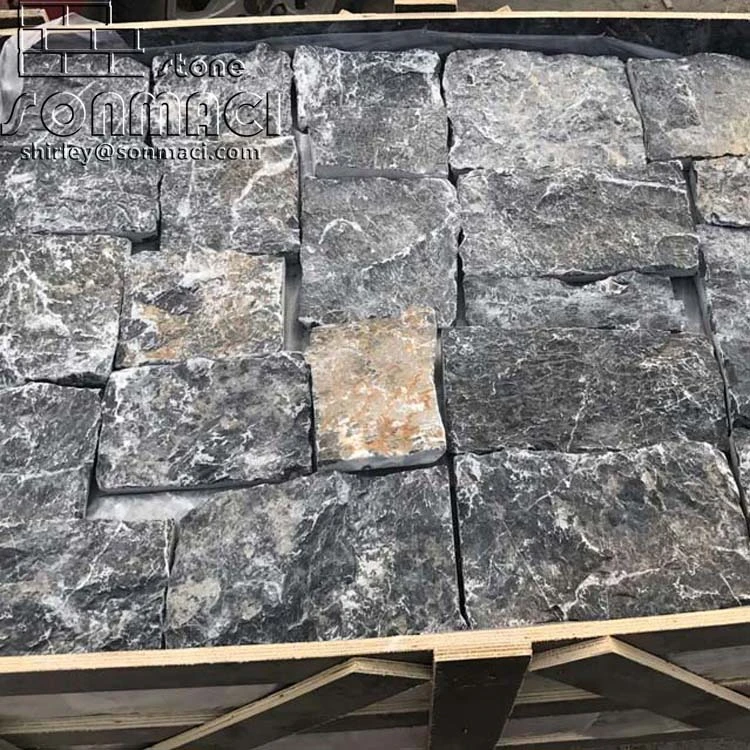
Historically, Dutch architecture relied heavily on imported brick and heavy masonry. Before the 1990s, the use of builder stone was primarily reserved for monumental civic buildings and foundations, requiring immense labor and deep piling.

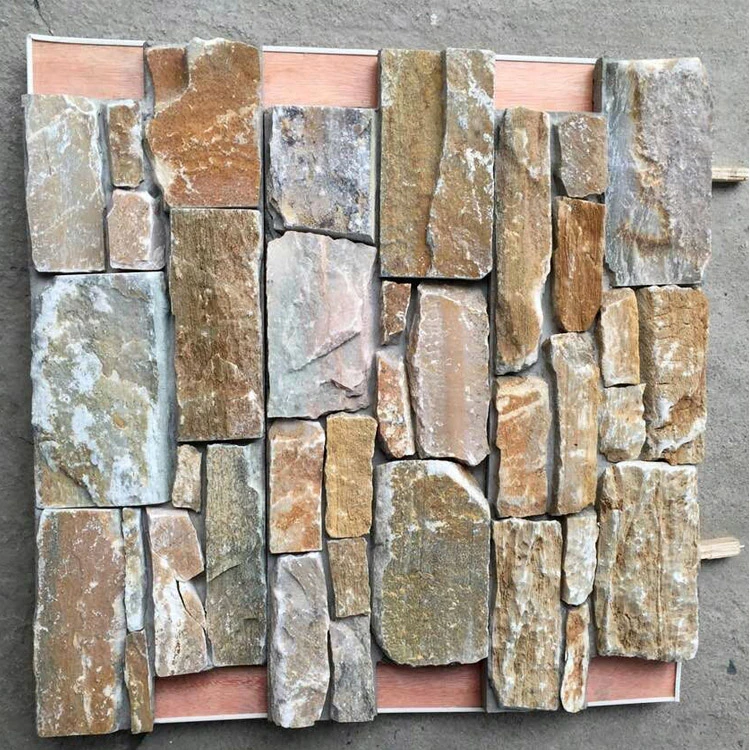
Between 2000 and 2015, the introduction of CNC precision cutting and diamond-wire sawing transformed the industry. This era saw the rise of "thin-cut" technology, enabling the production of free form stone that could be applied as a decorative layer rather than a structural load-bearer.

From 2016 to the present, the integration of BIM (Building Information Modeling) has allowed for millimetric precision in stone cladding. The focus has shifted to high-efficiency adhesives and mechanical fastening systems that accommodate the thermal expansion typical of Northern European weather.

Future Development Trends

Smart Mineral Surfaces

Integration of photocatalytic coatings to reduce urban pollution in cities like Amsterdam and Rotterdam, making stone surfaces self-cleaning.

Ultra-Lightweight Composite Veneers

Development of nano-thin stone layers that maintain 100% natural appearance but reduce shipping weight by 70% to lower the carbon footprint.

AI-Driven Pattern Optimization

Using algorithms to maximize the yield of raw slabs, minimizing waste during the cutting of complex natural patterns.

Industry Trends and Future Outlook 2025-2030

Predicting the next wave of innovation in the non-metallic mineral products sector.

Sustainable Sourcing
Strict adherence to EU environmental regulations and the rise of LEED-certified stone quarrying.
Prefabricated Modulars
Shift towards off-site fabrication of stone panels to reduce installation time in Dutch urban centers.
Precision Thermal Bonding
Advanced bonding agents that prevent delamination during extreme freeze-thaw cycles.
Digital Twin Design
VR/AR previews of stone textures allowing Dutch architects to visualize light interaction.

Industry Outlook

Google search trends in the Benelux region indicate a 25% year-on-year increase in queries for "sustainable luxury cladding," suggesting a market shift toward ethically sourced natural stone. The focus is moving from sheer luxury to "conscious luxury."

We expect the Netherlands to lead the European market in the adoption of integrated stone-energy facades, where mineral cladding is combined with thin-film solar cells to meet the nation's aggressive carbon-neutral goals.

Local Application Scenarios in the Netherlands

Practical implementation of stone processing in Dutch architectural contexts.

01. Amsterdam Canal House Renovations

Utilizing lightweight natural slate stone veneer to modernize historic facades without overloading ancient timber pile foundations.

02. Rotterdam Waterfront Commercial Hubs

Implementing large-scale natural stone wall cladding in corporate lobbies to create a professional, high-end atmosphere that resists maritime corrosion.

03. Utrecht Residential Garden Walls

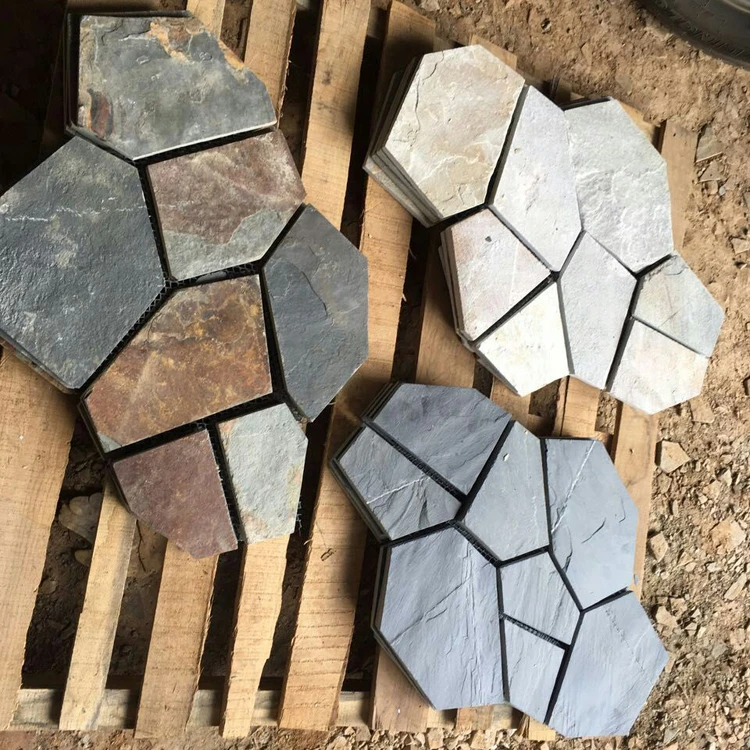
Using free form stone to create organic, blending boundaries that harmonize with the lush, green suburban landscapes of the central region.

04. Eindhoven High-Tech Campus Exteriors

Combining ledgestone with glass and steel to reflect the "Brainport" identity—mixing natural mineral textures with industrial precision.

05. Hague Diplomatic Quarter Villa Entrances

Applying premium builder stone for imposing yet refined entrance pillars, symbolizing stability and timelessness.

Brand Story

Global Development Journey of Hebei Sonmaci Stone Co., Ltd.

Industrial Foundation

Established with a mission to bridge the gap between raw geological resources and architectural art, specializing in precision cutting.

Technical Breakthrough

Developed proprietary thin-stone technology to solve the pain point of heavy transport and installation costs for global clients.

European Expansion

Entered the European market by optimizing products for the strict thermal and environmental standards of Northern Europe.

Sustainability Pivot

Invested in water-recycling cutting systems and carbon-neutral logistics to align with the EU Green Deal.

Global Leadership

Now serving as a primary supplier for high-end architectural projects, blending traditional craftsmanship with AI-driven processing.

Complete Stone Processing Portfolio for the Netherlands

A curated selection of minerals engineered for Dutch weather conditions and architectural styles.

Netherlands Stone Processing FAQ

Expert answers to common technical queries regarding stone cladding in the Benelux region.

How does natural slate stone veneer perform in the damp Dutch climate?

Our veneer is treated with a specialized hydrophobic sealant that prevents moisture ingress, ensuring it remains frost-resistant during cold winters and humidity-stable during the rainy seasons in the Netherlands.

Can ledgestone be used on soil-sensitive foundations in Amsterdam?

Yes, by utilizing our thin-cut ledgestone panels, we significantly reduce the dead load on the structure, making it ideal for the soft clay soils typical of the Amsterdam region.

What is the installation timeframe for natural stone wall cladding in commercial projects?

Thanks to modular precision cutting, installation is 40% faster than traditional masonry, allowing Dutch commercial projects to meet tight delivery schedules without sacrificing quality.

Is free form stone suitable for outdoor landscaping in the Netherlands?

Absolutely. Our free form stone is selected for its high compressive strength and low porosity, ensuring it does not crack during the freeze-thaw cycles common in Dutch gardens.

What are the maintenance requirements for builder stone in urban environments?

Urban builder stone requires minimal maintenance; a simple annual pH-neutral wash is usually sufficient to remove city pollutants and maintain the natural mineral luster.

Are your stone products compliant with EU building regulations (Eurocodes)?

Yes, all our processed minerals undergo rigorous testing to ensure they meet European standards for load-bearing, fire resistance, and chemical emissions.

Consult Our Stone Experts

Ready to elevate your architectural project in the Netherlands? Contact us for technical specifications and customized stone processing samples.

Contact Us Now

If you are interested in our products, you can choose to leave your information here, and we will be in touch with you shortly.