Premium Natural Slate Stone Veneer Solutions for Mali Architecture

Integrating durable geological materials with West African architectural aesthetics for sustainable and luxury construction.

Premium Natural Slate Stone Veneer Solutions for Mali Architecture

We provide high-performance stone processing solutions tailored for the arid climate of Mali, ensuring structural longevity and timeless beauty through precision-cut natural stone.

The State of Stone Processing in Mali

Analyzing the intersection of traditional masonry and modern stone veneers in the Sahelian region.

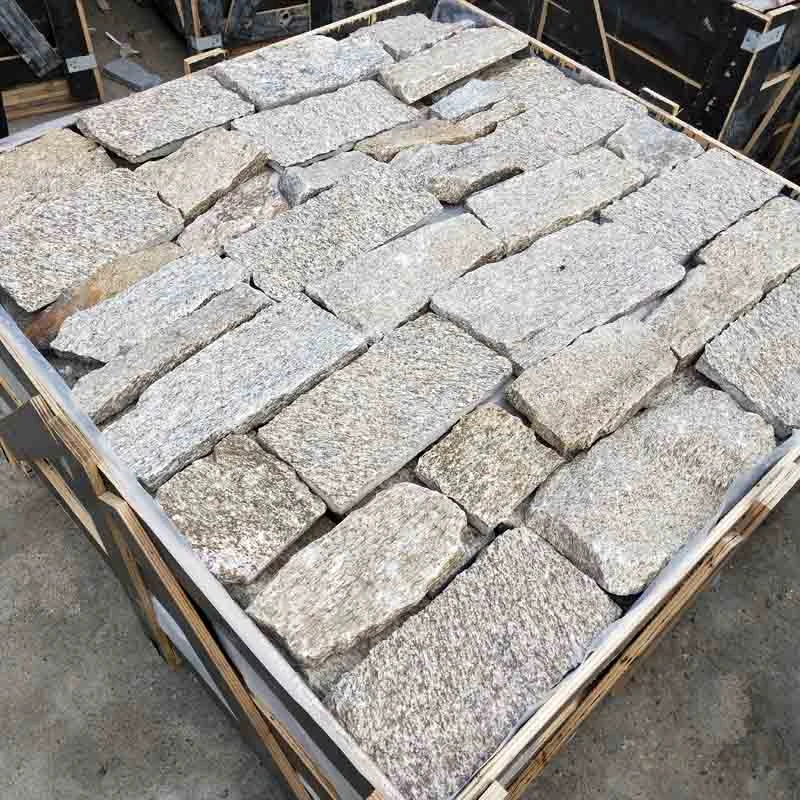
In Mali, the construction sector is traditionally dominated by earth-based materials and local limestone. However, there is a rising demand for natural stone wall cladding in urban centers like Bamako, where luxury residential and commercial projects seek higher thermal mass and durability against extreme temperature fluctuations.

The local market currently faces a gap between raw quarrying and high-precision processing. While raw materials are abundant, the sophisticated cutting required for ledgestone is often outsourced, leading to inconsistencies in installation and waste of premium mineral resources.

Furthermore, the arid climate of the region demands materials that resist salt crystallization and wind erosion. This has pushed the industry toward adopting reinforced stone veneers that maintain their structural integrity despite the harsh Saharan winds and intense UV exposure.
Evolution and Trajectory of Mali's Stone Industry

From ancestral mud-brick techniques to precision CNC stone fabrication.

Market Development History

Historically, stone processing in Mali was limited to manually hewn blocks used for foundations and perimeter walls. Until the early 2000s, the use of decorative stone was rare, with most facades relying on traditional plaster or raw concrete.

Between 2010 and 2020, the introduction of mechanized cutting tools allowed for the emergence of builder stone, moving the industry from simple rubble masonry to structured, modular stone applications that reduced construction time.

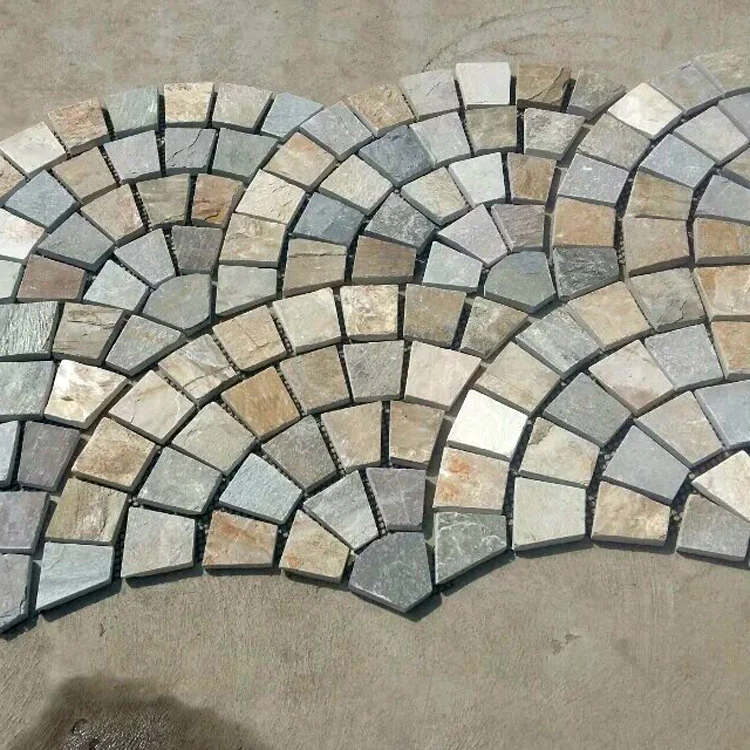
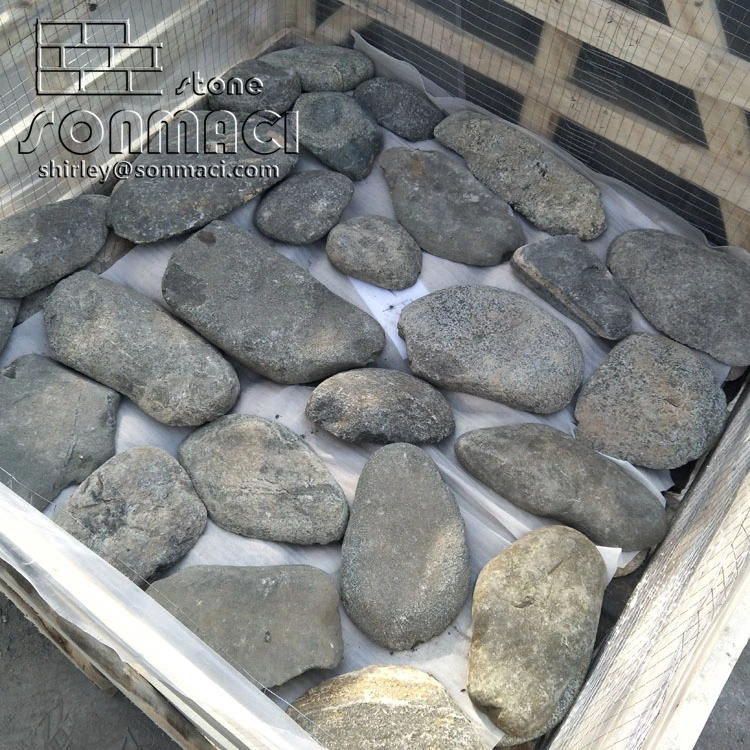
Currently, the market is transitioning into the "Thin-Layer Era." The adoption of free form stone has revolutionized interior design in Mali, allowing architects to create organic textures without the weight and cost of full-thickness stone walls.

Future Development Trends

Thermal Insulation Integration

Future trends show a shift toward combining stone cladding with vacuum-insulation panels to reduce energy costs for cooling in the Malian heat.

Eco-Friendly Resin Bonding

There is a growing movement toward using bio-based adhesives for stone veneers to meet new international green building certifications in West Africa.

Digital Fabrication & BIM

The integration of Building Information Modeling (BIM) will allow for precise pre-fabrication of stone panels, minimizing site waste and installation errors.

Industry Trends and Future Outlook

Strategic forecasting for the non-metallic mineral processing sector in Mali.

Modular Installation Systems
Shift toward interlocking stone systems that reduce labor costs and installation time in Mali's rapid urban expansion.
Sustainable Sourcing
Implementing GEO-specific sourcing to reduce the carbon footprint of transporting heavy stone materials.
Precision Thin-Cutting
Advancing from 2cm to 1cm thickness for veneers to optimize logistics and weight on structure.
UV-Resistant Coatings
Developing nanotechnology sealants to prevent fading and oxidation under the intense Malian sun.

Industry Outlook

The trajectory of the stone processing industry in Mali is moving toward high-value specialization. As the middle class grows in Bamako and Kayes, the demand for architectural elements that signal status and stability—such as precision-cut stone—will outpace generic concrete finishes.

According to regional search trends, there is a significant increase in queries related to "modern facade materials" and "heat-resistant wall cladding," indicating that the market is ready for an influx of technologically advanced natural stone products.

Localized Applications in Mali

Practical implementation of architectural stone across diverse Malian environments.

1. Government Administrative Buildings in Bamako

Utilizing natural stone wall cladding to provide a prestigious, authoritative look while ensuring the building remains cool in summer.

2. Luxury Sahelian Villas

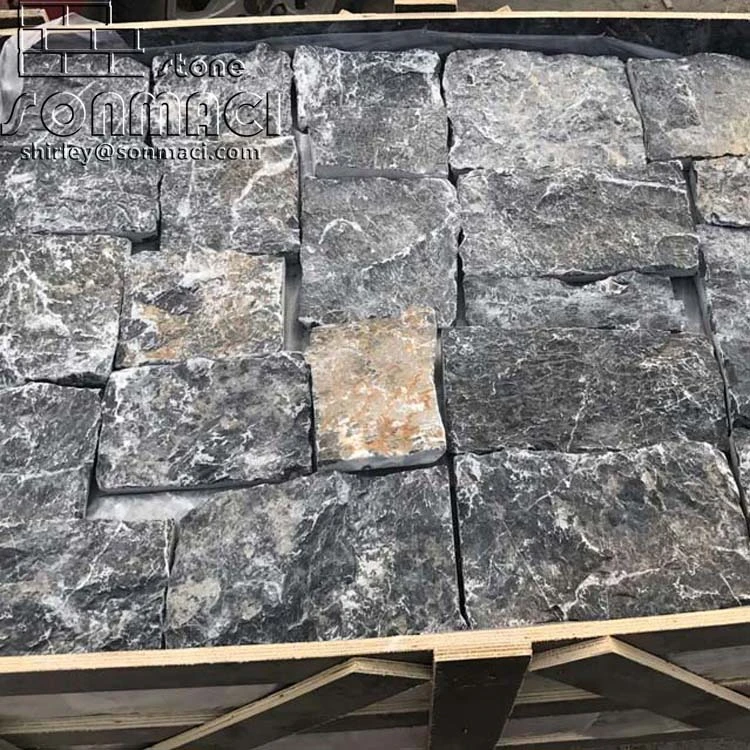
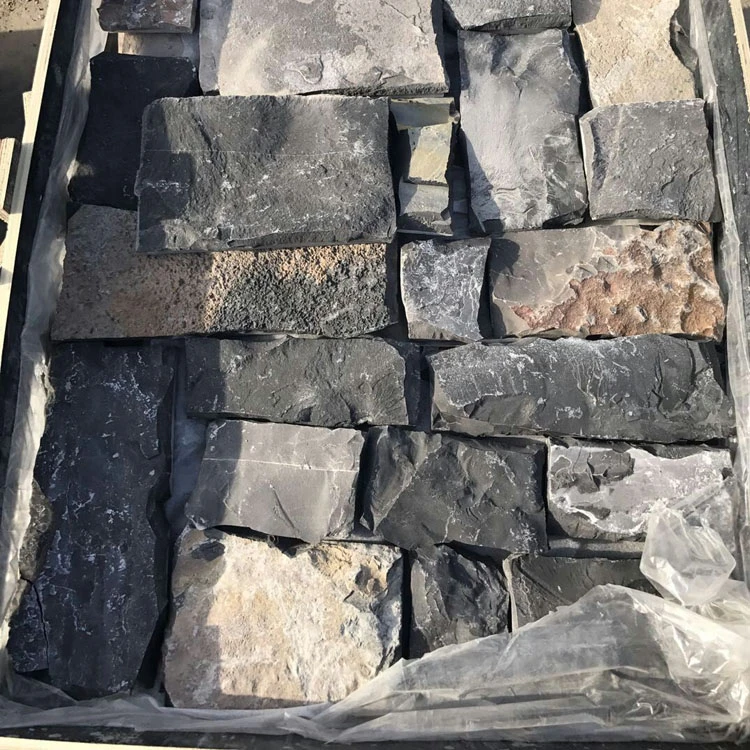
Application of ledgestone on accent walls and exterior pillars to blend modern luxury with the earthy tones of the Malian landscape.

3. Boutique Hotels and Resorts

Using free form stone in lobbies and spa areas to create a natural, organic atmosphere that appeals to international tourists.

4. Commercial Shopping Centers

Installation of high-traffic builder stone for durable exterior plinths and structural supports that resist urban wear and tear.

5. Modern Residential Apartments

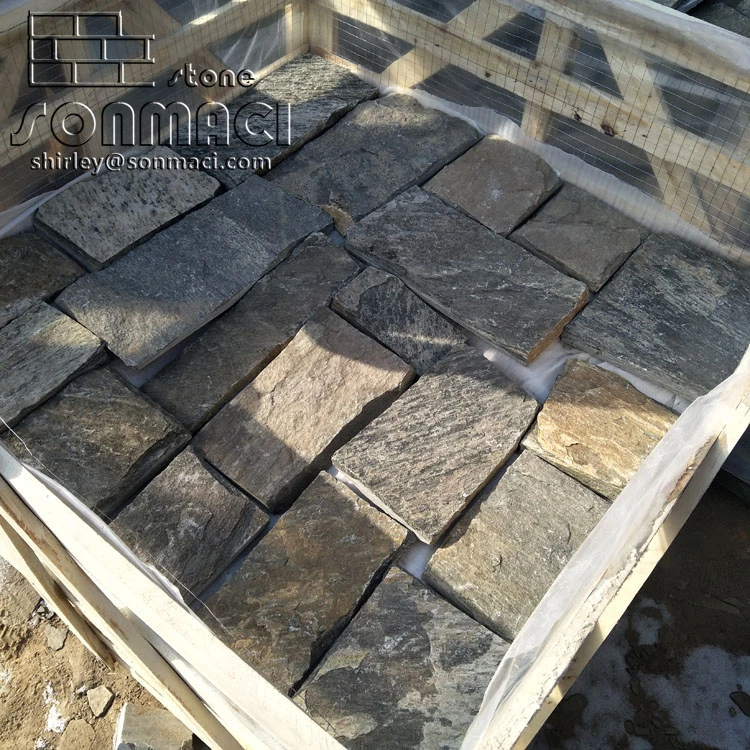
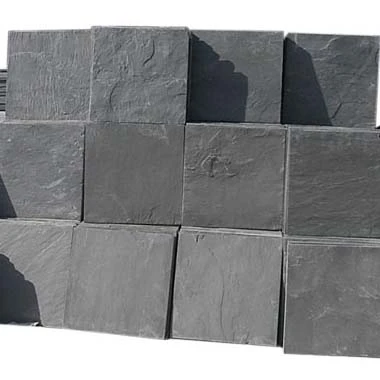
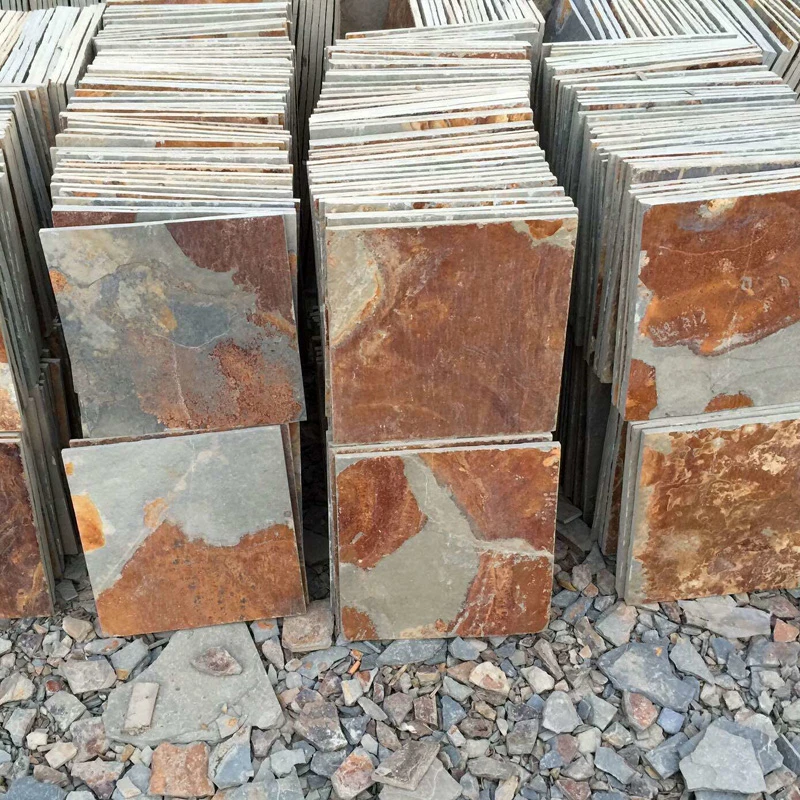
Implementing natural slate stone veneer in kitchens and bathrooms for a sleek, moisture-resistant, and high-end finish.

Brand Story

Global Development Journey of Hebei Sonmaci Stone Co., Ltd.

Foundational Excellence

Established with a mission to bridge the gap between raw mineral extraction and high-end architectural art, focusing on precision processing.

Technological Breakthrough

Invested in advanced CNC and laser-cutting technology to solve the industry pain point of inconsistent thickness in stone veneers.

Global Market Expansion

Extended operations to West Africa, adapting our product lines to withstand the specific climate challenges of the Sahel region.

Sustainability Commitment

Developed a closed-loop water recycling system in our factories to ensure that our stone processing is environmentally responsible.

Architectural Partnership

Today, we partner with leading architects worldwide to turn geological materials into sustainable, breathtaking urban landmarks.

Complete Stone Portfolio for the Malian Market

A curated selection of durable, heat-resistant, and aesthetically diverse stone solutions.

Common Questions in Mali's Stone Industry

Expert answers to technical and logistical challenges in West African stone installation.

How does natural slate stone veneer handle the extreme heat in Bamako?

Our slate veneers are processed to have low thermal expansion coefficients, meaning they won't crack or warp under the intense Malian sun, providing a stable and cooling exterior skin.

What is the best installation method for ledgestone in arid climates?

We recommend using polymer-modified thin-set mortars that are specifically designed for high-temperature environments to prevent adhesive failure and debonding.

Can free form stone be used for interior moisture control?

Yes, when treated with a breathable hydrophobic sealant, free form stone provides excellent durability and a natural aesthetic for Malian bathrooms and kitchens.

How do I choose between builder stone and stone veneers for a perimeter wall?

Builder stone is ideal for structural load-bearing walls, while stone veneers are preferred for aesthetic cladding over concrete blocks to reduce overall weight and cost.

Is natural stone wall cladding more cost-effective than traditional plaster?

While the initial cost is higher, stone cladding eliminates the need for frequent repainting and repairs, offering a much lower lifetime maintenance cost in Mali's climate.

How is the shipping of heavy stone managed to remote areas of Mali?

We utilize optimized palletization and reinforced sea-to-land logistics chains to ensure that materials arrive at the site without breakage or loss.

Get a Professional Stone Consultation

Partner with the leading experts in non-metallic mineral processing to elevate your architectural project in Mali.

Contact Us Now

If you are interested in our products, you can choose to leave your information here, and we will be in touch with you shortly.