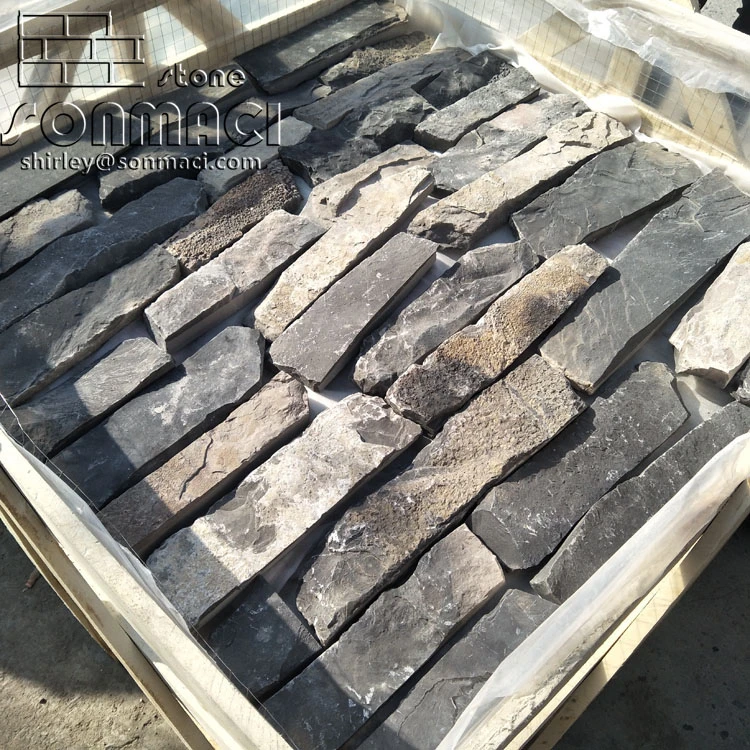
Premium Natural Slate Stone Veneer Solutions for Libya

Elevating Libyan architecture with high-performance, weather-resistant stone masonry and innovative wall cladding systems.

Premium Natural Slate Stone Veneer Solutions for Libya

Integrating sustainable mineral extraction and precision processing to provide Libya with durable natural stone wall cladding that withstands extreme arid climates.

Current State of Stone Processing in Libya

Analyzing the intersection of traditional masonry and modern mineral processing in North Africa.

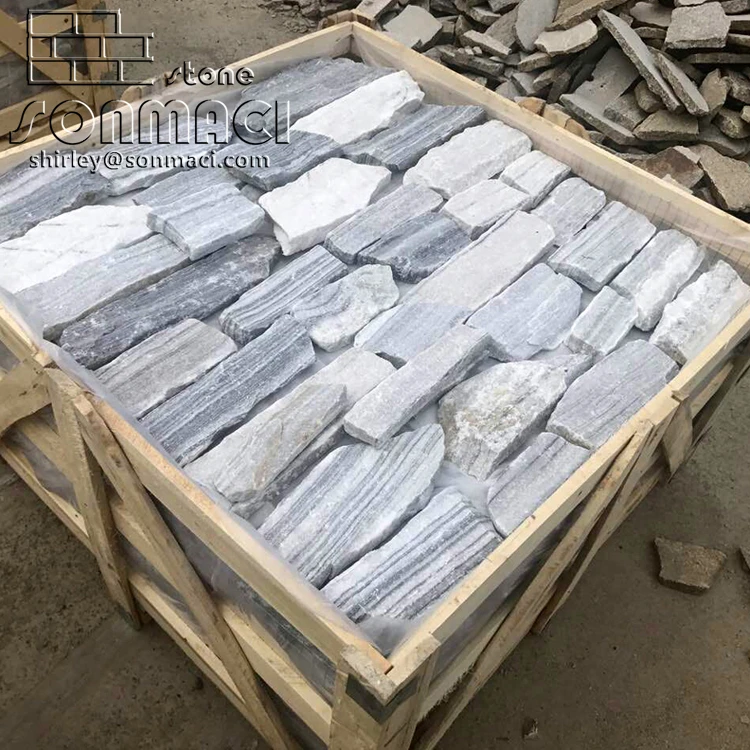
Libya's construction landscape is currently characterized by a heavy reliance on traditional limestone; however, there is a surging demand for builder stone that offers both aesthetic versatility and structural integrity. The extreme temperature fluctuations in the Libyan desert necessitate materials with low thermal expansion coefficients.

The local market is transitioning from bulk stone usage to precision-cut ledgestone. This shift is driven by the reconstruction of urban centers and the rise of luxury residential projects in Tripoli and Benghazi, where architectural sophistication is now a priority.

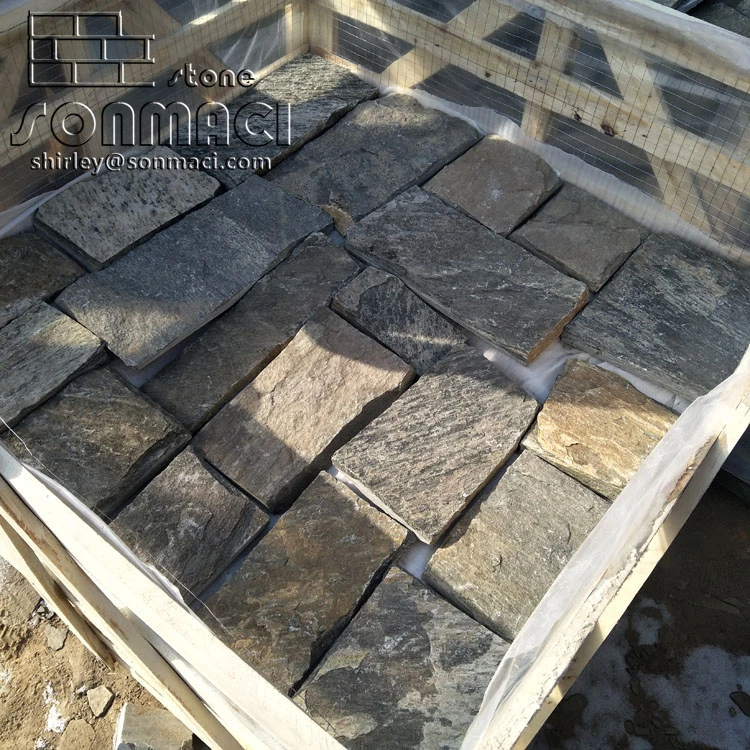
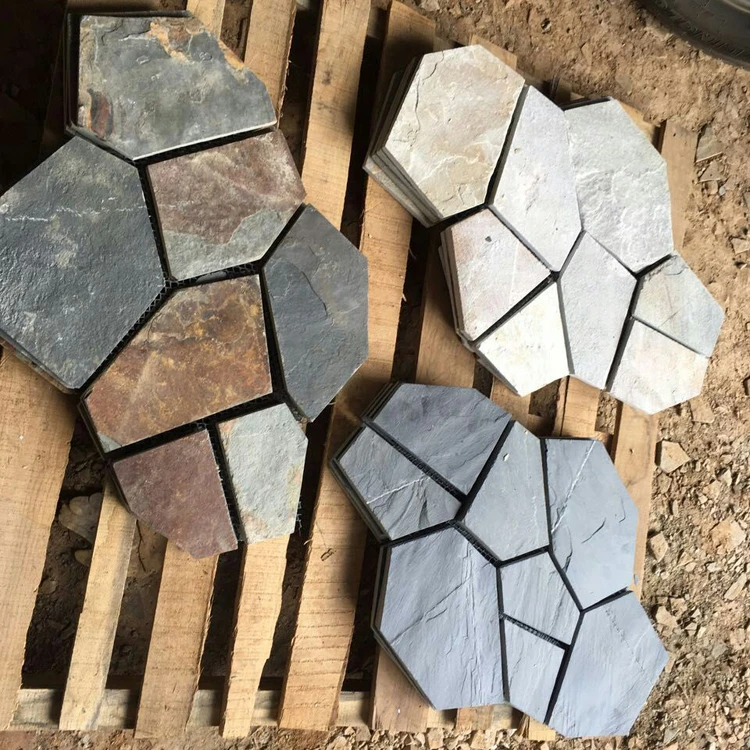
Despite abundant raw minerals, the lack of advanced processing technology has historically limited the availability of free form stone. Consequently, the industry is now looking towards international standards to implement more efficient cutting and finishing techniques.
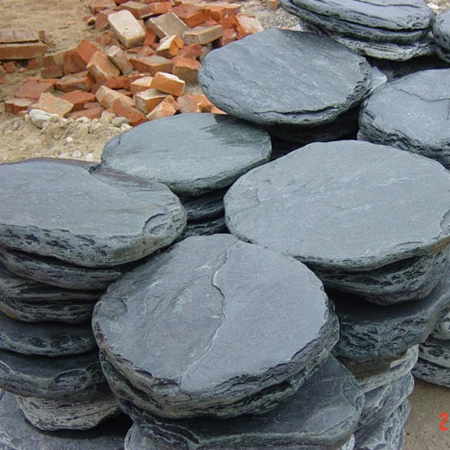
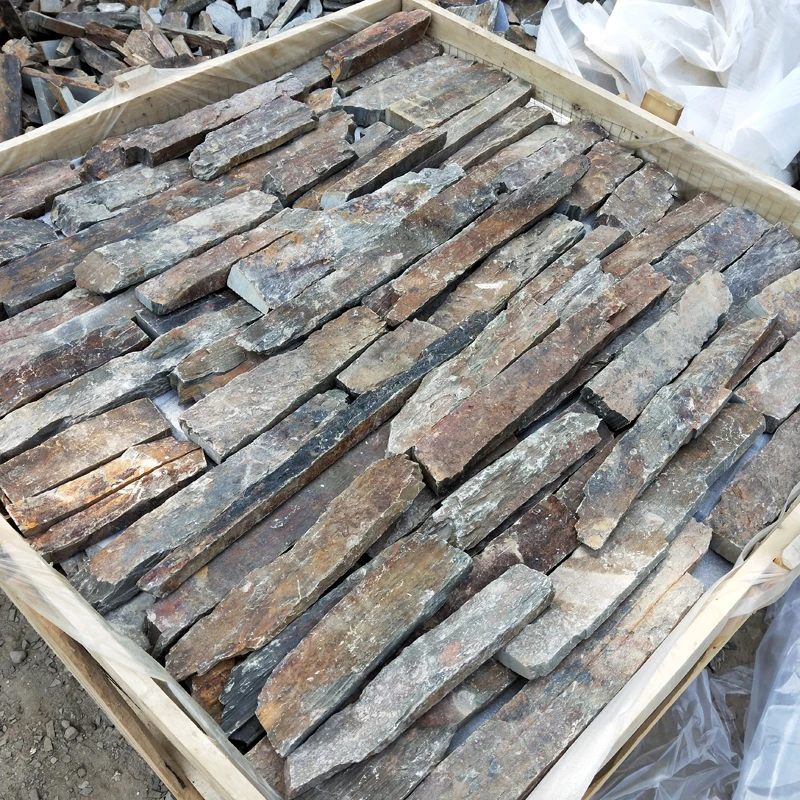
Evolution and Trajectory of Stone Processing

From hand-carved blocks to CNC-precision stone veneer systems.

Market Development History

From 1980 to 2000, the Libyan stone industry focused primarily on structural foundations using raw quarry blocks, with minimal processing and a focus on utility over aesthetics.

Between 2000 and 2015, the introduction of basic mechanical sawing allowed for the emergence of standardized tiles, although the market still lacked the refinement required for high-end interior natural stone wall cladding.

Since 2016, the industry has entered the era of "Thin-Layer Technology," where the adoption of vacuum-bonding and precision splitting has made lightweight stone veneers the preferred choice for rapid urban redevelopment.

Future Development Trends

Automated Precision Cutting

Integration of AI-driven CNC machinery to minimize waste during the production of complex free form stone patterns.

Sustainable Mineral Sourcing

Shift towards eco-friendly extraction methods that reduce the environmental impact on Libya's fragile desert ecosystems.

Enhanced Thermal Insulation

Development of composite stone systems that combine natural aesthetics with advanced thermal barriers to reduce energy costs in hot climates.

Industry Trends and Future Outlook

Strategic forecasting for the non-metallic mineral sector in the Libyan market.

Digital Design Integration
Transitioning to BIM-integrated stone planning to ensure millimetric precision in large-scale Libyan infrastructure projects.
Lightweight Material Shift
Increasing adoption of thin-cut veneers to reduce structural load and shipping costs from international ports to Libyan sites.
Modular Installation Systems
Moving away from wet-mortar applications toward dry-hang systems for faster installation in rapid reconstruction zones.
UV-Resistant Coatings
Implementation of nano-coatings to prevent sun-bleaching and salt-corrosion in coastal Libyan cities.

Industry Outlook

Based on regional search trends, there is a significant increase in queries for "sustainable building materials" in North Africa. We predict a 15% year-over-year growth in the demand for specialized stone veneers as Libya invests more in high-end commercial real estate.

The convergence of traditional Libyan architectural motifs with modern ledgestone processing will create a unique hybrid market, favoring manufacturers who can provide custom-textured solutions.

Localized Application Scenarios in Libya

Practical deployments of architectural stone in the Libyan environment.

1. Luxury Villa Facades in Tripoli

Using premium natural slate stone veneer to create sophisticated, heat-reflective exteriors for high-end residential properties in the capital.

2. Commercial Plaza Cladding in Benghazi

Implementation of large-scale natural stone wall cladding for corporate headquarters, ensuring a professional image and long-term durability against wind erosion.

3. Desert Resort Accent Walls

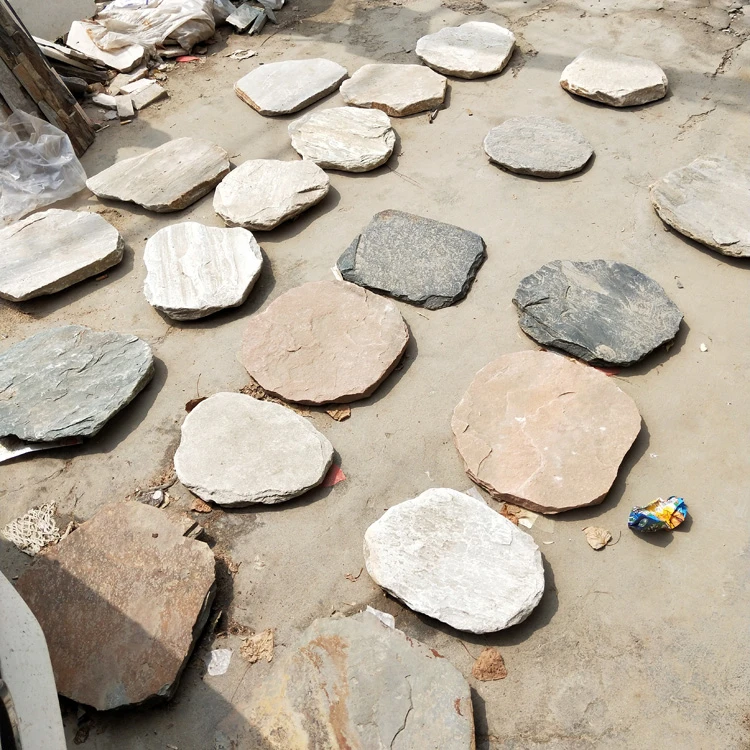
Utilizing free form stone to blend modern hospitality structures with the natural rocky topography of the Libyan Sahara.

4. Government Building Foundations

Deploying heavy-duty builder stone for structural bases that require maximum compressive strength and stability in sandy soils.

5. Interior Feature Walls for Urban Cafes

Applying textured ledgestone to create rustic yet modern interior atmospheres in the emerging dining districts of Misrata.

Brand Story

Global Development Journey of Hebei Sonmacis Stone Co., Ltd.

Industrial Foundation

Established with a mission to bridge the gap between raw mineral extraction and precision architectural art in the stone processing industry.

Technological Breakthrough

Pioneered the ultra-thin cutting process, solving the pain point of excessive weight and installation costs for global stone cladding projects.

Global Market Expansion

Extended operations to North Africa, tailoring mineral products to meet the specific climatic challenges of regions like Libya.

Quality Standardization

Achieved international certifications for durability and safety, ensuring every slab meets the rigorous demands of modern architecture.

Vision for Sustainability

Committing to a future of zero-waste stone processing, ensuring that beauty and ecological responsibility go hand in hand.

Comprehensive Stone Portfolio for Libya

A curated selection of processed minerals designed for the North African climate.

Common Questions for Stone Sourcing in Libya

Expert answers to technical queries regarding stone installation and maintenance.

How does natural slate stone veneer perform in high-temperature Libyan summers?

Our natural slate stone veneer is processed to have high thermal stability, preventing cracking or warping under intense UV exposure and high heat.

What is the best installation method for natural stone wall cladding in coastal areas?

For coastal cities like Tripoli, we recommend a dry-hang system with stainless steel brackets to prevent salt-air corrosion of the bonding agents.

Can builder stone be used for both structural and decorative purposes in Libya?

Yes, our builder stone is engineered for high compressive strength for foundations while maintaining a surface texture suitable for exposed decorative masonry.

How to maintain the color of ledgestone in dusty desert environments?

We recommend applying a breathable, hydrophobic sealant every 2-3 years to prevent dust penetration and preserve the natural vibrancy of the ledgestone.

What are the benefits of free form stone over standardized tiles for resorts?

Free form stone provides an organic, natural look that integrates seamlessly with the landscape, offering a more authentic aesthetic for luxury eco-resorts.

What is the average lead time for shipping stone veneer to Libya?

Depending on the order volume and shipping port (Tripoli or Benghazi), lead times typically range from 30 to 45 days including precision processing.

Get a Professional Stone Consultation

Ready to upgrade your project with world-class stone processing? Our experts are available to support architectural projects across Libya.

Contact Us Now

If you are interested in our products, you can choose to leave your information here, and we will be in touch with you shortly.