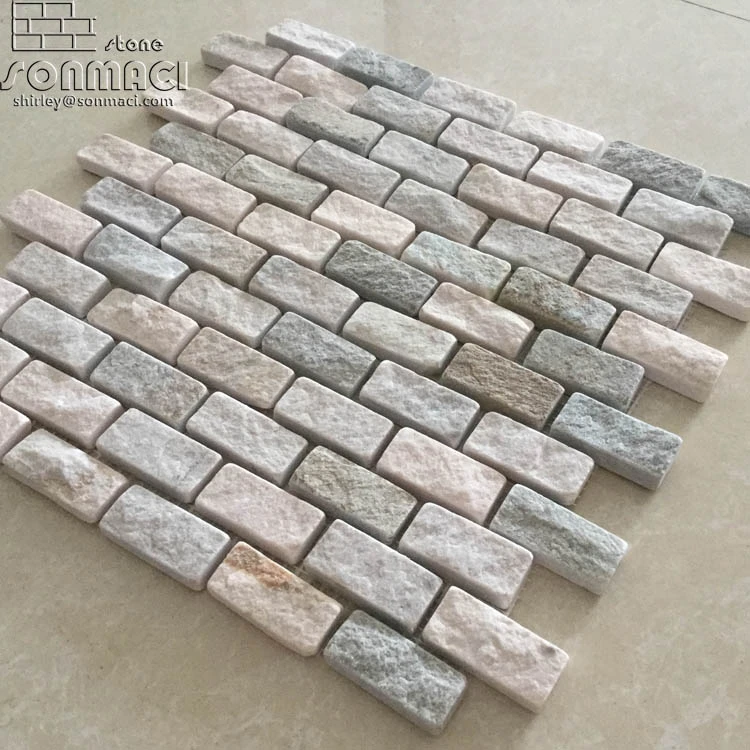
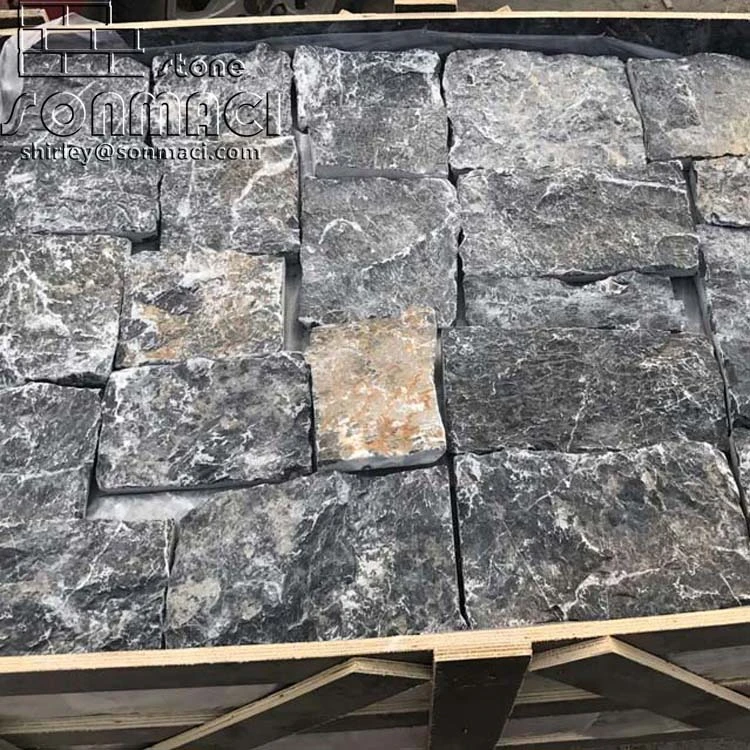
Premium Natural Slate Stone Veneer Solutions for Japanese Architecture

Integrating timeless geological elegance with Japan's precision engineering for luxury residential and commercial cladding.

Premium Natural Slate Stone Veneer Solutions for Japanese Architecture

Specializing in high-precision stone processing to meet the rigorous aesthetic and structural standards of the Japanese construction market, focusing on durability and Zen-inspired minimalism.

The Current Landscape of Stone Cladding in Japan

Analyzing the intersection of natural materials and seismic-resistant urban design.

In the Japanese market, the demand for natural stone wall cladding is driven by a unique blend of traditional "Wabi-sabi" aesthetics and ultra-modern urban density. With Japan's humid climate and high precipitation, the industry prioritizes materials with low porosity and high frost resistance to prevent degradation over time.

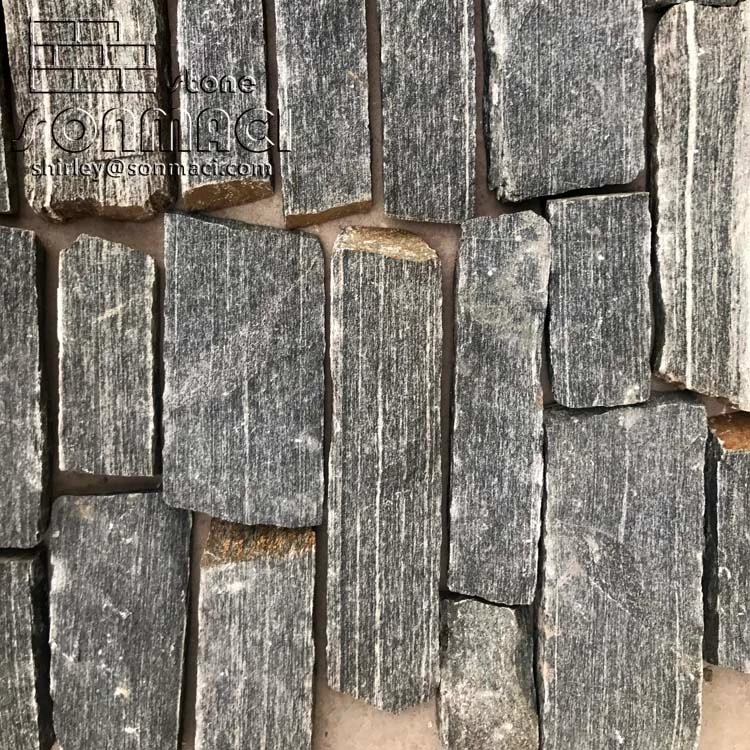
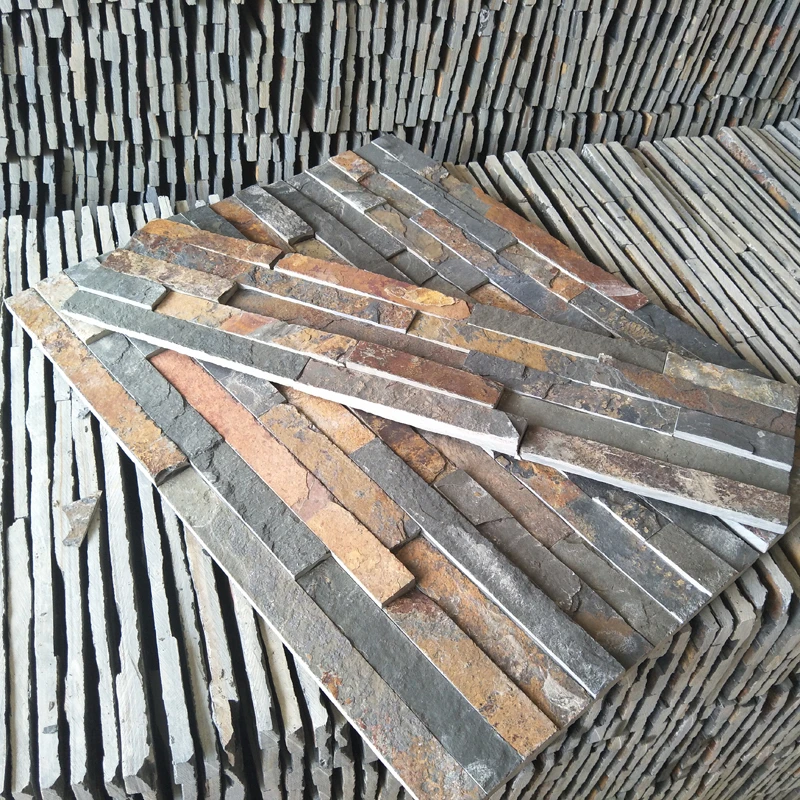
Architects in Tokyo and Osaka are increasingly shifting toward lightweight alternatives to reduce structural load. This has led to a surge in the adoption of ledgestone, which provides the visual weight of solid masonry without compromising the integrity of seismic-resistant building frames.

Furthermore, the strict Japanese Industrial Standards (JIS) necessitate a level of precision in cutting and calibration that exceeds global averages. The market currently sees a strong preference for natural textures that harmonize with urban greenery and wooden structural elements.
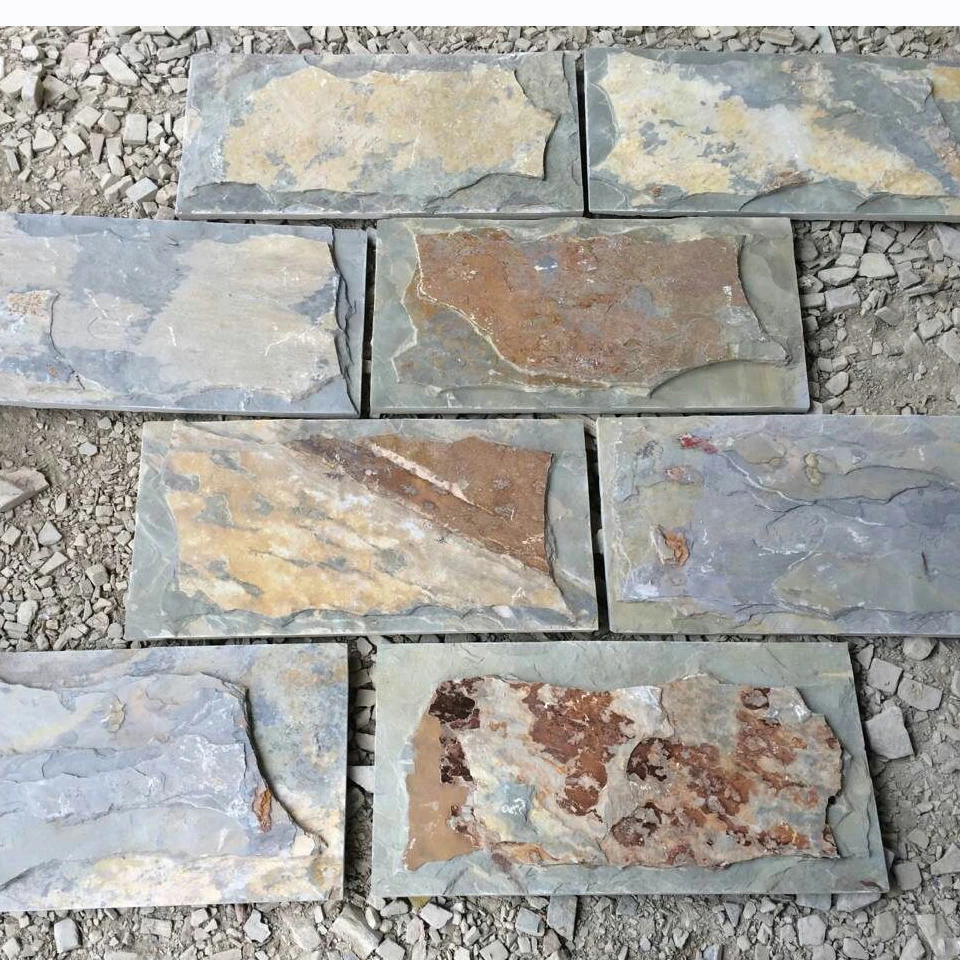
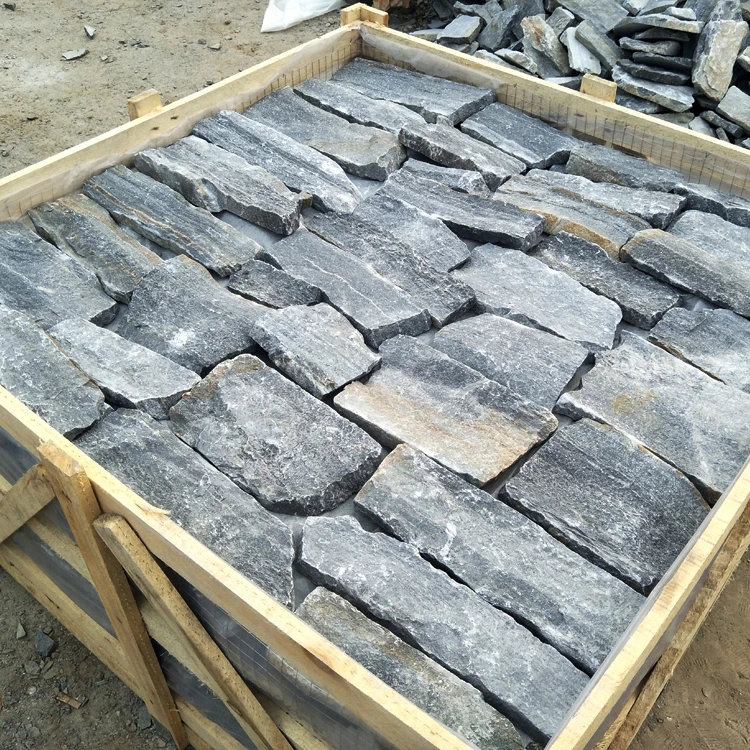
Evolution of Stone Processing and Market Trajectory

From traditional masonry to digitally calibrated veneer systems.

Market Development History

Historically, Japanese stone work relied on massive, heavy blocks of local granite. However, by the 1990s, the industry transitioned toward thinner profiles to accommodate the rapid vertical expansion of metropolitan areas, introducing early versions of builder stone for faster installation.

Between 2010 and 2020, the integration of CNC precision cutting revolutionized the supply chain. This allowed for the mass production of free form stone that could be meticulously pre-arranged in factories to ensure a seamless fit on-site, reducing labor costs in Japan's aging workforce market.

Today, the industry has moved into the era of "Ultra-Thin Cladding," where natural slate and quartzite are sliced into millimeters, combining the authenticity of raw earth with the flexibility of modern adhesive installation technologies.

Future Development Trends

Carbon-Neutral Sourcing

Future trends indicate a shift toward LEED-certified quarrying and low-carbon transportation to align with Japan's 2050 net-zero emissions goal.

Smart-Installation Systems

The adoption of modular, interlocking stone veneers that can be installed rapidly without specialized mortar, catering to the "DIY" luxury renovation trend.

Bio-Mimetic Textures

Increased demand for stones that mimic natural erosion patterns, blending urban facades more fluidly into the natural mountainous landscapes of Japan.

Industry Trends and Future Outlook

Strategic forecasts for the non-metallic mineral product sector in Asia.

Seismic Optimization
Transitioning to lightweight veneer systems to enhance building safety in earthquake-prone regions.
Digital Fabrication
Using AI-driven layout tools to optimize stone cutting and minimize waste during processing.
Eco-Material Certification
Strict adherence to environmental standards for sustainable quarrying in non-metallic mineral production.
Hyper-Personalization
Custom-cut stone mosaics tailored to specific architectural blueprints through BIM integration.

Industry Outlook

Based on Google search trends in the Asia-Pacific region, there is a marked increase in queries for "sustainable luxury" and "low-maintenance stone veneers." This indicates a shift toward materials that offer high visual impact with minimal long-term upkeep.

We predict that the next 3-5 years will see a convergence of natural stone and smart-home technology, where cladding systems are integrated with thermal insulation layers to improve the energy efficiency of Japanese homes.

Localized Application Scenarios in Japan

Tailored stone solutions for diverse Japanese architectural needs.

01. Kyoto Traditional Ryokan Facades

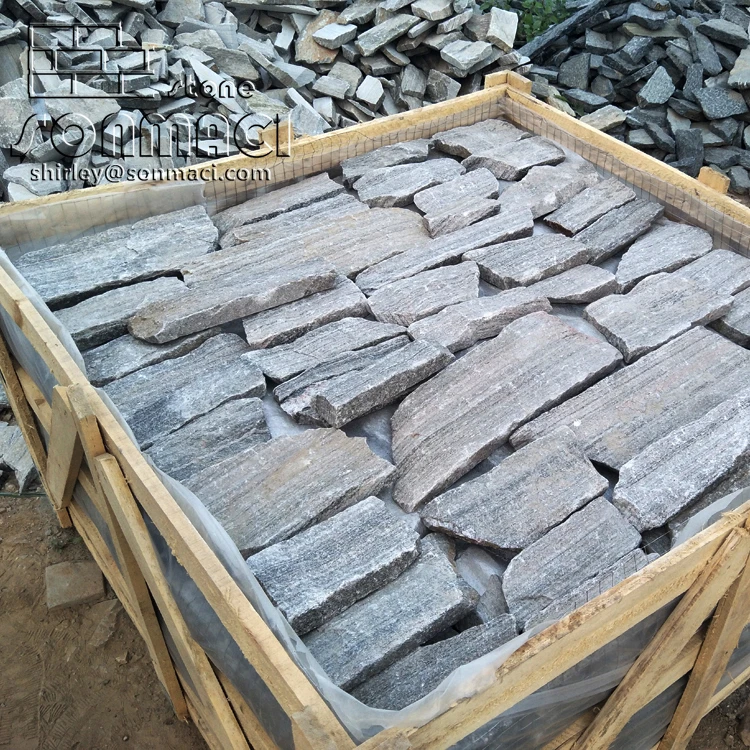
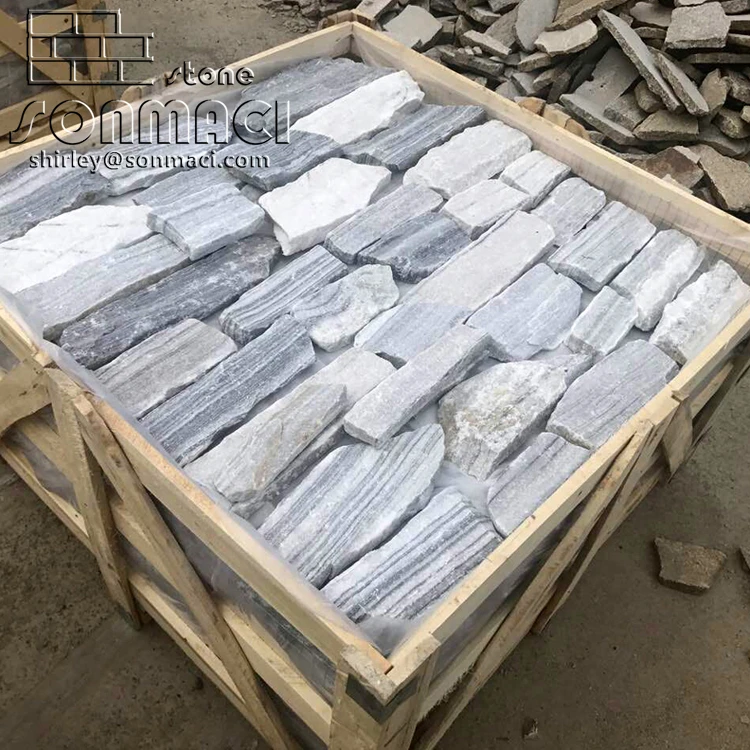
Utilizing free form stone to create organic, river-like textures that complement traditional wooden architecture and Zen gardens.

02. Tokyo High-Rise Commercial Lobbies

Applying large-scale natural stone wall cladding to create an atmosphere of prestige and stability in luxury corporate headquarters.

03. Modern Residential Accent Walls

Integrating ledgestone into minimalist living rooms to provide a tactile contrast to white walls and polished concrete floors.

04. Public Infrastructure & Transit Hubs

Using high-durability builder stone for high-traffic areas in railway stations, ensuring longevity and ease of maintenance.

05. Luxury Onsen Spa Exteriors

Implementing moisture-resistant slate veneers to create a seamless transition between the interior healing spaces and the exterior natural environment.

Brand Story

Global Development Journey of Hebei Sonmacis Stone Co., Ltd.

Foundational Excellence

Established with a vision to bridge the gap between raw quarrying and architectural precision, focusing on the mastery of non-metallic mineral processing.

Technological Leap

Investing in Italian-made CNC machinery to achieve the micron-level precision required by high-end markets in Asia and Europe.

Global Market Expansion

Expanding our footprint into Japan, adapting our product lines to meet strict seismic and environmental regulations.

Sustainability Pivot

Implementing closed-loop water recycling and waste-reduction systems in our factories to ensure eco-friendly stone production.

Future Vision

Striving to be the global leader in lightweight natural stone veneers, solving the pain point of structural load vs. aesthetic luxury.

Comprehensive Stone Portfolio for Japan

A curated selection of natural stone veneers engineered for the Japanese climate and architectural style.

Frequently Asked Questions for the Japanese Market

Expert answers to technical and aesthetic queries regarding stone cladding.

How does natural slate stone veneer handle Japan's high humidity?

Our slate veneers are processed to have minimal water absorption rates, preventing mold and efflorescence even in the humid summers of Japan.

Is ledgestone safe for use in seismic-prone urban zones?

Yes, by utilizing thin-cut ledgestone and flexible high-bond adhesives, we significantly reduce the mass of the wall, making it safer during seismic events compared to full-bed masonry.

Can free form stone be installed on interior drywall?

Absolutely. Our free form stone is calibrated for lightweight installation, allowing it to be applied directly to reinforced drywall using professional-grade stone adhesive.

What is the maintenance requirement for natural stone wall cladding in cities?

In urban environments like Tokyo, we recommend a breathable silane-based sealer every 3-5 years to protect against pollution and atmospheric acidity.

How does builder stone differ from traditional masonry for commercial projects?

Builder stone offers a pre-cut, standardized format that drastically reduces installation time and labor costs while maintaining the authentic look of hand-laid stone.

Are there eco-friendly certifications for your stone processing?

Yes, we adhere to international environmental standards and provide documentation on sustainable quarrying practices to support your green building certifications.

Consult Our Stone Experts Today

Ready to elevate your project in Japan? Our technical team is available for custom consultations and material sampling.

Contact Us Now

If you are interested in our products, you can choose to leave your information here, and we will be in touch with you shortly.