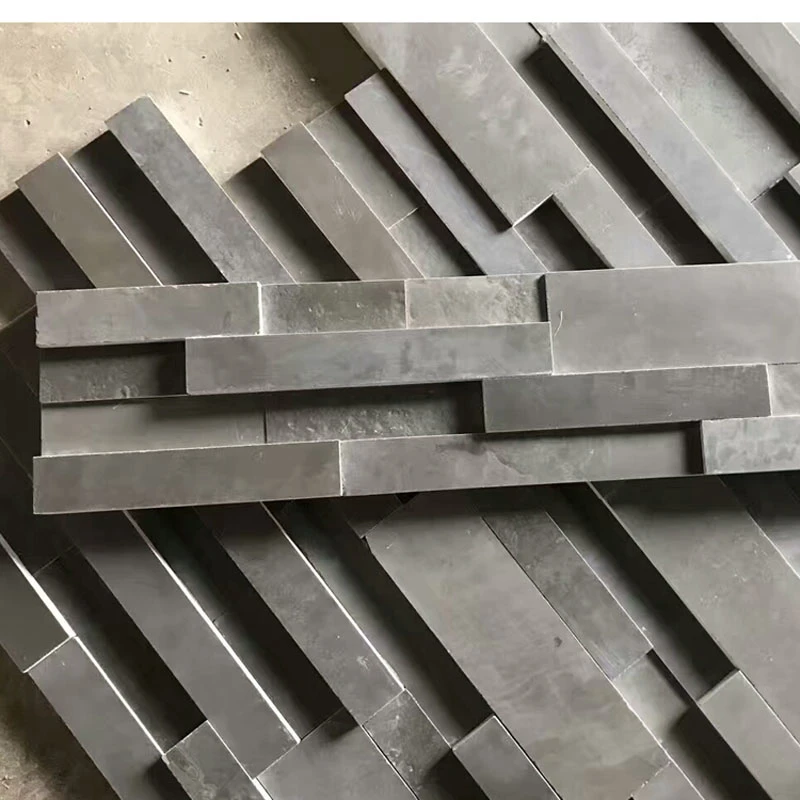
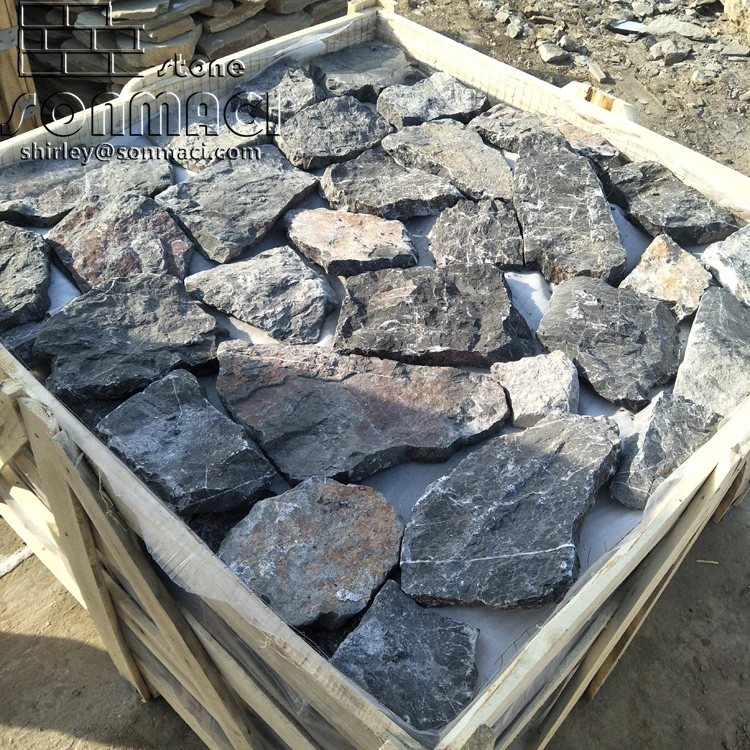
Premium Natural Slate Stone Veneer Solutions for Israel

Integrating geological durability with Mediterranean architectural elegance through advanced stone processing technology.

Premium Natural Slate Stone Veneer Solutions for Israel

Providing high-performance stone masonry solutions tailored for the unique climatic demands and aesthetic preferences of the Israeli construction market.

The State of Stone Processing in Israel

Analyzing the intersection of geological resources and urban development in the Levant.

In Israel, the architectural landscape is heavily influenced by the Mediterranean climate, where extreme heat and high salinity in coastal areas demand materials with exceptional thermal stability. The use of natural stone wall cladding has become a standard for luxury villas and public infrastructure to reduce heat absorption while maintaining a timeless aesthetic.

The local market is currently transitioning from heavy, full-bed stone masonry to lightweight, high-efficiency alternatives. This shift is driven by the need for faster installation cycles in rapidly expanding urban centers like Tel Aviv and Jerusalem, where ledgestone is increasingly preferred for its balance of rustic appeal and modern application speed.

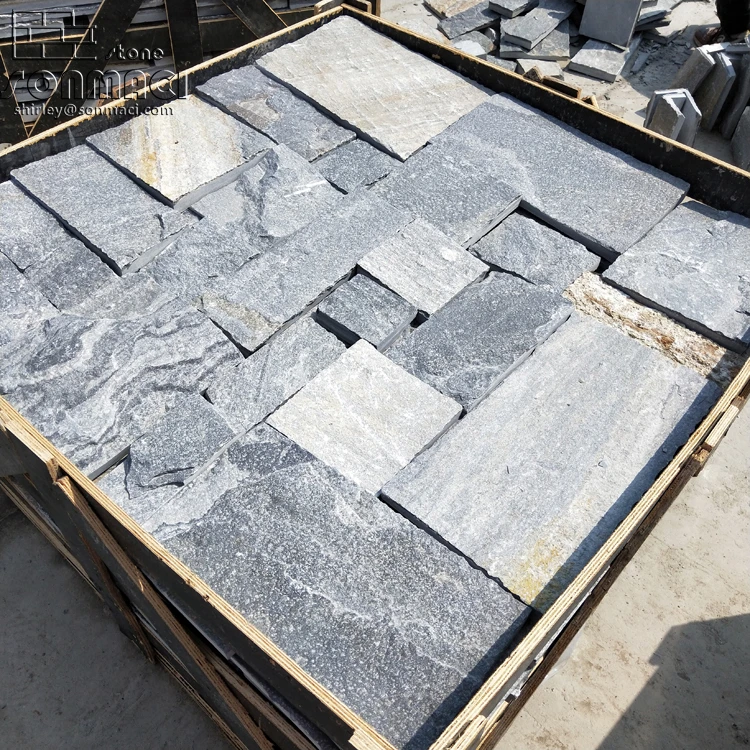
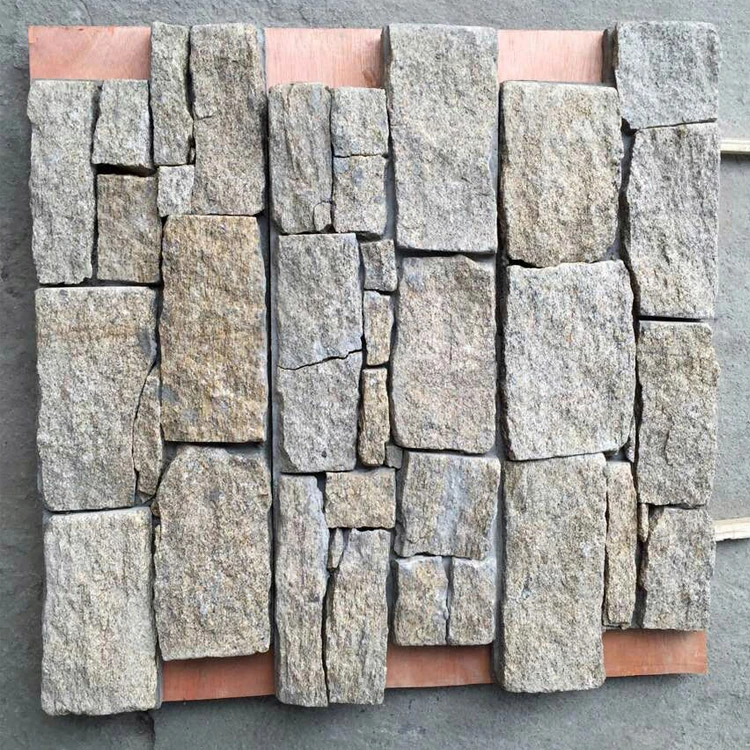
Furthermore, the demand for authentic textures has led to a surge in the import of specialized processed stones. The market now prioritizes materials that can withstand UV degradation and temperature fluctuations without cracking, making precision-cut builder stone a critical component in contemporary Israeli residential projects.
Evolution and Trajectory of Stone Processing

From traditional quarrying to precision-engineered architectural surfaces.

Market Development History

Historically, the Israeli stone industry relied on traditional hand-cutting methods using local limestone. Between 1980 and 2000, the introduction of basic mechanical saws allowed for more consistent slabs, but the industry still struggled with the weight and installation time of traditional masonry.

From 2000 to 2015, the "Veneer Revolution" occurred. The shift toward free form stone allowed architects to replicate organic patterns without the structural burden of full-thickness stone, utilizing improved adhesive technologies to ensure stability in seismic zones.

Since 2016, the integration of CNC precision cutting and automated polishing has enabled the production of ultra-thin yet durable surfaces. This technical iteration has optimized the logistics of importing premium materials into the region, reducing waste and improving installation precision.

Future Development Trends

Smart Thermal Regulation

Integration of nano-coatings on stone surfaces to further enhance the reflection of solar radiation, specifically tailored for the Israeli summer.

Sustainable Sourcing and Certification

A move toward LEED-certified stone processing, focusing on water recycling during the cutting process and carbon-neutral logistics.

Modular Prefabrication

Increased adoption of pre-assembled stone panels that combine cladding and insulation into a single unit for rapid deployment.

Industry Trends and Future Outlook

Navigating the future of non-metallic mineral processing in high-demand markets.

Eco-Efficient Processing
Transitioning to closed-loop water systems and dust-free cutting to meet stringent environmental regulations.
Weight Optimization
Development of ultra-lightweight stone veneers that reduce structural load and transport costs.
Digital Texture Mapping
Utilizing AI to predict stone vein continuity for seamless large-scale installations.
Advanced Weatherproofing
Creating stone composites that are impervious to the saline air of coastal Israel.

Industry Outlook

Based on Google Search trends for "sustainable luxury building" and "modern stone facades" in the Middle East, we expect a 15% increase in the demand for natural stone veneers over the next 3-5 years. The market is shifting away from artificial mimics toward authentic, processed natural minerals that offer both durability and prestige.

The convergence of BIM (Building Information Modeling) and stone processing will allow for millimeter-precise custom cuts, virtually eliminating on-site waste and reducing project timelines by up to 20%.

Localized Application Scenarios in Israel

Practical implementations of processed stone in diverse Israeli environments.

1. Tel Aviv Coastal Luxury Villas

Utilization of salt-resistant natural slate stone veneer for exterior accent walls to provide a sophisticated look that withstands humid, saline air.

2. Jerusalem Heritage-Style Renovations

Integrating builder stone in contemporary apartments to maintain the historical "Jerusalem stone" aesthetic while utilizing modern thin-set installation techniques.

3. Negev Desert Eco-Resorts

Applying free form stone for interior feature walls to create an organic transition between the indoor luxury space and the surrounding desert landscape.

4. Modern Office Hubs in Haifa

Implementation of large-scale natural stone wall cladding in corporate lobbies to project stability, professionalism, and a connection to natural elements.

5. Private Residential Gardens in the Galilee

Using ledgestone for retaining walls and outdoor fireplaces, blending the ruggedness of the northern hills with refined masonry.

Brand Story

Global Development Process of Hebei Sonmacis Stone Co., Ltd.

Foundation of Precision

Established with a vision to bridge the gap between raw mineral extraction and architectural precision, focusing on the core of stone processing.

Technological Breakthrough

Investment in automated CNC machinery allowed us to solve the pain point of inconsistent thickness in stone veneers, ensuring perfect alignment.

Global Market Expansion

Scaling operations to serve the Middle East, specifically adapting product specifications for the rigorous climatic conditions of Israel.

Sustainability Pivot

Implementing green manufacturing protocols to ensure that our stone processing minimizes environmental impact and waste.

Architectural Partnership

Transitioning from a supplier to a solution provider, collaborating with global architects to redefine the use of natural stone in modern cities.

Complete Stone Solutions for the Israeli Market

A curated selection of non-metallic mineral products engineered for durability and elegance.

Frequently Asked Questions for Israel Stone Projects

Expert answers to technical queries regarding stone processing and application.

How does natural slate stone veneer perform in coastal Israeli cities?

Our processed slate is treated for low porosity, making it highly resistant to salt spray and humidity common in cities like Tel Aviv, preventing efflorescence and degradation.

What is the installation advantage of ledgestone over traditional stone?

Ledgestone veneers are significantly lighter and come in pre-cut formats, reducing labor costs and installation time by up to 40% compared to full-bed masonry.

Can free form stone be used for structural load-bearing walls?

No, free form stone is designed as an architectural cladding. It should be applied to a structurally sound wall to provide the aesthetic of natural stone without the weight.

Which builder stone is best for heat insulation in the Negev region?

Light-colored, high-density processed builder stone is recommended as it reflects more sunlight and provides a natural thermal break for desert homes.

Is natural stone wall cladding suitable for seismic zones in Israel?

Yes, because our cladding is lightweight and applied with high-flexibility adhesives, it can absorb minor seismic vibrations better than heavy traditional stone.

How do I maintain natural slate stone veneer in high-traffic areas?

We recommend a breathable penetrating sealer applied every 2-3 years to protect against stains and UV exposure while allowing the stone to breathe.

Consult Our Stone Experts

Ready to elevate your architectural project in Israel with premium processed stone? Our technical team is here to help.

Contact Us Now

If you are interested in our products, you can choose to leave your information here, and we will be in touch with you shortly.