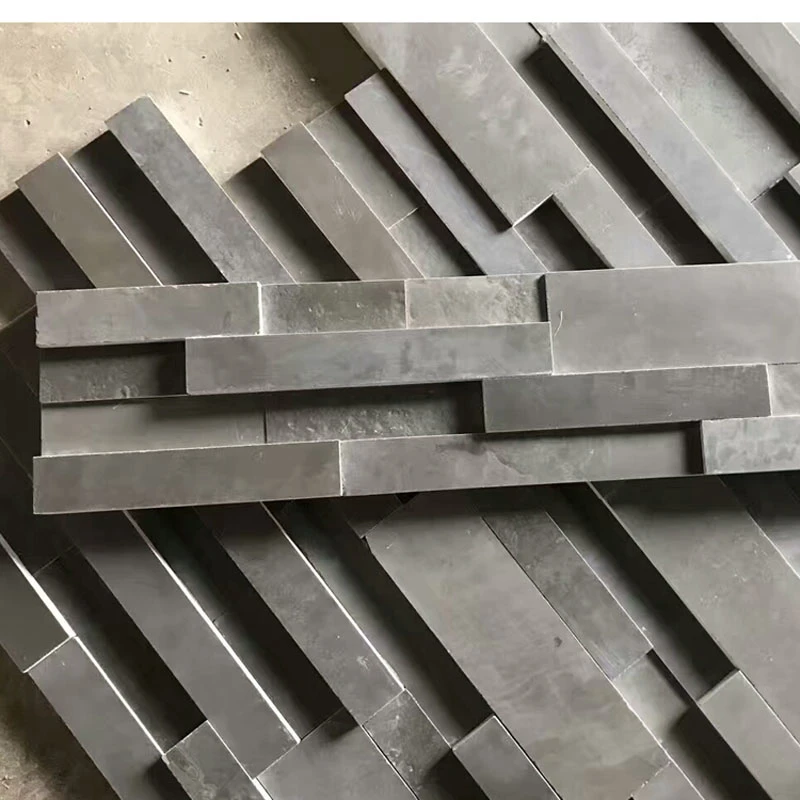
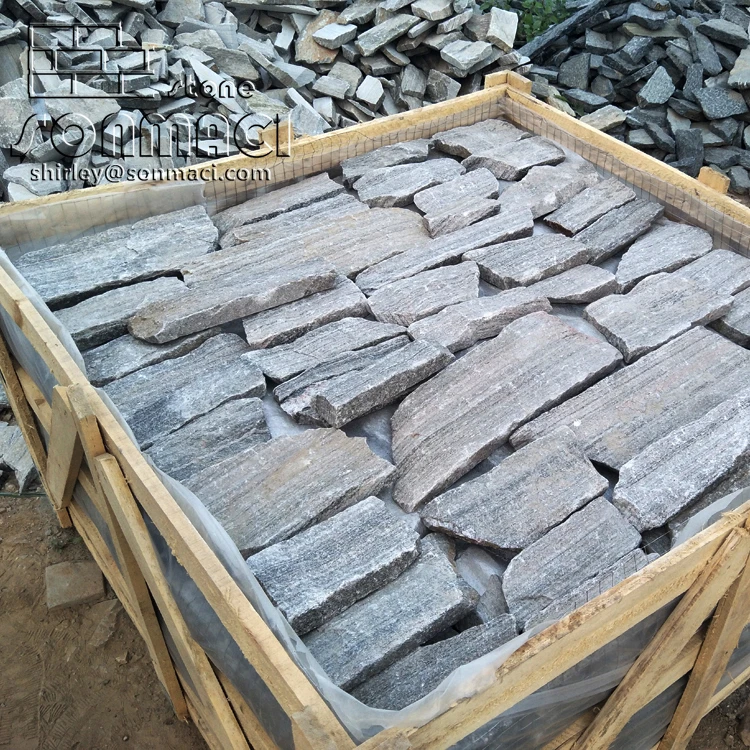
Premium Natural Slate Stone Veneer Solutions for Iran's Architecture

Integrating durable geological strength with modern aesthetics to redefine luxury stone masonry across the Iranian plateau.

Premium Natural Slate Stone Veneer Solutions for Iran's Architecture

Specialized non-metallic mineral processing providing high-end stone cladding tailored for the extreme temperature fluctuations and architectural heritage of Iran.

Current State of Stone Processing in Iran

Analyzing the intersection of abundant mineral resources and modern construction demands.

Iran possesses some of the world's most diverse mineral deposits, yet the transition from raw extraction to refined natural stone wall cladding has faced challenges in standardization. The local market is heavily influenced by the arid climate, requiring materials that resist thermal expansion and salt weathering.

Currently, there is a surging demand for builder stone in urban redevelopment projects in Tehran and Isfahan. Contractors are shifting away from heavy solid blocks toward lightweight veneer systems to reduce structural loads on aging foundations while maintaining a traditional stone aesthetic.

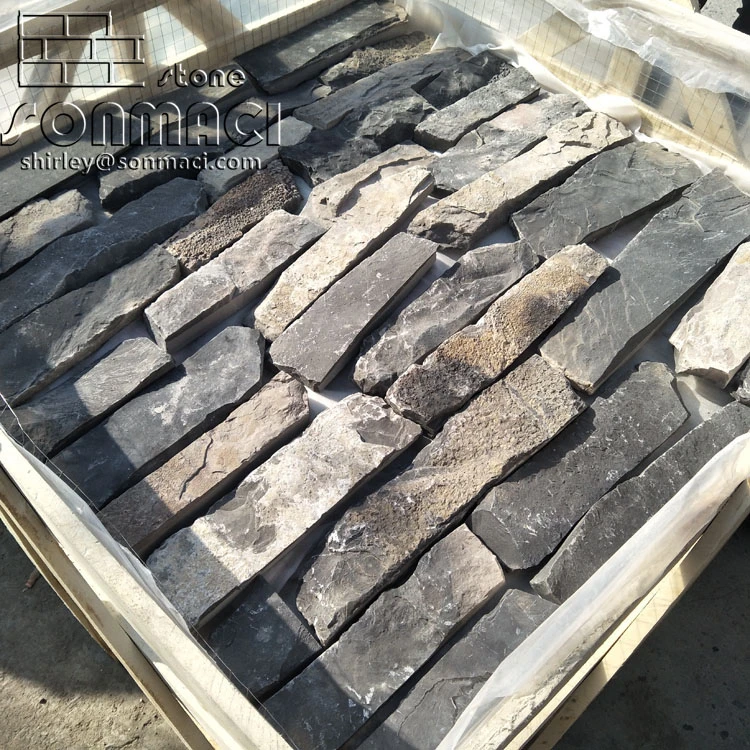
The industry is witnessing a shift toward precision cutting. While traditional hand-carving remains a cultural staple, the adoption of CNC technology for ledgestone production is allowing for faster installation cycles and tighter quality control in luxury residential developments.
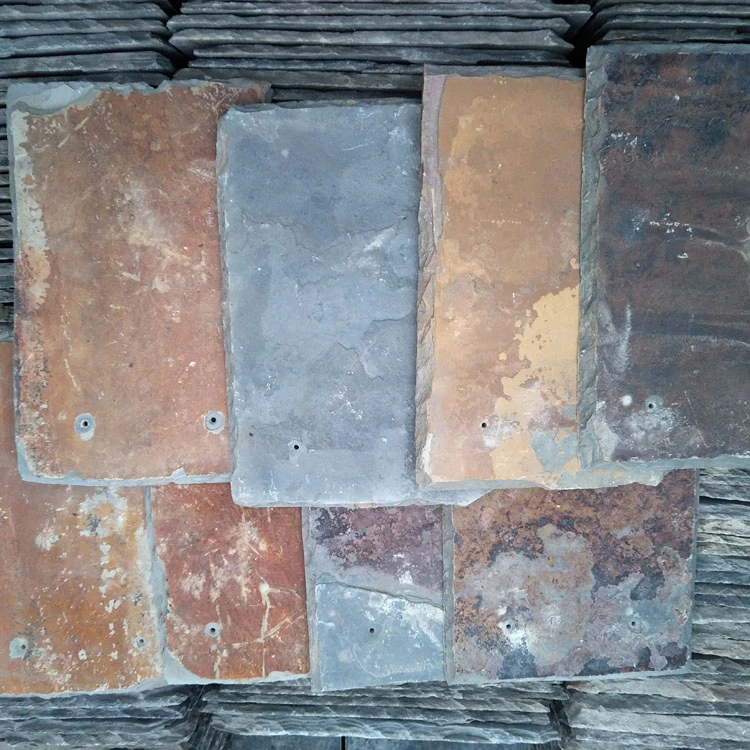
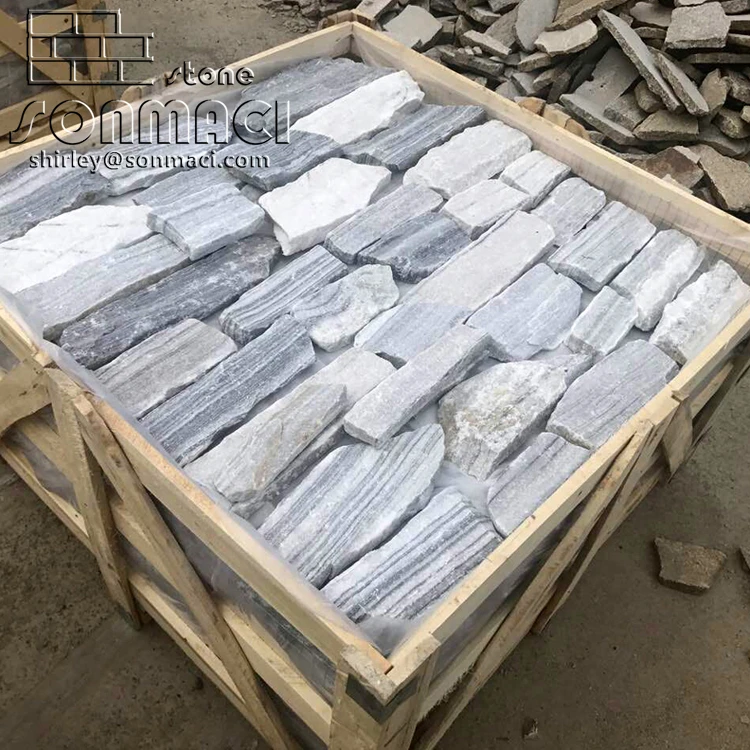
Evolution of Stone Processing Technology

From traditional quarrying to advanced precision engineering.

Market Development History

Between 1980 and 2000, the Iranian stone sector relied primarily on heavy machinery for block extraction, with limited focus on thin-profile veneers. Most exterior walls used thick, cumbersome slabs that required intensive labor and deep footings.

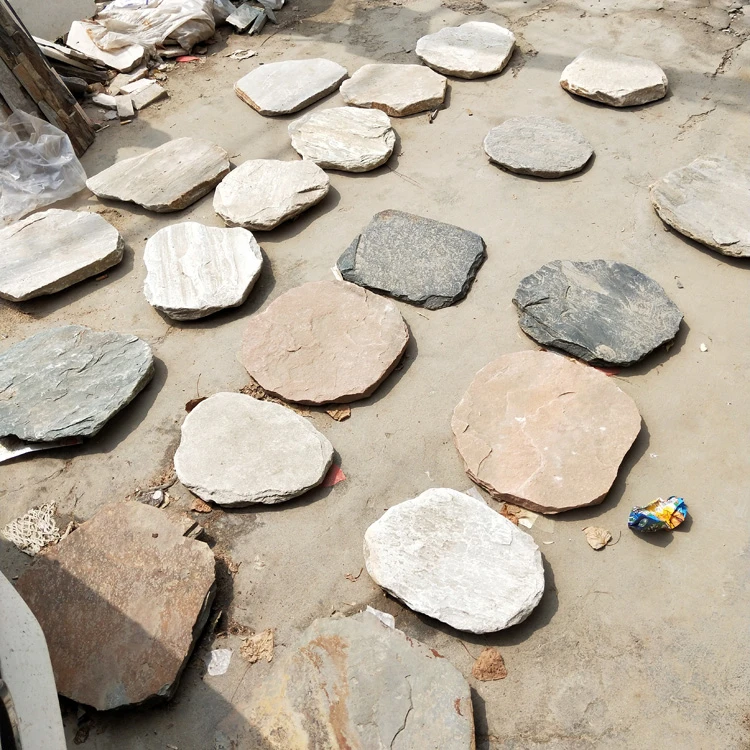
From 2005 to 2015, the introduction of diamond wire sawing and automated polishing lines enabled the mass production of free form stone. This era marked the transition toward "decorative cladding," where aesthetics began to outweigh purely structural needs.

Since 2018, the focus has shifted to sustainability and installation efficiency. The market has embraced vacuum-bonding and mechanical fixing systems, allowing for the seamless application of thin veneers across large-scale commercial facades.

Future Development Trends

Digital Twin Integration

The use of BIM (Building Information Modeling) will allow architects to simulate the exact placement of every piece of stone, reducing waste by up to 20% during the installation of irregular patterns.

Nano-Coating Protection

Future developments will see the integration of hydrophobic nano-coatings directly into the stone processing phase to prevent moisture penetration in high-humidity coastal regions of the south.

Eco-Friendly Extraction

A shift toward "Green Quarrying" is expected, utilizing water-recycling systems and solar-powered cutting plants to meet international ESG standards for exported stone products.

Industry Trends and Future Outlook

Forecasting the next 3-5 years of architectural stone innovation.

Lightweighting Trend
Increasing preference for ultra-thin veneers to reduce shipping costs and installation time in high-rise developments.
Custom Texture Design
Demand for bespoke split-face and brushed finishes to create contrasting tactile experiences in interior design.
Thermal Efficiency
Integrating stone veneers with high-performance insulation layers to combat Iran's extreme heat.
Sustainable Sourcing
Increasing preference for stones with low carbon footprints and certified ethical extraction methods.

Industry Outlook

Google search trends indicate a significant rise in queries related to "modern stone interiors" and "sustainable cladding" within the Middle East. This suggests a transition from traditional luxury to "functional luxury," where the stone's performance (durability, insulation) is as valued as its appearance.

We anticipate that the Iranian market will evolve into a hub for specialized stone processing, blending indigenous raw material superiority with imported precision technology to dominate the regional export market in Central Asia.

Localized Application Scenarios in Iran

Practical implementations of stone processing for diverse Iranian environments.

1. Luxury Villa Facades in North Iran

Utilizing natural stone wall cladding to protect structures from high Caspian humidity while creating a seamless blend with the lush landscape.

2. High-End Commercial Interiors in Tehran

Implementing ledgestone as accent walls in corporate lobbies to convey strength, stability, and modern professionalism.

3. Traditional Courtyard Renovations in Yazd

Using free form stone to restore historical wind-tower bases, ensuring material compatibility with ancient clay and stone structures.

4. Modern Residential Fireplaces in Shiraz

Installing natural slate stone veneer around hearths for its superior heat resistance and sophisticated dark-tone aesthetic.

5. Retaining Walls for Highland Estates

Applying rugged builder stone for structural boundaries in mountainous regions, providing erosion control and rustic visual appeal.

Brand Story

Global Development Journey of Hebei Sonmacis Stone Co., Ltd.

Foundational Excellence

Established with a mission to bridge the gap between raw mineral extraction and architectural art, focusing on precision processing.

Technology Integration

Invested in advanced Italian cutting machinery to solve the industry pain point of inconsistent thickness in stone veneers.

Market Expansion

Expanded operations into the Middle Eastern market, tailoring products to survive the extreme thermal cycles of the Iranian plateau.

Quality Certification

Achieved international standards for non-metallic mineral products, ensuring every shipment meets rigorous E-E-A-T quality benchmarks.

Vision 2030

Leading the shift toward sustainable stone architecture by reducing waste and promoting recycled mineral components.

Comprehensive Stone Portfolio for the Iranian Market

A curated selection of durable and aesthetic stone solutions designed for regional climate resilience.

Common Questions for Stone Projects in Iran

Expert answers to technical challenges in stone installation and selection.

How does natural slate stone veneer handle high temperature fluctuations in Iran?

Our slate veneers are processed to have low thermal expansion coefficients, meaning they resist cracking during the extreme shift from hot days to cold nights typical of the Iranian interior.

What is the best adhesive for ledgestone installation in arid climates?

We recommend high-polymer modified thin-set mortars that offer extended open times to prevent the adhesive from drying too quickly in dry heat.

Can free form stone be used for exterior facades in humid northern regions?

Yes, provided a breathable moisture barrier is installed behind the stone to prevent capillary action from pulling humidity into the main wall structure.

How do I maintain natural stone wall cladding against dust accumulation?

A pH-neutral stone cleaner and a periodic application of a silane-based sealer are recommended to prevent fine desert dust from penetrating the stone pores.

Is builder stone more cost-effective than traditional solid masonry for new builds?

Absolutely. By reducing the depth of the stone, you significantly lower material costs and labor time while achieving the same structural appearance.

What are the lead times for custom stone veneer orders shipped to Iran?

Depending on the volume and customization level, production typically takes 15-30 days, followed by optimized logistics routing to major Iranian ports.

Consult Our Stone Experts Today

Ready to elevate your architectural project in Iran with premium mineral solutions? Our engineers are here to help you select the perfect material.

Contact Us Now

If you are interested in our products, you can choose to leave your information here, and we will be in touch with you shortly.