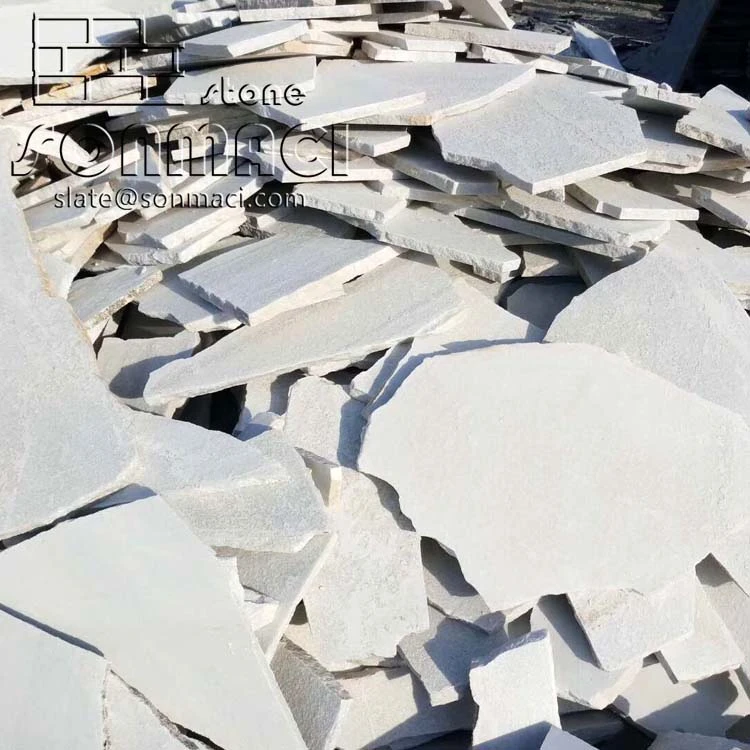
Premium Natural Slate Stone Veneer Solutions for German Architecture

Integrating durability and timeless aesthetics into Germany's modern and traditional building landscapes with precision-engineered stone cladding.

Premium Natural Slate Stone Veneer Solutions for German Architecture

Elevating German structural designs with high-performance stone processing, focusing on the seamless integration of natural textures and strict European building standards.

The State of Stone Masonry in Germany

Analyzing the synergy between German engineering precision and natural stone aesthetics.

In the German market, the demand for natural stone wall cladding is driven by a cultural preference for "Beständigkeit" (permanence). Given Germany's temperate maritime climate with significant freeze-thaw cycles, materials must possess extremely low water absorption and high frost resistance to prevent spalling.

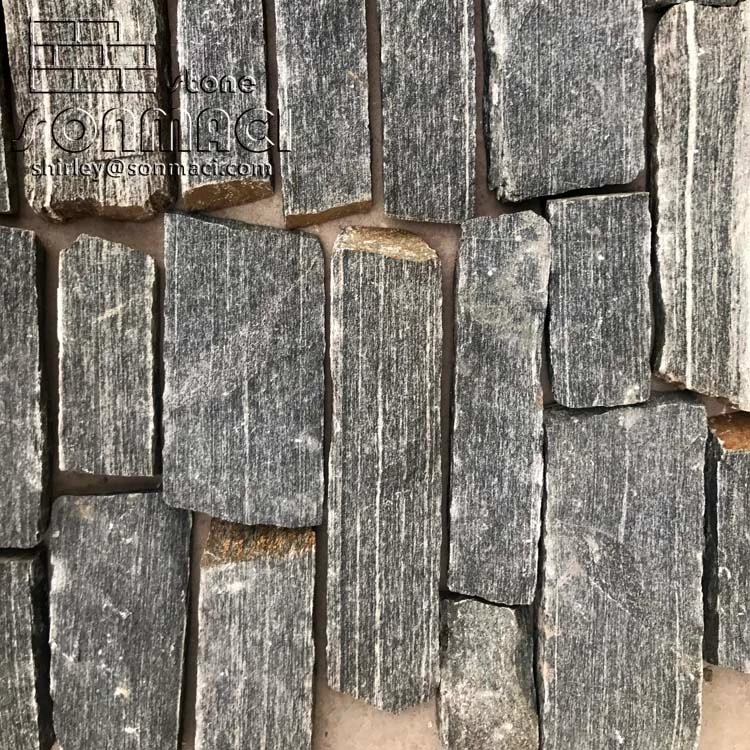
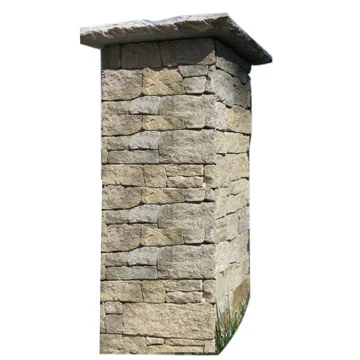
Architects in regions like Bavaria and North Rhine-Westphalia are increasingly shifting toward lightweight alternatives. The traditional heavy masonry is being replaced by ledgestone systems that offer the visual weight of ancestral castles but with reduced structural load, meeting strict DIN standards for safety and insulation.

Economically, the German industry is characterized by a move toward sustainable procurement. There is a strong trend toward sourcing stones that minimize carbon footprints during transport, leading to a surge in the use of precision-cut builder stone that optimizes material usage and reduces on-site waste.
Evolution of Stone Processing Technology

From traditional hand-splitting to AI-driven precision cutting.

Market Development History

Historically, German stone processing relied on manual quarrying and artisanal splitting. Until the late 20th century, free form stone was primarily shaped by hand, resulting in high variability and labor-intensive installation processes in residential villas.

Between 2000 and 2015, the industry underwent a "Mechanization Wave." The introduction of CNC bridge saws and water-jet cutting allowed for the mass production of standardized veneers, transforming the application of stone from luxury accents to widespread commercial facade cladding.

Since 2018, the focus has shifted to "Thin-Layer Engineering." The development of vacuum-bonding and advanced resin-backing technologies has enabled the creation of ultra-thin veneers that maintain the integrity of the natural stone face while drastically reducing shipping weights.

Future Development Trends

Digital Twin Integration

Integration of BIM (Building Information Modeling) will allow German contractors to simulate the exact placement of every piece of stone before the first cut is made, eliminating errors.

Eco-Certified Sourcing

Increased regulatory pressure from the EU Green Deal will drive a shift toward 100% traceable and carbon-neutral stone processing facilities.

Smart Surface Coatings

Development of nano-coatings that provide self-cleaning properties, specifically designed to combat the urban pollution found in cities like Berlin and Frankfurt.

Strategic Outlook for German Stone Cladding

Predicting the shift in material preference and installation logic for 2025-2030.

Modularized Installation
Transitioning toward pre-assembled stone panels to reduce on-site labor costs and installation time in high-wage German markets.
Thermal Performance
Developing ventilated facade systems that combine stone veneer with advanced insulation to meet GEGE (German Energy Saving) laws.
Hyper-Realistic Textures
Leveraging 3D scanning to replicate rare geological formations into standardized veneer products for luxury hotels.
Circular Economy
Developing adhesive systems that allow for easy removal and recycling of stone cladding at the end of a building's lifecycle.

Industry Outlook

Based on Google search trends in Europe, "sustainable building materials" and "low-maintenance facades" are peaking. We expect a significant pivot toward stones that offer an organic look but require zero chemical sealing, aligning with the German "Green Building" movement.

The future of stone processing in Germany will be defined by the intersection of artisanal quality and industrial automation, ensuring that natural beauty is delivered with millimeter precision and environmental accountability.

Localized Application Scenarios in Germany

Practical implementations of architectural stone processing in diverse German environments.

1. Alpine Chalet Renovations in Bavaria

Using ledgestone to create rustic yet refined exterior walls that blend seamlessly with the mountain landscape while providing thermal mass.

2. Modernist Loft Facades in Berlin

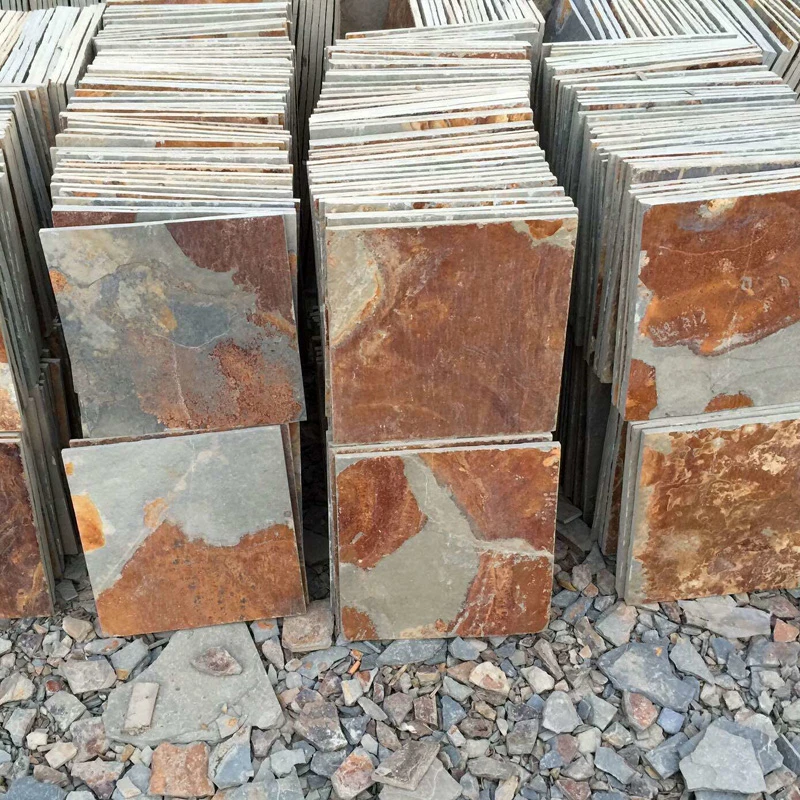
Implementing natural slate stone veneer for industrial-chic interiors, combining a minimalist gray palette with high-durability surfaces.

3. Luxury Commercial Plazas in Frankfurt

Applying large-scale natural stone wall cladding to corporate headquarters to project stability, prestige, and environmental consciousness.

4. Traditional Courtyard Restoration in Hamburg

Integrating builder stone into heritage restoration projects to maintain the historical aesthetic of Northern German brick and stone architecture.

5. Zen-Inspired Garden Walls in Munich

Utilizing free form stone for organic, flowing landscape boundaries that emphasize a connection between nature and residential living.

Brand Story

Global Development Journey of Hebei Sonmacis Stone Co., Ltd.

Foundation of Excellence

Established with a vision to bridge the gap between raw geological beauty and industrial precision, focusing on solving the fragility and weight issues of traditional stone.

Technological Breakthrough

Invested in advanced thin-cut processing technology, allowing us to produce veneers that maintain the structural characteristics of solid stone with a fraction of the weight.

European Market Integration

Adapted our production lines to meet the rigorous DIN and CE standards of Germany, ensuring every slab is frost-resistant and environmentally safe.

Sustainable Expansion

Implemented a closed-loop water recycling system in our factories, reducing the environmental impact of stone cutting and polishing.

Global Leadership

Today, we stand as a leading provider of architectural stone, delivering precision-engineered natural surfaces to the most demanding projects in Europe.

Complete Stone Solutions for the German Market

A curated portfolio of non-metallic mineral products designed for durability, aesthetics, and European regulatory compliance.

Frequently Asked Questions for Germany

Expert answers to common technical and logistical queries regarding stone installation in Germany.

How does natural slate stone veneer handle German winter frosts?

Our products undergo rigorous freeze-thaw testing. The natural slate stone veneer is processed to have extremely low porosity, preventing water ingress and subsequent cracking during freezing cycles typical of German winters.

Is ledgestone suitable for interior load-bearing walls in Berlin apartments?

Yes, because our ledgestone is available as a lightweight veneer, it adds minimal structural load compared to full-depth stone, making it ideal for urban renovations where weight limits are strict.

What is the difference between free form stone and builder stone in installation?

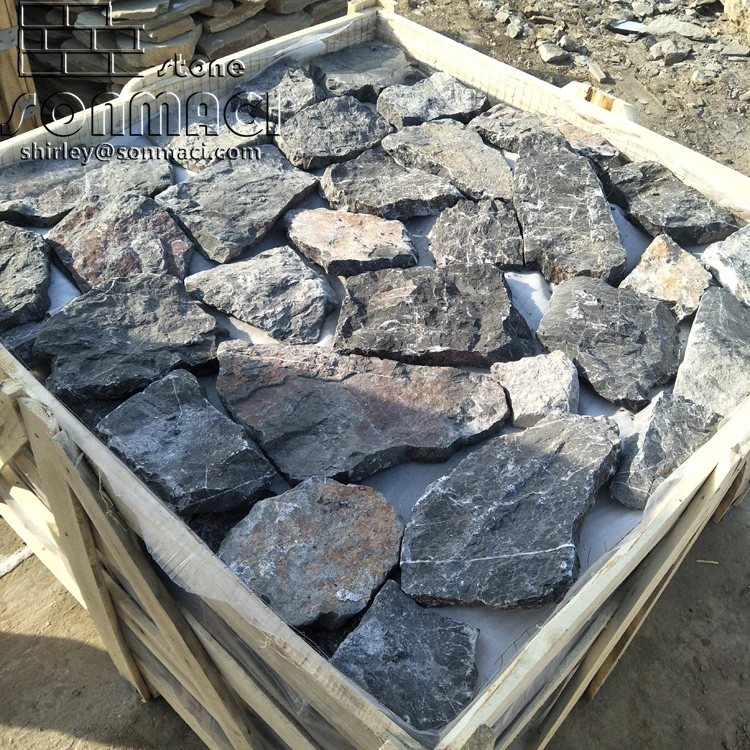
Free form stone offers an organic, puzzle-like layout requiring artisanal fitting, whereas builder stone is typically more rectangular and standardized for faster, more linear installation patterns.

Does natural stone wall cladding meet EU energy efficiency standards?

When installed as part of a ventilated facade system, our cladding helps reduce thermal bridging and protects the inner insulation layer, contributing to the overall energy efficiency of the building.

What maintenance is required for slate veneers in humid regions like Hamburg?

Slate is naturally water-resistant. For humid climates, we recommend a breathable hydrophobic sealant every 5-10 years to prevent algae growth and maintain color vibrancy.

Can these stone products be used for commercial flooring in Munich?

While veneers are designed for walls, we provide corresponding full-thickness stone slabs for flooring that match the aesthetic of our wall cladding for a cohesive design.

Consult with our Stone Experts

Ready to elevate your next architectural project in Germany? Our technical team is available to provide material specifications and logistics planning tailored to the German market.

Contact Us Now

If you are interested in our products, you can choose to leave your information here, and we will be in touch with you shortly.