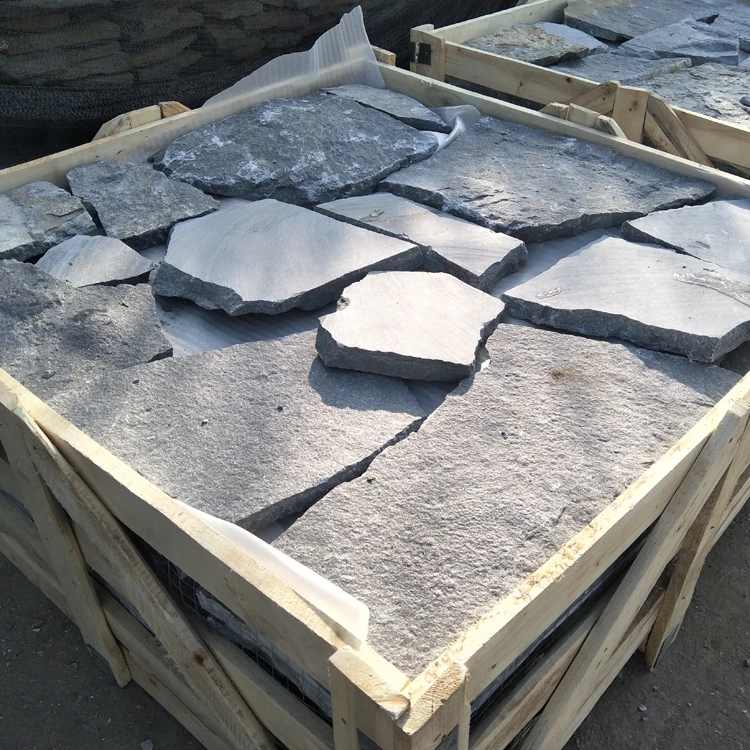
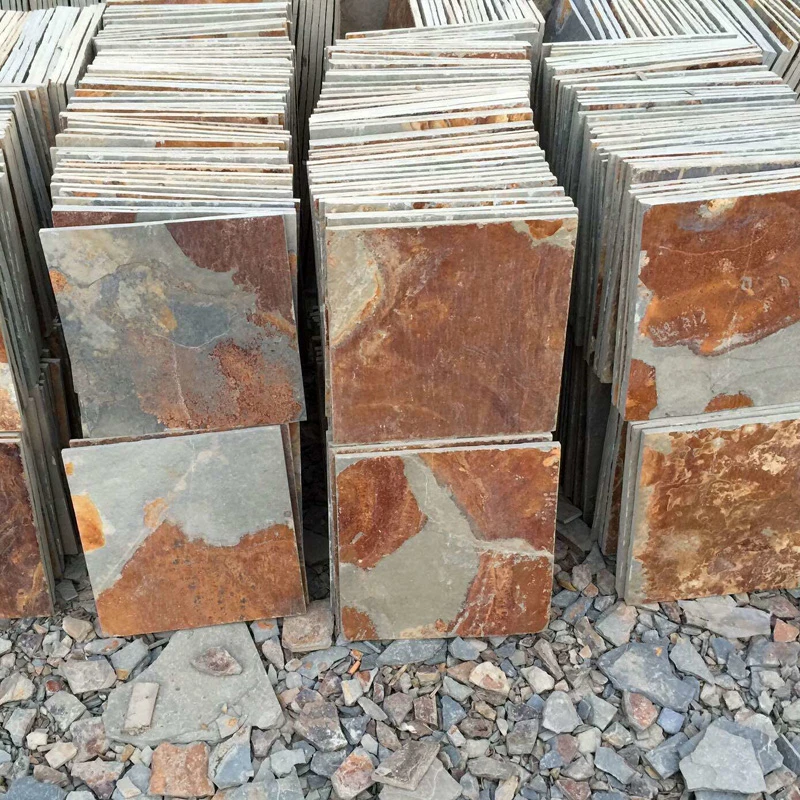
Premium Natural Slate Stone Veneer Solutions for France

Elevating French architectural heritage with precision-cut stone cladding and sustainable mineral processing expertise.

Premium Natural Slate Stone Veneer Solutions for France

Providing high-performance natural stone wall cladding tailored to the rigorous climate and aesthetic standards of the French construction market.

The Landscape of Stone Processing in France

Analyzing the intersection of geological heritage and modern building requirements.

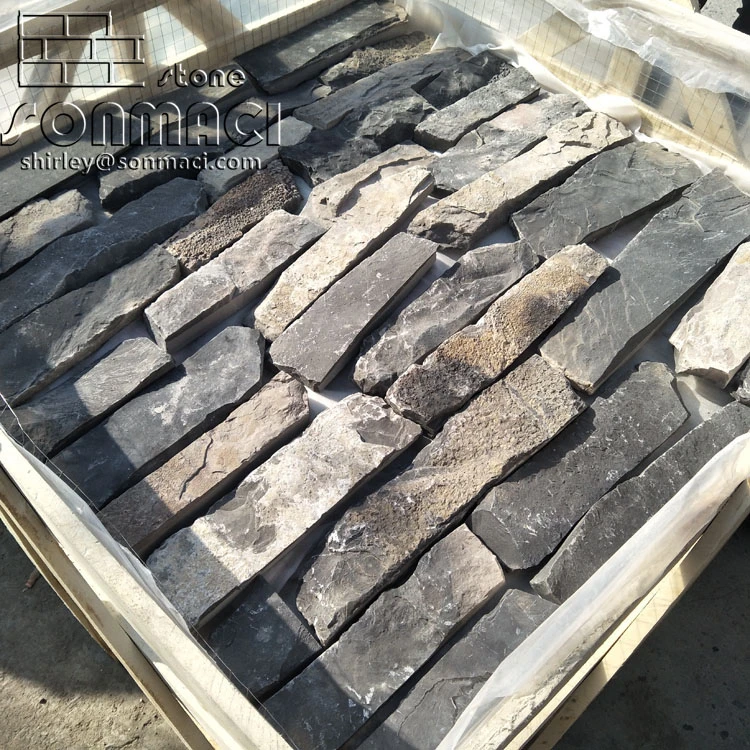
France possesses a rich tradition of stone masonry, from the limestone of Paris to the granite of Brittany. However, the contemporary market is shifting toward lightweight, easy-to-install options like builder stone to reduce structural load and labor costs in urban renovation projects.

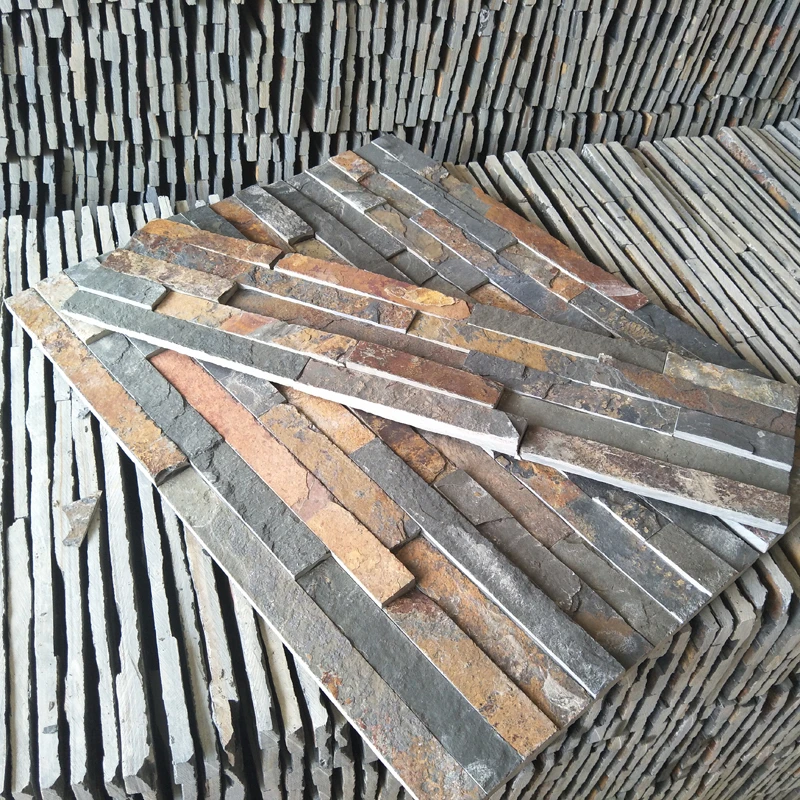
The climatic diversity of the region, ranging from the humid Atlantic coast to the alpine heights, demands materials with high freeze-thaw resistance. Consequently, there is a growing demand for precision-engineered ledgestone that maintains its structural integrity against drastic temperature fluctuations.

Economic trends in France now emphasize ecological certifications (HQE - Haute Qualité Environnementale). This has pushed the industry toward sustainable extraction and processed veneers that minimize waste while delivering the authentic look of traditional French chateaus.
Evolution of Stone Cladding Technology

From traditional heavy masonry to precision-engineered thin veneers.

Market Development History

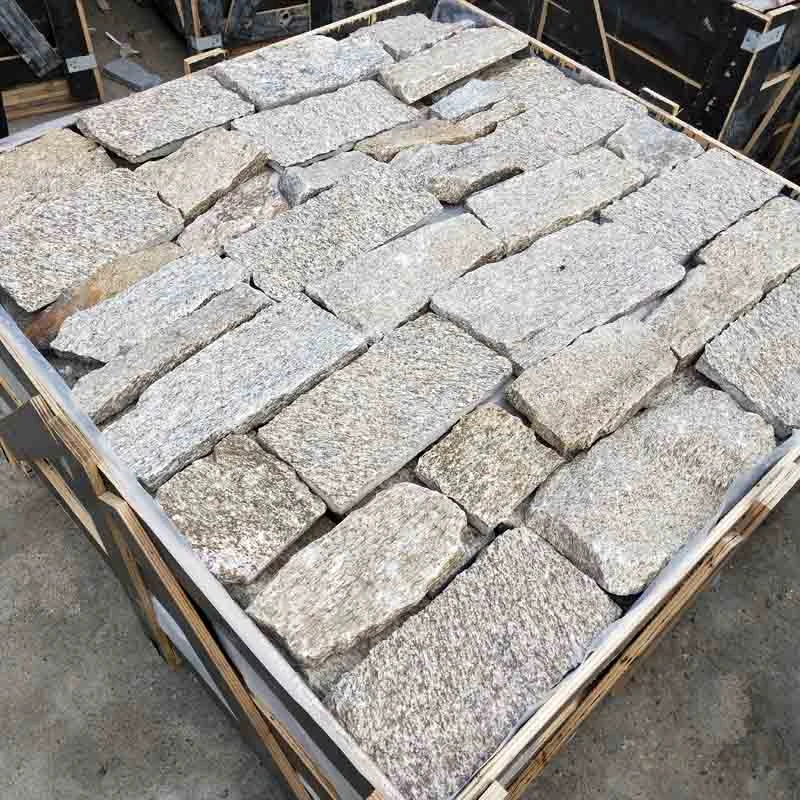
Prior to the 1990s, the French market relied heavily on full-bed stone masonry, which was time-consuming and required specialized artisans for every installation.

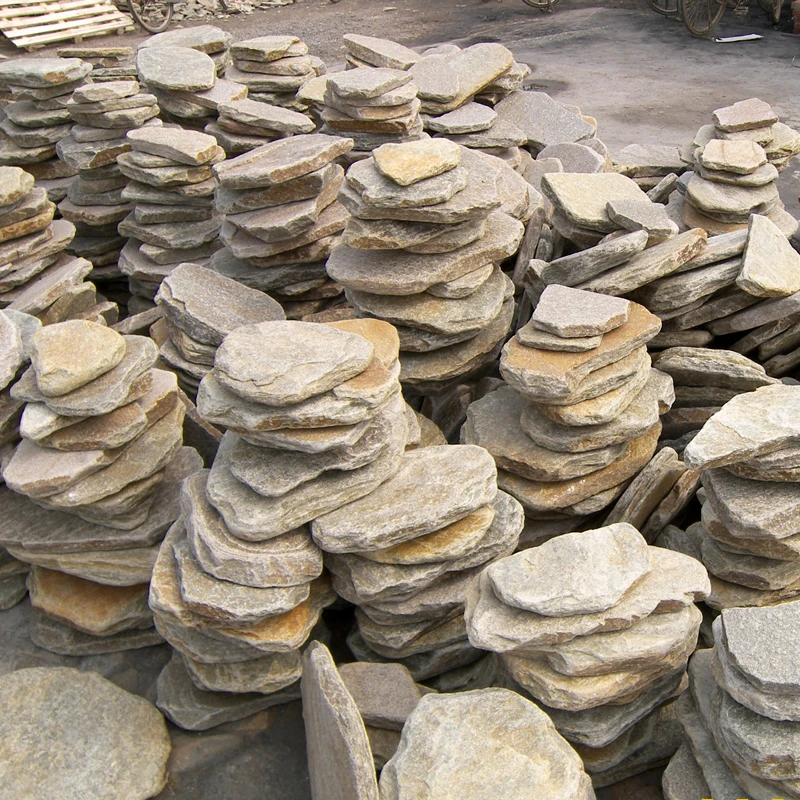
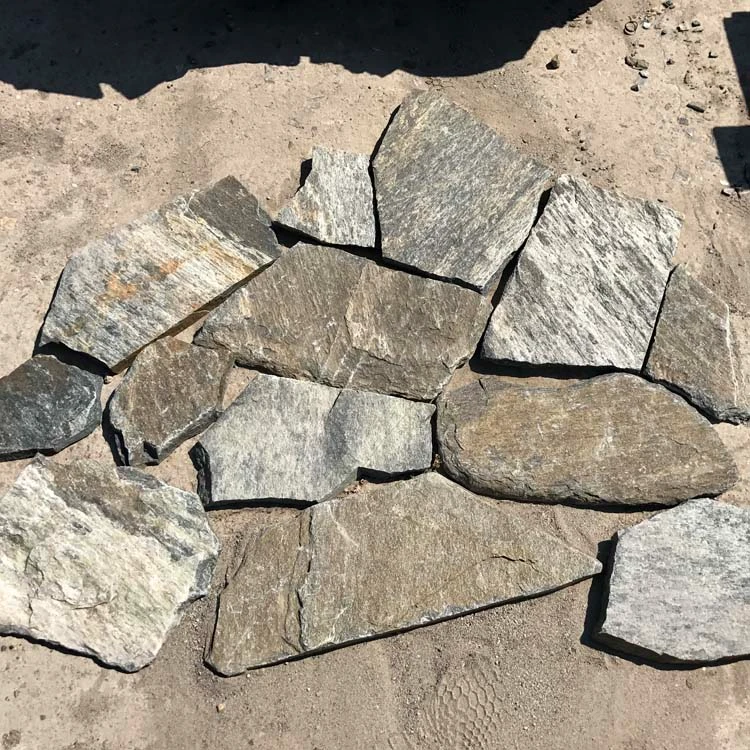
Between 2000 and 2015, the introduction of saw-cut techniques allowed for the rise of free form stone, enabling architects to achieve a more organic, rustic appearance without the weight of traditional blocks.

From 2016 to the present, the integration of CNC precision cutting and advanced bonding agents has perfected the "thin-cut" era, making luxury stone accessible for interior residential cladding across Europe.

Future Development Trends

Digital Texture Mapping

Integration of BIM (Building Information Modeling) to allow architects to visualize the exact layout of stone veneers before installation.

Eco-Friendly Bonding Systems

Shift toward VOC-free, bio-based adhesives to meet strict European environmental regulations for indoor air quality.

Modular Interlocking Systems

Development of "dry-stack" style interlocking veneers that eliminate the need for traditional mortar, speeding up construction cycles.

Industry Trends and Future Outlook

Driving the future of non-metallic mineral products through innovation.

Sustainability First
Transitioning to carbon-neutral quarrying and recycling stone waste into composite panels.
Precision Automation
Utilizing robotic arms and laser-guided cutting to ensure millimeter-perfect veneer thickness.
Lightweighting
Reducing the weight of wall cladding by 60% through advanced honeycomb backing technologies.
Thermal Efficiency
Integrating stone veneers with thermal break systems to improve building insulation in cold regions.

Industry Outlook

Based on Google search trends for "sustainable architecture" and "natural stone interiors" in France, there is a clear trajectory toward "biophilic design." This means stone processing must shift from purely industrial outputs to products that mimic the raw, untouched beauty of nature.

The next 3-5 years will see a surge in demand for hybrid materials—combining the aesthetic of natural stone with the performance of engineered composites—to meet the strict energy efficiency targets set by the EU.

Localized Application Scenarios in France

Practical implementations of architectural stone across diverse French environments.

1. Parisian Apartment Renovations

Utilizing thin-cut stone veneers to create feature walls in Haussmann-style apartments where floor load limits prevent traditional masonry.

2. Provence Vineyard Estates

Applying rustic-cut stone to exterior facades to blend seamlessly with the Mediterranean landscape and traditional farmhouse aesthetics.

3. Loire Valley Boutique Hotels

Integrating high-end stone cladding in lobbies and spas to evoke the timeless luxury of the region's historic chateaus.

4. Alpine Chalet Exteriors

Installing frost-resistant stone wall cladding that can withstand extreme snowfall and freeze-thaw cycles in the French Alps.

5. Modern Commercial Hubs in Lyon

Employing sleek, contemporary stone patterns for corporate building exteriors to balance industrial modernity with natural elements.

Brand Story

Global Development History of Hebei Sonmaci Stone Co., Ltd.

Foundational Excellence

Established with a vision to bridge the gap between raw mineral extraction and high-end architectural art.

Technological Leap

Invested in Italian precision cutting machinery to master the art of ultra-thin stone veneers.

European Expansion

Entered the French market by aligning production standards with EU environmental and safety certifications.

Innovation Leadership

Developed a proprietary bonding system that solves the common pain point of veneer detachment in humid climates.

Sustainable Future

Committing to 100% traceable stone sourcing and zero-waste manufacturing processes.

Complete Stone Portfolio for the French Market

A curated selection of mineral products designed for durability and elegance.

Common Questions in France

Expert answers to technical queries regarding architectural stone processing.

How does natural slate stone veneer compare to traditional slate in terms of installation?

Veneers are significantly thinner and lighter, allowing for installation using high-strength adhesives rather than heavy mortar, reducing installation time by up to 50%.

Is builder stone suitable for exterior use in the humid climate of Northern France?

Yes, provided the stone is treated with a breathable hydrophobic sealer to prevent moisture ingress and efflorescence.

What is the best way to maintain natural stone wall cladding in urban areas?

We recommend periodic cleaning with pH-neutral detergents and a re-application of sealant every 3-5 years to protect against urban pollution.

Can ledgestone be used for interior fireplaces in residential homes?

Absolutely. Ledgestone is naturally heat-resistant, but we recommend using high-temperature mortar for installations directly adjacent to fireboxes.

What makes free form stone more aesthetically appealing for landscape projects?

Free form stone mimics the irregular patterns of naturally occurring rock outcrops, creating a more organic transition between architecture and nature.

Are your stone products compliant with French environmental building codes?

Yes, our processing methods adhere to strict EU standards, ensuring low carbon emissions and the use of non-toxic mineral binders.

Consult Our Stone Experts

Get professional technical guidance for your architectural projects in France.

Contact Us Now

If you are interested in our products, you can choose to leave your information here, and we will be in touch with you shortly.