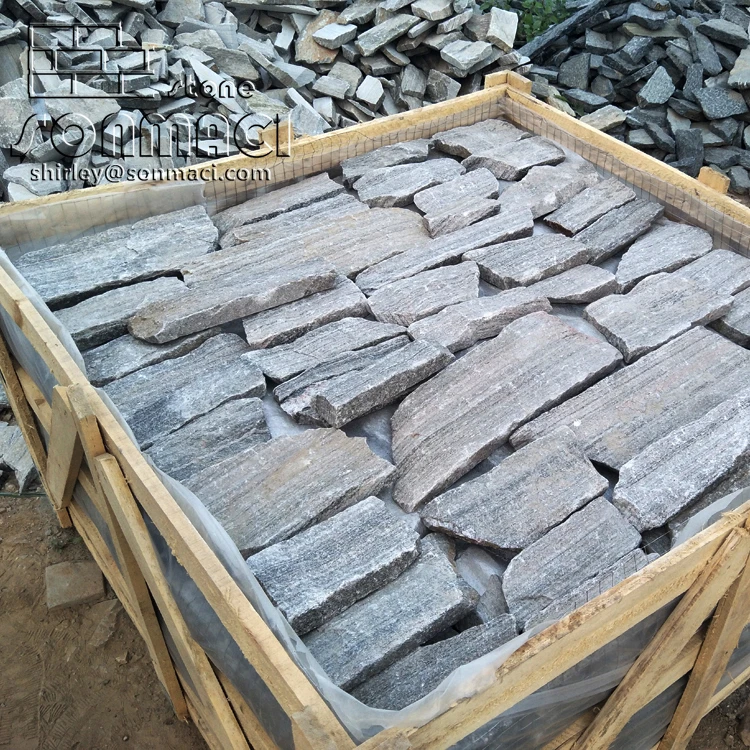
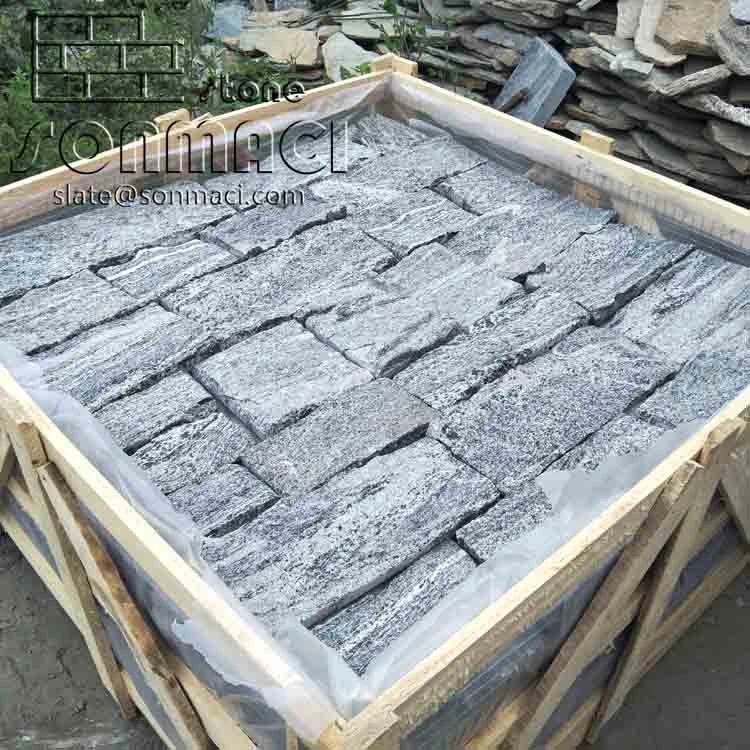
Premium Natural Slate Stone Veneer Solutions for Ethiopia's Architecture

Elevating Ethiopian construction with durable, high-precision processed stone cladding designed for the unique highlands and urban landscapes of Addis Ababa.

Premium Natural Slate Stone Veneer Solutions for Ethiopia's Architecture

Integrating geological durability with modern aesthetics to provide Ethiopia's booming real estate sector with world-class stone processing expertise.

The State of Stone Processing in Ethiopia

Analyzing the intersection of raw mineral wealth and modern architectural demand.

Ethiopia possesses vast untapped non-metallic mineral reserves, yet the local processing industry has historically relied on rudimentary cutting techniques. In the current market, there is a surging demand for natural stone wall cladding as Addis Ababa undergoes rapid vertical urbanization and the hospitality sector expands.

The Ethiopian climate, characterized by distinct wet and dry seasons, demands materials with low porosity and high thermal stability. While local quarrying is active, the lack of high-precision calibration often leads to installation inefficiencies, making imported, precision-cut ledgestone increasingly popular for luxury villas and government buildings.

Economically, the shift toward "Green Building" certifications in East Africa is pushing developers away from synthetic alternatives and toward sustainable, natural minerals. This has created a gap for professional stone processing that combines traditional aesthetics with industrial-grade precision.
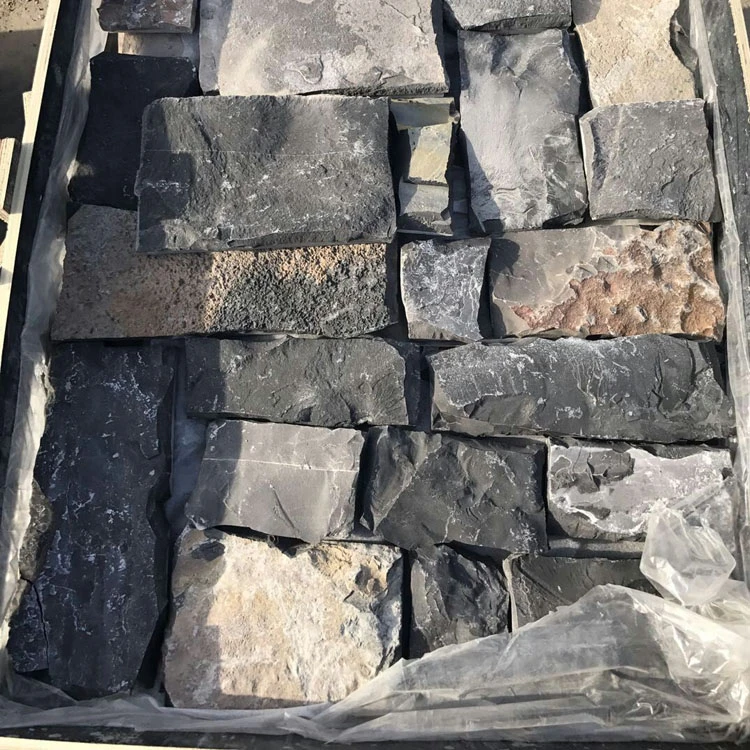
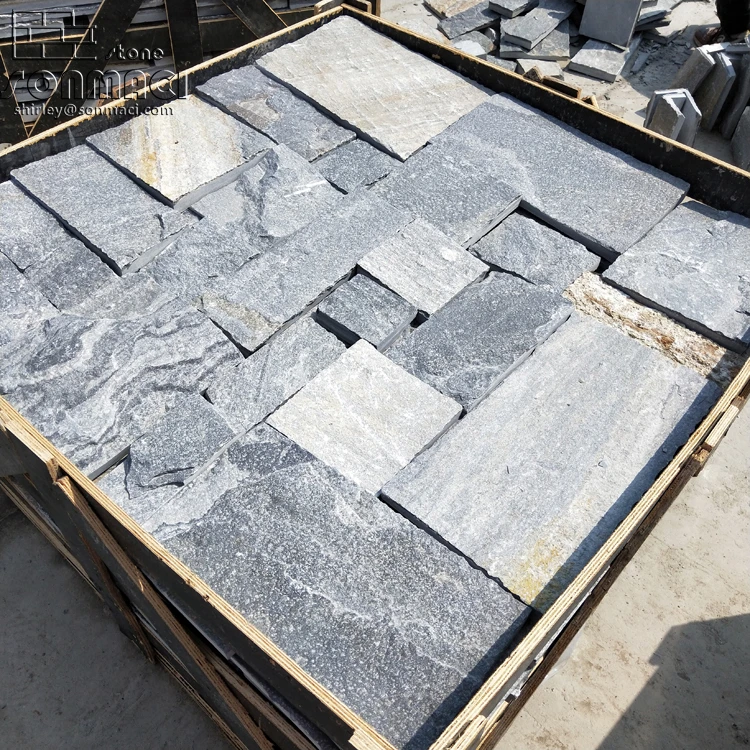
Evolution of Stone Processing in Ethiopia

From artisanal masonry to industrial CNC precision.

Market Development History

From 1990 to 2010, the Ethiopian stone market was dominated by hand-hewn blocks and basic rubble masonry. Architecture primarily utilized thick, heavy stones that limited the height and design flexibility of commercial structures.

Between 2011 and 2020, the introduction of basic mechanical saws allowed for the emergence of builder stone with more consistent dimensions. This era saw the transition from structural stone to decorative facade applications in urban centers.

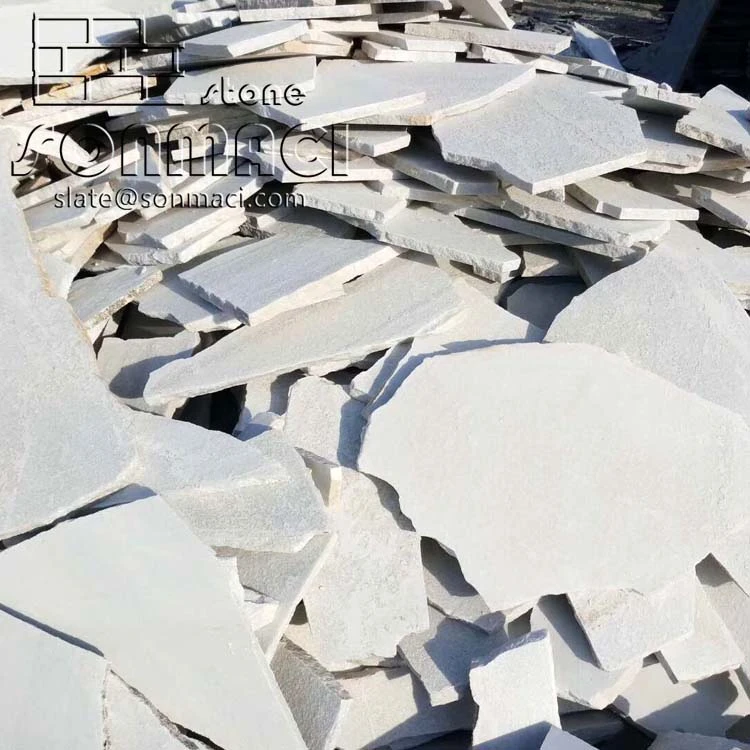
Since 2021, the market has entered the "Thin-Layer Era." The adoption of diamond-wire cutting and CNC polishing has enabled the use of free form stone, allowing architects to create organic, fluid textures without the structural weight of traditional masonry.

Future Development Trends

Ultra-Thin Veneer Integration

The industry is moving toward 5-10mm ultra-thin slices to reduce logistics costs and installation time in high-rise developments.

Sustainable Quarrying Tech

Implementation of water-recycling systems in stone cutting to comply with emerging Ethiopian environmental regulations.

Modular Installation Systems

A shift from mortar-based fixing to dry-hanging mechanical systems for improved seismic safety in the Rift Valley region.

Industry Trends and Future Outlook

Projecting the technological trajectory of Ethiopia's non-metallic mineral processing.

Precision CNC Calibration
Moving beyond manual cutting to micron-level precision for seamless wall cladding joints.
Digital Texture Mapping
Using AI to pre-sort stone patterns, reducing installation waste by 20%.
Eco-Friendly Sealants
Adopting VOC-free resins to protect stone surfaces from Ethiopia's volcanic dust.
Weight-Optimized Logistics
Optimizing packaging for safer transit across Ethiopia's complex terrain.

Industry Outlook

Based on Google search trends for "modern architecture Africa," there is a marked increase in queries regarding sustainable facade materials. In Ethiopia, we expect the adoption of natural stone to grow by 15% annually as the luxury residential market matures.

The future lies in the hybridization of local raw materials and international processing standards. By implementing advanced cutting technology, the industry will move from selling "raw stone" to selling "architectural systems."

Localized Application Scenarios in Ethiopia

Practical implementations of processed stone in the Ethiopian context.

1. Luxury Villas in Bole District

Using high-end ledgestone for exterior accent walls to create a contemporary Mediterranean-African fusion look that withstands high urban pollution.

2. Boutique Hotels in Lalibela

Integrating free form stone into interior lobbies to echo the region's monolithic rock-cut heritage while providing modern comfort.

3. Corporate Headquarters in Addis Ababa

Applying natural slate stone veneer for sleek, professional reception areas that signify stability and prestige.

4. Residential Boundary Walls in Bahir Dar

Utilizing durable builder stone for perimeter fencing that offers both security and an organic aesthetic blending with Lake Tana's scenery.

5. Government Administrative Centers

Implementing large-scale natural stone wall cladding to ensure long-term structural longevity and low maintenance costs for public infrastructure.

Brand Story

Global Development Journey of Hebei Sonmaci Stone Co., Ltd.

Foundational Excellence

Established with a mission to bridge the gap between raw mineral extraction and architectural art, focusing on precision cutting.

Technological Pivot

Investing in CNC and automated polishing lines to solve the industry pain point of inconsistent stone thickness.

Global Expansion

Extending our logistics network to East Africa, ensuring that premium stone reaches emerging markets like Ethiopia.

Sustainability Commitment

Implementing closed-loop water systems to reduce the environmental footprint of stone processing.

Architectural Partnership

Collaborating with international architects to redefine the boundaries of natural stone veneer applications.

Complete Stone Portfolio for Ethiopia

A curated selection of processed minerals tailored for the Ethiopian architectural climate.

Ethiopia Stone Processing FAQ

Expert answers to common questions regarding natural stone installation in Ethiopia.

How does natural slate stone veneer perform in Addis Ababa's climate?

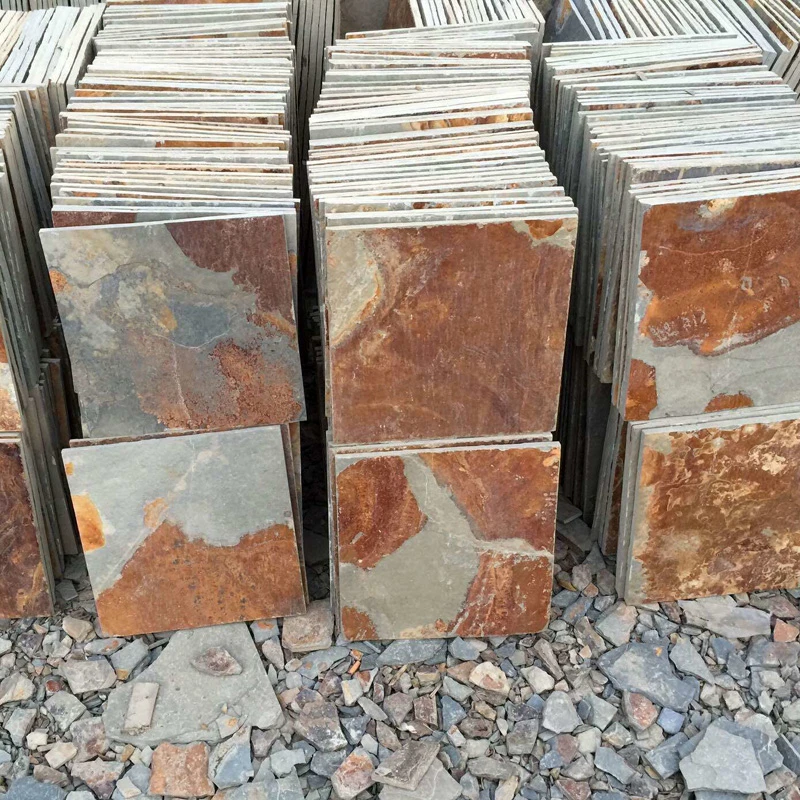
Our slate veneers are processed to have extremely low water absorption, making them ideal for the rainy seasons in Addis Ababa, preventing mold and surface degradation.

What is the difference between builder stone and ledgestone for exterior walls?

Builder stone typically offers a more traditional, blocky appearance, while ledgestone provides a linear, stacked look that is preferred for modern contemporary designs.

Can free form stone be installed on curved interior surfaces?

Yes, because of its irregular shapes and thin profile, free form stone is perfect for curved walls, providing a natural, organic flow to the interior space.

How to maintain natural stone wall cladding in dusty environments?

We recommend a periodic low-pressure water rinse and the application of a breathable silane-based sealer every 3-5 years to repel volcanic dust.

Is natural stone veneer more cost-effective than solid stone?

Absolutely. Veneers significantly reduce shipping costs to Ethiopia and require less structural support, lowering overall construction expenses.

What installation method is best for Ethiopia's seismic zones?

For areas near the Rift Valley, we recommend mechanical anchoring systems over traditional mortar to allow for slight structural movement without cracking.

Request Your Custom Stone Consultation

Ready to transform your architectural project in Ethiopia? Our experts provide full technical support from selection to installation.

Contact Us Now

If you are interested in our products, you can choose to leave your information here, and we will be in touch with you shortly.