Premium Natural Slate Stone Veneer Solutions for Equatorial Guinea

Elevating the architectural landscape of Equatorial Guinea with high-precision stone processing and durable wall cladding systems.

Premium Natural Slate Stone Veneer Solutions for Equatorial Guinea

Integrating geological durability with modern aesthetics to provide high-performance stone masonry solutions tailored for the tropical climate of Equatorial Guinea.

Stone Processing Landscape in Equatorial Guinea

Analyzing the intersection of humidity, architectural demand, and material resilience.

In Equatorial Guinea, the construction sector faces unique challenges due to extreme tropical humidity and heavy precipitation. The demand for natural stone wall cladding has surged as developers move away from traditional paints that peel under high moisture, opting instead for mineral-based exteriors that breathe and resist mold.

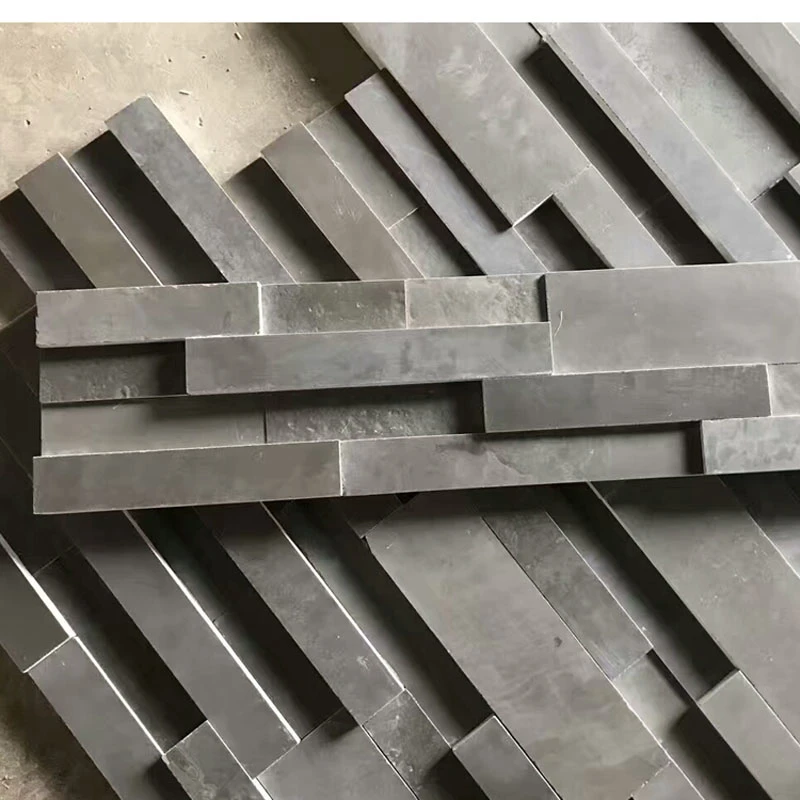
Currently, the market is dominated by a mix of imported luxury stones and basic local masonry. However, there is a critical gap in the availability of precision-cut ledgestone, which is increasingly requested for high-end villas in Malabo and Bata to create a rustic yet sophisticated aesthetic that withstands the coastal salt air.

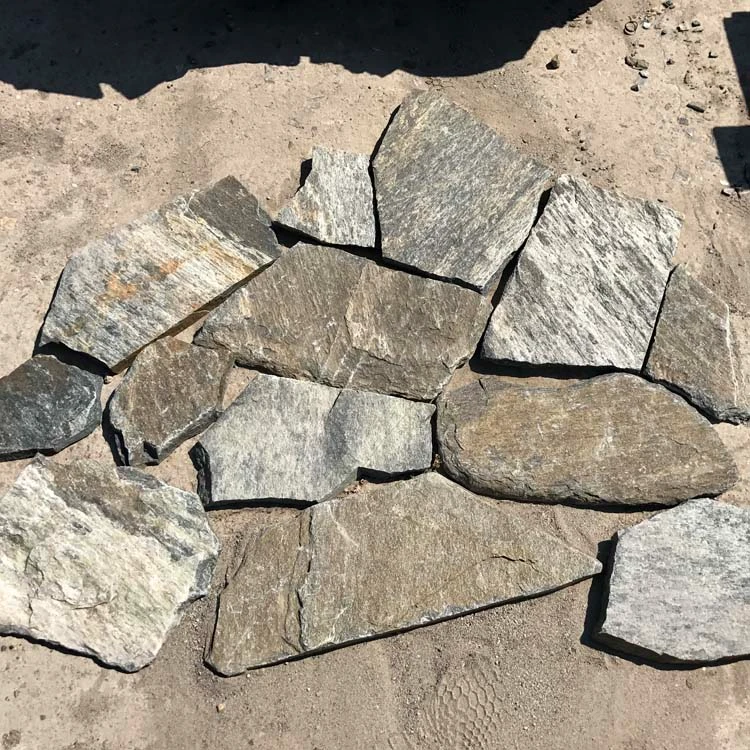
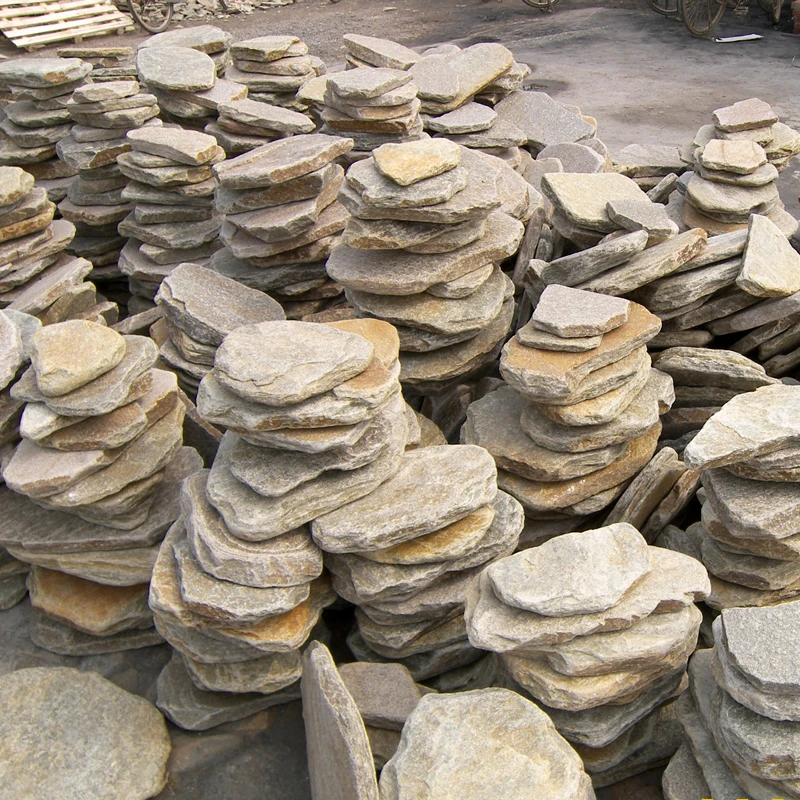
The local industry is transitioning from manual stone splitting to mechanized processing. This shift allows for the implementation of free form stone patterns that offer better structural flexibility and faster installation times, reducing labor costs in large-scale commercial projects.
Evolution of Stone Processing Technology

From artisanal carving to industrial precision in the Gulf of Guinea.

Market Development History

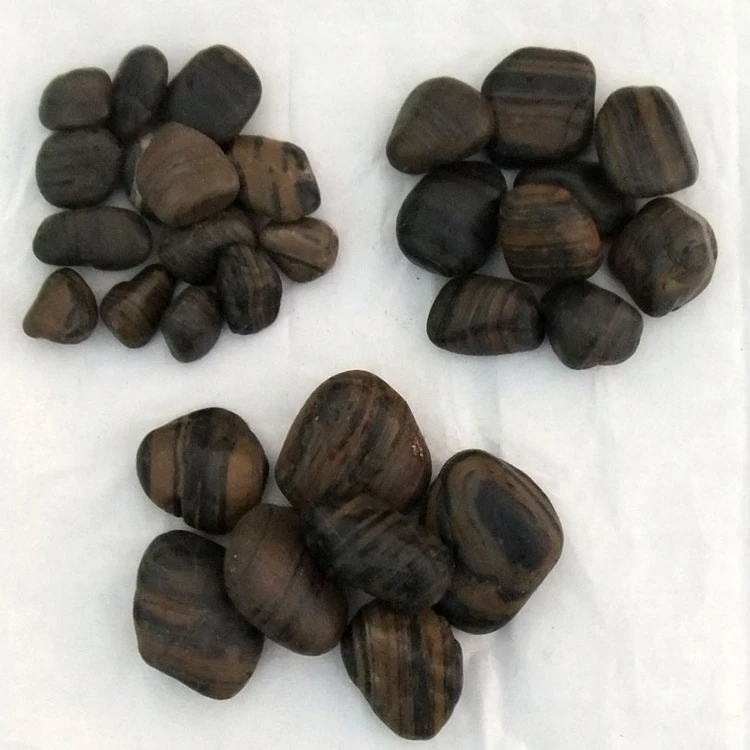
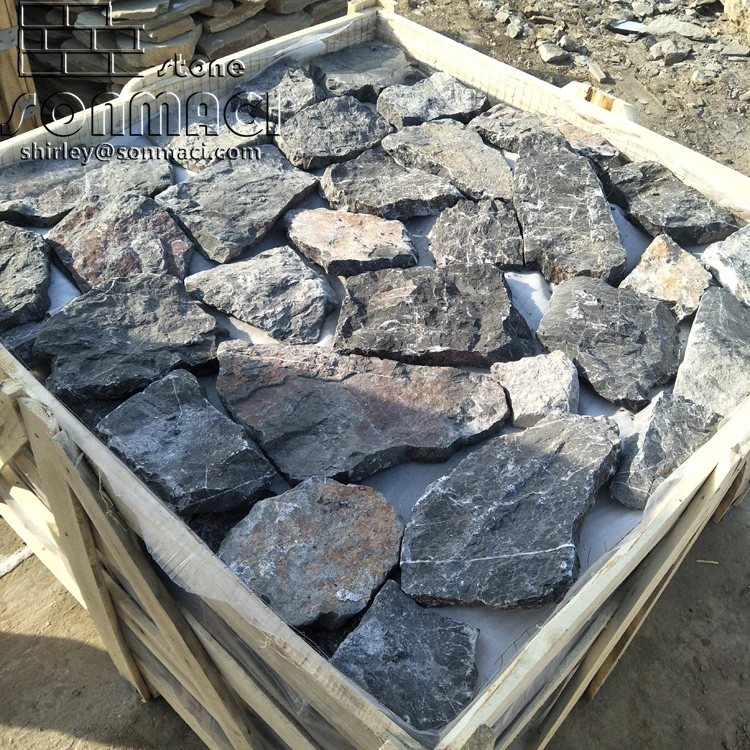
Prior to 2010, stone work in Equatorial Guinea was primarily focused on structural foundations using raw builder stone. The focus was on utility rather than ornamentation, with most decorative elements being imported as finished panels.

Between 2010 and 2020, the emergence of the oil-driven economic boom led to an influx of international architectural styles. This era saw the introduction of thin-cut veneers and a growing preference for natural textures, sparking a demand for specialized cutting tools and precision calibration.

From 2020 to the present, the industry has embraced "Lean Manufacturing" in stone processing. The integration of CNC machinery has allowed for the mass production of complex shapes, making high-end natural slate stone veneer accessible for mid-range residential projects.

Future Development Trends

Eco-Friendly Extraction

A shift toward sustainable quarrying and carbon-neutral transport to reduce the environmental footprint of stone logistics within Africa.

Modular Installation Systems

The transition from wet-fix to dry-hang systems to prevent water infiltration in Equatorial Guinea's high-rainfall zones.

Digital Texture Mapping

Utilizing AI to predict the best fitting for free-form patterns, reducing stone waste by up to 15% during the processing phase.

Industry Outlook & Future Projections

Strategic forecasting for the non-metallic mineral sector in Equatorial Guinea.

Climate-Adaptive Materials
Development of hydrophobic coatings for natural stones to combat extreme tropical humidity.
Precision CNC Integration
Reducing material waste through AI-driven layout optimization for irregular stone shapes.
Luxury Residential Boom
Increased adoption of natural veneers in high-end urban developments in Malabo.
Supply Chain Digitalization
Real-time tracking of mineral shipments from quarries to construction sites.

Industry Outlook

Based on search trends and regional urban planning, we predict a 20% increase in the demand for lightweight natural slate stone veneer over the next 3 years, as building codes in Equatorial Guinea shift toward energy-efficient cladding that reduces indoor heat gain.

Furthermore, the integration of "Smart Stone" technologies—incorporating thermal breaks between the stone cladding and the main structure—will become the standard for government infrastructure projects, ensuring longevity against the coastal humidity.

Localized Application Scenarios

Practical implementations of processed stone in the Equatorial Guinean environment.

01. Coastal Villa Exterior Walls

Utilizing natural stone wall cladding to protect luxury residences in Malabo from salt-spray corrosion while maintaining a high-end tropical aesthetic.

02. Government Office Facades

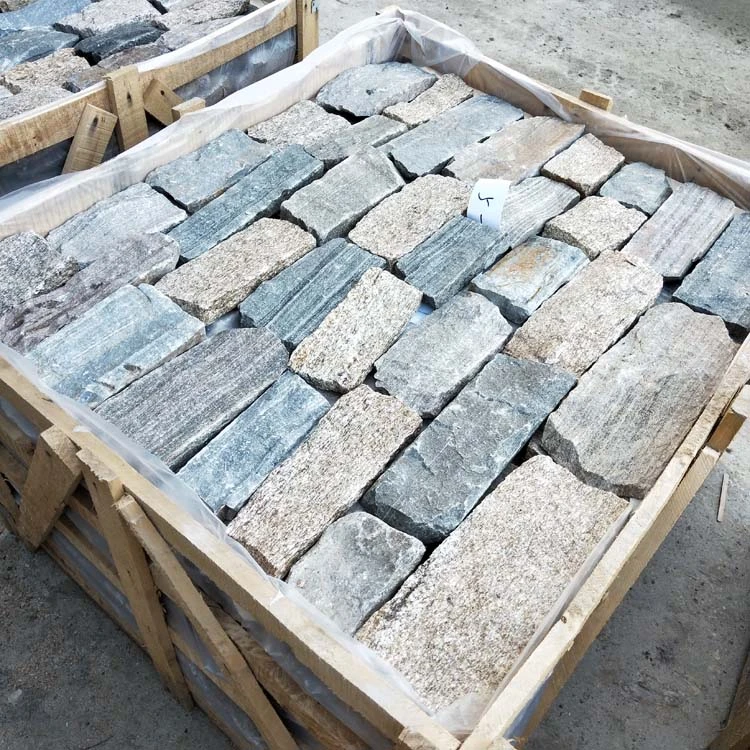
Applying precision-cut ledgestone to administrative buildings to convey stability, permanence, and institutional prestige.

03. Interior Feature Walls in Boutique Hotels

Implementing free form stone in lobbies to create an organic, nature-inspired atmosphere that appeals to international tourists.

04. Urban Retaining Walls and Landscaping

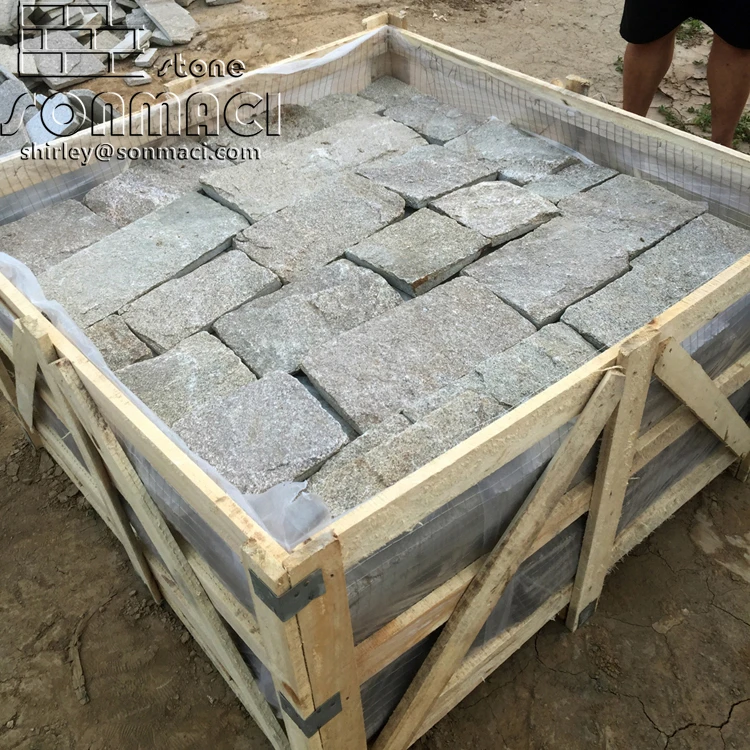
Using heavy-duty builder stone for structural erosion control in hillside developments, ensuring soil stability during rainy seasons.

05. Modern Residential Accent Walls

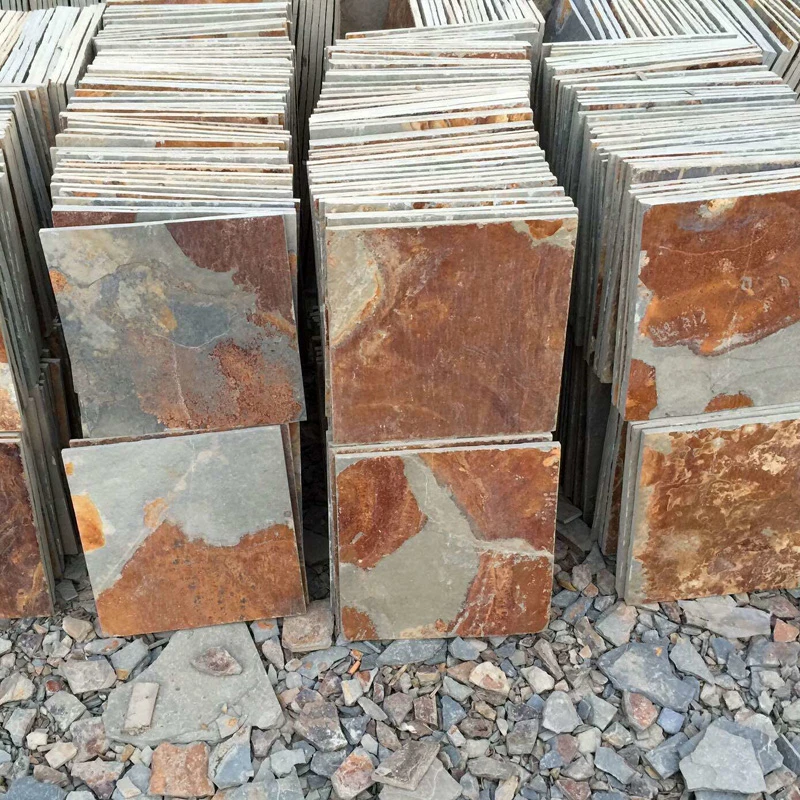
Integrating natural slate stone veneer in living rooms to provide a cooling visual effect and a durable surface that resists interior moisture.

Brand Story

Global Development Process of Hebei Sonmacis Stone Co., Ltd.

Foundational Excellence

Established with a mission to solve the inconsistency of stone dimensions in the global supply chain through rigorous quality control.

Technological Leap

Investing in advanced CNC cutting and automated polishing lines to transform raw minerals into architectural art.

Global Expansion

Expanding our footprint into the African market, specifically optimizing products for the climate of Equatorial Guinea.

Sustainable Innovation

Developing low-waste processing techniques that ensure the longevity of natural stone resources.

Industry Leadership

Becoming the preferred partner for architects who demand a balance of raw nature and industrial precision.

Complete Stone Portfolio for Equatorial Guinea

A curated selection of non-metallic mineral products designed for tropical durability.

Equatorial Guinea Stone Processing FAQ

Expert answers to common technical and logistical questions.

Which is the best natural stone wall cladding for high-humidity areas in Malabo?

Natural slate and quartz-based stones are highly recommended due to their low porosity and resistance to water absorption, making them ideal for the humid climate of Malabo.

How does ledgestone installation differ in tropical environments?

In tropical zones, we recommend using polymer-modified adhesives and ensuring a proper drainage plane behind the stone to prevent moisture buildup.

Is natural slate stone veneer durable enough for exterior use in Bata?

Yes, our slate veneers are processed to withstand extreme UV exposure and salt air, provided they are sealed with a breathable silane-siloxane sealer.

What are the advantages of using free form stone over standard blocks?

Free form stone provides a more organic appearance and allows for a customized fit around architectural curves, reducing the need for awkward cuts and waste.

How to choose the right builder stone for structural foundations in Equatorial Guinea?

Select stones with a high compressive strength and low water absorption rate to ensure the foundation remains stable despite the high groundwater levels in coastal areas.

Can natural stone wall cladding be installed over existing concrete walls?

Yes, provided the concrete surface is cleaned and primed. We recommend a mechanical fastening system for larger panels to ensure maximum safety.

Request a Technical Consultation

Our engineers are ready to help you select the perfect stone materials for your project in Equatorial Guinea.

Contact Us Now

If you are interested in our products, you can choose to leave your information here, and we will be in touch with you shortly.