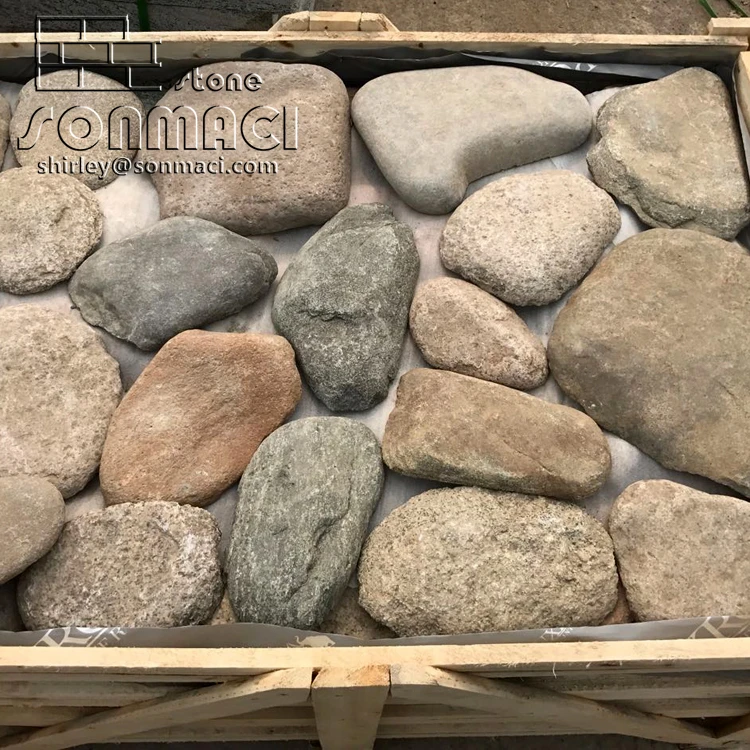
The Democratic Republic of the Congo possesses vast mineral wealth, yet the industrial processing of architectural stone has historically remained fragmented. In urban centers like Kinshasa and Lubumbashi, there is a rising demand for high-end natural stone wall cladding to replace traditional concrete finishes that degrade under high humidity and intense tropical rainfall.
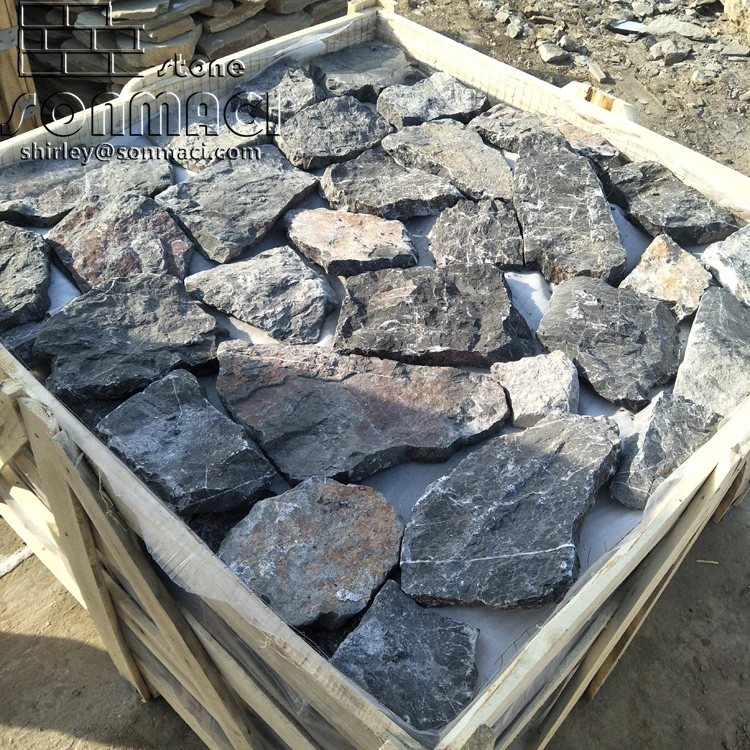
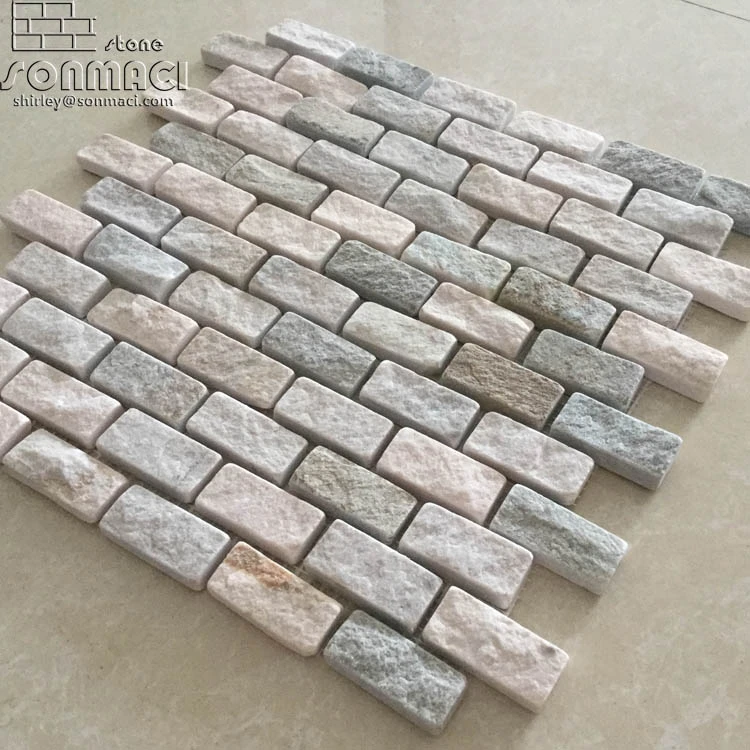
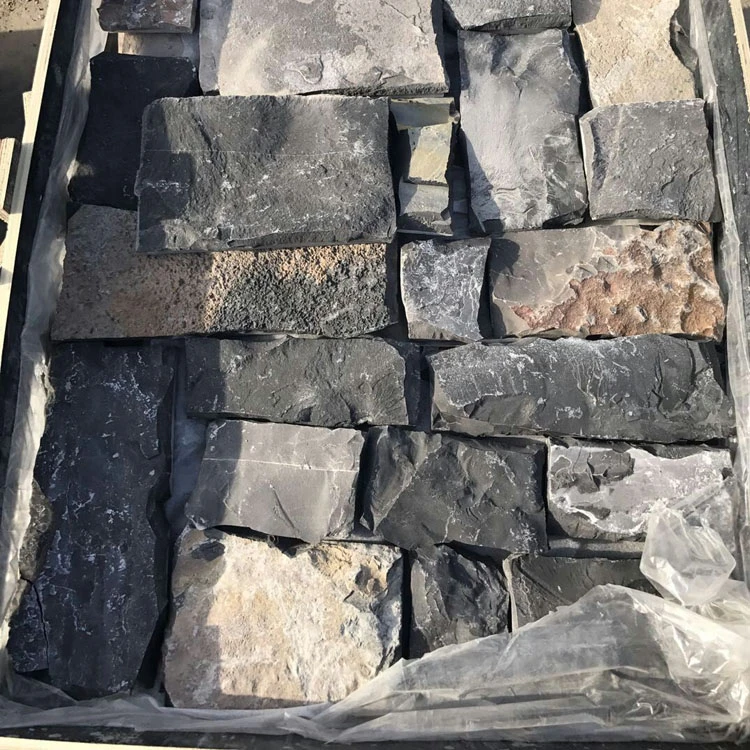
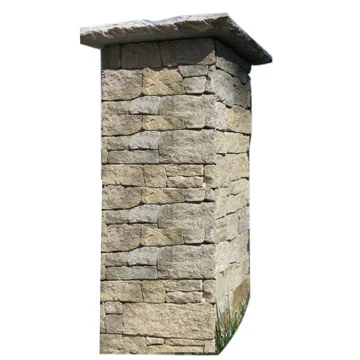
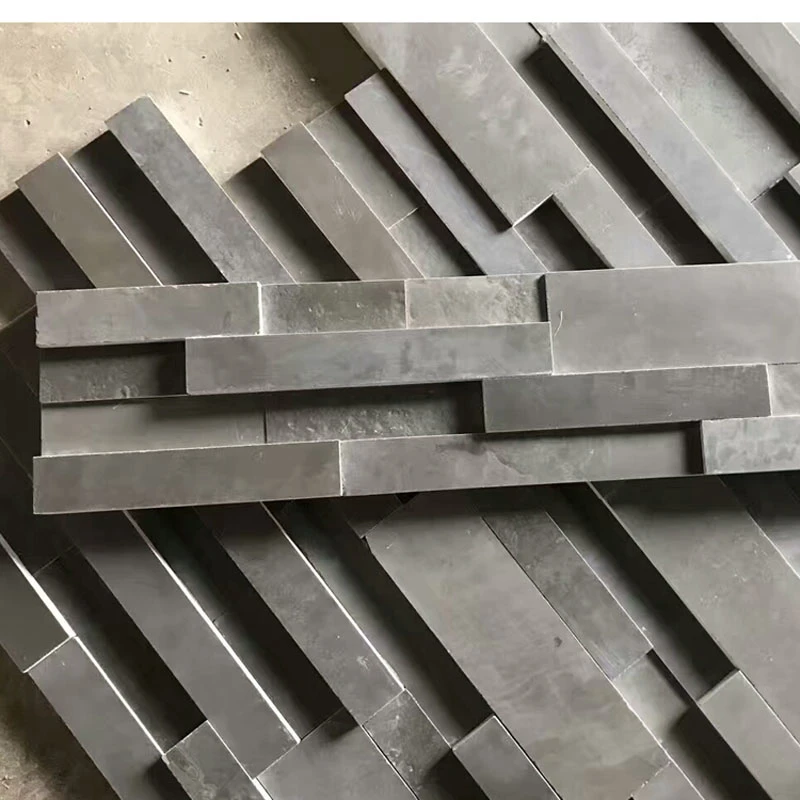
Currently, the market is transitioning from rudimentary quarrying to precision-cut masonry. The adoption of ledgestone has increased in commercial developments, reflecting a shift toward aesthetic durability. However, the lack of local high-precision cutting technology often creates a gap between raw material availability and finished architectural standards.
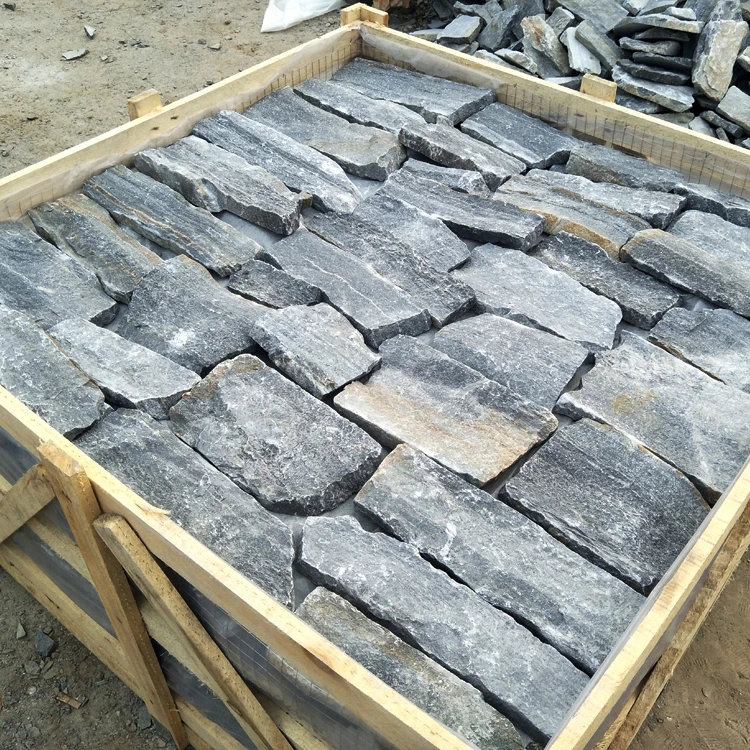
Environmental factors, particularly the extreme moisture levels in the Congo Basin, necessitate stone products with low porosity and high freeze-thaw resistance. This has led to a strategic preference for processed slate and granite, which maintain structural integrity better than softer sedimentary rocks common in local unrefined construction.