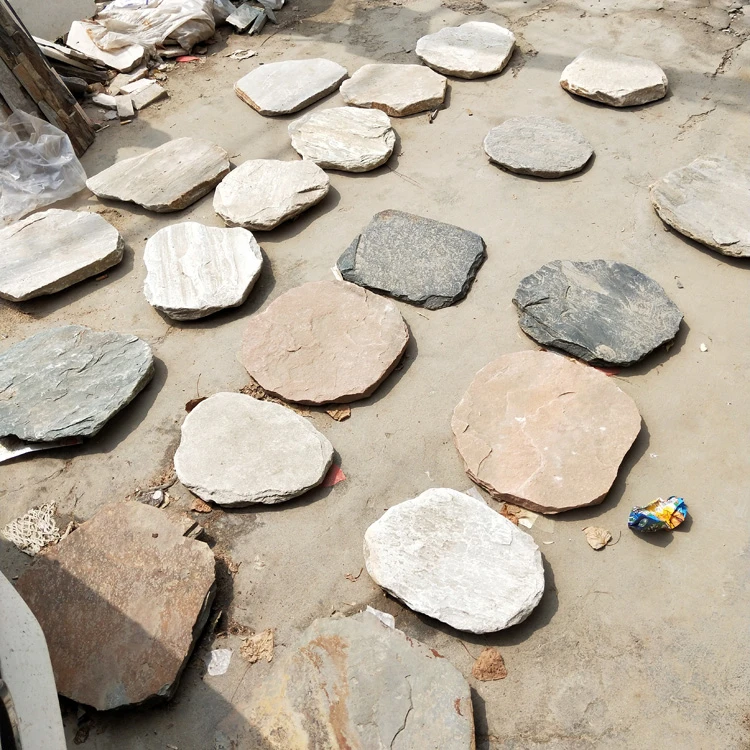
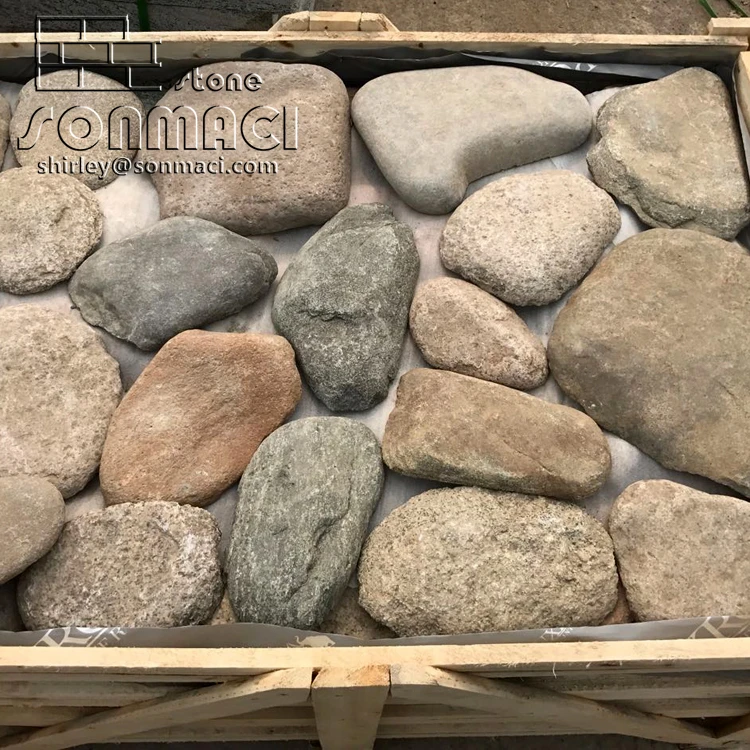
Premium Natural Slate Stone Veneer Solutions for Austria

Elevating Austrian architecture with high-precision stone processing and sustainable mineral solutions tailored for the Alpine climate.

Premium Natural Slate Stone Veneer Solutions for Austria

Integrating traditional Austrian masonry aesthetics with advanced non-metallic mineral processing to deliver durable, high-end wall cladding for residential and commercial projects.

Stone Processing Landscape in Austria

Analyzing the intersection of Alpine geological resources and modern architectural demand.

The Austrian market is characterized by a deep respect for natural materials, where the demand for natural stone wall cladding is driven by the need for extreme weather resistance against harsh Alpine winters and significant temperature fluctuations.

Currently, the industry is shifting from heavy, solid masonry to lightweight, precision-cut veneers. This transition is essential for modern energy-efficient building standards in Austria, reducing structural load while maintaining the thermal mass properties of mineral products.

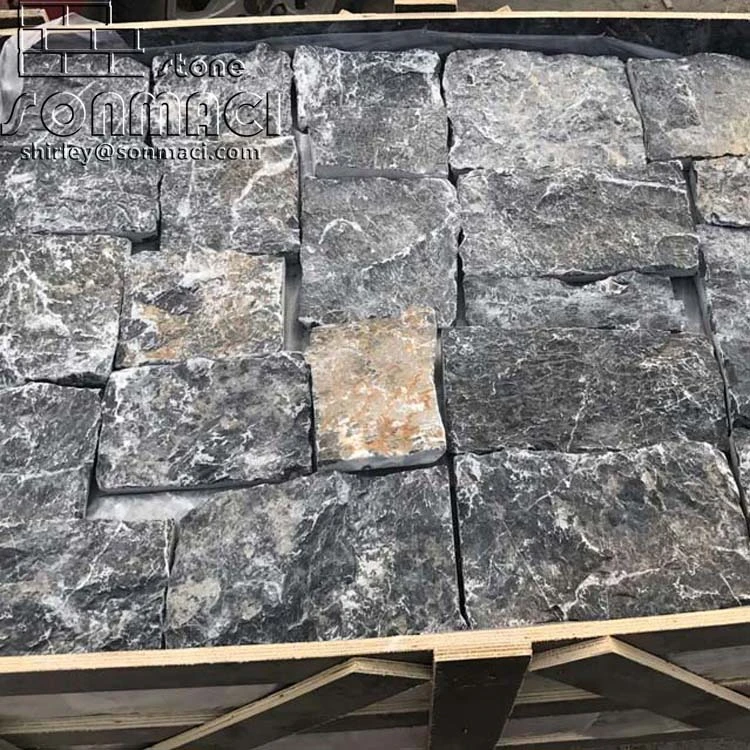
Local demand focuses heavily on authentic textures. Whether it is the rustic appeal of builder stone or the sleek lines of slate, Austrian architects prioritize E-E-A-T (Experience, Expertise, Authoritativeness, and Trustworthiness) in material sourcing to ensure long-term durability.
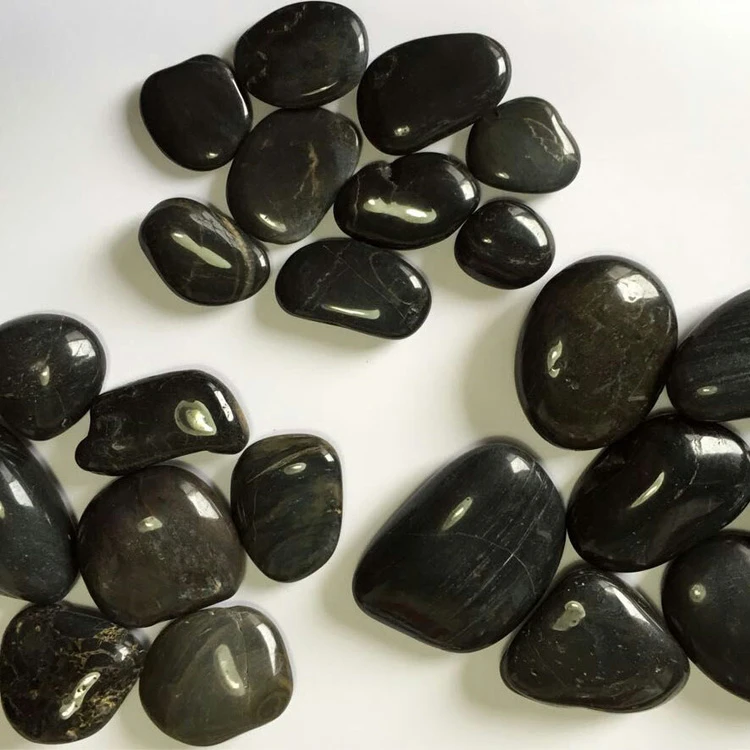
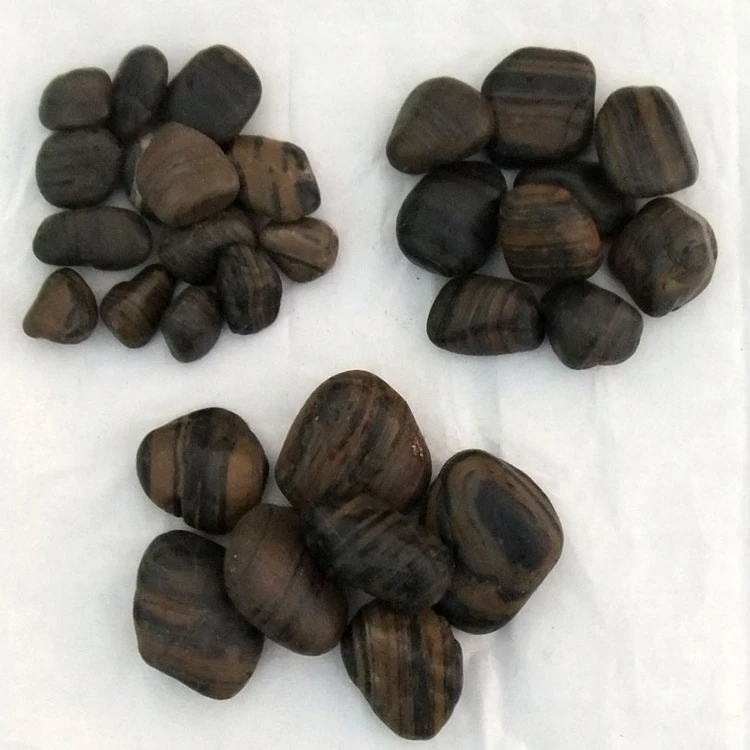
Evolution of Stone Processing Technology

From manual quarrying to CNC-driven precision veneer production.

Market Development History

Before the 1990s, the industry relied primarily on thick, hand-cut blocks. The focus was on structural stability, often using heavy-duty stone for the base of Alpine chalets.

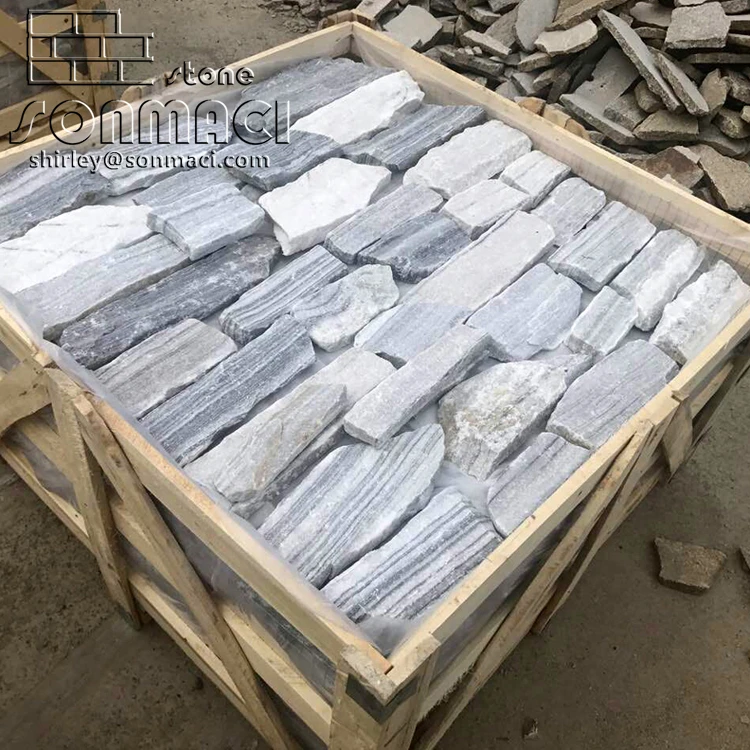
Between 2000 and 2015, the introduction of diamond-wire sawing and precision splitting allowed for the rise of ledgestone, offering a more controlled aesthetic and faster installation times for urban developments in Vienna and Salzburg.

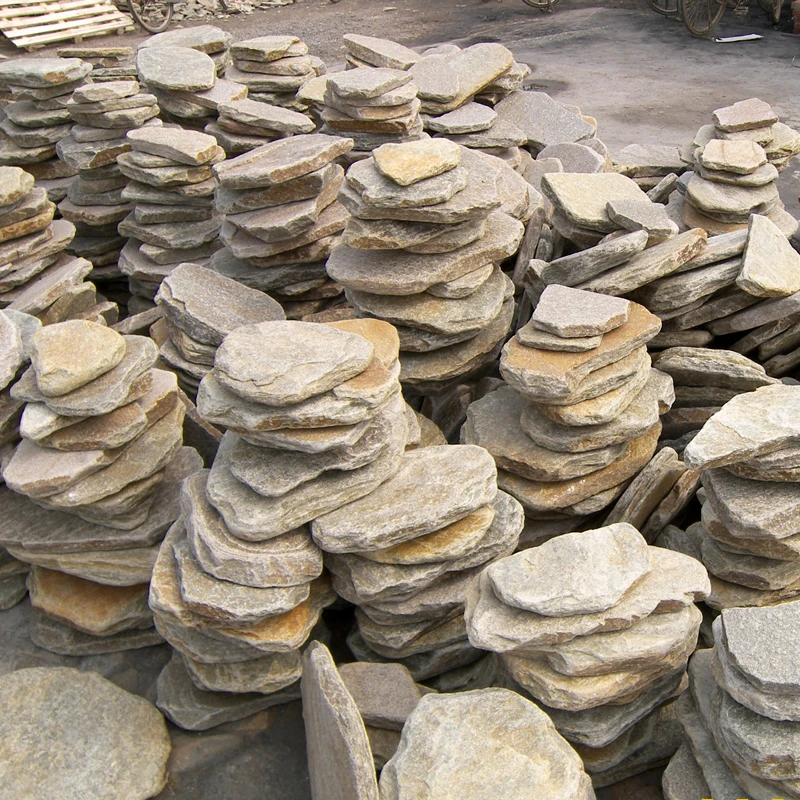
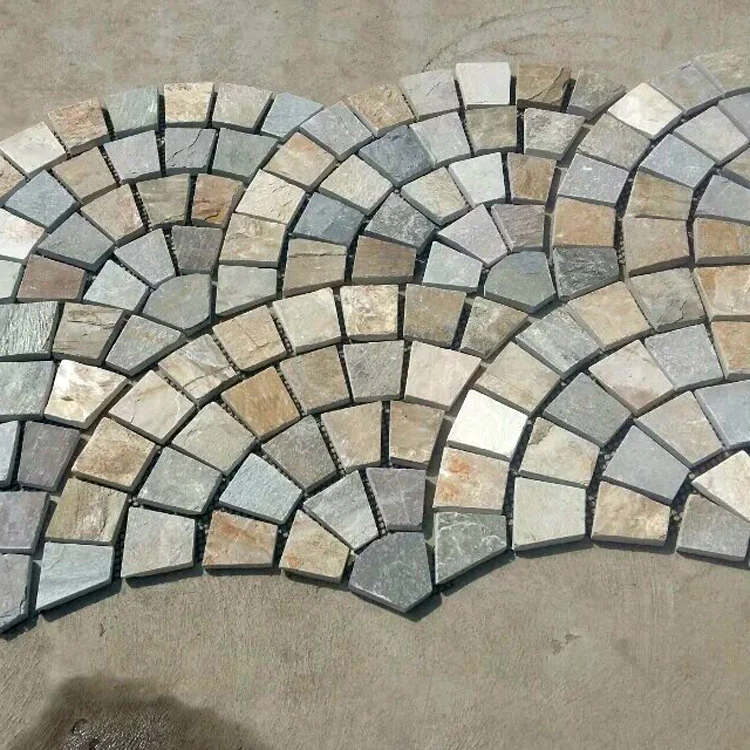
Since 2016, the integration of digital mapping and thin-cut technology has popularized free form stone, enabling organic designs that mimic natural cliff faces with minimal material waste.

Future Development Trends

AI-Driven Texture Matching

Implementation of AI to analyze geological veins, ensuring perfect color consistency across large-scale Austrian commercial facades.

Eco-Friendly Binding Agents

Moving toward carbon-neutral adhesives for stone veneers to meet the strict EU Green Deal requirements and Austrian environmental laws.

Modular Thin-Slice Systems

Developing ultra-thin, interlocking mineral panels that reduce shipping emissions and installation labor costs.

Industry Trends and Future Outlook

Forecasting the trajectory of non-metallic mineral processing in the European luxury market.

Sustainable Sourcing
Increasing demand for LEED-certified quarrying processes and recycled mineral content in stone veneers.
Precision Engineering
Shift toward 0.1mm tolerance in stone cutting to enable seamless, dry-stack installation patterns.
Hybrid Materiality
Combining natural stone veneers with lightweight polymer backings for extreme insulation performance.
Digital Customization
BIM integration allowing architects to simulate stone layout and light reflection in 3D space.

Industry Outlook

Google search trends indicate a rising interest in "biophilic design" within Europe. This is directly correlating to an increased demand for authentic mineral surfaces that bridge the gap between indoor luxury and the natural Austrian landscape.

Over the next 3-5 years, we expect a surge in "Smart Stone" applications, where thermal conductivity is optimized through precision machining to aid in passive house heating systems across Central Europe.

Localized Applications in Austria

Practical implementations of stone processing in diverse Austrian environments.

01. Luxury Alpine Chalets in Tyrol

Using ledgestone for interior feature walls to create a cozy, rustic atmosphere that resists moisture and adds thermal mass.

02. Modern Vienna Corporate Offices

Installation of sleek, large-format slate veneers in lobby areas to project professionalism and timeless durability in urban commercial centers.

03. Boutique Hotels in Salzburg

Applying free form stone to outdoor terrace walls, blending the architecture seamlessly with the surrounding mountain topography.

04. Residential Renovations in Styria

Upgrading traditional facades with thin-cut natural stone cladding to improve energy efficiency without sacrificing the historical aesthetic.

05. Public Infrastructure in Graz

Utilizing heavy-duty builder stone for public plazas and retaining walls, ensuring resilience against high pedestrian traffic and weather erosion.

Brand Story

Global Development Journey of Hebei Sonmaci Stone Co., Ltd.

Foundational Excellence

Established with a mission to bridge the gap between raw mineral extraction and high-end architectural art.

Technological Breakthrough

Invested in CNC diamond cutting technology to solve the industry pain point of material waste and inconsistent thickness.

European Expansion

Customized our production lines to meet strict EU standards for mineral purity and environmental safety.

Strategic Partnerships

Collaborated with leading Austrian architectural firms to refine the aesthetics of natural veneers for Alpine climates.

Vision for Tomorrow

Committing to 100% sustainable quarrying and carbon-neutral logistics for our global clientele.

Comprehensive Stone Solutions for the Austrian Market

A curated portfolio of mineral products engineered for durability, aesthetics, and climate resilience.

Frequently Asked Questions - Austria

Expert answers to common technical queries regarding stone processing and installation.

How does natural slate stone veneer perform in freezing Austrian winters?

Our slate veneers are processed to have extremely low porosity, preventing water infiltration and subsequent freeze-thaw cracking, making them ideal for outdoor use in the Alps.

What is the installation advantage of ledgestone over traditional blocks?

Ledgestone veneers provide a significantly reduced structural load and faster installation time, reducing labor costs by up to 40% while maintaining a realistic stone appearance.

Can free form stone be used for interior accent walls in Vienna apartments?

Yes, free form stone is highly recommended for interiors. Its organic texture adds a biophilic element to urban spaces, improving psychological well-being and acoustic insulation.

Is builder stone compatible with passive house insulation standards?

By using thin-cut builder stone veneers, you can maintain a high R-value for your exterior insulation while achieving the traditional look of a solid stone house.

Which natural stone wall cladding is best for high-humidity areas like bathrooms?

Natural slate is the superior choice due to its inherent water resistance. When paired with the correct sealant, it remains impervious to moisture and mold.

How do I ensure the color consistency of stone veneers across a large project?

We utilize batch-tracking and digital color matching during the processing stage to ensure that all panels delivered to your site in Austria belong to the same geological vein.

Consult Our Stone Experts

Ready to transform your architectural vision into reality? Contact our specialist team for tailored mineral solutions in Austria.

Contact Us Now

If you are interested in our products, you can choose to leave your information here, and we will be in touch with you shortly.