Premium Ledgestone Solutions for Thailand Architecture

Elevating Thai commercial and residential spaces with high-precision engineered natural stone cladding and sustainable masonry excellence.

Premium Ledgestone Solutions for Thailand Architecture

Integrating structural durability with the organic beauty of natural stone to meet the rigorous demands of Thailand's tropical luxury construction market.

Natural Stone Integration in the Thai Market

Analyzing the synergy between geological materials and Thailand's unique environmental conditions.

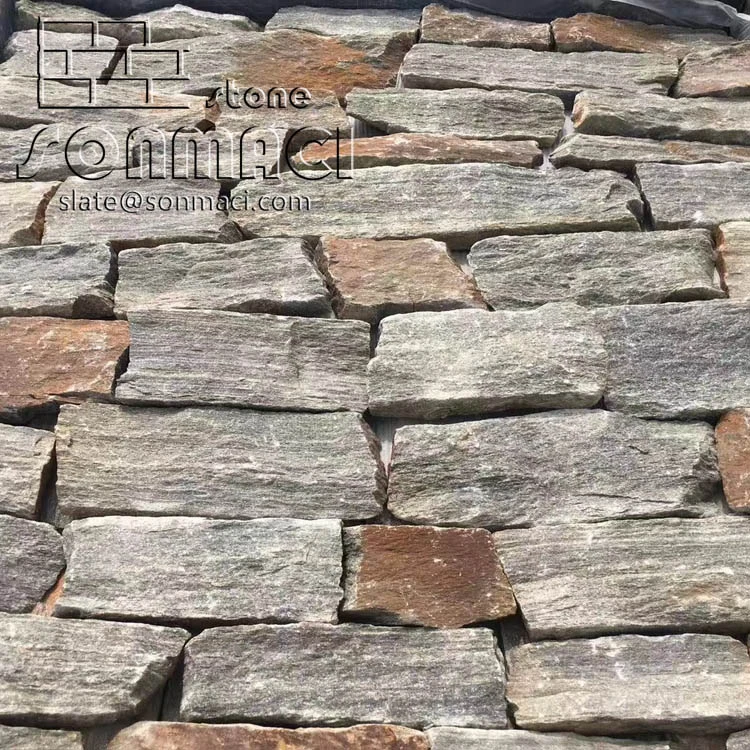
In Thailand, the architectural landscape is characterized by a blend of ultra-modern urbanism in Bangkok and luxury resort development in Phuket and Samui. The high humidity and seasonal monsoon rains demand materials that offer both aesthetic appeal and extreme weather resistance, making natural stone wall cladding a primary choice for high-end facades.

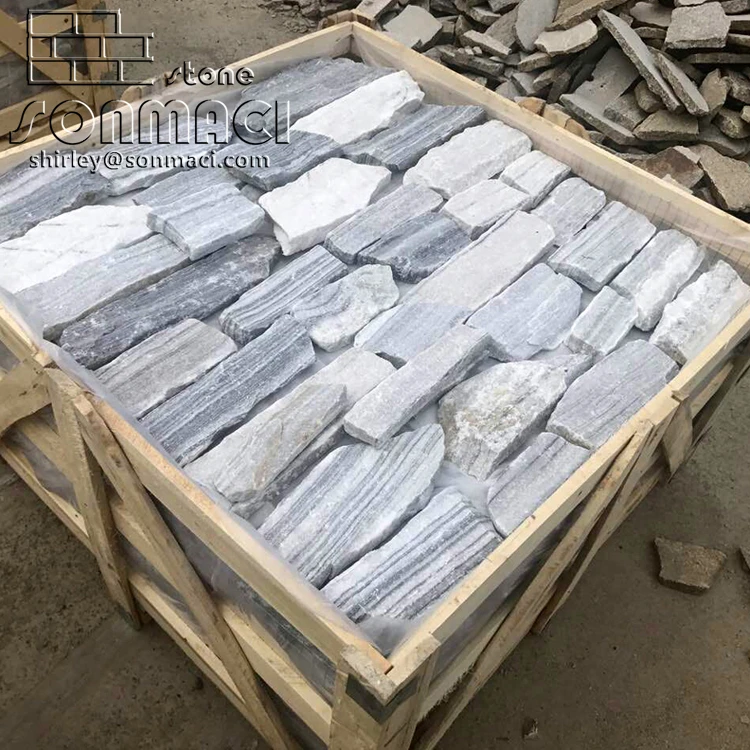
The local market has seen a significant shift toward "Tropical Modernism," where organic textures like free form stone are used to blur the line between indoor living spaces and outdoor landscapes. This trend is driven by a growing demand for wellness-oriented design and sustainable building certifications across the region.

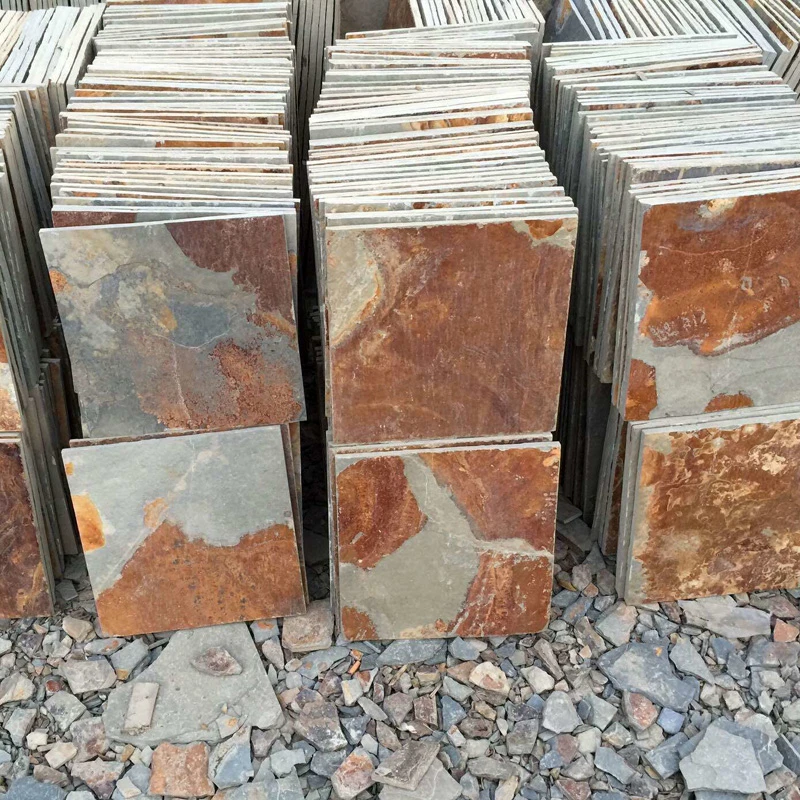
Furthermore, the rapid expansion of luxury hospitality in Thailand has increased the demand for lightweight yet durable alternatives. This has positioned natural slate stone veneer as a critical solution, reducing structural load while maintaining the prestigious look of authentic masonry.
Evolution of Stone Processing Technology

From traditional hand-cutting to AI-driven precision machining in the non-metallic mineral sector.

Market Development History

Until the early 2000s, stone work in Thailand relied heavily on manual labor and basic splitting techniques, resulting in high waste and inconsistent thicknesses for builder stone applications.

Between 2010 and 2020, the introduction of CNC multi-blade cutters and water-jet technology revolutionized the industry. This era allowed for the mass production of standardized ledgestone panels with precise interlocking edges, significantly reducing installation time on large-scale commercial projects.

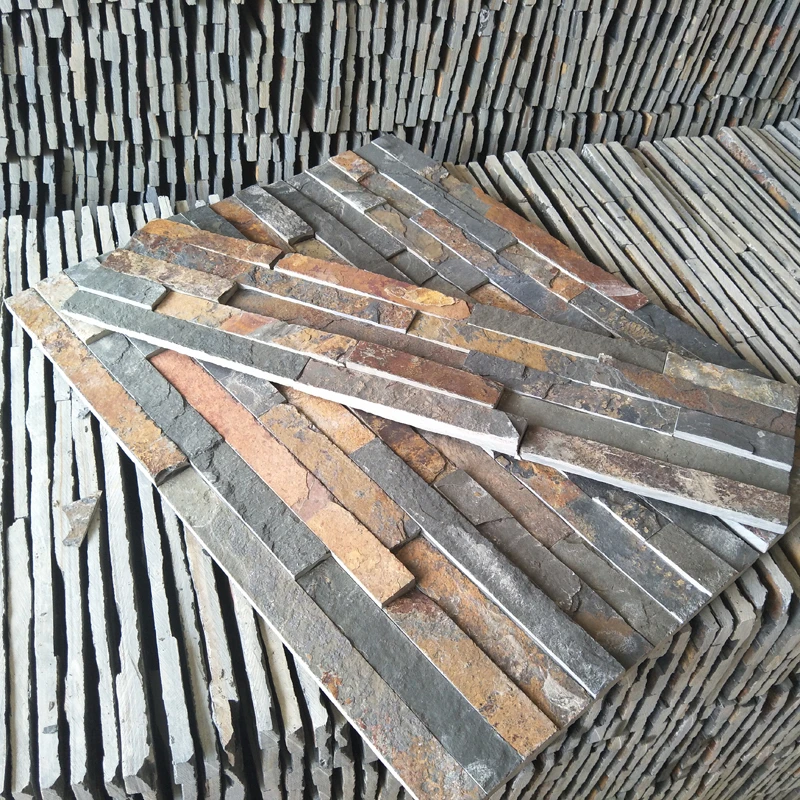
From 2021 to the present, the focus has shifted toward "Thin-Layer Technology." The industry has transitioned from heavy blocks to high-strength veneers, utilizing vacuum-pressing and diamond-wire sawing to create ultra-thin profiles without compromising the stone's structural integrity.

Future Development Trends

Nano-Protective Coating Integration

To combat the fungal growth common in Thailand's humidity, future stone processing will integrate nano-scale hydrophobic coatings during the manufacturing phase.

BIM-Integrated Stone Mapping

The adoption of Building Information Modeling (BIM) will allow for precise pre-cutting of every stone piece, ensuring zero waste and perfect fitment for complex organic geometries.

Sustainable Quarrying & Circularity

Future trends point toward the "Circular Stone Economy," where mineral waste from the processing of large slabs is recycled into composite architectural elements.

Strategic Trends in Non-Metallic Mineral Processing

Predicting the next 3-5 years of innovation in the architectural stone sector.

Eco-Efficient Extraction
Implementing low-carbon extraction methods to align with Thailand's BCG (Bio-Circular-Green) economy model.
Precision Modularization
Moving toward fully modular stone systems that allow for rapid "dry-hang" installation in urban Bangkok.
Smart Thermal Regulation
Developing stone composites with higher thermal inertia to reduce cooling costs in tropical climates.
AI Aesthetic Grading
Using machine vision to categorize stone vein patterns, ensuring perfect continuity in large-scale installations.

Industry Outlook

Based on Google search trends for "sustainable luxury" and "biophilic design" in Southeast Asia, we anticipate a 15% year-on-year increase in demand for authentic mineral veneers over synthetic alternatives.

The market will move away from generic patterns toward site-specific geological sourcing, where the stone's mineral composition is matched to the local environment's pH and moisture levels to ensure longevity.

Localization Case Studies in Thailand

Real-world applications of processed stone in diverse Thai architectural contexts.

01. Bangkok Luxury Penthouse Accents

Implementation of natural slate stone veneer in interior feature walls to create a sophisticated, moody aesthetic that contrasts with the city's neon landscape.

02. Phuket Beachfront Resort Facades

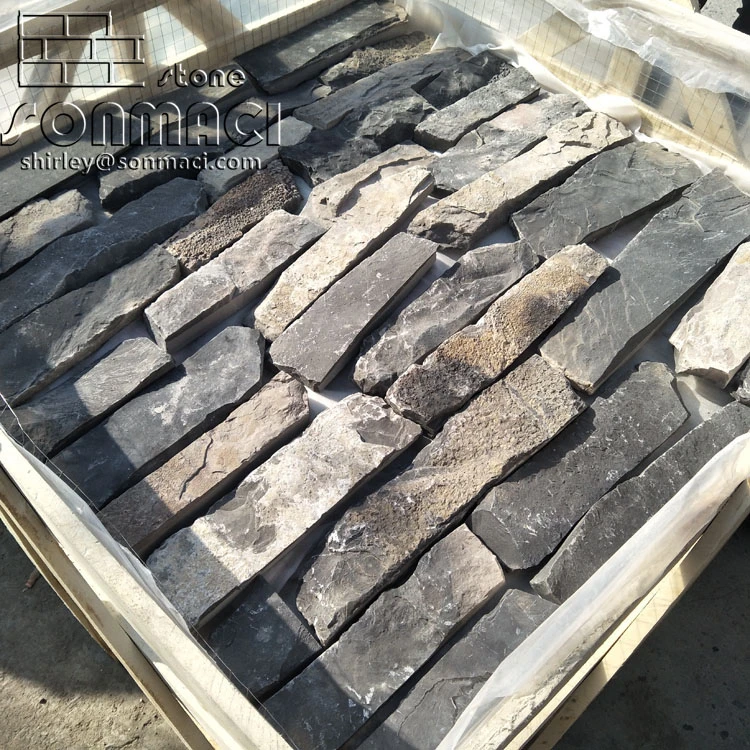
Utilization of high-durability ledgestone for exterior podiums, providing resistance to salt-air corrosion and intense UV exposure.

03. Chiang Mai Boutique Wellness Retreats

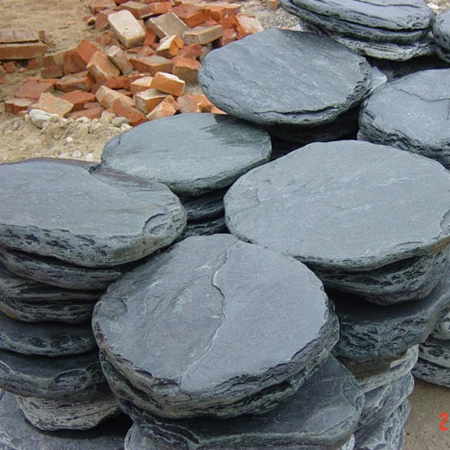
Application of free form stone in spa areas to mimic the natural riverbeds of Northern Thailand, enhancing the biophilic experience.

04. Pattaya Commercial Plaza Entrance

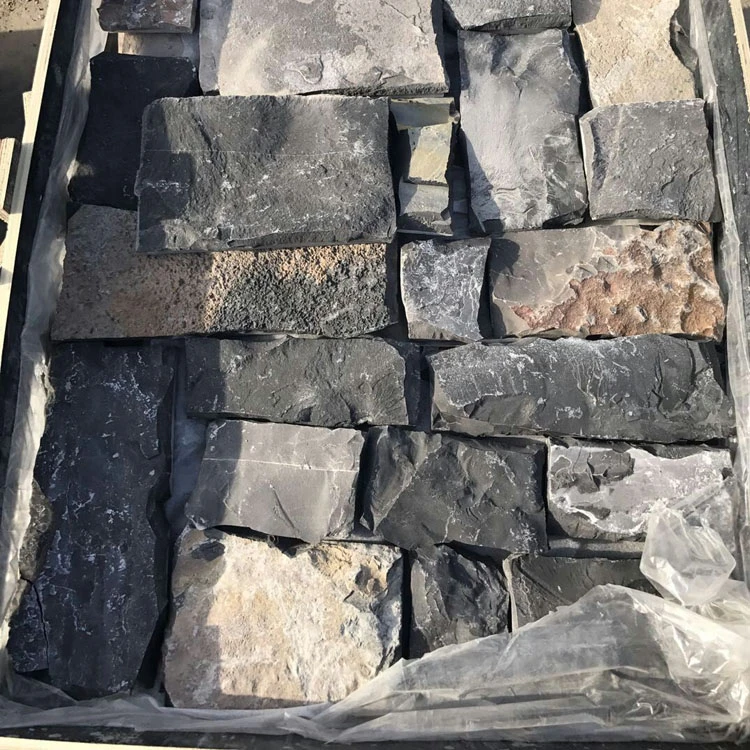
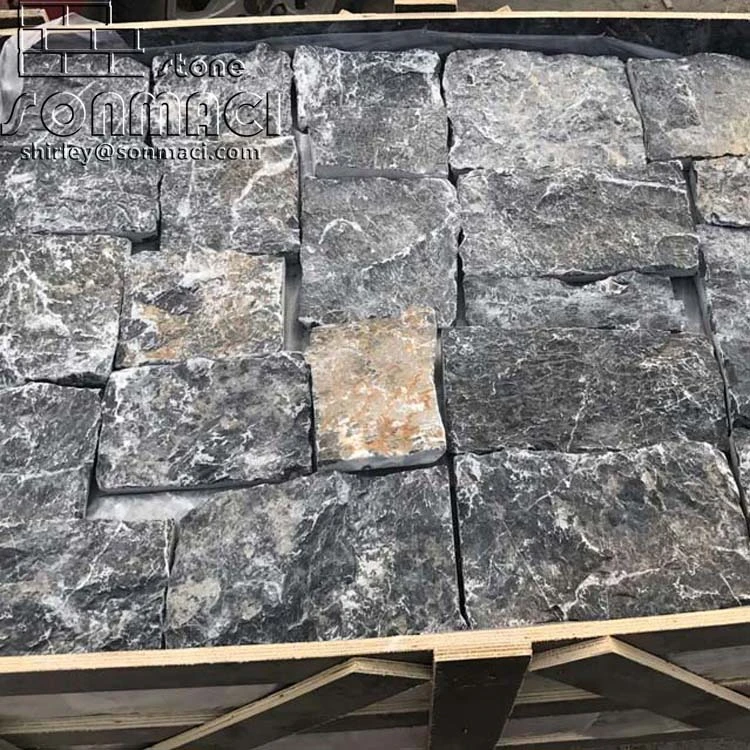
Installation of massive builder stone pillars to convey a sense of permanence, stability, and prestige for corporate headquarters.

05. Hua Hin Private Villa Landscaping

Integration of natural stone wall cladding for boundary walls, combining security with an organic, artisanal appearance.

Brand Story

Global Development Journey of Hebei Sonmacis Stone Co., Ltd.

Foundational Excellence

Established with a vision to bridge the gap between raw mineral extraction and architectural art, focusing on high-precision cutting.

Technological Pivot

Invested in advanced Italian machinery to solve the pain point of thickness inconsistency in natural stone veneers.

Global Expansion

Entered the Southeast Asian market, tailoring product specifications to meet the humid climate requirements of Thailand.

Sustainability Certification

Achieved international environmental standards, ensuring every slab is sourced from ethically managed quarries.

Future Vision

Aiming to lead the "Smart Stone" revolution, integrating AI-driven design with natural mineral beauty worldwide.

Comprehensive Stone Portfolio for Thailand

A curated selection of non-metallic mineral products designed for tropical architectural resilience.

Thailand Natural Stone Installation FAQ

Expert answers to common technical queries regarding stone masonry in tropical regions.

How does humidity in Thailand affect natural slate stone veneer installation?

High humidity can lead to moisture trapping. We recommend using high-performance polymer-modified adhesives and leaving breathable joints to prevent efflorescence.

Is ledgestone suitable for outdoor use in coastal areas like Phuket?

Yes, provided it is treated with a penetrating sealer. Our ledgestone is selected for low porosity, making it highly resistant to salt-spray erosion.

What is the weight difference between builder stone and stone veneers?

Builder stone is structural and heavy, whereas veneers are sliced to thin profiles, reducing weight by up to 70%, which is ideal for high-rise Bangkok condos.

Can free form stone be installed on curved walls?

Absolutely. The organic shapes of free form stone allow for seamless wrapping around curved architectural elements, providing a naturalistic flow.

How often should natural stone wall cladding be sealed in tropical climates?

For high-exposure exterior walls in Thailand, we recommend a professional resealing every 3-5 years to maintain the water-repellent barrier.

Which stone is best for low-maintenance commercial lobbies in Thailand?

Natural slate stone veneer is highly recommended due to its inherent density and ease of cleaning, making it perfect for high-traffic areas.

Consult Our Stone Experts Today

Get a customized technical specification for your project in Thailand. Our engineers are ready to help you choose the perfect mineral solution.

Contact Us Now

If you are interested in our products, you can choose to leave your information here, and we will be in touch with you shortly.