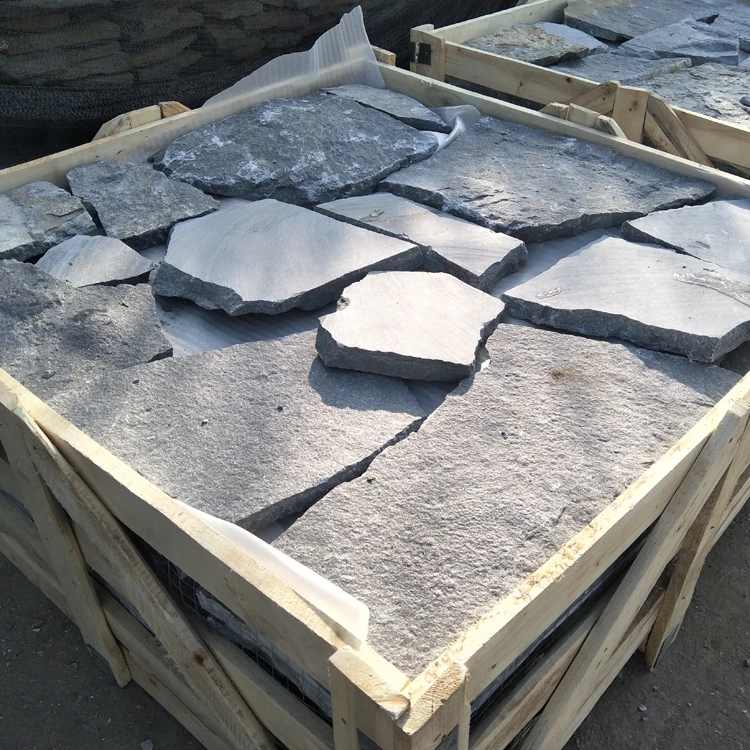
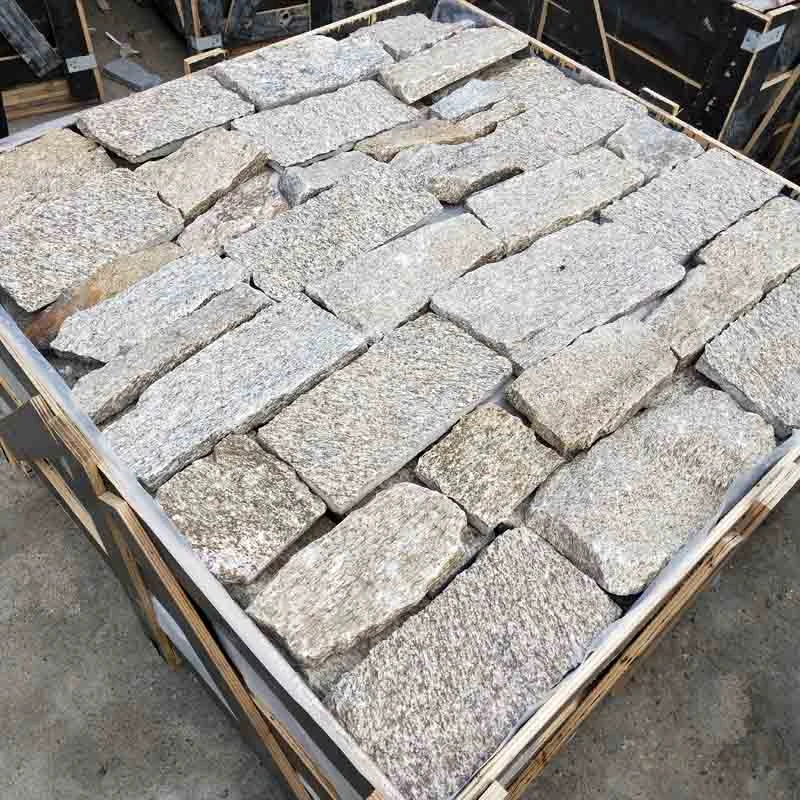
Premium Ledgestone Solutions for Palestine's Architectural Heritage

Integrating timeless natural stone artistry with modern processing technology to enhance the structural elegance of Palestinian landscapes.

Premium Ledgestone Solutions for Palestine's Architectural Heritage

We provide high-performance stone processing services tailored for the unique geological and aesthetic requirements of the Palestinian construction market, ensuring durability and luxury.

The Current State of Stone Masonry in Palestine

Analyzing the intersection of traditional craftsmanship and modern industrial demand.

Palestine possesses a deep-rooted history of stone architecture, where the local arid climate and limestone-rich geology have historically dictated building styles. Today, there is a significant shift toward incorporating natural stone wall cladding to blend traditional aesthetics with contemporary energy efficiency standards.

The market is currently experiencing a transition from heavy, solid masonry to lightweight veneer systems. The demand for builder stone has grown as urban redevelopment in cities like Ramallah and Bethlehem seeks materials that offer the look of ancient fortifications but with faster installation times.

However, the industry faces challenges regarding consistency in stone grading and the need for weather-resistant finishes that can withstand the temperature fluctuations of the Mediterranean and desert transition zones, driving the need for precision-engineered stone products.
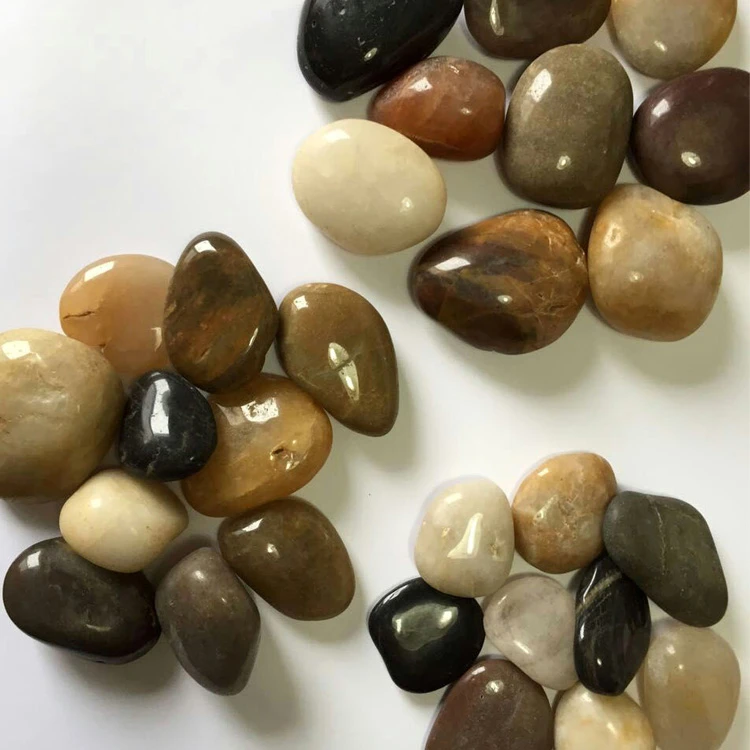
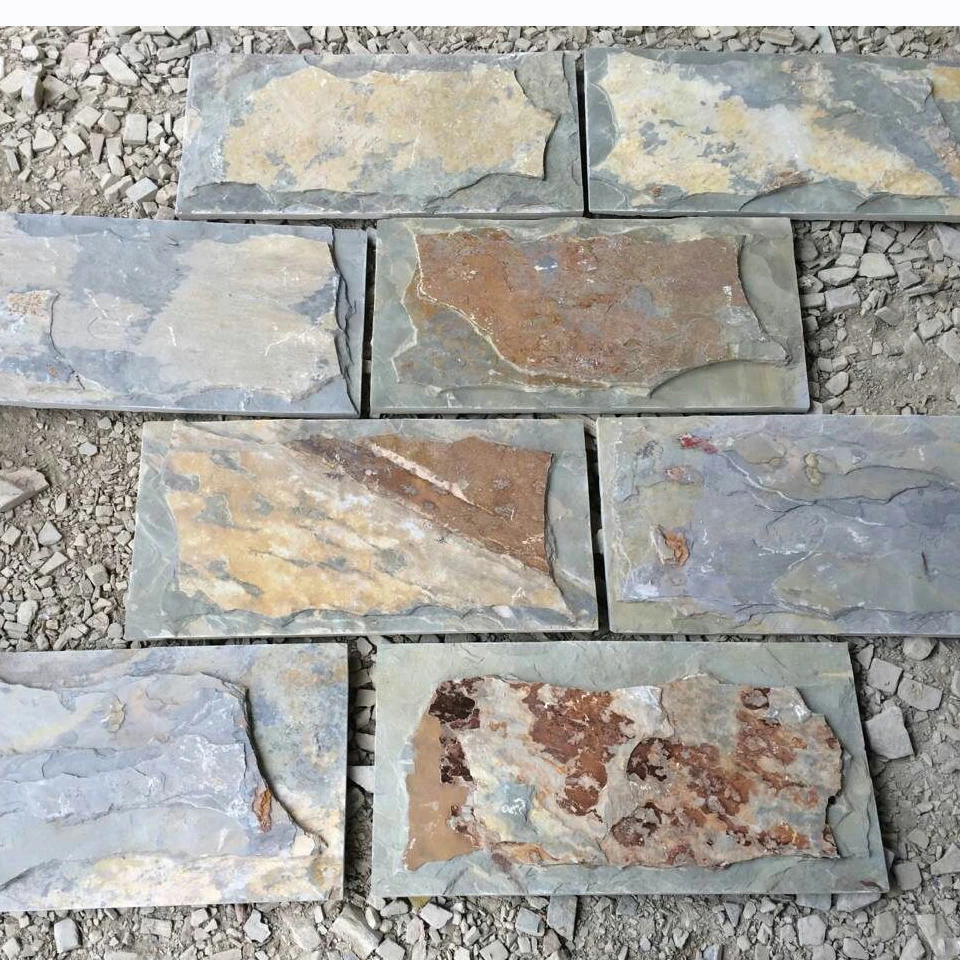
Evolution and Trajectory of Stone Processing

From manual chiseling to CNC-driven precision masonry.

Market Development History

Until the late 20th century, stone processing in the region relied almost exclusively on manual labor and traditional quarrying. The primary focus was on structural stability rather than decorative versatility, utilizing large, rough-cut blocks for load-bearing walls.

Around 2005-2015, the introduction of mechanized sawing and splitting technology allowed for the mass production of free form stone. This era marked the shift from purely functional masonry to the "decorative era," where stone became a tool for luxury interior and exterior design.

In recent years, the adoption of thin-cut technology has revolutionized the market. The rise of natural slate stone veneer has enabled architects to implement high-end stone aesthetics on lightweight frames, reducing structural load and material waste.

Future Development Trends

Eco-Friendly Quarrying & Sourcing

Future growth will be driven by sustainable extraction methods and the use of recycled stone waste, aligning with global green building certifications increasingly adopted in the Middle East.

Digital Integration in Design

The integration of BIM (Building Information Modeling) will allow for the exact calculation of stone veneers, reducing site wastage and optimizing the layout of irregular stone patterns.

Advanced Surface Treatments

We expect a surge in nano-coatings that protect natural stones from saline air and dust pollution, extending the lifecycle of exterior cladding in urban Palestinian environments.

Industry Trends & Future Outlook

Navigating the future of non-metallic mineral processing.

Lightweighting Shift
Transitioning from heavy blocks to precision-cut veneers to reduce foundation costs and installation time.
Automated Precision
Utilization of AI-driven cutting to minimize waste and ensure perfect interlocking joints in ledgestone patterns.
Material Diversification
Integrating diverse stone types beyond local limestone to offer a broader palette of colors and textures.
Sustainable Sourcing
Focusing on low-carbon transport and ethical quarrying to meet modern international construction standards.

Industry Outlook

The Palestinian construction sector is poised for a resurgence in high-end residential projects. Based on search trend logic, there is a growing interest in "sustainable luxury," which directly correlates with the demand for authentic natural stone over synthetic alternatives.

Over the next 3-5 years, we anticipate that the market will move toward "modular stone systems," where pre-cut panels are designed off-site and assembled quickly, reducing labor costs and increasing quality control across large-scale developments.

Localized Application Scenarios in Palestine

Practical implementation of stone processing in regional architectural contexts.

1. Historic Old City Restoration

Using precision-cut builder stone to repair ancient limestone walls while maintaining the original heritage aesthetic and structural integrity.

2. Luxury Villa Exteriors in Ramallah

Implementing high-contrast natural stone wall cladding to create a modern, prestigious facade that withstands the regional sun exposure.

3. Commercial Interior Feature Walls

Utilizing ledgestone in corporate lobbies to provide a tactile, organic feel that bridges the gap between nature and professionalism.

4. Garden Landscapes and Retaining Walls

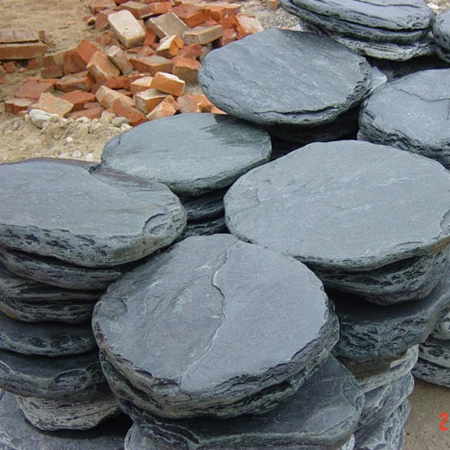
Applying free form stone for terrace walls and garden pathways, blending seamlessly with the rugged Palestinian terrain.

5. Modern Apartment Accent Walls

Installing natural slate stone veneer in urban apartments to add luxury texture without compromising interior floor space.

Brand Story

Global Development Journey of Hebei Sonmacis Stone Co., Ltd.

Foundational Excellence

Established with a vision to bridge the gap between raw mineral extraction and high-end architectural art, focusing on precision cutting.

Technological Breakthrough

Invested in advanced CNC machinery to solve the industry pain point of inconsistent thickness in natural stone veneers.

Global Market Expansion

Extended our reach to Asia and the Middle East, tailoring our stone processing to meet the specific climatic needs of regions like Palestine.

Quality Certification

Achieved international standards in stone durability and eco-friendly production, becoming a trusted partner for global architects.

Future Vision

Committed to leading the "Sustainable Stone" movement, reducing carbon footprints while delivering timeless beauty to every project.

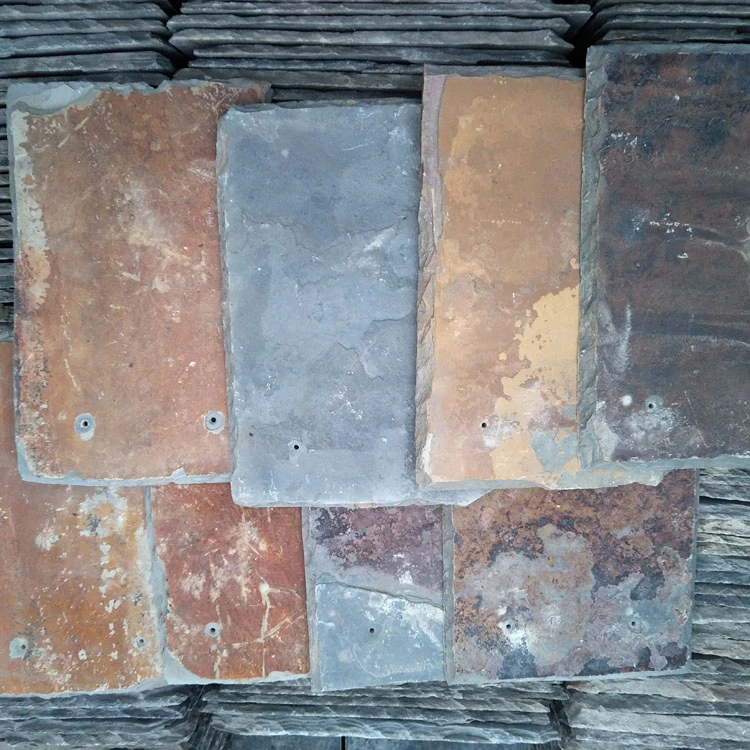
Comprehensive Stone Portfolio for Palestine

A curated selection of materials designed for durability, elegance, and regional compatibility.

Palestine Project FAQ

Expert answers to common technical and logistical questions.

How does builder stone perform in the hot Palestinian climate?

Our builder stone is processed to have low thermal expansion coefficients, ensuring it doesn't crack under extreme heat and maintains its structural integrity over decades.

What is the installation advantage of natural slate stone veneer over solid stone?

Natural slate stone veneer is significantly lighter, reducing the load on the building's foundation and allowing for installation on interior walls where solid stone would be too heavy.

Is natural stone wall cladding suitable for high-humidity coastal areas in Palestine?

Yes, provided a high-quality sealant is used. Our cladding is processed to minimize porosity, reducing the risk of salt efflorescence in coastal environments.

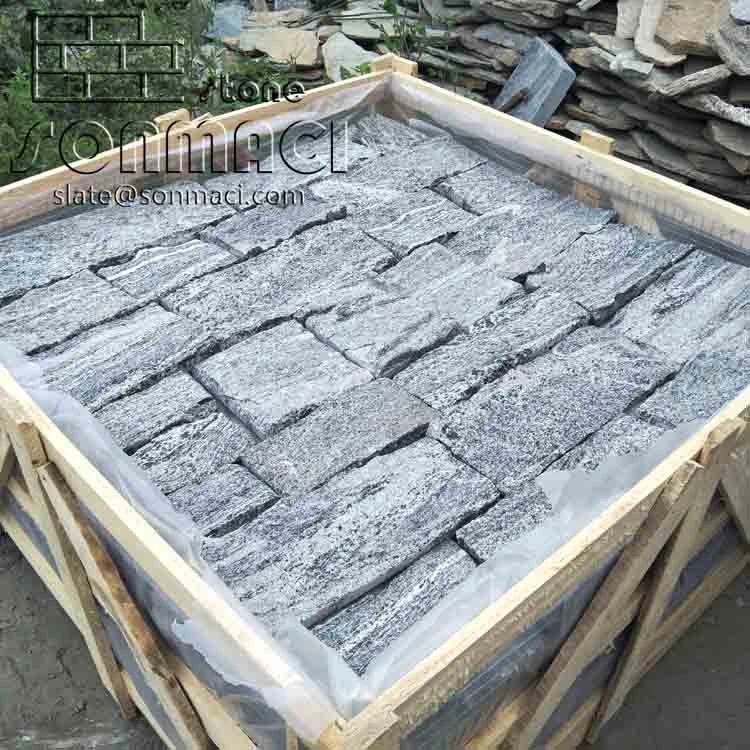
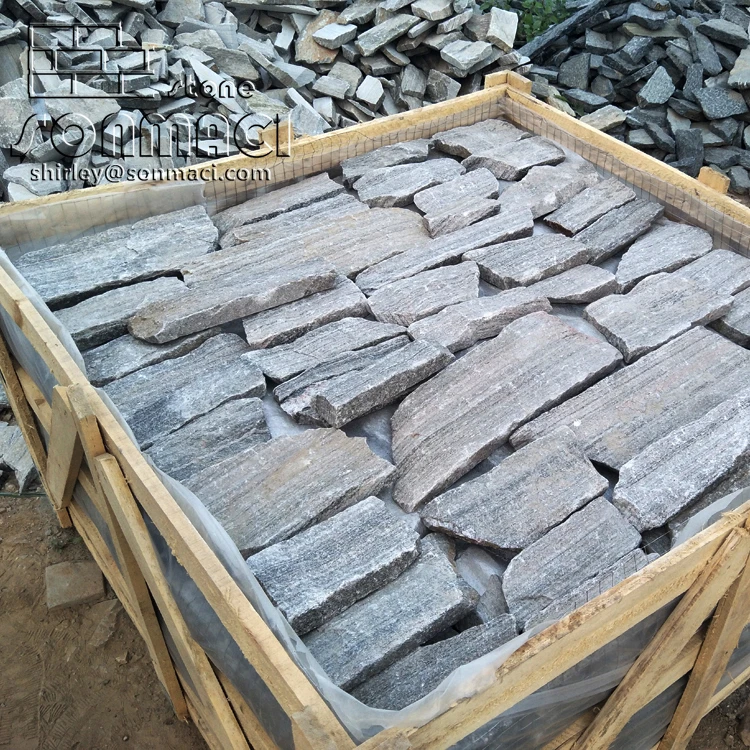
How to choose between ledgestone and free form stone for exterior walls?

Ledgestone provides a structured, linear look ideal for modern architectural lines, while free form stone offers a rustic, organic appearance suited for traditional or landscape projects.

Can these stone products be integrated with modern insulation systems?

Absolutely. Our thin-cut veneers are specifically designed to be applied over insulation layers, enhancing energy efficiency without sacrificing the stone aesthetic.

What are the maintenance requirements for natural stone veneers in urban Palestine?

Regular dusting and an annual application of a breathable water-repellent sealer are recommended to protect against urban pollutants and dust accumulation.

Get a Professional Stone Consultation

Our experts are ready to provide customized stone processing solutions for your projects across Palestine.

Contact Us Now

If you are interested in our products, you can choose to leave your information here, and we will be in touch with you shortly.