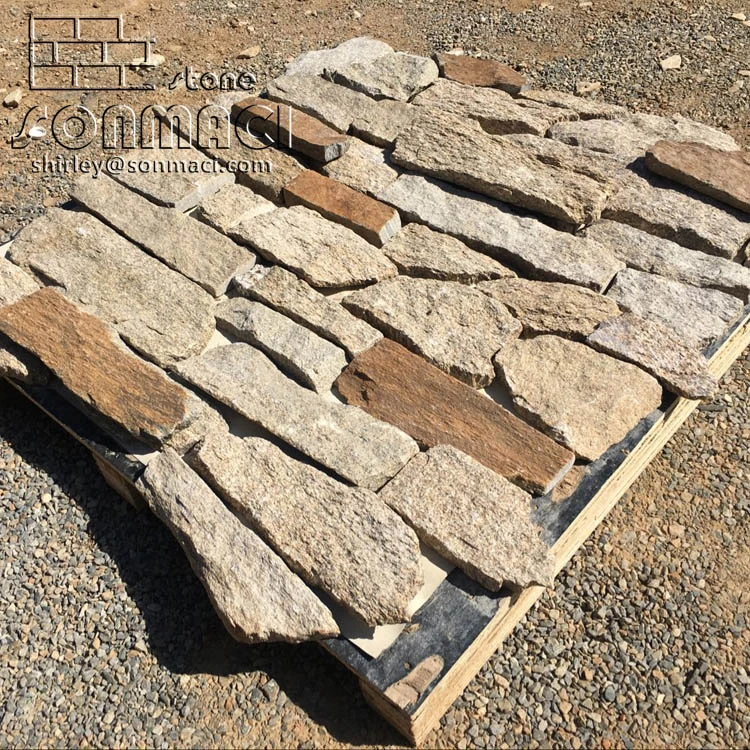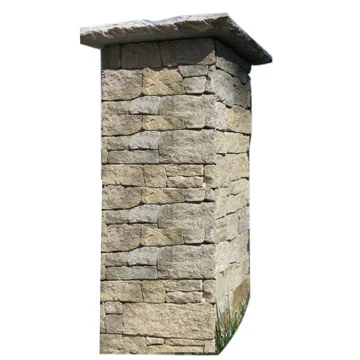
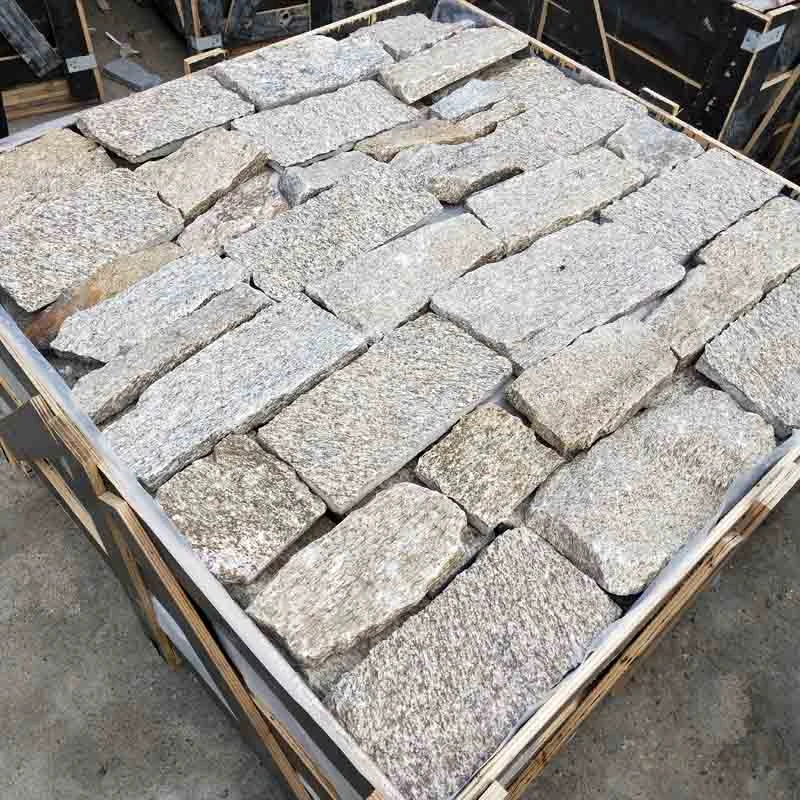
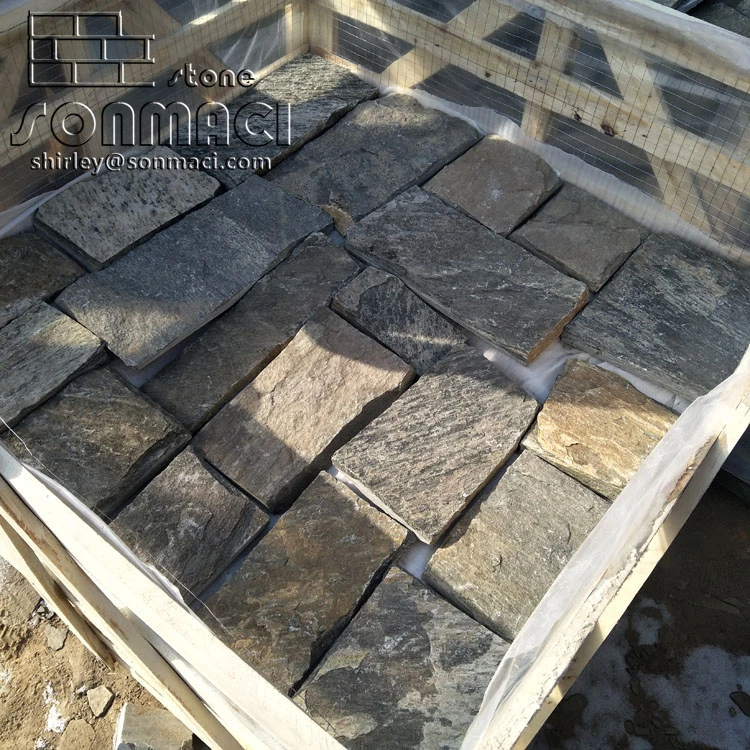
Premium Ledgestone Solutions for New Zealand Architecture

Integrating natural geological aesthetics with high-performance engineering to redefine luxury cladding across Oceania.

Premium Ledgestone Solutions for New Zealand Architecture

We provide high-end stone processing services tailored for the New Zealand market, specializing in durable, weather-resistant natural stone veneers that blend seamlessly with the unique Pacific landscape.

Current Market State of Stone Cladding in New Zealand

Analyzing the intersection of geological availability and architectural demand in the Oceania region.

The New Zealand construction sector currently faces a high demand for authentic textures that reflect the country's rugged natural beauty. The proliferation of natural stone wall cladding has shifted from purely luxury estates to high-end commercial developments in Auckland and Queenstown, driven by a desire for sustainable, long-lasting materials.

Due to the maritime climate and high UV exposure in Oceania, the local market requires materials with exceptional freeze-thaw resistance. Consequently, there is a growing preference for natural slate stone veneer, which offers the necessary durability against coastal salt spray and volatile temperature fluctuations.

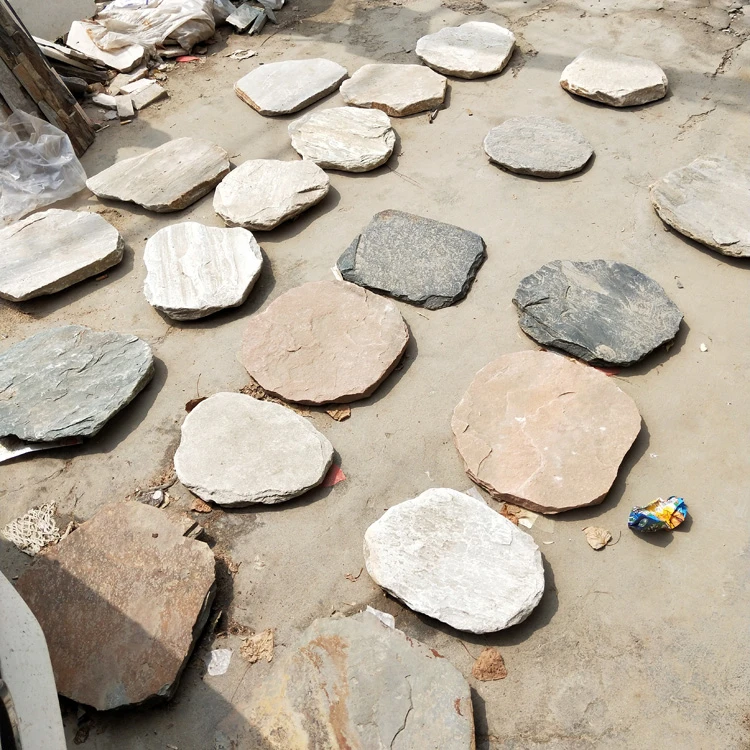
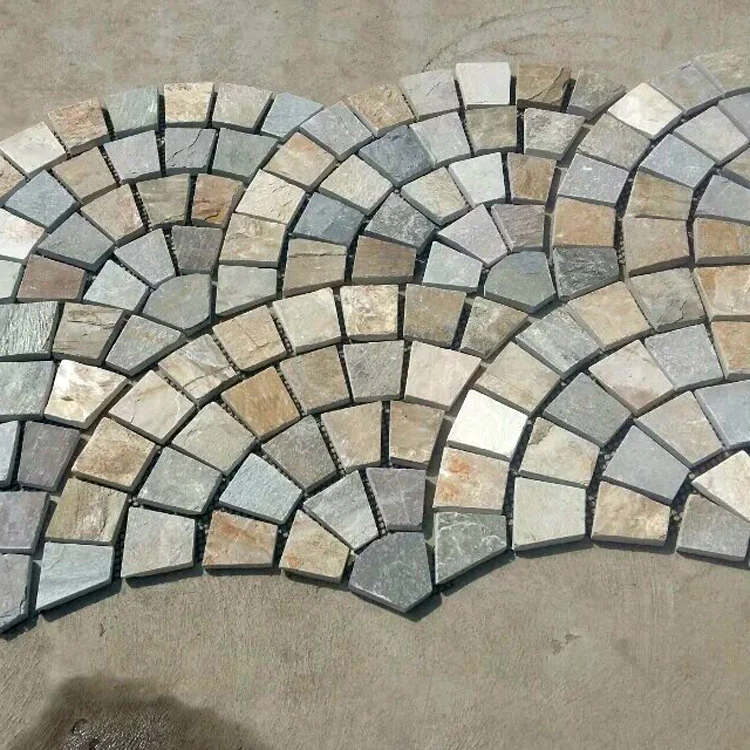
Current trends indicate a move away from uniform, manufactured looks toward organic irregularity. This has sparked a resurgence in free form stone applications, where architects seek to create a dialogue between the built environment and the surrounding native bush and mountainous terrain.
Evolution and Trajectory of Architectural Stone Processing

From heavy masonry to lightweight, precision-engineered stone veneers.

Market Development History

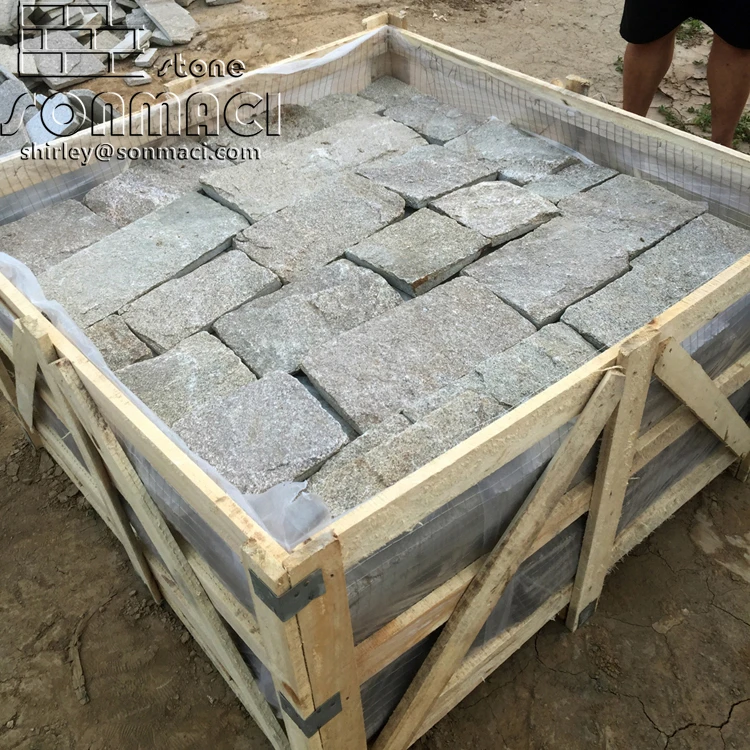
Historically, New Zealand relied on heavy, load-bearing stone masonry. In the mid-20th century, the industry transitioned toward thinner facing stones to reduce structural load and installation time, marking the early adoption of builder stone for residential foundations and retaining walls.

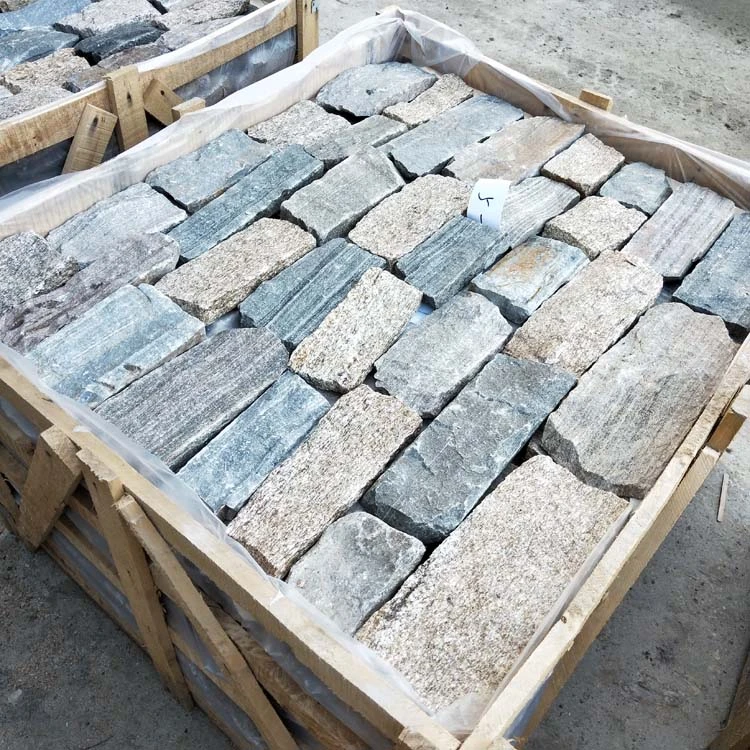
Between 2000 and 2015, the introduction of CNC precision cutting and advanced bonding agents allowed for the rise of thin-cut veneers. This era saw the transition from massive blocks to structured ledgestone, enabling designers to achieve a stacked-stone aesthetic without the weight of traditional masonry.

In the last decade, the focus has shifted toward "Installation Efficiency." The industry has evolved to provide pre-assembled panels and calibrated thickness, significantly reducing on-site labor costs while maintaining the E-E-A-T (Experience, Expertise, Authoritativeness, and Trustworthiness) standards of natural mineral processing.

Future Development Trends

Eco-Conscious Sourcing and Carbon Footprint

Future trends indicate a strict move toward LEED-certified sourcing and low-emission transport logistics to satisfy New Zealand's stringent environmental regulations.

Integration of Smart Fastening Systems

The shift toward mechanical fastening systems over traditional adhesives will increase the longevity and recyclability of stone cladding in seismic-prone regions.

Hyper-Realistic Thin-Slice Technology

Advancements in diamond-wire sawing will allow for even thinner veneers that retain 100% of the natural mineral profile, reducing shipping costs from overseas quarries.

Industry Outlook and Technological Forecasting

Projecting the growth of non-metallic mineral products in the Oceania architectural landscape.

Sustainable Extraction
Shift toward quarries utilizing closed-loop water systems and renewable energy for stone cutting.
Precision Modularization
Implementing BIM-integrated stone panels for rapid, error-free installation on complex facades.
Climate-Adaptive Finishes
Development of nano-coatings that prevent algae growth in humid New Zealand coastal regions.
Digital Twin Integration
Using 3D scanning to match quarry blocks perfectly with architectural blueprints.

Industry Outlook

Based on Google search trends for "sustainable building materials New Zealand," there is a measurable spike in queries related to natural mineral alternatives to synthetic cladding. We predict that the demand for processed stone will grow by 15% annually over the next 5 years as homeowners prioritize thermal mass and longevity.

The convergence of aesthetic desire and environmental necessity will lead to a "New Naturalism" in Oceania, where high-precision natural stone wall cladding becomes the benchmark for premium architectural identity.

Localized Application Scenarios in New Zealand

Practical implementations of stone processing for diverse New Zealand environments.

01. Queenstown Alpine Retreats

Utilizing rugged ledgestone for exterior accent walls to complement the dramatic Southern Alps backdrop, providing high thermal insulation and frost resistance.

02. Auckland Coastal Villas

Implementing natural slate stone veneer on seaside facades to withstand high salinity and wind erosion while maintaining a sleek, modern aesthetic.

03. Wellington Urban Commercial Hubs

Applying precision-cut builder stone for corporate lobby feature walls, balancing professional formality with the warmth of natural minerals.

04. Central Otago Vineyard Estates

Creating rustic boundary walls and wine cellar interiors using free form stone to mirror the historic European-style stone masonry of the region.

05. Taupo Lakeside Wellness Centers

Integrating smooth-textured natural stone wall cladding in spa and meditation areas to foster a connection between indoor serenity and outdoor nature.

Brand Story

Global Development Journey of Hebei Sonmacis Stone Co., Ltd.

Foundational Precision

Established with a mission to bridge the gap between raw quarry minerals and architectural precision, we began by mastering the art of traditional stone cutting.

Technological Leap

We invested in Italian diamond-wire technology to solve the industry pain point of material waste, enabling the production of ultra-thin, high-strength veneers.

Global Standards Adoption

By aligning our production with ISO and ASTM standards, we expanded our reach to the most demanding markets, ensuring every slab meets global quality benchmarks.

Oceania Market Entry

Tailoring our product line specifically for New Zealand's seismic and climatic needs, focusing on lightweight yet durable cladding solutions.

Vision for the Future

Dedicated to becoming the world's leading provider of sustainable stone solutions, combining ancestral mineral beauty with futuristic engineering.

Complete Stone Solutions Portfolio for New Zealand

A curated selection of processed minerals designed for the Oceania climate and aesthetic.

Common Questions Regarding Stone Cladding in New Zealand

Expert answers to technical queries about mineral processing and installation.

Which builder stone is best for New Zealand's seismic activity?

For seismic zones, we recommend lightweight thin-cut veneers installed with mechanical fasteners rather than rigid mortar, as this allows for slight movement without structural cracking.

How does ledgestone hold up against coastal salt spray in Auckland?

Our processed ledgestone undergoes a rigorous sealing process that prevents salt penetration and mineral efflorescence, ensuring long-term color retention in coastal environments.

Is free form stone more expensive to install than structured veneer?

Yes, free form stone requires more artisan skill to arrange naturally, but it provides a unique, high-value aesthetic that significantly increases property valuation in premium markets.

What is the maintenance requirement for natural slate stone veneer?

Natural slate is incredibly low-maintenance. We recommend a professional sealant application every 3-5 years to maintain the deep luster and water-repellent properties.

Can natural stone wall cladding be used on interior feature walls?

Absolutely. Using exterior-grade stone interiors creates a seamless transition between indoor and outdoor living, a hallmark of modern New Zealand architectural design.

How do I choose the right thickness for my stone veneer project?

Thickness depends on the substrate. For lightweight drywall, 1-2cm veneers are ideal. For heavy masonry or structural concrete, thicker slabs provide more traditional depth and durability.

Consult Our Stone Experts

Ready to elevate your architectural project in New Zealand? Contact our technical team for custom specifications and sampling.

Contact Us Now

If you are interested in our products, you can choose to leave your information here, and we will be in touch with you shortly.