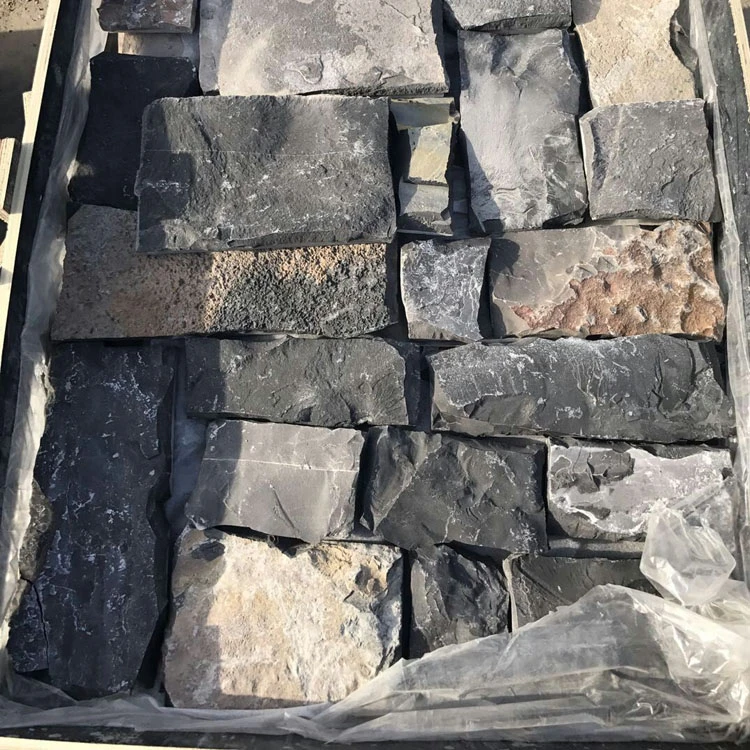
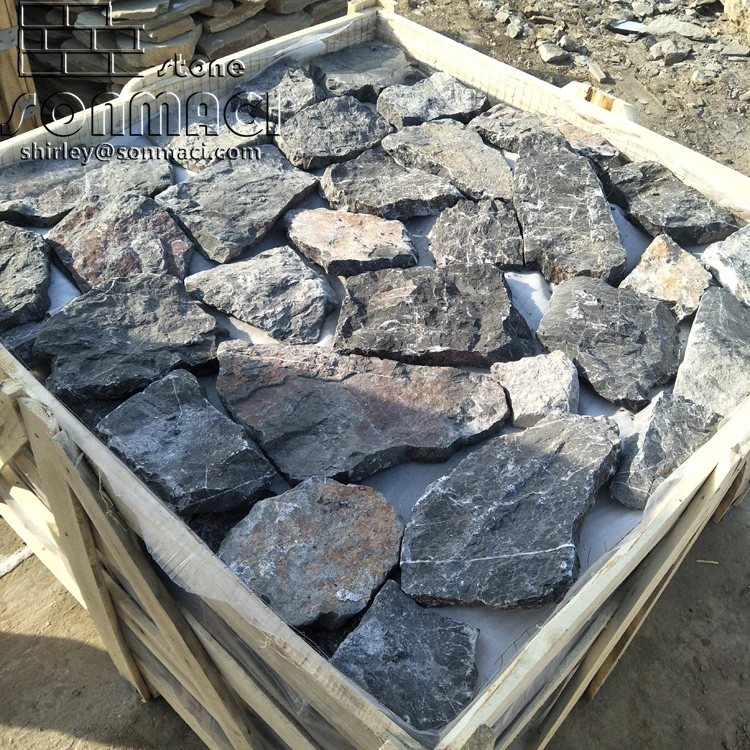
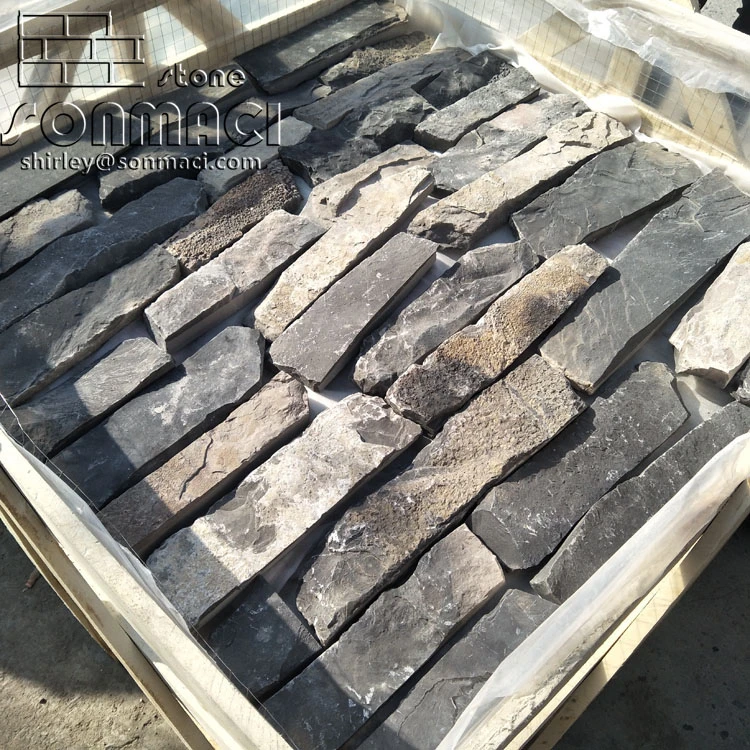
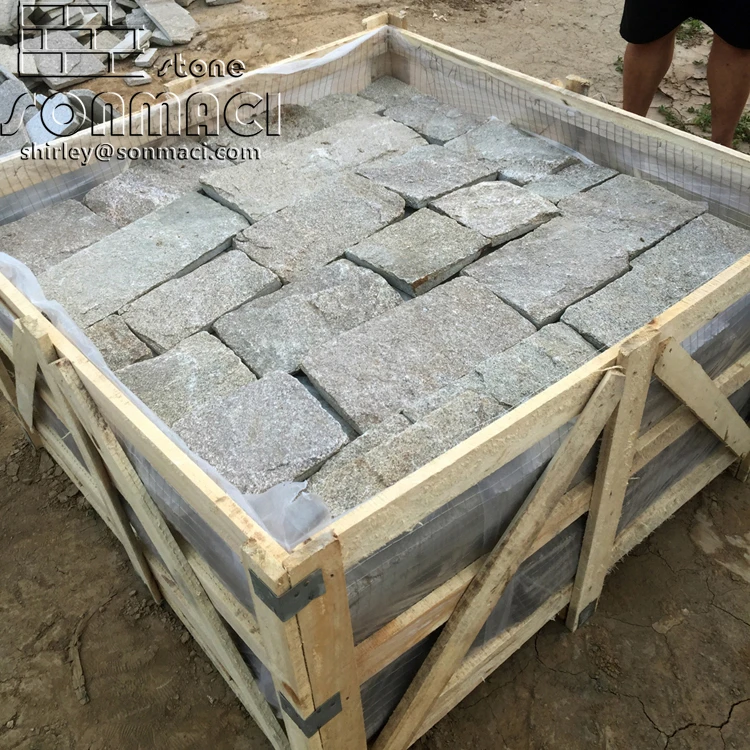
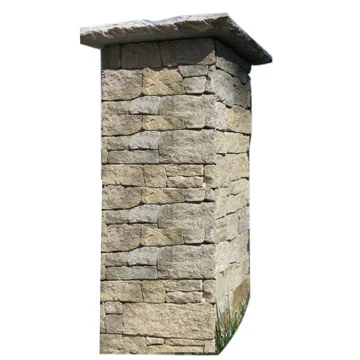
Premium ledgestone Solutions for Myanmar Architecture

Integrating sustainable geological excellence with Myanmar's unique structural aesthetics through advanced stone processing technology.

Premium ledgestone Solutions for Myanmar Architecture

High-performance stone cladding systems engineered to withstand the humid tropical climate of Southeast Asia while providing timeless luxury.

Current State of Stone Processing in Myanmar

Analyzing the intersection of natural resource availability and modern architectural demand in Myanmar.

The Myanmar construction sector is currently undergoing a transition where traditional masonry is being replaced by precision-cut builder stone. Due to the region's high humidity and seasonal monsoons, there is an urgent demand for materials that resist moisture penetration and biological growth.

Currently, many luxury residential projects in Yangon and Mandalay are shifting toward natural stone wall cladding to achieve thermal insulation and aesthetic prestige, moving away from synthetic paints that peel under extreme UV exposure.

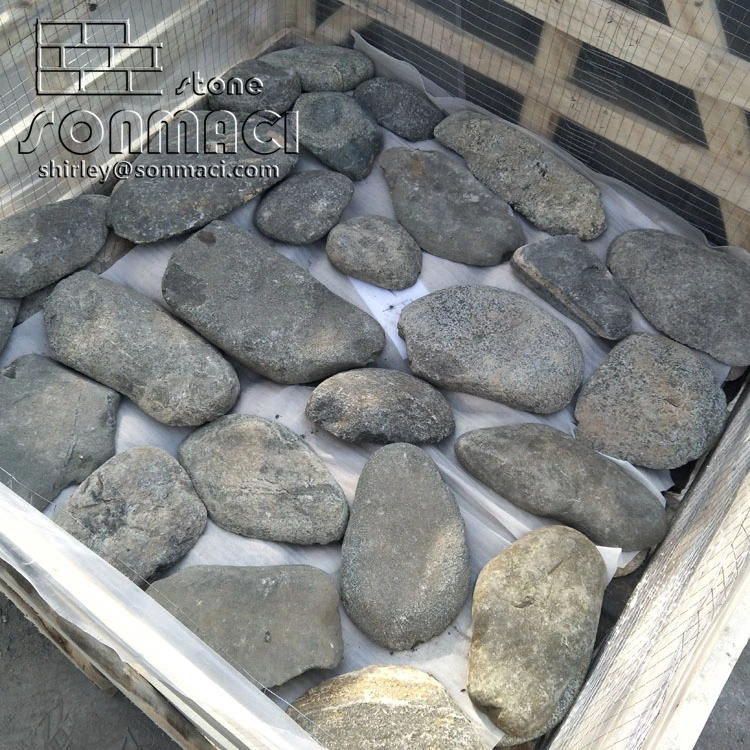
However, the local market still faces a gap in standardized processing. The introduction of calibrated free form stone has started to bridge the gap between raw geological extraction and high-end interior design requirements.
Evolution of Stone Processing Technology

From manual quarrying to CNC-precision stone engineering.

Market Development History

Between 1990 and 2010, the industry relied heavily on hand-chipped blocks, focusing on structural bulk rather than ornamental precision. The focus was primarily on utility and basic load-bearing capacities.

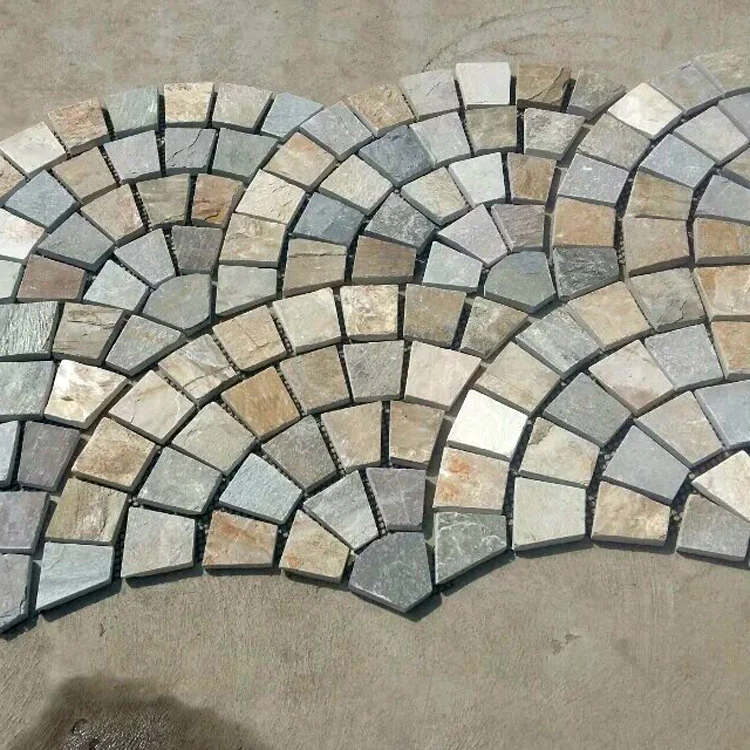
From 2011 to 2020, the arrival of diamond-blade cutting technology allowed for the emergence of natural slate stone veneer, enabling thinner, lighter, and more transportable stone layers for urban development.

Since 2021, the integration of AI-driven sorting and automated polishing has standardized the output of architectural stone, ensuring consistent thickness and texture for large-scale commercial projects.

Future Development Trends

Eco-Friendly Resin Binding

Integration of bio-resins to enhance the durability of veneers against Myanmar's acidic rain patterns.

Modular Installation Systems

Shift toward interlocking mechanisms that reduce installation time and labor costs on site.

Digital Texture Mapping

Using 3D scanning to ensure the seamless fit of irregular stone patterns before shipment.

Industry Trends and Future Outlook

Strategic forecasts for the non-metallic mineral processing sector in Asia.

Sustainable Sourcing
Implementing low-impact quarrying methods to preserve Myanmar's biodiversity.
Precision Thin-Cutting
Reducing material waste through ultra-thin slicing technology for veneers.
Smart Weatherproofing
Developing nano-coatings to prevent algae growth in tropical climates.
Architectural Integration
Syncing stone textures with modern BIM software for exact planning.

Industry Outlook

Google search trends indicate a rising interest in "biophilic design" within the Asian market, suggesting that natural textures like slate and ledgestone will see a 15% increase in demand over the next 3 years.

As Myanmar's urban centers expand, the focus will shift from purely structural stone to high-value aesthetic veneers that offer both luxury and longevity.

Localized Application Scenarios in Myanmar

Practical implementations of high-end stone processing across various sectors.

01. Luxury Villa Facades in Yangon

Using premium natural stone wall cladding to create thermal barriers and prestigious curb appeal for high-end residential estates.

02. Boutique Hotel Interiors in Bagan

Integrating free form stone into feature walls to complement the ancient historical atmosphere of the region.

03. Corporate Office Lobbies in Naypyidaw

Implementing sleek natural slate stone veneer for a modern, professional look that is easy to maintain in high-traffic areas.

04. Garden Landscaping in Inle Lake Resorts

Applying rugged builder stone for retaining walls and natural walkways that blend with the aquatic landscape.

05. High-End Retail Storefronts

Utilizing precision-cut ledgestone to create visually striking textures that attract luxury shoppers in urban shopping malls.

Brand Story

Global Development Journey of Hebei Sonmacis Stone Co., Ltd.

Foundational Excellence

Established with a mission to solve the inconsistency of raw stone processing through rigorous industrial standardization.

Technological Breakthrough

Invested in automated CNC cutting lines to eliminate human error and provide millimeter-precision veneers.

Global Expansion

Expanded logistics networks to reach the Asian market, specializing in humidity-resistant stone for Southeast Asia.

Sustainable Innovation

Launched a "Zero Waste" initiative by repurposing stone offcuts into architectural mosaics.

Vision 2030

Leading the transition toward smart-stone integration and sustainable urban cladding globally.

Comprehensive Stone Portfolio for Myanmar

A curated selection of materials tailored for the Myanmar climate and architectural style.

Common Questions for Myanmar Stone Projects

Expert answers to technical challenges in the local stone industry.

How does ledgestone perform in Myanmar's high humidity?

Our ledgestone is processed with a low-porosity finish and recommended with hydrophobic sealants to prevent moisture absorption and algae growth during monsoon seasons.

What is the best way to install natural slate stone veneer on old walls?

We recommend a mechanical fastening system combined with polymer-modified adhesives to ensure the veneer adheres strongly to uneven substrate surfaces.

Is builder stone suitable for external retaining walls in hilly regions?

Yes, our builder stone provides excellent compressive strength and structural stability, making it ideal for the topography of Myanmar's highland areas.

How do I maintain natural stone wall cladding in urban Yangon?

Simple periodic cleaning with pH-neutral detergents and a re-application of sealant every 3-5 years is sufficient to maintain the luster.

Can free form stone be used for interior feature walls?

Absolutely. Free form stone creates a natural, organic aesthetic that is highly sought after for luxury interior design and accent walls.

What are the lead times for importing processed stone to Myanmar?

Depending on the volume and customization, typical lead times range from 3 to 6 weeks, including precision processing and international shipping.

Consult Our Stone Experts

Ready to elevate your architectural project in Myanmar? Get professional guidance on stone selection and technical implementation.

Contact Us Now

If you are interested in our products, you can choose to leave your information here, and we will be in touch with you shortly.