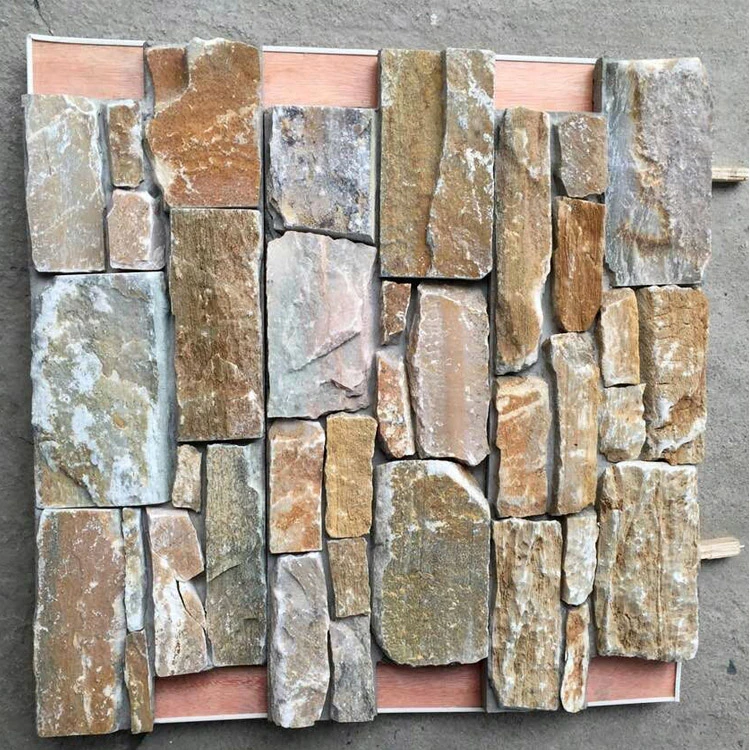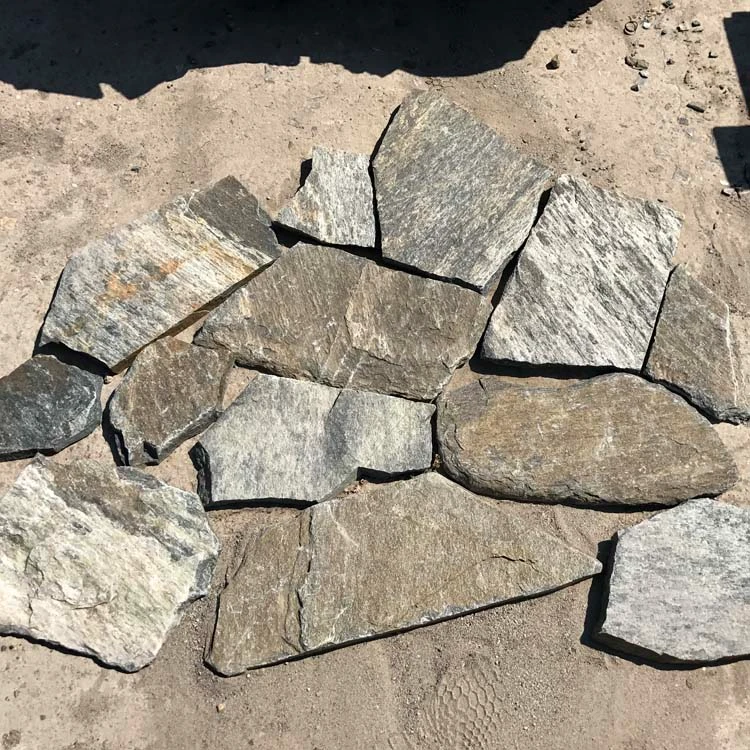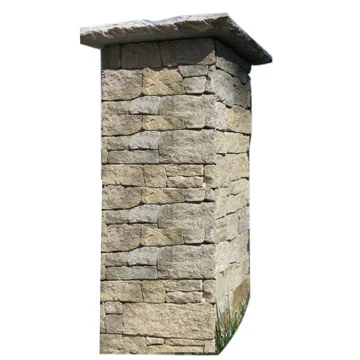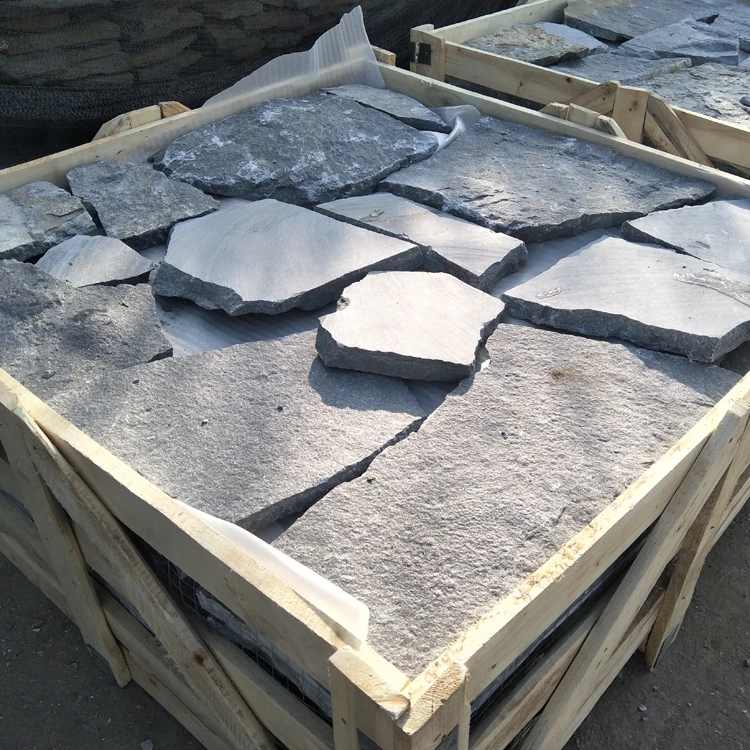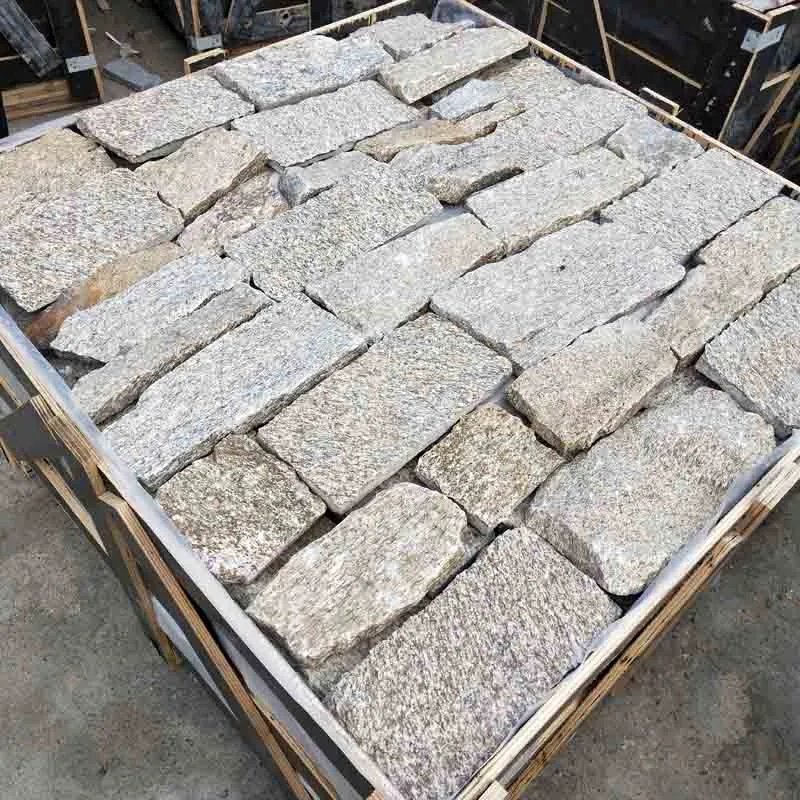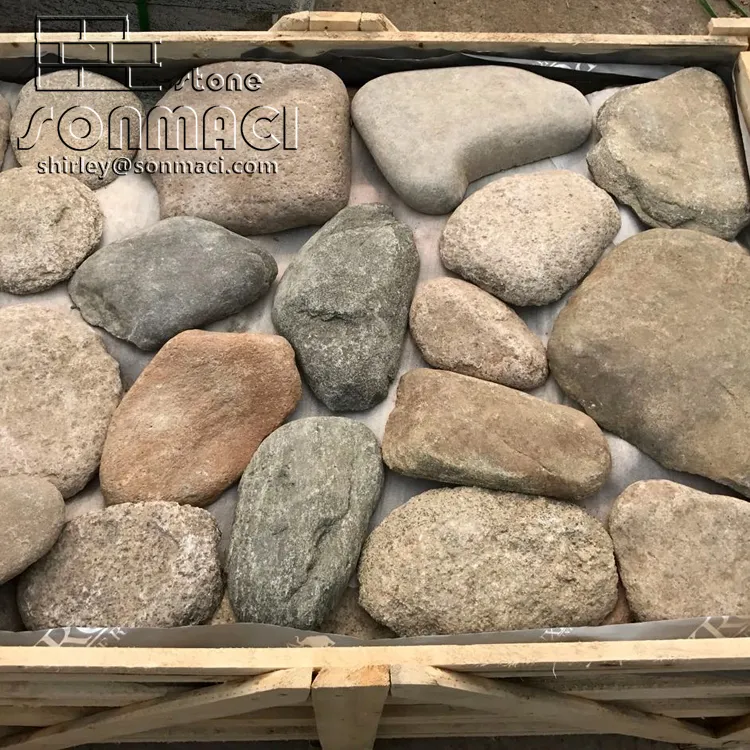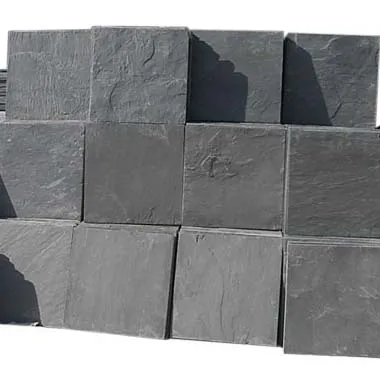
Engineered Stacked Stone: Durable, Stylish Cladding for Industrial Use
Engineered Stacked Stone: A Practical Look from the Industrial Trenches
Having spent more than a decade knee-deep in industrial materials—supporting projects from commercial builds to industrial facades—I’ve seen a fair share of product evolutions. Engineered stacked stone is one of those solutions that really grabbed my attention a few years back. It feels like the perfect blend of aesthetics and durability, which frankly, isn’t always the case with decorative cladding.
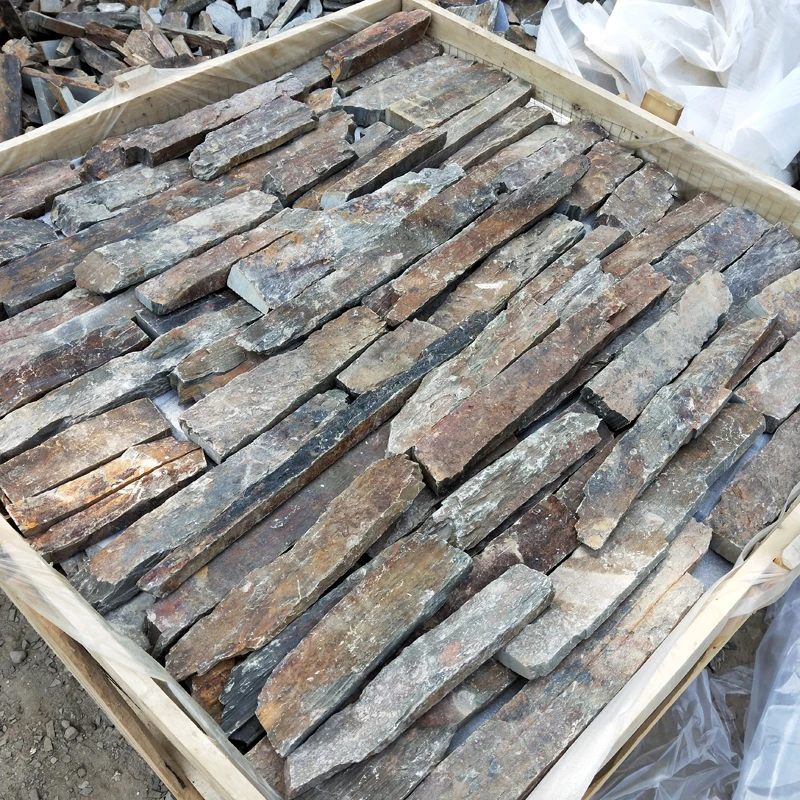
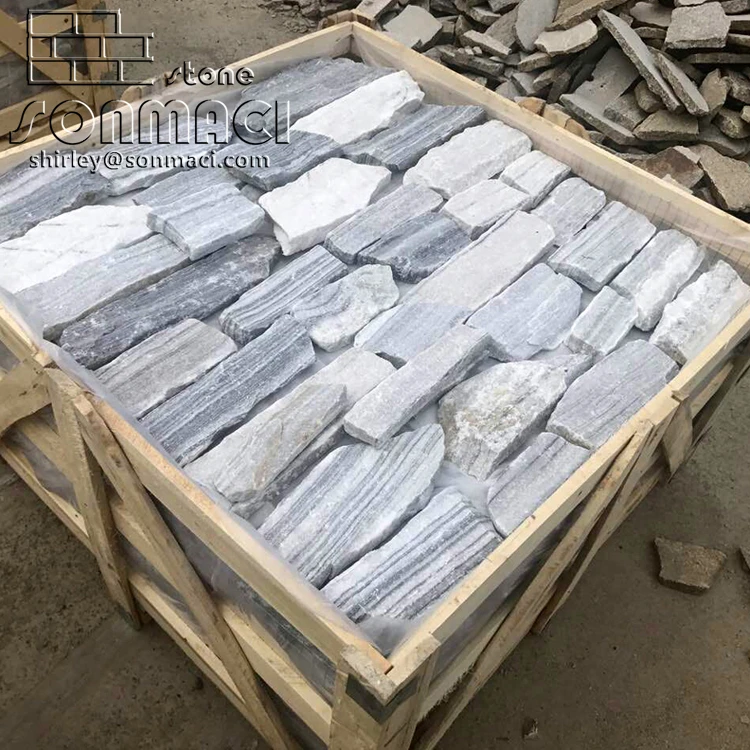
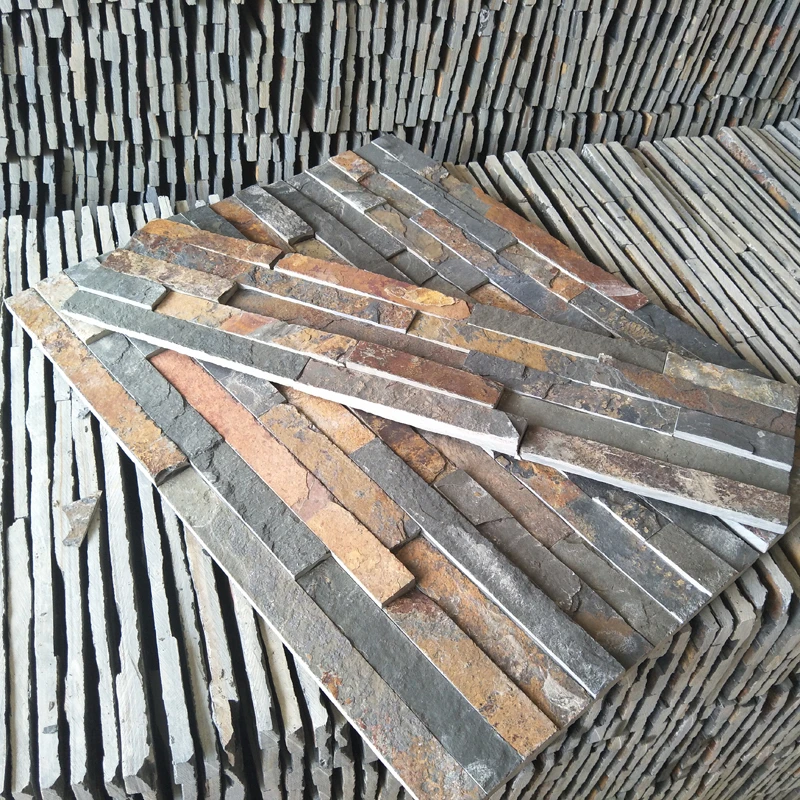
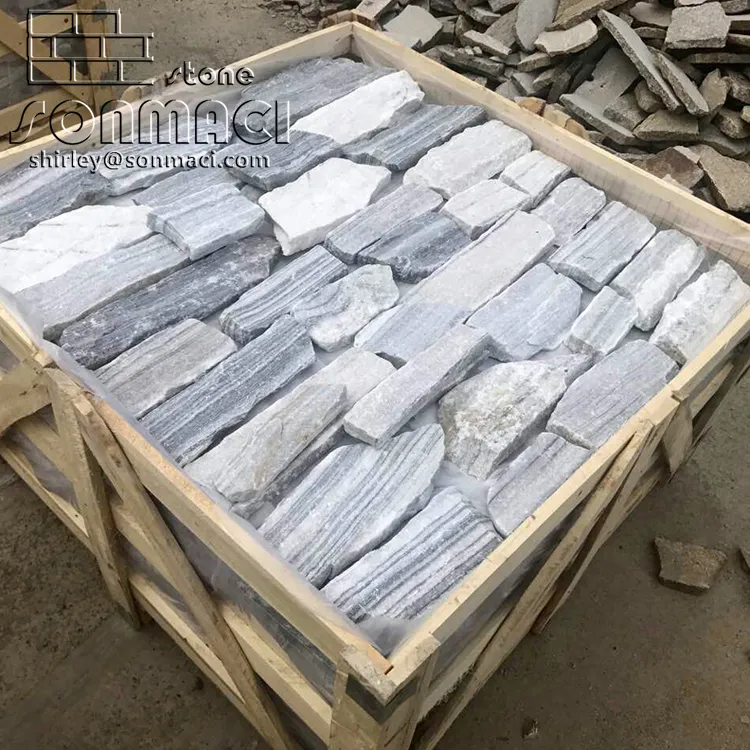
What’s appealing about engineered stacked stone is how it mimics natural stone but avoids many of the hassles—think weight, variability, and installation headaches. Oddly enough, it’s a product category that’s matured quietly, but now it’s becoming a solid go-to for architects and contractors who want that authentic stone look without a lot of fuss.
If you haven’t worked with it directly, it helps to know that engineered stacked stone is usually made from a blend of cement, aggregates, and pigments, with some manufacturers adding polymers for added strength and water resistance. The manufacturing process ensures consistent shapes, colors, and textures—something you just can’t guarantee from quarried natural stone. This repeatability makes planning and installation significantly smoother on-site.
In real terms, I remember a project for a mid-sized industrial warehouse where the design called for a rugged, earthy facade. Using engineered stacked stone panels sped up the construction schedule by nearly 20%, mainly because the stones were lighter and easier to handle. The contractors I worked with said this cut down labor fatigue and reduced material waste, which was a welcome bonus.
| Property | Specification |
|---|---|
| Composition | Portland cement, aggregates, pigment, polymers |
| Density | Approx. 120-140 lbs/ft³ |
| Panel Size | 12" - 24" Width, 6" - 12" Height (varies by vendor) |
| Compressive Strength | > 3000 psi |
| Water Absorption | |
| Installation | Mortar or mechanical fastening |
Material performance aside, what many engineers like myself notice is that engineered stacked stone stands up better in freeze-thaw cycles and resists efflorescence more reliably than some natural stone alternatives. It’s those little durability factors that really matter when you’re specifying materials intended to last a generation or longer.
Of course, the market offers a few reputable vendors, each with slightly different approaches to texture and finishing. I’ve pulled together a quick vendor comparison here so you get a clearer picture:
| Vendor | Texture Variations | Color Options | Lead Time | Approx. Cost (per sq.ft.) |
|---|---|---|---|---|
| SonMaci Stone | Highly varied, realistic grain | 15+ natural tones | 2-3 weeks | $12 - $18 |
| RockCrest | Moderate texture options | 8 standard colors | 3-4 weeks | $10 - $15 |
| EcoStone | Subtle, smooth finishes | 12 earth tones | 1-2 weeks | $14 - $20 |
Between you and me, I often recommend SonMaci Stone for its near-natural appearance and robust manufacturing quality. Plus, their lead times tend to fit within typical project schedules without feeling rushed or painfully long.
One last thing — customization is where engineered stacked stone shines. Depending on your supplier, you can tweak color blends, panel sizes, and even texture depth. On a recent job, a client wanted a custom blend mimicking local sandstone, and the manufacturer nailed it. That level of personalization really helps clients feel they’ve got something unique, not just stock product slapped onto a wall.
Overall, engineered stacked stone feels like a “safe bet” for both aesthetics and long-term performance. It’s not just pretty face material — it packs the industrial-grade specs that keep things solid through weather, wear, and time.
For anyone specifying facade materials or interior feature walls, I’d say: give engineered stacked stone a second look. It’s one of those products where experience pays off, and frankly, the more you work with it, the clearer it gets why it keeps rising in popularity.
In the end, like most materials, the trick really lies in proper support, installation, and matching the stone to the environment — but starting with quality engineered stacked stone definitely stacks the odds in your favor.
References:
- Industry Materials Handbook, 2022 Edition
- Design+Build Magazine: Facade Innovations, March 2023
- Technical Data Sheets from leading engineered stone manufacturers