Natural Slate Mushroom Stone and Guide to build it stone prices
Selecting the right cladding material for exterior walls requires a balance between aesthetic appeal and structural resilience. Natural Slate External Wall Mushroom Stone offers a distinctive organic texture and rich color palette that transforms ordinary facades into architectural statements. For procurement managers and architects, understanding the factors that influence build it stone prices is essential for accurate budgeting and material selection, especially when dealing with varied natural finishes like rusty or black slate.
This premium stone is characterized by its low water absorption and high resistance to acid, fire, and extreme temperature fluctuations, making it an ideal choice for both residential villas and public construction projects. By sourcing from manufacturers with direct quarry access, buyers can ensure a consistent supply of high-vein, solid-texture materials that meet strict quality standards for longevity and weatherproofing in diverse climates.

Technical Properties and Material Composition of Natural Slate Mushroom Stone
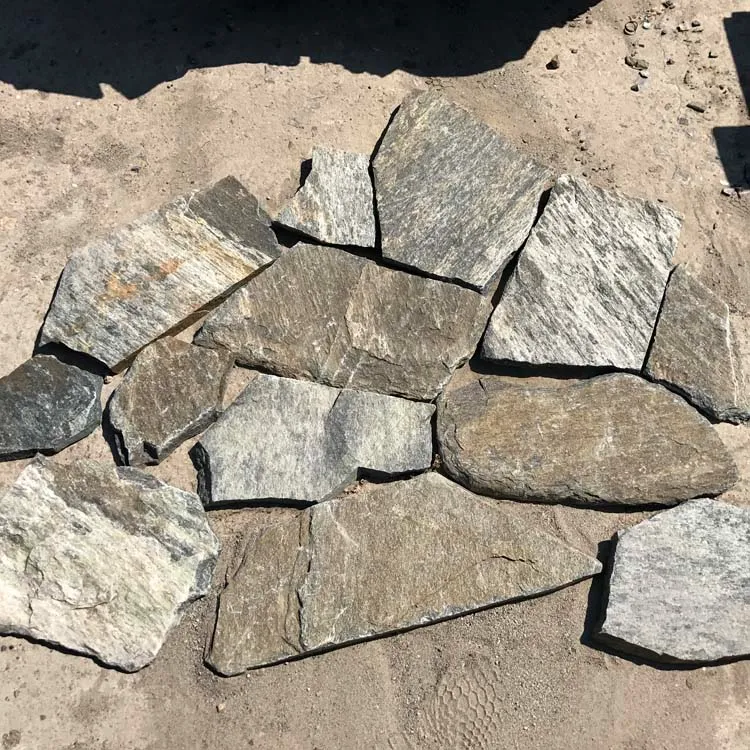
Natural Slate is a metamorphic rock highly valued in the construction industry for its durability and unique cleavage properties. The "Mushroom Stone" variation is specifically processed to highlight the organic, rounded, or tiered edges that mimic natural geological formations. This material is not only visually striking but is engineered for performance, featuring a natural surface finish that maintains its integrity against UV exposure and heavy precipitation.
From a technical standpoint, the material's density contributes to its low porosity, which prevents water ingress and subsequent freeze-thaw damage—a critical requirement for external wall applications. The available color spectrum, including white, green, black, and rusty tones, is derived from the mineral composition of the slate, ensuring that the colors are deep-seated and will not fade over time. This makes it a superior alternative to synthetic veneers or painted finishes.
- Mineral Stability: High resistance to acid rain and chemical pollutants.
- Thermal Performance: Natural insulation properties that help regulate internal building temperatures.
- Texture: Rich veins and solid textures that provide a high-end, natural aesthetic.

Optimal Application Scenarios for External Stone Cladding
The versatility of Natural Slate Mushroom Stone allows it to be utilized across a wide range of architectural styles. In modern luxury villas, it is often used as an accent wall to create a focal point that blends the structure with the surrounding landscape. In public construction and commercial courtyards, the stone's robustness ensures that it can withstand high-traffic environments while maintaining a grace and spectacular art effect.
Beyond vertical walls, this stone is frequently integrated into garden decoration and landscaping projects. Its ability to resist coldness and fire makes it safe for use near outdoor fireplaces or in regions with harsh winters. When planning the installation, architects typically specify sizes such as 100200mm or 200400mm to create a rhythmic pattern that enhances the visual depth of the building facade.
Effective application involves matching the stone color to the environmental context—for instance, using rusty slate for a rustic, earthy feel in a countryside retreat, or black slate for a sophisticated, contemporary look in an urban office complex.
Evaluating Supplier Capabilities and Quality Control Standards
For large-scale projects, the reliability of the supply chain is as important as the material itself. A qualified supplier should possess integrated capabilities, from quarrying to final fabrication. Hebei Sonmaci Stone Co., Ltd. leverages over 20 years of industry experience and a 20,200m² facility to ensure that every batch of slate meets rigorous quality benchmarks. This vertical integration is key to maintaining the continuity of quality across thousands of square meters of cladding.
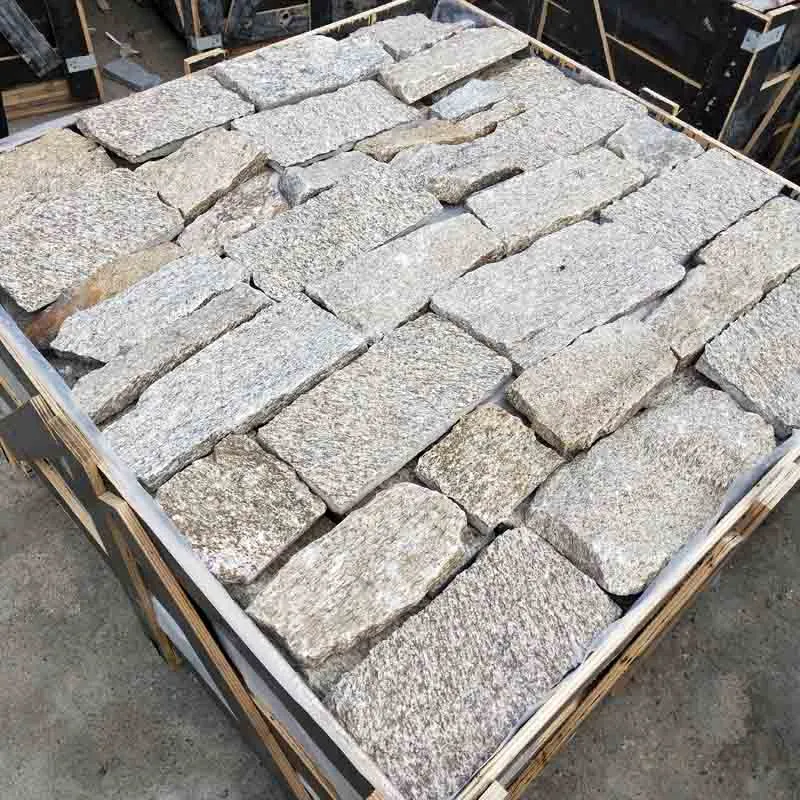
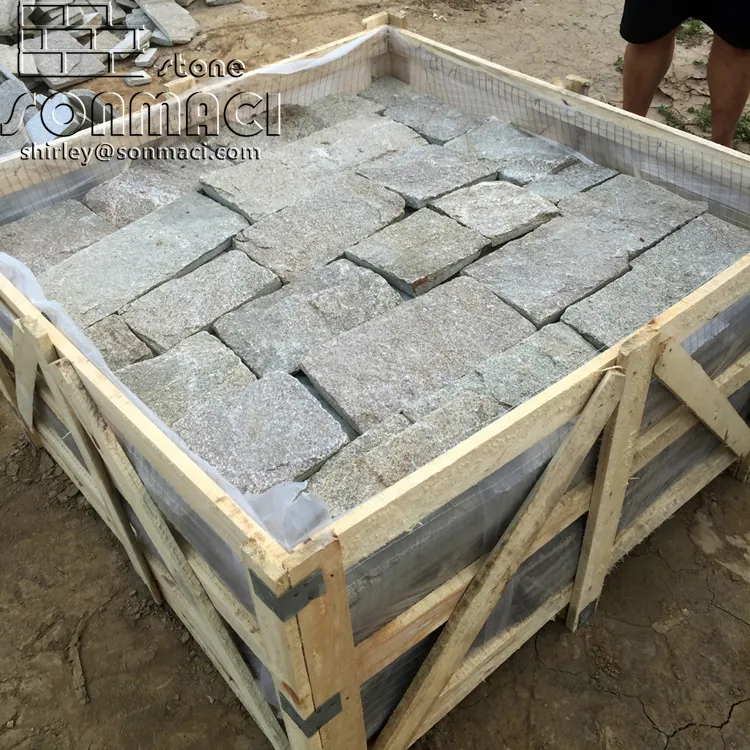
Quality control in slate processing involves examining the stone for structural fissures and ensuring consistent thickness. Skilled technicians and designers, familiar with both Eastern and Western artistic styles, oversee the cutting and finishing processes. This ensures that the "Mushroom" effect is consistent and that the stone is packed securely—typically 30M2 per crate—to prevent breakage during international transit via ports like Tianjin.
Buyers should look for suppliers who can provide custom fabrication and end-to-end logistics, reducing the risk of project delays and ensuring that the delivered product matches the approved samples in terms of color and vein distribution.
Technical Specifications and Procurement Guide
| Parameter | Specification Detail | Application Impact | Selection Priority |
|---|---|---|---|
| Material Type | Natural Slate / Marble | Determines overall durability | High |
| Common Sizes | 100200 / 150300 / 200400mm | Affects installation speed/look | Medium |
| Surface Finish | Natural Cleft | Provides authentic organic texture | High |
| Key Feature | Low Water Absorption | Prevents mold and frost damage | Critical |
| Delivery Time | 15 Days per 20 FCL | Critical for project scheduling | High |
Strategic Procurement: Managing Costs and Lead Times
When analyzing build it stone prices, procurement officers must consider the total landed cost rather than just the unit price. This includes the material cost, specialized packaging for fragile stone, and international shipping. Sourcing directly from a manufacturer that owns its quarries typically results in a lower cost structure and better quality continuity, as there are fewer intermediaries in the chain.
The payment structure—typically 30% T/T in advance and 70% against the B/L copy—provides a balanced risk profile for both the buyer and the supplier. To optimize costs, it is recommended to order in full container loads (e.g., 600M2 per 20GP), which reduces the per-unit shipping cost and ensures a more efficient logistics flow from the production facility to the construction site.
Furthermore, requesting samples for a trial installation is a vital step. This allows the engineering team to verify the adhesive compatibility and the actual visual impact of the stone color under the project's specific lighting conditions, preventing costly replacements later in the construction phase.
Future Trends in Natural Stone Wall Cladding
The architectural trend is shifting toward "Biophilic Design," where natural materials are used to create a stronger connection between occupants and the environment. Natural Slate Mushroom Stone perfectly aligns with this trend, providing a tactile, organic surface that reduces the sterile feel of modern concrete and glass structures. We are seeing an increase in the use of mixed-color slate palettes to create more dynamic and natural-looking facades.
Technological advancements in stone processing are also allowing for more precise custom fabrication without sacrificing the natural cleft appearance. The integration of sustainable quarrying practices is becoming a primary requirement for global buyers, pushing manufacturers to optimize resource extraction and reduce waste during the production of veneers and mosaics.
As urban areas continue to expand, the demand for low-maintenance, high-durability exterior materials will grow. Slate's natural resistance to pollutants and weathering ensures that it remains a top choice for sustainable, long-term building investments in both residential and public sectors.
Frequently Asked Questions About Slate Wall Stone
What makes Mushroom Stone different from standard slate tiles?
Mushroom Stone refers to a specific natural processing style where the edges are left irregular or rounded, creating a 3D organic effect that mimics natural rock formations, unlike the flat, uniform surface of standard slate tiles.
Is this stone suitable for areas with extreme winter temperatures?
Yes, natural slate is highly resistant to coldness and has low water absorption, which prevents the cracking typically caused by the freeze-thaw cycle in cold climates.
How do I choose the right color for an external wall?
Selection depends on the desired mood: Black and Green offer a modern, sleek look; White provides a clean, classic feel; and Rusty slate is ideal for rustic or traditional architectural styles.
What is the typical lead time for a bulk order?
For a standard 20 FCL order, the delivery time is approximately 15 days after the deposit is received, depending on the specific size and color requirements.
Can the stone be customized to specific dimensions?
Yes, while regular sizes like 100200mm are common, professional manufacturers can provide custom fabrication to meet the specific architectural needs of your project.
How should the stone be packed to avoid damage during shipping?
The stone is typically packed in sturdy wooden crates, with approximately 30M2 per crate, ensuring that the pieces are secured against movement during ocean freight.
Industry Technical References
- ASTM International - Stone Material Standards
- ISO Standards for Natural Stone Testing
- Natural Stone Institute - Installation Guidelines
- Geological Properties of Metamorphic Slate
For architects and procurement specialists seeking premium natural stone solutions, selecting a partner with integrated quarrying and fabrication capabilities is the most effective way to ensure project quality and cost-efficiency. Contact our technical team today for samples and a detailed quote tailored to your project specifications.
Related Stone Solutions